


 Svenska
  English (UK)
  Русский
  العربية
  日本語
日本語  한국어
한국어  Magyar
  Türkçe
  Español
  Čeština
  Português
  Ελληνικά
  Suomi
Suomi  Nederlands
  Română
  Italiano
  Français
  Polski
  Українська
  Deutsch
  简体中文
简体中文  Slovenčina
 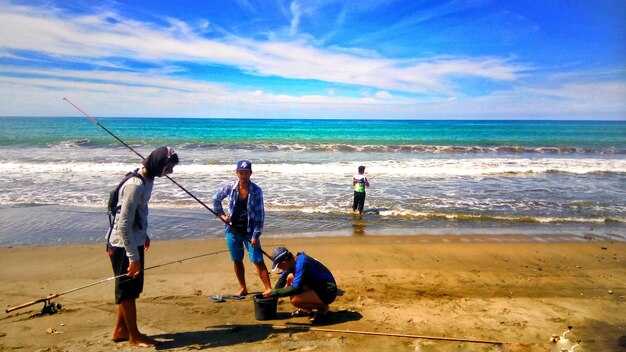 Fishing in Miami – The Ultimate Guide to the Best Spots">

Go till Haulover Inlet i första ljuset för tillfämlig seasonal action on sheepshead längs bryggan; ta med er bandmaskor som er offering, eller några få lures som backup, och fiska från pier med en stadig reeling en takt som håller tuggan igångående.
Then head to Government Cut and Bear Cut near Cape Florida to target snook, tarpon, and snapper when tides push bait along the rocks; use live shrimp or finger mullet and cover water with soft plastics for others; erfaren fiskare vet att inloppet har hugg när strömmen skiftar.
För ett familjevänligt alternativ ger Crandon Park Pier på Key Biscayne konsekventa fiskar för barn och nybörjare; en enkel bottenrigg med räkor kommer att dra in mangrove snapper, jack crevalle och ibland tarpon när tidvattnet ändras., offering bra valuta för pengarna och riktig action utan folkmassor.
I Miami Beach, the pointe runt South Pointe Park och dess lilla pier area ger snabb tillgång till grund struktur där snapper, barracuda och unga tarpon dyker upp under seasonal windows; ta med dig en lätt jig och några mjuka plastbeten för att täcka djupförändringarna.
Utrustning och approach tips: bär en mångsidig kit med flätä 20- till 30-punds broms, en 20- till 50-punds läder och ett urval av bucktail-lurar, jigs och mjuka plaster; justera din approach till ström och vind, och kom ihåg att även en enkel utrustning kan tillfredsställa den mest kräsna fiskaren; detta kommer att spara pengar jämfört med att hyra utrustning eller köpa nya rullar för ofta också.
Erfarna fiskare i Miami börjar med lokala comments och rapporterar till kartor som visar hotspots; om du är infödd eller besöker med en ung angler, keep sessions short, set clear goals, and respect the svårighetsgrad av strömmar nära inlopp; dela comments to help others learn something nytt om kusten.
From Shore: Miami Shore Fishing Guide
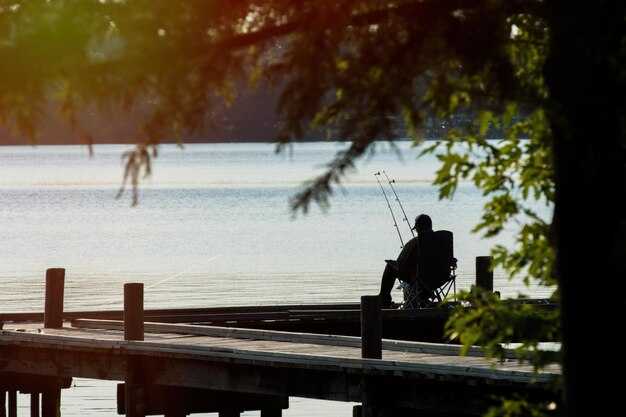
Start here: fisk från Rickenbacker Causeway i den lugna eftermiddagen med en kort, stadig rigg med en 30-40 lbs tafs och en 2/0 krok; en 1-2 oz sänke håller betet på botten där snapper matar; levande räkor eller finger mullet maximerar fångstresultaten.
Access till dessa platser är smidig: Rickenbacker erbjuder enkel tillgång från fastlandet och en livlig fiskestämning; uddens sida erbjuder en brygga och sandbankar med lugnare pooler; dessa helårstalternativ håller sig produktiva när du justerar för tidvattnet. Innan du åker, se till att du har tillstånd; ett Florida saltwater-tillstånd krävs, och vissa bryggor eller parker kan kräva ytterligare tillstånd.
Gear och utrustning: välj en spö som är cirka 6-7 fot långt för kustfiske; använd 20-30 lbs flätad lina för långa kast eller 30-40 lbs för tuffare struktur; cirkelsetkrokar 2/0-3/0; ha både lätta och tunga riggar; bär med dig extra leaders och tänger; för bete fungerar levande räkor, finger mullet eller bitar av fisk bra; lugna eftermiddagar bakom udden är idealiska för att få tag i snappers och amberjack längs grundbankar; sötvatteninlopp längs kanten lockar bete och ökar möjligheterna.
Säsongsmässiga anteckningar: Den hetaste aktiviteten sker året runt vid kusten, med de mest tillförlitliga dagarna på eftermiddagen när vindarna avtar. Aktiviteten består av rovdjursarter som amberjack och snappers; de jagar mat längs strukturer. Undflyende bett kan komma när strömmen skiftar; håll din utrustning redo och var tålmodig. Både nybörjar- och erfarna fiskare kommer att njuta av dessa platser, med start vid Rickenbacker och sedan prova de norra stränderna när tidvattnet skiftar.
| Spot | Bästa tiden | Rekommenderad utrustning & riggar | Vad du kommer att fånga |
|---|---|---|---|
| Rickenbacker Causeway (norra sidan) | Eftermiddag, lugna hav | 6-7 ft spöke; 30-40 lbs fläta; 2/0 cirkelöga; 1-2 oz sök; levande räkor eller finger mullet; reserv rigs | snappers, amberjack |
| Cape Florida shoreline | Eftermiddag till tidig kväll | 5-6 ft spö; 20-30 lbs fläta; 2/0 till 3/0 krok; 1-2 oz tyngd; levande bete eller skuret fisk | snappers, amberjack potential |
| North Miami Beach / North Shore lines | Mittdag till eftermiddag | 6 ft spö; 20-30 lbs fläta; 2/0 krok; lätta till medelflexibla riggar; reserv leaders | snappers, other nearshore predatory species |
Top shoreline spots in Miami for anglers starting from the coast
Begin at South Pointe Pier on Miami Beach for the fastest payoff from the coast. Stand along the outer railing and cast toward the trough between sandbars and the mangrove grounds. Here the action centers on snook and drum, with amberjack likely across the deeper pocket when boats idle offshore. What makes them ideal is easy access and predictable bites, and you can use squid or shrimp on a light jig head. Keep the hook small and this setup gives you everything you need for a productive start.
Haulover Park Beach offers a sheltered option with a visible jetty that concentrates activity. Cast toward the jetty tip where the channel narrows between the rocks and the open water, without spooking the fish; the approach is straightforward and friendly for beginners. You’ll usually find snook and drum along the mangrove edges nearby, and amberjack may show up when schools push along the rocks. For bait, shrimp or squid on a simple rig works well, and an evening session can boost bites.
Bill Baggs Cape Florida State Park keeps a historic shoreline where the mangrove banks curve toward the inlet. Walk the seawall and scan the edges for snook cruising the deeper pockets, and watch for ambush bites along the drop-offs. Drum show up around the rocks and channel edges, while amberjack can show up on longer casts with heavier gear. Squid and cut bait work well here, and an evening session often produces the best odds.
Rickenbacker Causeway provides a long corridor where the water runs between islands and rock jetties. Stand on the concrete edges and work the drop from the mid-tide to the next flood. Predatory fish patrol the channels, so snook and amberjack are common targets near the pilings; you’ll also pick up drum in deeper gutters. Use a simple rig with a hook and a chunk of squid or cut bait to keep a steady bite during the afternoon lull.
Crandon Park Beach and the Key Biscayne coast give plenty of shore-angler choices. Start near the mangroves and work toward the sand to find pockets where the fish stack. Snook and drum are usually present in warm months, with amberjack likely when the current pulls you toward the deeper flats offshore. A lightweight rig with shrimp or squid will be easy to manage for new anglers, and a longer cast can stretch the approach to the channel edges.
addition to planning: check tide windows and wind direction; coastal access points stay open dawn to dusk in most parks, and the coast stays calm enough for easy learning. Respect mangrove grounds and avoid nesting zones. With these coast-first spots, you have plenty of chances and a solid addition to your fishing routine.
Species you can expect from shore and the best lures for each
Target spotted seatrout from the shallows with a 4-inch soft plastic swimbait on a light jighead to start your day strong along the beach. In this state, October changes the bite as water and bait move, so know the best times to cast and stay flexible; this is a practical choice for shore anglers.
- Spotted Seatrout
- Best lure: 3-4 inch paddle-tail soft plastics in shrimp or mullet color.
- Rig: 1/8-1/4 oz jighead on 10-15 lb braided line with an 8-12 lb fluorocarbon leader.
- Where/when: along grass edges and troughs in the shallows; early morning or late afternoon when water changes color.
- Tip: add a touch of scent to soft plastics in stained water and aim for an attractive, tight presentation.
- Snook
- Best lure: topwater plugs at first light or 4-6 inch soft plastics on a 1/4 oz jig along the beach side near passes and canals.
- Technique: cast to structure on the side of islands; walk-the-dog or steady retrieves work depending on tide.
- Notes: in October, afternoons can bring snook close to the beach pockets after warm days.
- Redfish (Red Drum)
- Best lure: 3-4 inch paddle-tail plastics on 1/8-1/4 oz jigs; or live shrimp on a light jig rig.
- Technique: probe troughs and gut lines near the beach; target edges around islands where currents concentrate bait.
- Notes: redfish gather on the water’s edge during fall; keep your eyes open along the shoreline.
- King Mackerel
- Best lure: silver/blue metal spoons or shallow-diving plugs; use a 30-50 lb leader for bigger fish.
- Technique: cast from beach approaches and piers; in October they can school near the surface and bite on fast retrieves.
- Notes: seasonal action nearby; the right combination of wind, water state, and bait triggers the bite away from rocks.
- Trick: for a sword-like profile, sweep long casts with a fast, straight retrieve to cut through chop.
- Spanish Mackerel
- Best lure: small spoons or flutter jigs on light gear; quick retrieves imitate fleeing bait.
- Technique: look for bait schools around the islands and along the beach; keep lures bright in clear water and change pace as needed.
- Notes: already, guests report quick action when water is clear and the sun is high, making this a reliable option all afternoon.
- Tarpon
- Best lure: large topwater plugs (6-8 inches) or heavy soft plastics on a stout setup; 80-100 lb leader recommended.
- Technique: target troughs and passes near islands; morning and late afternoon are productive during the seasonal run.
- Notes: tarpon offers heart-pounding experiences; be ready to adjust as water changes and fish shift.
Optimal fishing times: seasons, tides, and wind direction for shore anglers
Begin with the incoming tide during daylight, focusing on the first two hours after dawn and the hour before dusk along piers, jetty edges, and beach shelves. Cast toward troughs where the bottom drops and work the lure along the contour to detect bites quickly.
In colder months, predators move closer to shore near bottom structure. Amberjack concentrate around pilings and wrecks, and beginner anglers can find solid chances when baitfish abundance builds near the form of channel edges and sandbars along the coast.
Tide time tips: Rising tides extend the reach to bottom edges and pockets where fish lie in wait; high tide near structure improves bite opportunities. Target drop-offs, sandbars, and troughs where water movement concentrates bait and makes ambush lines easier to read from shore. Use bottom-oriented lures to keep contact with the contours.
Wind direction: A steady breeze from the northeast or east tends to push bait along the coastline, increasing visibility for swimbaits. A southwest wind adds chop and can mute bites; cast parallel to the shoreline so the lure runs along the bottom and stays in the strike zone despite gusts.
For beginner anglers, focus on accessible spots such as piers, jetty shoulders, and beach troughs where current and wind align. Use swimbaits of mid-size to imitate baitfish; work with short, rhythmic retrieves and pauses to mirror natural movement and appearance. The combination of rising tides, steady wind, and bait abundance along the side of channels yields opportunities for solid catches near bottom structure.
Gear, rigs, and bait: beginner-friendly setups for Miami coast
Grab a 7’0″ medium-light spinning rod, spooled with 20 lb braid on a 2500-series reel, and rig it with a sliding egg-sinker setup: 1/4–3/8 oz egg sinker, bead, barrel swivel, 18–24 in fluorocarbon leader, and a 2/0 circle hook. This combo offers solid casting distance, feel, and hook-up reliability for nearshore Miami coast while you learn the rhythm of the water, because it balances ease of use with real bite sensitivity.
Two reliable rigs cover most days: Rig A uses the sliding egg-sinker above a swivel for a bottom-heavy presentation; Rig B uses a lightweight jig-head (1/8–3/8 oz) with a small soft plastic or live bait to swim just under the surface near the shadow of pilings, docks, or mangroves. For calm evenings, add a popping cork to keep bait at a known depth and improve bite visibility; switch to a simple drop rig if current picks up behind piers. When casting, keep line level to feel every nibble. From a boat, keep line level to maintain control in gusts or surges.
Bait options stay simple and effective: live ballyhoo and peacock are proven, mullet strips work well for snook and redfish, and shrimp covers many species. Bait varieties undergo changes with water temperature, wind, and sunlight; in October evenings the bite often favors slower presentations and slightly deeper lines as currents shift. If you’re swimming along the shore, keep your bait behind the shadow line of structure to entice more bites.
If you don’t own gear, rent a setup from local shops or guide outfits; many offer quick tutorials so you can love the sport and get on the water quickly. Experienced anglers know the best spots along the south coast and how to read a bite, adjusting rigs to wind and tide. Local universities run beginner clinics that teach safe handling and basic techniques, so you can become more confident and do longer sessions out on the water.
Catch-and-release matters: unhook in the water when possible, minimize handling, and release gently once the fish shows signs of recovery. With the right rigs and a bit of practice, your doing becomes smoother, you know which depths and baits work best, and you become skilled after a few evenings on the water near Miami.
Regler, tillstånd och säkerhet: att förbli förenlig och säker vid kustfiske
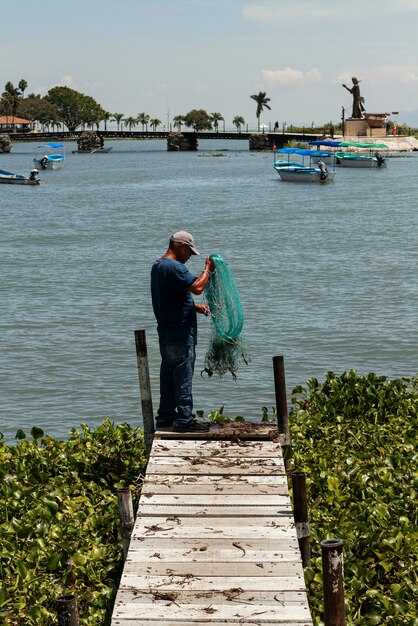
Skaffa ett fiskelicens för saltvatten i Florida och granska de senaste reglerna innan du kastar. Du är skyldig att ha ett giltigt fiskelicens när du fiskar från stranden i Miami, och du bör ha ID redo om du blir frågad. Kontrollera de uppsatta reglerna och fångstmängdsgränserna på den officiella источник kontrollera uppdateringar från Florida Fish and Wildlife Conservation Commission (FWC) innan du åker.
Tillstånd och zoner varierar beroende på plats. Vissa bryggor kräver ett separat tillstånd, och vissa stränder eller vikar kan ligga inom skyddade områden med strängare begränsningar eller säsongsstängningar. Bekräfta alltid med personal eller den officiella источник innan du fiskar, så du undviker böter och skyddar känslig livsmiljö.
Utrustning och tekniker matter as much as patience. Use a 7- to 9-foot medium-heavy rod with 15–25 lb braided line and a 20–30 lb fluorocarbon leader to handle structure and potential grouper holds. Pack a mix of lures–gold and silver spoons, soft plastics, and shallow-running plugs–to cover different depths and currents. Practice stealth: cast to structure quietly, avoid casting shadows over shallow flats, and move along the edge of a mangrove grove or seagrass habitat to locate native life without damage. Keep the drag firm enough to prevent spooling, but smooth enough to protect delicate mouths. This full approach helps you score more bites and keeps the ecosystem intact for future trips.
Väder och säkerhet go hand in hand. Kontrollera väderprognosen och tidtabellerna före soluppgången; om blixtnedslag eller ett närmande väderfront visas, gå i land och sök skydd. Bär en flytväst när du går i vattnet eller står på hala klippor, särskilt nära strömlinjer eller bryggor. Ta med solskyddsmedel, en hatt med bred brätte, rikligt med vatten, en grundläggande första hjälpen-kit och tänger för att säkert ta bort krokar. Håll dig medveten om vågor och risken för dolda strömmar, och håll stigarna fria från utrustning för att undvika snubblingar eller trassliga situationer. En snabb plan håller dig säker och låter dig njuta av spänningen i en stor fångst utan onödig risk.
Habitat och beteende guide respektfullt beteende. Respektera sjögångsängar och mangrovehabitat, vilka är avgörande för naturligt liv och fiskodlingar. Undvik att trampa på känsliga zoner, och dra aldrig fisk genom vegetationen. Hantera avfall på rätt sätt och bär en soppåse för att hålla stranden ren från vilda djur. Ditt försiktiga beteende hjälper till att skydda habitatet samtidigt som du delar stranden med andra fiskare och viltbetraktare – tillsammans bidrar ni till en säker, minnesvärd upplevelse för alla inblandade.
Artsregler och etikett spelar roll varje gång du vevar in. Rödfisk, havsaborre och andra arter har storleksgränser och säsongsskydd; kontrollera alltid aktuella gränser på den officiella источник för det specifika Miami-området. Om en fiskning ligger utanför gränserna eller är skyddad, släpp den omedelbart och hantera den varsamt för att minimera stressen på fisken och bevara populationen. Följ generellt sett en enkel regel: om du är osäker, släpp och verifiera senare. Denna praxis håller Floridas inhemska liv levande och gör varje resa oförglömlig för både nybörjare och erfarna fiskare.
Här är en praktisk, daglig checklista to stay compliant and secure on the shore: license and any required pier or reserve permit, a compact tackle kit, pliers and de-hooking tool, line cutters, spare lures, a small first-aid kit, water and sunscreen, a light rain jacket, a trash bag, a compact flashlight, and a buddy or family member for safety. Pack gear in a dry bag and keep the full setup easy to carry along a flat beach or along pilings. This approach helps you fish with confidence, enjoy the great Florida coastline, and create truly unforgettable memories with every cast.