


 Svenska
  English (UK)
  Русский
  العربية
  日本語
日本語  한국어
한국어  Magyar
  Türkçe
  Español
  Čeština
  Português
  Ελληνικά
  Suomi
Suomi  Nederlands
  Română
  Italiano
  Français
  Polski
  Українська
  Deutsch
  简体中文
简体中文  Slovenčina
 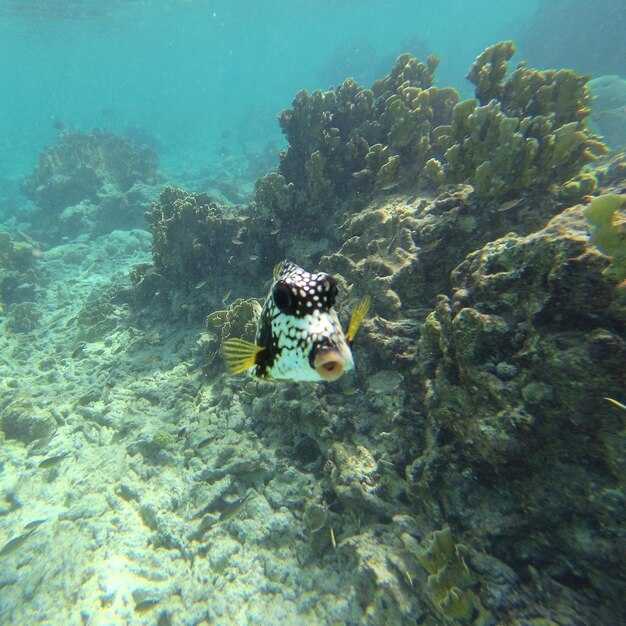 Diving Across Quintana Roo, Mexico – Top Dive Sites & Cenotes">

Börja med fem cenoter under första veckan och utöka sedan till revplatser. Om du vill ha en tydlig introduktion, gå dit, eftersom du kommer att lära dig om lagoon ecosystems och hur lugnt vatten stöder en scuba session. Vi went med en enkel plan och stannade till solnedgången, och lät grottans särdrag uppenbara sig, vilket gjorde upplevelsen verkligen amazing för en första bekantskap med Quintana Roo. Under de kommande veckorna formar flytkraftsövningar, ytinvesteringar och färjeförbindelser din rytm.
Utgå därifrån och kartlägg fem kärn- sites längs kusten, var och en med sin egen prägel fish ktion och korallstrukturer som är perfekt balanserade. A diver kommer att märka hur revkanter lockar snapper och papegojfisk, medan inlandet lagoon livsmiljöer skyddar unga arter och skapar varierade ecosystems. Variationen gör att du kan jämföra grottupplysta miljöer med öppna vattenzoner, och hålla fokus på din destinations och undvik upprepning.
För att maximera din tid, samordna Quintana Roos cenoter med kusten destinations som kan nås med ferry vägar längs Riviera Maya. Du kommer antagligen att köra fem huvud sites, och få rutten att gå i en slinga från grottor inne i landet till rev ute till havs och tillbaka, tills du hittar en rutin som passar din takt. För diver, the lagoon och grottupplevelser kompletterar varandra och erbjuder en balanserad blandning av saker att se och göra.
Praktisk dykning i Quintana Roo: platser, cenoter och aktuella förhållanden
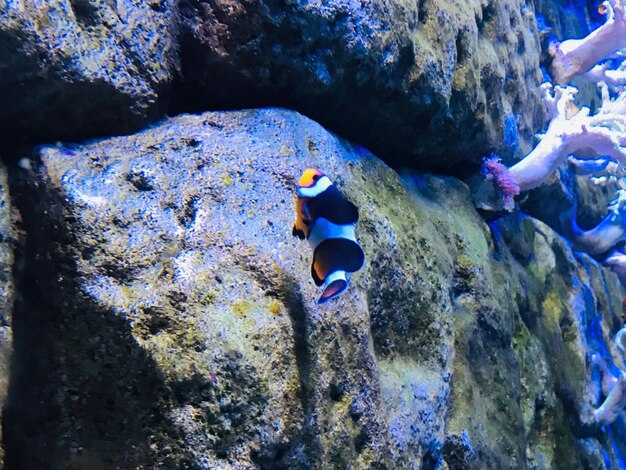
Planera tre aktiva dagar: två cenotesessioner på förmiddagen och en utflykt till det centrala revet på eftermiddagen. Denna balans ger dykarna en blandning av grunda, ljusfyllda passager och djupare korallväggar, med chanser att se karismatiska varelser. Detta tillvägagångssätt låter dig också prova en ny typ av undervattensupplevelse. Dessa alternativ täcker olika typer av undervattensupplevelser som förmodligen kommer att ge dykare en kick om och om igen, och hjälpa dig att leva de ögonblick du älskar.
Bästa platserna för en praktisk resväg inkluderar Dos Ojos och Gran Cenote för tillgängliga, ljusa passager med djup från grunt till mellandjupt; Angelita och Siete Bocas erbjuder djupare, mer utmanande sektioner för utbildade dykare. Cenotes öppnar upp undervattenslivets världar med mycket klart vatten, ofta med dramatiska ljusstrålar. I centrala Quintana Roo ger Cozumels väggar längre drifter och en bred profil av rev, bäst tajmat med lätta morgonsjöar. Kontrollera alltid lokala operatörer för aktuell tillgång och djuplimitar, och boka en guide för säkerhetsgenomgångar.
Vattentemperaturerna håller sig varma året om, vanligtvis 26–29 °C i havet och runt 25–30 °C i cenotes, så en våtdräkt på 3–5 mm eller 5–7 mm är bekväm; under torrperioden (november–april) är sikten klarare, ofta 20–40 m på reven och ännu bättre i cenotes, även om vindarna kan tillta under mars–april. Orkansäsongen (juni–november) kan försämra sikten under några veckor efter stormar, men cenotes förblir mycket klara med djup och strömmar som är mer förutsägbara. För en veckas långa resor, planera att växla mellan 2–3 dagar nära Cancún med 1–2 dagar nära Cozumel eller Riviera Maya.
Nuvarande förhållanden i regionen varierar med årstiden: vindar från öst, lugnare sjö tidiga morgnar och bättre sikt på reven efter lätt regn; cenotes håller sig varma med jämna temperaturer och kristallklart vatten. Mobula-vandringarna toppar i december–februari längs Cancún och närliggande öar, medan rävhajar är möjliga men troligen sällsynta i djupare offshore-kanaler, så kolla med operatörer om sannolikheten. Följ guiderna och respektera deras utrymme; dessa möten är fortsatt karismatiska höjdpunkter för dykare och besökare.
Innan du ger dig ut på havet, kolla prognosen, vind- och våguppdateringar och operatörens säkerhetsgenomgång. Packa ett litet kit med en extra mask, revsäkert solskydd och en mikrofiberhandduk; ta med en kamera med ett vidvinkelobjektiv för att fånga koraller, små varelser och de gröna sjögräsbäddarna som ger skugga åt ekosystem längs hela centrala kusten. I Cancún och centrala Riviera Maya kommer du att älska det varma vattnet, de grunda cenotes och de aktiva reven – ögonblick som du kan återuppleva om och om igen.
Öppet vatten-platser per zon: Cozumel, Riviera Maya och Puerto Morelos
Börja i Cozumel i gryningen; varmt vatten håller ofta 27–29°C, vilket möjliggör en smidig drift längs väggens topografi. Palancar Reef uppvisar gröna korallträdgårdar med livfulla färger; Santa Rosa Wall stupar brant och erbjuder dramatiska vertikala väggar; Columbia Reef bjuder på en hemlig drift genom djupare kanaler där större pelagiska arter pattruljerar. Nudibranchier pryder ytorna, tjurhajar dyker upp säsongsvis och många småfiskar animerar färgerna. Åtkomst från San Miguel är enkel, och skyddszoner håller dessa världar säkra för varande och lekfullt liv – vilket gör allt bättre igen genom Junis siktdjup.
I Riviera Maya ger Tulum Wall en lång, elegant drift längs en avsats med noggranna koraller och färger på djup från 6 till 24 m; Paamul Reef är ett snällare alternativ med mjuka sluttningar genom 6–18 m och många makrovarelser inklusive nakensnäckor. De bästa förhållandena samlas i maj–juni och igen i september–oktober, då sikten är god och det varma vattnet ger en vibrerande topografi nära stranden. Tillgängligheten från Playa del Carmen eller stadsstränderna gör denna region bättre för snorkling och enkla simturer.
Puerto Morelos behåller ett lugnare tempo med La Bocana och El Bajo. La Bocana erbjuder en lättare drift längs en skyddad revkant, tillgänglig från byn, med maxdjup runt 15 m; El Bajo hyser större pelagiska arter och stimfisk, utmärkt i juni och ofta på hösten, med klart vatten och lekfulla sköldpaddor. Dessa platser ligger inom en skyddad del av det mesoamerikanska barriärrevet, vilket förbättrar tillgängligheten och skyddet för framtida säsonger och bevarar den hemliga känslan i regionen.
| Zone | Site | Access | Max Depth (m) | Best Time | Signaturfunktion | Wildlife |
|---|---|---|---|---|---|---|
| Cozumel | Palancarrevet | Båt från San Miguel | 15–30 | May–Sept | Färgglada trädgårdar, genomsimningsturer | Gröna muränor, papegojfiskar, nakensnäckor, amhaj |
| Cozumel | Santa Rosa-muren | Båt | 18–35 | Mar–okt | Dramatisk vertikal vägg | Fiskstim, sköldpaddor, enstaka tjurhajar |
| Cozumel | Columbia Reef | Båt | 18–50 | jun–okt | Djupa kanaler, oceanisk drift | Pelagiska fiskar, groupers, revhajar |
| Riviera Maya | Tulummuren | From Playa del Carmen or Tulum | 6–24 | Mar–Jun | Long wall drift, vibrant corals | Barracuda, sea turtles, reef sharks |
| Riviera Maya | Paamul Reef | Paamul Beach | 6–18 | May–Sept | Gentle slopes, coral gardens | Angelfish, morays, nudibranchs |
| Puerto Morelos | La Bocana | Puerto Morelos town access | 6–15 | Jun–Sept | Light drift along reef edge | Nurse sharks, morays, turtles |
| Puerto Morelos | El Bajo | Puerto Morelos town access | 12–20 | Year-round | Pelagic action, large schools | Manta rays, barracuda, tuna |
Cenotes: selecting by cave type, depth, and light exposure
Choose a shallow open cenote with bright daylight, a reachable wall, and calm water as your must-start option for the first visit. This setup works well for people, including families, and their reaction is often positive when exits are direct and the surface is visible from below. If the water feels cold at the surface, slip on a light wetsuit and take a gradual approach before moving deeper later.
Three cave type families shape your day: open cenotes that flood with sun, semi-open sites with a partial roof, and cavern routes where light fades and walls tighten. Each type is different: open sites reveal corals and clear lines on the wall, semi-open spaces balance shade and color, and cavern paths reward meticulous navigation along a guided route. Their features help you pick the right setting for activities and comfort, and others in your group can join at their own pace.
Depth matters. Shallow zones below 8 m ease learners into buoyancy and signaling, mid-depth ranges 8–20 m reveal larger walls and more life, while deeper pockets 20–40 m demand meticulous planning, a certified guide, and sign-up prior to entry through the site’s safety system. Always confirm the depth at the entrance and stay within your training level.
Light exposure defines mood and color. Bright sun near openings creates vivid outlines, while deeper or shaded sections show a cooler, blue-green glow that changes how corals and formations appear. Plan to visit around mid-morning or late afternoon to balance light, shadows, and visibility; this helps photographers and casual visitors alike, again for a different lighting effect.
Book with a reputable operator; sign-up ensures a structured day with a direct briefing, a safety system, and clear limits on depth and exposure. In addition to cenote time, you can add surface activities and nearby reefs or reef encounters; around the yucatan coast, including holbox and other spots along the caribbean coast, these options broaden the experience and increase the chances to see sharks when seasonal conditions permit. This balanced approach provides something for every person and keeps the pace comfortable for families and first-timers.
Examples you might consider: Dos Ojos offers extensive passages through cavern and open sections; Gran Cenote presents clear water with bright surface, and Ik Kil delivers a dramatic deep shaft. These sites show how depth and light interplay; here on the peninsula you’ll find people who went for a variety of experiences, including visitors from around, and others who want to focus on mindful exploration among the reefs and cenote walls.
Seasonal visibility and water conditions by month
Plan February through April for the clearest sea visibility and comfortable temperatures. Expect calmer mornings and steady currents near reef edges, ideal for multiple excursions along the Riviera Maya and Cozumel region.
- January
- Visibility: 15–25 m
- Temperature: 25–27°C
- Current and winds: light to moderate; NE winds in the morning
- Notes: reef edges stay clear on most days; shallow zones show excellent visibility
- February
- Visibility: 18–30 m
- Temperature: 25–28°C
- Current and winds: light to moderate; mornings are usually calm
- Notes: east-facing reefs often display sharp clarity; stable days near offshore sites
- March
- Visibility: 25–35 m
- Temperature: 26–29°C
- Current and winds: generally mild; best results after sunrise
- Notes: optimal windows along Cozumel and the reef corridor
- April
- Visibility: 28–40 m
- Temperature: 26–29°C
- Current and winds: stable; dry spell supports long, clear windows
- Notes: near-shore zones stay clean; schedule early slots for the best light
- May
- Visibility: 20–32 m
- Temperature: 27–30°C
- Current and winds: breeze increases; brief showers possible
- Notes: turbidity can rise after rain; mornings are ideal
- June
- Visibility: 18–28 m
- Temperature: 28–30°C
- Current and winds: winds pick up; seas can be choppier on exposed sites
- Notes: flexibility helps; check forecasts for offshore routes
- July
- Visibility: 15–25 m
- Temperature: 28–31°C
- Current and winds: humidity high; showers frequent
- Notes: morning windows improve clarity; offshore reefs remain productive
- August
- Visibility: 15–25 m
- Temperature: 29–31°C
- Current and winds: warm, often breezy; storm risk rises
- Notes: plan with a flexible schedule; some days offer excellent clarity
- September
- Visibility: 15–25 m
- Temperature: 29–30°C
- Current and winds: rainy season in full swing; turbidity after rain spikes
- Notes: cenotes stay reliable; choose mornings after dry spells
- October
- Visibility: 20–30 m
- Temperature: 28–30°C
- Current and winds: post-storm stabilization; mornings are clearer
- Notes: early planning helps, especially for offshore routes
- November
- Visibility: 25–35 m
- Temperature: 26–28°C
- Current and winds: dry-season pattern begins; winds moderate
- Notes: the region shows strong clarity; nearshore shelves offer stable conditions
- December
- Visibility: 20–40 m
- Temperature: 25–27°C
- Current and winds: north swells possible; mornings often calmer
- Notes: end-of-year slots yield excellent light and long sightlines
Cenotes offer reliable clarity year-round; temperatures stay in the mid-20s °C, with mornings delivering the best light through skylights for photography.
Currents, depths, and safety planning for reef and drift dives
Book a guided, licensed drift session with a local operator who provides a surface marker buoy, reel, and a clear exit plan. Ensure a meticulous safety briefing, check current forecasts, and confirm exit options before entering the water. If winter here brings cooler water, wear a 3–5 mm wetsuit and stay ready to adjust pace; most drift routes around the Yucatán deliver a bucket-list moment when you move with the healthy balance of current and buoyancy, creating a memorable encounter with the natural world and its species. The oceans can be calm yet demanding, so prepare five core steps to stay ready and safe.
-
Currents, angles, and site selection – In this region, surface flows are driven by trade winds and tidal exchange. Most reef lanes run 0.5–1.5 knots on calm days; in calmer morning windows you gain a little more control, while afternoons can bring stronger push toward the back reef. Look for controlled entry points and exit options that align with your plan, such as channels that offer predictable paths back to the shore. Keep an eye on olhos–the eyes of the reef area seen by guides–as indicators of activity and visibility shifts; if the water looks green and murky, slow and reassess. Always have a plan for back-up exits and avoid routes with sharp cross-currents.
-
Depths and bottom time – Typical reef sections stay around 12–18 m, with some wall zones dropping to 20–25 m. For drift-lane safety, plan a bottom time of 25–40 minutes in calm conditions, then add a 3–5 minute safety stop at 5 m. If current accelerates, shorten bottom time accordingly and ascend earlier to maintain a second safety margin. Average gas reserves should be checked against the planned time and depth, aiming to finish the session with a comfortable reserve.
-
Five essential safety checks – Use a short, meticulous checklist before every session:
- Forecast and currents: verify the latest update and confirm that exit routes remain viable.
- Equipment readiness: SMB/reel, whistle, knife, spare gas if available, and a buoyant belt; confirm buddy signals.
- Buoyancy and trim: practice a light, controlled glide with minimal fin work to reduce impact on the water column.
- Site plan and angles: agree on a primary route, back-up exit, and contact points for the team.
- Gas management: ensure reserve, plan the second stage of the mix, and pace work to avoid early depletion.
-
Safety equipment and communication – Carry a surface marker buoy, signal whistle, and a cutting tool; a reel helps you manage drift when currents shift. Communicate with your buddy using agreed hand signals and maintain visual contact as you approach potential narrowing points or silt zones. On calmer days, you may explore closer to green slopes; on stronger days, stay nearer to the exit and maintain a steady rhythm to keep the group balanced.
-
Environmental awareness and site-focused choices – Respect marine life and keep distance from critical habitats. Choose routes where you can observe natural behavior without interfering with wildlife, such as reef crevices or shallow ledges where species like parrotfish and angelfish commonly move. Note how the current shapes your path across the kelp-like greens and sandy patches; plan options that minimize contact with fragile coral and maximize opportunities to observe small natural acts, such as fish schooling and shell activity.
Posterior planning concentrates on safe margins and realistic options, not on pushing limits. A well-chosen route reduces stress on your second stage and supports a healthy balance between exploration and safety. Remember: most memorable moments come from calm, controlled movements, thoughtful angles, and a strong, cooperative team–here in the Yucatán’s tropical oceans, where winter temperatures trend toward the mid-20s Celsius and the game is to stay ready, meticulous, and mindful of the planet we share with countless species.
Gear and safety checklist for Quintana Roo dives
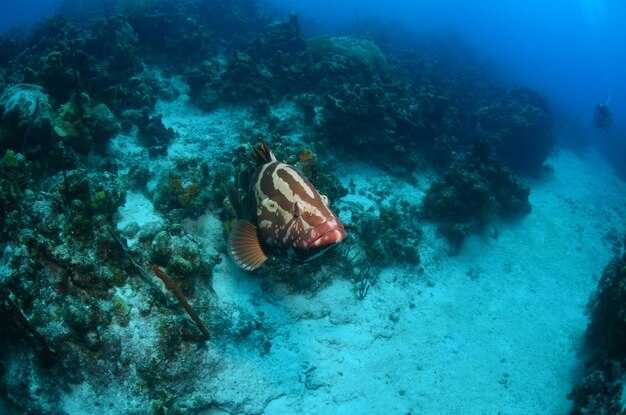
Perform a thorough pre-entry gear check on the beach at least 30 minutes before any underwater outing. Verify regulator and first stage, alternate air source, buoyancy control device, weights, and computer are within specification, and confirm a charged backup light and spare batteries are stowed in a dry bag.
Carry a redundant air source, a bright primary light, spare mask strap, and a safety reel or line for cenotes or reef sections. There should be a clear plan with your buddy for contact if visibility drops or currents shift.
Depths awareness matters: Open Water certification typically limits to 18 m (60 ft). For deeper options, complete Deep or Tec training and accompany a qualified guide. In cenotes, plan your maximum according to experience and follow your guide’s instructions. Request an in-depth briefing before entering any zone.
Wildlife and environment: Caribbean reefs host turtles and eagle rays; keep distance and do not chase. Caribbean reef life is worshipped by locals and divers; observe from a respectful distance.
Protection practices: Use reef-safe sunscreen on shore, avoid applying near the waterline, and protect beach and reef by staying on established paths and not touching corals. Bring a small bag for trash and a reusable bottle to reduce waste.
Options for gear and access: Quintana Roo offers rental gear and guided trips; playa del Carmen and nearby playa areas have shops. There are other options, including shops at the coast and in Cozumel. If you drive, start early to miss traffic and have more time to check equipment. There should be time for a last-minute check as you arrive.
Emergency planning and trusted sources: carry a surface signaling device, know local emergency numbers, and have a plan to exit quickly if conditions deteriorate. Источник of best practices sits with years of experience shared by local contributor; having been active for years, these contributors guide new divers and then help you explore the Caribbean with confidence. Knowledge from experienced guides can allow safer decisions and then help you enjoy the scene.