


 Svenska
  English (UK)
  Русский
  العربية
  日本語
日本語  한국어
한국어  Magyar
  Türkçe
  Español
  Čeština
  Português
  Ελληνικά
  Suomi
Suomi  Nederlands
  Română
  Italiano
  Français
  Polski
  Українська
  Deutsch
  简体中文
简体中文  Slovenčina
 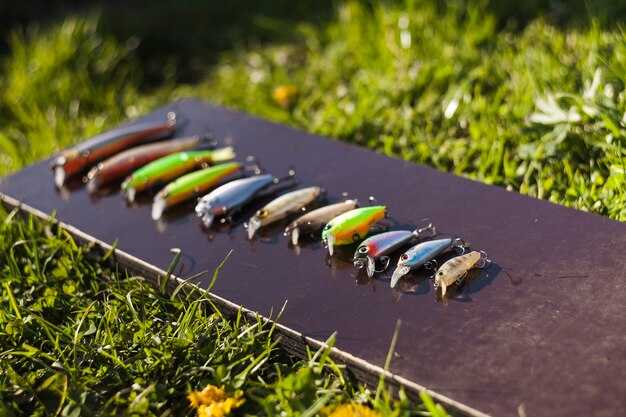 Complete Guide to Fishing Gear – Essential Equipment Anglers Need">

Use a medium-heavy rodâs setup with a shimano reel and 12–20 lb line as your starting point. This combination delivers enough power for battling bigger fish while maintaining sensitivity to confirm strikes. For most anglers, this is the required foundation to start learning quickly and safely.
Attach 15–20 lb braided main line with a 10–12 ft fluorocarbon leader to reduce underwater visibility. Carry three soft-plastic lures in 3–5 inch profiles–paddle-tail, curly-tail, and a slow-sinker–to cover depth and motion. A 1/4–1/2 oz jig head with each lure keeps the lure in the strike zone on windy days and in currents; this combination adapts to most rivers and lakes; however, test new line in calm water before you head to the stream.
To handle breaking fighters, choose robust hooks and weedless rigs. Pair a 3/0–4/0 offset worm hook with a 1/0–2/0 jig for lighter setups, and use sturdy heads to resist tearing during battling. A soft-plastic body on a tuff head lasts through rough encounters, while you refine the underwater motion with short bursts and pauses to provoke strikes.
In north regions with colder water, slow your cadence and use heavier jig heads to keep lures in the strike zone. People who adapt early report higher hookup rates; carry spare leaders and a compact tool kit for quick fixes, and share tips with them. If you expect windy days, switch to a longer rod for better line control and improved casting accuracy.
After each trip, rinse equipment with freshwater, dry thoroughly, and inspect guides for nicks. Lubricate the reel’s bearings every 20–25 hours of use to ensure smooth performance during long encounters with fighting fish. Keep spare rod tips and a small repair kit in the boat, and store gear in a dry, ventilated bag to prevent corrosion. rodâs performance depends on care and proper storage.
Complete Guide to Fishing Gear: Must-Have Gear for Anglers and the Ontario Recreational Fishing Regulations Summary
Start with a versatile spinning setup: a 6’6″–7′ medium-action rod and a 2500–3000 reel spooled with 10–12 lb braided line and a 8–12 lb fluorocarbon leader; this setup cannot be beat for Ontario waters and comes with ready versatility across locations and species, from small crappie to bigger predators that jump between cover and open bays.
Basics of gear you need before every trip include a compact tackle bag, spare spools, and a dependable net. rinse reels after meals on the water if you splash salt or grime, then dry and store them to stay prepared. Keep pliers, line cutters, a sharp knife, a tape measure or board for size checks, and a quick‑access tool for changing hooks. A life jacket or PFD, whistle, and a small first aid kit stay within reach for safety, and a dry bag protects phones and wallets. Use a snap-swivel to reduce line twist and to switch lures fast as you move between small locations and deeper channels. For color options, yellow and natural patterns cover many conditions, and a few bright options can draw strikes when stained water comes up. This setup is the perfect starting point for a user new to the sport or returning to fishing after a break, and it makes care and storage safer and neater across seasons and forums where anglers share tips.
In addition to the core gear, tailor your tackle to common Ontario forage. Carry a mix of jig heads, small spoons, and soft plastics for crappie and crappie‑like species, plus inline spinners and blade baits to tempt bigger species when you reach predicted hotspots. A few baitfish‑style lures can be effective in clear water, while bright options help in stained waters. Prepare a small selection you can switch quickly to match water clarity and the fish you’re pursuing; this level of care helps you stay prepared for everything that the day may throw at you. If you fish in deeper water or during crepuscular hours, keep a spare light, clip‑on to your vest, and a dry bag with extra batteries. In forums and guided programs, anglers emphasize keeping everything organized in holders or dedicated pockets so you can access what you need without delaying your next cast. Small gear such as a snap-swivel, extra hooks, and extra weights stay in a labeled box; this matters when you’re moving between locations with rapid changes in depth and cover, and you want to stay safe and efficient on the water.
Ontario fisheries management relies on a clear program that helps stock, protect, and grow healthy populations. While swordfish belong to a different oceanic program, the same mindset applies: be prepared, be careful, and respect the rules that protect waters where predatory fish hide in structure, weed beds, and drop-offs. For this reason you should keep your gear ready for quick changes, and you should adjust your tactic based on water clarity, weather, and fish behavior. If you are new to the sport, ask seasoned anglers in local forums for location ideas and recommended gear setups; the community can show you safe, proven approaches for each waterbody and each season. You can stay sure by following a simple set of steps that aligns with a safe, family‑friendly style of fishing, keeps you prepared, and respects fisheries regulations while letting you enjoy every bite and the satisfying feel of your line coming tight.
Recommended steps for gear setup and maintenance:
- Inspect gear before every trip: check reels, line condition, hooks, and swivels; replace worn components to avoid missed bites.
- Rinse gear after salt exposure or heavy mud, dry thoroughly, then store in a cool, dry place to extend life.
- Pack a multi‑tool, spare leaders, and a few different weight jigs and spinners to adapt to changing currents and depths.
- Match lure color to water clarity: yellow and natural tones in clear water; bright, high‑visibility colors in murky water.
- Keep a spare spindle or reel and a free space in your tackle box for quick changes between spots and water types.
Ontario regulations summary helps you stay compliant while exploring everything from shallow bays to deeper channels. Use this quick table to verify key points and then refer to the official regulations for the full details, including any updates from fisheries programs or regional forums where local holders share experiences and safety tips.
| Topic | Ontario Regulation Note | What to Do |
|---|---|---|
| Licence | A valid Sport Fishing Licence is required for most recreational fishing in Ontario. | Purchase online or at an approved vendor; carry your confirmation while fishing. |
| Zones and Species Rules | Regulations vary by waterbody and species; some zones have unique rules. | Check the Ontario Recreational Fishing Regulations Summary for your locations before each trip; adapt tactics to the rules you must follow. |
| Size and Bag Limits | Limits differ by species and zone; verify current tables. | Know the applicable min sizes and daily bag limits; measure fish accurately and release if undersized or over the limit. |
| Seasons and Closures | Open seasons and spawning closures vary; some waters stay open year‑round for certain species. | Plan trips around local windows; observe any closed times to protect fisheries during spawning. |
| Gear and Bait Restrictions | Legal gear and bait options are specified; some areas restrict certain live baits. | Use permitted hooks, traps, and lures; avoid prohibited devices; respect bait restrictions on the waterbody you fish. |
| Protected Species and Handling | Certain species are protected and must be released; handle fish carefully to minimize harm. | Use proper handling techniques; avoid keeping protected species; follow release guidelines to support fisheries growth. |
| Transport and Possession | Possession limits apply; transport rules cover how you transport caught fish. | Keep accurate counts; transport fish in compliance with the regulations; store perishable catches appropriately. |
| Where to Check Updates | Regulations can change annually; always verify on the official page. | Visit Ontario’s official fishing regulations page or the provincial wildlife site for the latest summaries and zone maps before fishing anywhere new. |
Ontario Recreational Fishing Regulations Summary and Practical Gear Planning
Get a current Ontario fishing license and review the Regulation Summary for your water before you fish. This ensures you know bag limits, size minimums, open seasons, and gear restrictions by zone. Check ontario.ca or contact MNRF for the latest version; rules can shift by water body and species, and wardens may request proof of license and adherence to limits on land.
License types include Sport and Conservation; both require you to carry proof. Open seasons and daily limits vary by water and species; many lakes use slot or min-size rules and some streams require a specified hooks or bait type. Familiarize yourself with the water you plan to fish, and mark any special restrictions (no fishing in closed areas, gear restrictions, or seasonal closures). The Regulation Summary is already updated annually, so verify before each trip to avoid fines and penalties.
Practical gear planning starts with a lightweight core for long days and a medium-heavy option for bigger targets. For rods, check the spine and balance with a reliable reel; a 6’6″–7’6″ light- to medium-action rod works well on small lakes, while a 7’6″–8’6″ medium-heavy rod covers pike and bass on larger waters. Prefer a setup that could switch between environments without swapping gear. Pair with a line that maintains proper tension during casting and hookups. Measuring and labeling line segments helps you dial rigs quickly across environments. Include a spare spool with a slightly heavier line for windy days or deeper water, plus a tuff backup lure or leader in case of snags; this could flip your odds during a tricky bite, land a confident cast, and keep you fishing longer for a lifetime of memories.
Environments across Ontario fisheries demand flexible tactics: flies for streams and trout, spoons and crankbaits for lakes, and soft plastics for murky water. The best designs stay versatile and offer clear pros for catching a range of species. For flies, pack patterns suited to your target species; include streamers and dry flies. A few proven lures in your box are a big plus for any type of water. If you hire a charter, you’ll get local insight into insect hatches and water temps that influence bites, helping you choose flies or lures quickly and improve your results on the water.
Landing gear and measurements matter. Use a net or lip grip to land fish on land, handle with damp hands to protect the slime, and release quickly if you’re practicing catch-and-release. A measuring board or tape confirms length before keeping fish and helps you stay within local limits. Shorter leaders can improve stealth in clear water, while longer leaders help in weedy or windy conditions. This approach protects fisheries and keeps your gear working in a wide range of conditions.
Gear for real-world fisheries: bring a basic safety kit, a PFD, and a spare rain cover. For big inland waters you may prefer a larger net and longer rod; for back bays and streams, a compact setup is a plus. If you charter, use the day to learn the optimal rig type for each fishery and note the biggest types you encountered across environments. Include a scale to avoid guessing the weight and to help you track your progress over time.
Checklist: license and Regulation Summary, two rod options (lightweight and medium-heavy), spare spool, measuring device, tuff pliers, flies or lures, net, leader material, line, and a dry bag. Land a better experience by packing flexible gear and keeping within the rules, then you’ll have a lifetime of happy lakes, streams, and charters.
Rod, Reel, and Line selections tailored to Ontario species
Recommended setup: a 7′ medium-heavy rod paired with a 2500–3000-size spinning reel and a 20–30 lb braided main line, plus an 8–12 lb fluorocarbon leader. This optimized combo covers a range of Ontario species and those waters, prioritizing ergonomics to help you land fish and stay fresh after a long fishing day.
Choose gear that balances sensitivity and strength, and that describes how you’ll fish those waters across seasons. A smooth reel with a dependable drag and a spool designed for easy line management makes reeling calmer and more predictable, so you’ll keep control even when a trophy fish kicks up a surge. With the right balance, your setup becomes easier to handle, whether you’re casting from shore or drifting offshore.
Walleye respond best to light-to-medium gear: a 6’6″–7’0″ rod with fast action, a 2500–3000 reel, and an 8–14 lb fluorocarbon leader over a 6–12 lb main line, or 15–30 lb braid with a 8–12 lb leader for deeper water. Use jig weights in the 1/8–1/4 oz range, and consider a small float to keep depth consistent in shallow flats. Maintain a robust spool so you can long-retrieve without spiking the line memory, and check your drag after each bite to protect both the fish and your gear.
Northern pike demand heavier gear: 7’6″–8′ fast-action rods, sturdy reels, and 40–80 lb braided line with a 60–80 lb leader to resist bite-offs on big plugs or spoons. For trolling and heavy wire, pair with a 50–60 lb leader and a fluorocarbon backing to keep line smooth through guides. A longer rod helps keep line off the water, making those long casts and confident landing smoother and more controllable.
Smallmouth and largemouth bass suit versatile setups: 7’0″–7’6″ rods in medium-fast action, a 2500–3000 reel, and 15–20 lb braided line with a 6–12 lb fluorocarbon leader for stealth and feel. For topwater and jerkbaits, go with 7’0″–7’6″ and keep a tight, responsive reeling motion. These rigs make it easier to read–which lures entice strikes–and to thread through cover without losing line to snags.
Lake trout often require longer, tougher gear: 8’6″–9’0″ rods in medium-heavy to heavy action, 20–40 lb braided line, and 40–60 lb fluorocarbon leaders. For downrigging, ensure your spool can hold long leaders and maintain a steady drag to keep fish from kiting. A stout reel with a reliable drag helps with long, patient fights and a clean landing under the boat.
Muskellunge call for purpose-built setups: 7’6″–9′ heavy-action rods, 65–100 lb braided line, and 60–80 lb fluorocarbon leaders, plus a wide-spool reel that can handle long runs. Keep the tip loaded for aggressive head shakes and maintain firm reeling control to secure the catch. Trophy-sized muskies deserve equipment that won’t back down during the fight, and the right gear makes the landing far more predictable and safer for both you and the fish.
Choosing gear for a given water near Ontario’s diverse systems means considering the water’s clarity, depth, and structure. Read forums and talk with pros to tailor your setup to those conditions. истоочник: local forums and guides. For deeper, clearer lakes, you’ll lean toward fluorocarbon leaders and lighter main lines; for stained water or heavy cover, braid with a stout leader often wins. You’ll find that those adjustments describe the best path to success across the range of Ontario species. Read up, compare reels and rods, and check with nearby shops–pros,” and experienced anglers trained in near-shore and offshore tactics can offer precise recommendations. The goal is to gradually optimize your gear through a few practical steps and keep refining your approach with each trip.
Lures, Baits, and Terminal Tackle by season and water type
Start with a versatile combination: a 1.5–2 oz spinner with a baitfish color trailer and a stout, sharp hook on a heavy leader; this setup helps you cover muskellunge in waterbodies and rivers and belongs to a family of lures that stays effective as seasons shift.
Spring cool-water: target weed edges and current seams where muskellunge lurk; tie on a 4–6 inch bucktail or a 5–7 inch trolling spoon; use natural colors such as natural shad or brown trout, and keep hooks in the #6–#8 range. Run 50–80 lb braid with an 80–120 lb fluorocarbon leader; present along shorelines towards the arrival of warming fronts to entice bites.
Summer warm-water: switch to faster action; prefer 3–4 inch spinners with bright blades (chartreuse, white) or spoons 1.0–2.0 oz; use 4/0–6/0 hooks on 50–80 lb braid with a 60–80 lb leader. Cast along weedlines, over humps, and near drop-offs, making a steady retrieve with short pauses to trigger fierce strikes in clear, warm water; include special color patterns like perch or bluegill to mimic local baitfish.
Fall transition: lean toward bigger, slower presentations; use 5–7 inch soft jerkbaits or 2.5–3 oz bucktails along deep points and banks where murky water settles. Keep 60–100 lb braid and 80–100 lb leader; color choices like bone/chartreuse or perch patterns help mimic dwindling baitfish, and a deliberate cadence settles the strike.
Water type tips: in rivers, ride the current with inline spinners and blade baits, choosing patterns that track and deflect off structure; in lakes, target edges and humps with longer casts, rotating through soft plastics and hard lures to cover depth and respond to wind shifts. waterbodies demand a flexible approach and a small box of reliable patterns to switch quickly.
Terminal tackle and tips: use sturdy steel or heavy fluorocarbon leaders (80–120 lb), snap swivels, and strong hooks (5/0–8/0) sized to lure; keep a home tray of spare leaders and extra hooks; practice knot strength and quick-change rigs to reduce missed opportunities; build skill with every outing to improve timing and bite detection.
Licensing, Harvest Limits, and Regional Regulations you must know
Get your license before you visit any creeks or marine waters. Carry it on you at all times and be ready to show it to a warden or official if asked. If you fish regularly, look into a lifetime license where offered; it can simplify renewals and save money over years. For comfort on long days, wear layered clothing and bring water, because sport fishing can demand stamina and quick adjustments when the weather shifts.
Follow these steps to stay compliant:
- Buy from the official state or provincial wildlife agency online, by phone, or at authorized retailers; carry your license and any endorsements; some waters require separate endorsements (saltwater, trout). This approach works in most regions.
- Check whether you need a lifetime license; some jurisdictions offer a lifetime option that eliminates annual renewals for residents.
- Verify if saltwater or freshwater endorsements apply to the waters you fish; information may change by season or by water body.
- Prices vary by jurisdiction; confirm current figures before you visit, and note that fees can differ for residents and non-residents.
- Avoid fines by staying current with breaking changes in regs; check the agency’s alert feed or local posted notices–sometimes updates appear mid-season.
Harvest limits and size rules
- Daily bag limit and possession limit define how many fish you may take per day and how many you may hold in total; species may have separate limits; check the species-specific table for your water.
- Minimum size limits apply to keepers; releasing undersized fish protects native stocks and your lifetime experience on the water.
- Seasonal closures and area closures protect vulnerable shoals during spawning; closures can apply to creeks, inlets, or estuaries within a region; they can be prone to change after flood events or drought.
- Some waters enforce catch-and-release rules; using barbless hooks or circle hooks helps reduce stress on fish you plan to release.
- Watch for jumps as fish surface and break the water; carry a reference card for key rules to avoid trips where you cannot take fish from certain spots.
- Carry a quick reference card for key rules; this helps when moving between water bodies or regions and reduces guesswork when you take a break to relax with friends.
Regional regulations and best practices
- Gear restrictions vary by water body; closed-faced reels may be allowed in some zones but restricted in others; often regulations allow certain setups to protect native populations, so read posted instructions at access points and in the regulations guide.
- Protected and native species receive stricter treatment; identify target species and avoid taking natives in closed areas; if you hook a native that’s protected, release carefully to protect its feature and ensure it survives the battle–battling a fish into the net should be quick and controlled.
- Signage and local instructions reflect current conditions; follow wardens’ directions and posted notices; violations lead to expensive fines and license consequences.
- Respect access rules for creeks, shoals, or public land; plan routes that minimize disturbance; others on the water will appreciate a quiet, clean shoreline.
- To protect habitat, pack out all trash, secure gear with rope when moving between spots, and use wraps to protect hands and fish while back on shore or in transit.
- Get licensed before you visit; verify endorsements needed for marine vs freshwater waters.
- Know daily and possession limits; carry a quick reference for the species you target.
- Be mindful of seasonal and area closures; align trips with open windows to maximize your experience.
- Follow gear restrictions and handling guidelines; protect native populations for future fishing.
- Stay compliant and safe; penalties can be expensive and time consuming.
On-water Safety Gear, Weather-Ready Storage, and packing list
Wear a USCG‑approved PFD at all times and keep a throwable within reach. This simple move stops accidents from escalating and sets a great baseline for travel on the water.
This section delivers a practical, no-fluff guide for three related topics: safety gear you carry on deck, weather-ready storage that protects gear, and a packing list you can customize for crappie targeting, surf sessions, or charter trips.
On-water Safety Gear
- Personal flotation: one PFD per person plus one throwable; choose a Type III for general use and upgrade to Type II offshore if you expect surf or rough water; ensure proper fit and quickly accessible on every trip; pick a PFD which balances buoyancy and comfort.
- Navigation and signaling: VHF radio with charged battery, whistle, LED flare kit, and a signaling mirror for daylight visibility; check channels and keep spare batteries.
- Emergency systems: EPIRB or PLB if you venture far from shore; carry a compact headlamp for night ops and a knife for line work; maintain tension on lines when maneuvering to prevent tangles.
- Fire and first aid: compact fire extinguisher suitable for the engine area; waterproof first-aid kit with sterile bandages, antiseptic, and nitrile gloves; keep in a dry box.
- Line and tackle safety: stiffer, impact-resistant pliers, line cutters, and a small bag to keep loose hooks from catching on clothing; replace worn items regularly and keep a few extra jigs for crappie targeting.
- Safety check routine: run through a 5‑minute pre‑departure check to ensure gear is in place, with spare batteries and a plan in case someone is caught off-guard by weather; planning here stops panic and boosts success on the water.
Weather-Ready Storage
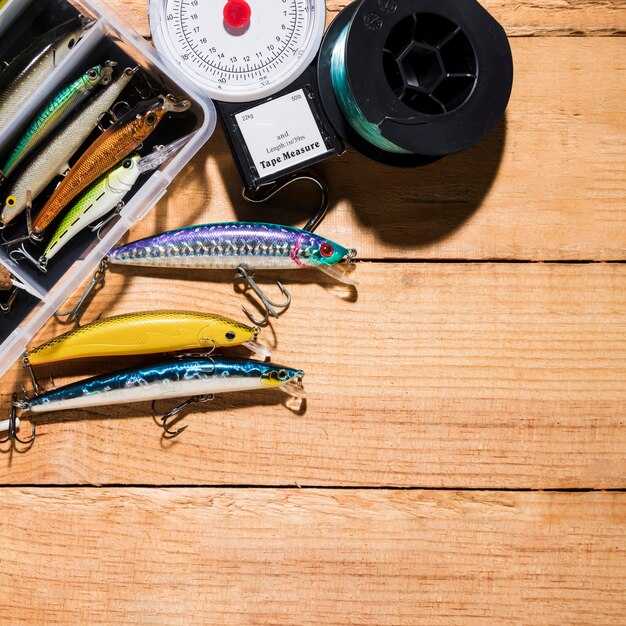
- Dry storage strategy: use waterproof boxes and dry bags near the helm; label locations so gear is kept dry and easy to reach; this will relate to quick access in emergencies.
- Moisture control: silica gel packs in tackle boxes; rotate batteries every 2–3 months; keep electronics in watertight cases to prevent corrosion.
- Balance and placement: store heavy items low to maintain balance and reduce load shift during taking waves; keep enough space to avoid crowding and ensure quick access to safety gear; this wont shift in a rolling boat.
- Sun and heat protection: use UV-blocking cases and shade, avoid leaving gear in direct sun for long periods; brown dry bags help separate damp items from dry items.
Packing List
- Personal gear: PFDs, a compact rain shell, sun protection, and a brown dry bag for sensitive electronics.
- Clothing and footwear: quick-dry layers, non-slip shoes, hat, sunglasses on a retaining strap.
- Food and water: at least enough water for the day (about 1 gallon per person) and energy snacks for bite opportunities; conserve space with portioned lunches on longer trips.
- Tools and tackle: pliers, line cutters, forceps, extra hooks, sinkers; shorter leaders improve accuracy when crappie bite picks up; keep combos ready for bite windows.
- Fishing gear basics: rods in travel cases, spares for reels, a balance of plastics and jigs; adjust drag for smoother retrieves and avoid pulling the line too hard.
- Navigation and power: maps or waypoints, charged GPS/phone backup, spare batteries or power bank for VHF and headlamp.
- Safety documents and planning: license, insurance, medical info, charter rules if you join a charter; print a quick checklist and keep it dry.
- Planning and contingencies: route and weather forecast notes, backup plan for bad conditions, and a small notebook to track what works for you on related trips.
Gear Maintenance, Replacement Timing, and Quick field repairs
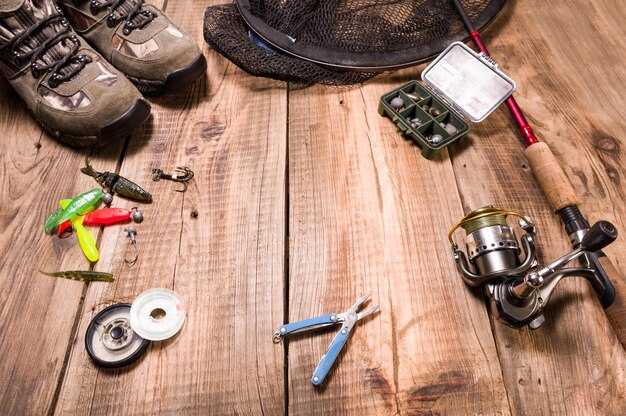
Replace worn main line immediately if you find a hole or visible nick; begin with an arrival check, loop the line through every guide, and turn the reel to feel smooth operation before you cast.
Line and leader timing: choose a medium-heavy rod for battling trophy fish in creeks, and swap main line after 12-18 months with moderate use; in cedros terrain with sharp rocks, swap after 6-12 months. If you detect 2-3 mm grooves, stiffness, or a visible fray, replace immediately. Carry 2-3 spare leaders and swap after 8-12 trips, whether you fish alone or with a partner, to keep gear productive. For hooks, replace when the barb becomes dull or bent; test sharpness quickly by touching the point with your thumbnail; replace after 20-40 hours of fishing. Use standard knots to attach the new leader and create a tight loop for reliable connections. After each trip, review gear condition and note any wear so your rating stays accurate for upcoming trips.
Reels, rods, and graphite components: rinse after saltwater, inspect the graphite frame and tip-top for chips, and oil drag washers if needed. If you use garcia reels, follow their instructions and test the drag stack for evenness; ensure screws and mounting are snug and the handle turns smoothly. Check guides for burrs or missing rings; if you see a sharp edge, replace the guide or apply a small protective wrap. Keep a small set of tools and gloves in your field kit for quick fixes; log any wear you find and plan replacements based on your arrival back home.
Quick field repairs: if line breaks in a tiny snag, tie a back-to-back knot or splice a fresh leader using a tiny piece of line; patch small tears with heat shrink or a tight knot repair; keep spare barbs and pliers to re-shape hooks. If a hook is sharp but bent, replace it and test by gently bending to confirm edge; patch a hole at the leader connection with a tight wrap. Use gloves to protect fingers, and test the repair by taking a short test cast. This keeps you productive rather than stalled when you are taking on creeks.
Arrival routine and packing: review your gear list, prefer redundancy in critical items, and ensure you have spare leaders, barbs, and a small graphite spool ready. If you wont carry a repair kit, you risk delays during a critical bite; maintain a compact tools kit with pliers, scissors, thread, glue, and heat-shrink. Pack food and water for long sessions; store gear in separate compartments so nothing rubs or spins. For a versatile setup, keep one standard rod for creek runs and another medium-heavy option for trophy attempts, so you don’t trade mobility for power. While you are on the road, clean and dry gear, then update your review log; this helps you choose gear you prefer for next arrival and rate success of each session.