


 Svenska
  English (UK)
  Русский
  العربية
  日本語
日本語  한국어
한국어  Magyar
  Türkçe
  Español
  Čeština
  Português
  Ελληνικά
  Suomi
Suomi  Nederlands
  Română
  Italiano
  Français
  Polski
  Українська
  Deutsch
  简体中文
简体中文  Slovenčina
  Center Console vs Dual Console – Pros, Cons, and Which Boat Style to Choose">

Choose a center console if you want maximum visibility and easier access to gear. This layout keeps the deck open and lets the crew move freely, which feels safer on choppy water and excellent for marine activities like fishing, diving, or cruising with the crew. Here you can build a flexible space: you will decide where to mount electronics, rodholders, and a livewell, and the surface remains comfortable under different weather across styles that range from simple coastal rigs to fully equipped offshore boats.
The center console model offers excellent visibility forward and across the cockpit, with an open deck that simplifies movement when handling lines, trolling, or guiding passengers. You’ll appreciate the simpler maintenance: fewer enclosures mean fewer seams to leak, and foam cushions can be replaced quickly if a spill happens. This layout shines on marine activities where you move around the boat, such as bowriders and versatile day boats where the space is used for different tasks throughout the trip. It also manages moderate spray better when navigating choppy seas.
A dual console introduces a sheltered passenger area and a defined seating zone. It reduces spray and provides weather protection for the crew, which is valuable on longer outings or when you run in cooler air. However, it often reduces open deck space and can complicate access to lines and the bow. If you plan to carry more passengers at once or want a family-friendly layout, a dual console can be the better fit.
How to decide depends on your typical days on the water. If you fish, dive, or run multiple short legs, a center console will usually win on visibility, access, and weight distribution. If you carry several guests and prioritize shelter, a dual console earns points for comfort and social space. In terms of price, both styles share similar hulls and can range from roughly $50,000 on entry-level new builds to well over $150,000 for premium setups, with used market options offering substantial savings. Build quality matters: ensure the helm is located at a height that suits your posture, and inspect foam and upholstery for long-term durability. Consider your local marine conditions and the kind of trips you expect to take, then you will decide the best fit.
Here are quick takeaways: center consoles suit active, versatile boats, while dual consoles fit families and weather-conscious riders. If your decision is still tough, test both layouts side-by-side on a similar hull, paying attention to feel, visibility, creature comfort, and access to gear. The difference in their use on the water will guide the final choice better than spec sheets alone.
Key Considerations Before Choosing Your Boat Type
Your priority should be open deck and easy gear handling; center console is the best option for anglers and weekend trips, with options for gear placement along the gunwales and easy access to the helm.
Define your intended use and social crew: weekend cruises with social members, like family, tend to require shaded seating and clear sightlines, while anglers need uninterrupted access to rod holders and tackle.
Think about electronics and visibility: center consoles have electronics located at the dash for easy reach and easily maintain visibility around the helm; hand grips and rails give added security when waves pick up.
Storage and layout options: dual consoles offer sheltered seating and dedicated storage, while center consoles free up larger deck space along the sides for gear, cooler storage, or livewells.
Decision questions: how many members typically join you, what specific needs are needed for shade, electronics access, and safety; what is your weekend usage pattern and budget; do you plan to upgrade components or electronics later; sometimes the obvious choice becomes the best fit.
Plus, compare options across brands and dealers to seal the best fit.
Deck Layout and Fishing Access
The obvious choice for many anglers is the center console, delivering maximum open deck space for casting and easy front-to-stern movement, with a powerful stand that keeps the cockpit uncluttered.
With a dual console, you gain protected space behind the dash that’s great for kids, electronics mounted above the console, and a sheltered path when moving around the cockpit. Sometimes you lose some through-cockpit flow and there’s a noticeable difference in the area available for standing and casting.
Key differences lie in tackle stations, rod holders, and storage access. The center console keeps central access clear and preserves wide side decks, while a dual console creates a more enclosed feel and can narrow lanes between seats. The overall deck layout remains complex.
Fisher-focused notes: the center console makes reach and maneuvering easier during a fight, and you can slide along the gunwale without obstacle. In rough seas, the center console can feel harder to maneuver because you must squeeze past the console when moving between sides. A dual console offers a protected zone to keep a cooler, spare rods, and a windshield for days with spray, though you’ll trade some casting lanes.
Having a central electronics cluster above the dash helps both layouts, with the display visible from the stand and easy to reach while moving. When choosing, consider whether you want electronics above the console or tucked into a protected panel, and how often you’ll fish with kids aboard.
Power planning matters: with a center console you can route a central loom and keep switches reachable from the stand, while a dual console requires careful routing behind seating to prevent snagging on lines and gear. In practice, a clean harness and protected hosing reduce failures and keep electronics reliable in salt spray.
In summary, for the fisher chasing pure deck space and straightforward movements, a center console is the better choice. For family trips with kids who value protection and a comfortable walkthrough, a dual console delivers practical advantages without sacrificing safety. Tailor the layout so the central controls, power sources, and fighting area stay accessible from your preferred stand and reach above the deck, and choose either center console or dual console based on how you fish.
Weather Protection and Passenger Safety
Choose a dual-console layout with full-height windshields and side panels for all-around weather protection; this choice keeps you and your passengers dry and preserves visibility in rain or spray.
Center consoles excel for walk-around access and open bow seating, but protection for guests can lag. To close gaps, add a large wrap-around windshield and optional spray curtains, plus a front panel that deflects spray when docking.
Whichever layout you pick, ensure a clear visibility path from helm to bow. Position rails and handholds at the console edge and walk areas to support safe movement and quick grip during chop.
Located electronics should be in sealed lockers under the console, elevated from splash zones, with gaskets and drainage channels that divert water away from connections; routine checks protect durability and reduce downtime.
For large boats with multiple members, design a sheltered area around the helm and seating so everyone can move safely along the walk and access rails without stepping into the spray. Use non-slip decking and high freeboard to improve durability and prevent slips near engines during rough seas.
Options include full-height windshields, removable panels, spray guards, and weather curtains. Consider your climate, typical area length, dock conditions, and the desired level of enclosure when you make your choice.
Discover the all-around advantages of each layout by testing in real conditions and evaluating ease of use. The popular dual-console setup balances protection with passenger safety, while the center console adds flexibility for anglers; the choice that fits your engines and crew will align with your desired comfort and protection level, plus your electronics protection plan. youve built a plan that fits your area and members.
Storage, Electronics, and Maintenance Access
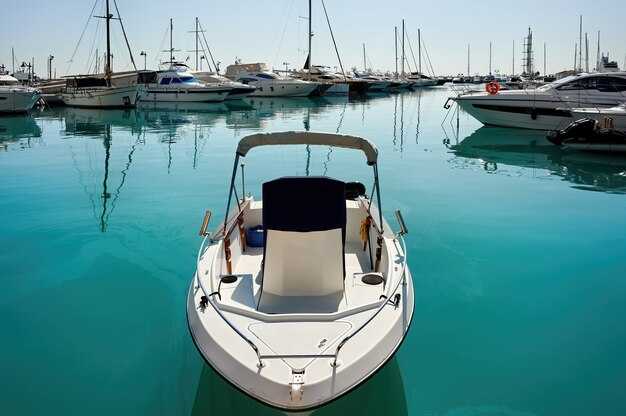
Choose the center console for the best balance of secure storage, easy electronics access, and robust maintenance handling today.
Storage configurations on a center console provide more storage on the sides with lockable compartments and a central dry locker. The obvious name here is to optimize function and space; with militär-grade latches, you keep items secure even in wind and cold. Use a mix of rigid bins and flexible organizers to handle mönster och styles that fit your boat and activities.
Electronics routing is cleaner in a center layout. Run power and data through a protected chase, mount the main display in the center panel for obvious visibility, and keep fuses and breakers in a lockable drawer. In each configurations, keep the wires tidy with grommets and a ventilated back panel; youre ready in tough conditions and prepared for wind and spray.
Maintenance access is straightforward with center mönster. Service ports, battery banks, and bilge pumps stay under a single lid or in a dedicated well, with wide hinges that handle frequent use from both sides. For cold weather, insulate the housing and seal hinges to prevent moisture, and check drain plugs regularly to avoid seepage when the wind picks up.
Today, the center option remains the best choice for many owners, because it offers optimized storage, robust protection for gear and electronics, and easy access for routine checks. If youre planning casual or professional styles, you can tune the configurations with different mönster to match their needs without sacrificing function and security, though center configurations still deliver the most balanced performance.
Seating Flexibility and Social Space
Choose a center console if you want maximum seating flexibility and excellent social space, because the open deck promotes conversation and easy traffic across the hull. This layout typically uses modular forward seating and removable cockpit benches, allowing you to switch from a family lounge to a fishing setup in minutes. For families and groups, the ability to slide chairs, flip backs, and reconfigure cushions keeps the deck feeling spacious and specific to your plan.
Dual consoles deliver wind protection and compartments that shelter passengers, creating more intimate seating zones near the helm. The differences show up in how you host guests: dual consoles tend to offer more enclosed social areas, while center consoles push for expansive deck use across styles. With a dual console you gain good protection during rough water and the option to add amenities like coolers and built-in cup holders, though seating options can be less flexible when you need to maximize deck space for big groups.
Today, customization matters. Center consoles with cutting-edge materials and modular seat modules let you tailor dining, lounging, and sunbathing areas. Older builds may rely on fixed benches, while newer, used models can upgrade with modular seats and weather-ready fabrics. Ensuring comfort across long days on the water hinges on seat foam, backrest angles, and storage value, not just looks. The hull design and deck layout influence where you place extra chairs and how easy it is to move around.
Bottom line: if social experience and seating density win, center console with modular seats offers the most flexible layout and value today. If you routinely chase shade and wind protection for guests, dual console can excel. In all cases, check hull integrity and deck build, measure seating areas, and confirm you can install the needed amenities with confidence. Focus on a specific plan: count guest capacity, typical activities, and how you intend to use the space.
Cost, Value, and Customization Options

Choose center console for the best overall value and customization options; dual console is ideal when you need shelter for passengers and organized storage. In most scenarios, CC delivers more room and simpler care, whereas DC protects the crew and supports family-friendly layouts. The right choice depends on your typical trips, the number on board, and how you plan to load gear. This balance lets you tailor the boat to your area of operation and supplies you expect to carry.
- Upfront costs by layout and length
- Center Console (CC) 20–25 ft: typically $60,000–$140,000 with a basic power package; 26–30 ft: $150,000–$350,000; 30–40 ft: $300,000–$800,000 depending on hull, engines, and trim level.
- Dual Console (DC): adds roughly 5,000–20,000 to comparable CC builds; larger models with premium finishes and enclosed cockpits can lift the gap to 30,000–60,000.
- Long-term value and ownership
- CC models typically hold higher resale demand among enthusiasts for offshore performance and open-deck flexibility; DC models tend to retain value with family buyers who prioritize shelter and seating. Maintenance costs track equipment and engine choices, with electronic gear driving some of the bigger yearly bumps.
- Plan a yearly care budget of roughly 1–2% of the boat’s price for routine service, plus quarterly supplies such as filters, oils, and replacement parts for electronics and pumps.
- Customization options and typical costs
- Layout and seating: adjustable leaning posts, bow lounges, aft benches, or removable seats; expect 2k–15k depending on fabric, hardware, and mounting.
- Protection and enclosures: hardtop or full enclosure (weather protection, rod storage, and privacy); 8k–50k based on size and material.
- Electronics package: multi-function displays, radar, autopilot, VHF, and antenna upgrades; 3k–50k-plus for high-end systems.
- Fishing and storage gear: additional rod racks, live wells, insulated boxes, cooler storage, and fish boxes; 1k–25k depending on capacity and materials.
- Power and performance upgrades: engine options, joystick docking, and propulsion tweaks; 20k–200k depending on horsepower and brand.
- Finish, comfort, and care: upholstery upgrades, non-skid surfaces, lighting, and under-deck organization; 1k–8k.