


 Svenska
  English (UK)
  Русский
  العربية
  日本語
日本語  한국어
한국어  Magyar
  Türkçe
  Español
  Čeština
  Português
  Ελληνικά
  Suomi
Suomi  Nederlands
  Română
  Italiano
  Français
  Polski
  Українська
  Deutsch
  简体中文
简体中文  Slovenčina
 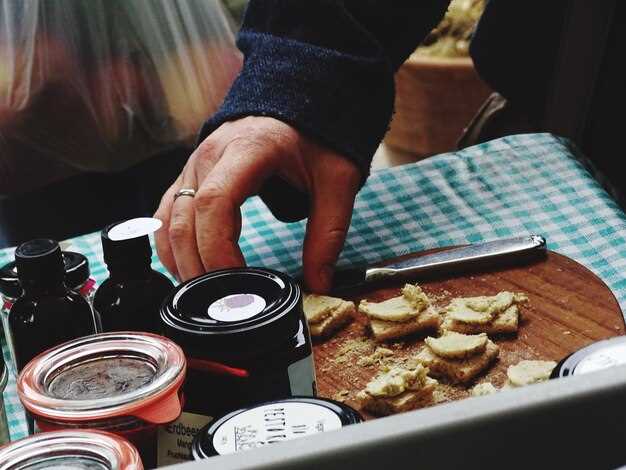 Båtkokning är annorlunda – Viktiga tips ombord för såkra, goda måltider">

Båttillagning " är inte detsamma som på land. På en segelbåt, lyakh eller kroatisk charter, möter du three kärnbegränsningar: begränsat utrymme, begränsad effekt och behovet av att förhindra farliga fire medan du lagar mat. Vår expertvägledning ger practical, fälttestade taktiker så att måltider håller sig goda och säkra, med en kyl som verkligen håller saker kalla och ett kompakt kök som fungerar med dig, inte emot dig.
Plan ahead with a dc-powered setup, plan for icke-förstörbar varor, färska grönsaker och magert kött eller fisk. Lär dig koka, grilla och cook i trångt utrymme, lämna plats för ett wine and a sprite för besättningen, och lågga saker på en säker lockers that are fasadekantad att undvika att de fastnar. Denna metod minskar snubbelrisken. through havet mjukare och förvandlar utmanande dagar till working mlar som knns better och roligare.
Our onboard cooking kit brings the essentials to your deck: en stadig grill, an opener för enkel åtkomst, åt flera varor, och platsbesparande lockers att lagra grönsaker, meats, och en snabb salad. Det är byggt för family måltider, chartering trips, och Yachter besätningar som vill stanna safer och working i harmoni. Spaghetti, fisk och kött dishes are a breeze when you plan ahead and keep the rum for your favorite ingredienser.
Vidta åtgärd. nu och kolla vår posts för expert råd kan du bring aboard. Detta är det essential way to stay beredda, work med självförtroende, och gör varje resa från kroatien till avlägsna hamnar till en kulinarisk succé med mindre stress och mer smak.
Båtmatlagning är annorlunda: Ombordstips för säkra, läckra måltider; 10 saker att veta om matlagning på en segelbåt
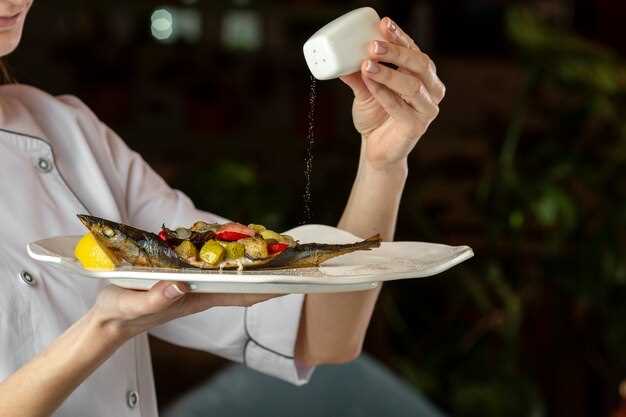
-
Innan avfärd, använd en praktisk checklista för avfärd för att planera förnödenheter för alla ombord, bekräfta kaptenens förväntningar och enas om kommande måltider under resan samtidigt som tillämpliga bestämmelser noteras.
-
Säker och ventilerad matlagningsavdelning: förvara verktyg och utrustning i fasta hyllor, minimera lösa föremål, upprätthåll god ventilation vid matlagning och hantera skräp snabbt för att uppfylla föreskrifter.
-
Medvetna matlagningsstrategier: kombinera en kompakt grill eller spis med energieffektiv kokkärl, spara resurser för personer ombord och ha en enkel plan för att förbereda måltider när strömmen är begränsad, redo för gäster.
-
Livsmedelssäkerhet och förvaring: planera för frukt, äpplen, kött och andra förnödenheter; använd kompakta kylväskor eller isolerad is där det är möjligt, övervaka vattenförsörjningen och följ ren hantering för att undvika korskontaminering med redskap och ytor; när det är tillåtet, kan en lätt vinparning förstärka måltider för gäster.
-
Lagningsmetoder som lämpar sig för segelbåtar: omfamna en kombination av sjudning, ångkokning och gryt- och one-pot-recept; håll ingredienser som nudlar och soppa enkla, praktiska och pålitliga när du seglar över havet med en liten galley.
-
Menyplanering och urval: utforma en sjömansvänlig repertoar med mångsidiga produkter, notera gårdagens rester och håll gästerna nöjda med smakrika, balanserade måltider som passar inom kaptenens strategi och båtens resurser.
-
Säkerhet runt eld och utrustning: säkra grillen, spisar och kokkärl, använd halkfria mattor, se till att det finns ordentlig ventilation, tillgång till brandsläckare och undvik matlagning nära ledningar eller elektronik under segling; de kommer att uppskatta säkra installationer under grova förhållanden.
-
Föreskrifter, tillstånd och avfallshantering: bekanta dig med lokala regler i hamnarna, håll dig till en strikt plan för hantering av skräp och undvik att slänga något överbord; ha ett tillstånd om det krävs för vissa spisar eller bränslen, och planera att hantera avfall ombord ansvarsfullt.
-
Experience and learning on sailboats: over the years, refine strategies by observing what works best for your crew and conditions; in places like the Bahamas, use aboard examples from other sailor friends and adjust to your captain’s preferences.
-
Practical takeaways and resources: maintain a central checklist, store a core selection of recipes and provisions, and build a simple water- and power-conscious routine that scales from small meals to larger gatherings with guests or crew.
Key Onboard Cooking Considerations for Sailors
Onboard cooking demands different considerations than land kitchens. Plan ahead and stay equipped with essential gear to cook safely and deliciously. Stock a variety of staples so you can make noodles, spaghetti, soup, salads, or snacks without delay. A well-organized galley helps you adjust along with weather and motion and keeps morale high among friends aboard.
Layout and equipment matter: a counter that fits the space, a cooker with a small but sturdy setup, and a ventilated area to manage steam. Use a beveled knife that stays sharp, along with smaller utensils and canisters, to keep tools secure during heavy seas. Ensure you are equipped with essential cookware like pots and pans, a grill or griddle, and a robust kettle for coffee in the morning.
Storage and safety: maintain ventilated storage for fuels and food, keep water reserves and amount of fuel within limits, and secure canisters to avoid motion. Use smaller containers and be mindful of weight and balance; such planning reduces risk during rough seas. Rotate perishables and freeze items when possible to extend shelf life.
Food safety and preparation: follow guidelines for cleaning, freezing, and cooking. Boiling water to rehydrate or cook noodles, mushrooms, or canned soups should be done with care. Always monitor heat and avoid boiling over; this is especially important when the boat rocks, because motion can splatter and spill. Keep water and soups in sealed containers.
Meal planning and variety: when you are in croatia or visiting coastal towns, use market finds and local ingredients to diversify meals. You can stock fresh vegetables when you reach safe ports, but also rely on dried goods for times when markets are far away. A mix of noodles, pasta, salads, and canned snacks provides variety along a voyage. Plan ahead to have enough supplies for several days, including coffee, beer, and other beverages to keep morale high. Such planning reduces improvisation under pressure and helps you mean fewer last-minute runs to the market.
Cooking methods for different conditions: on calm mornings you can prepare grilled dishes or sauté with a small grill or pan, keep the space well ventilated, and use a counter setup that stays stable. A simple grilled dish or a soup can be made with minimal fuel and time; an adequate amount of fuel keeps you cooking through the voyage. When weather worsens, switch to boiled noodles, canned soups, or salads that require less heat and less motion. This approach is best for small galleys.
Pre-departure planning and teamwork: pre-departure checks and guidelines help you be prepared ahead of time. Keep a checklist of utensils, cans, canisters, and essential spices. Having plenty of supplies avoids last-minute scrambles. Use simple counter-top setups for coffee and a strong kettle to support a morning routine. A well-stocked galley keeps room for guests and simplifies meals.
Safety mindset: never leave a burner unattended, keep combustibles away from heat, and secure items to the bulkhead to prevent them from becoming projectiles in heavy motion. If you need to save space, you can stack smaller containers and use beveled edges on jars to avoid cuts. Keep the same routine for cleaning, and immediately address any spill or leak. The crew will appreciate a shipshape kitchen that can stand up to rough seas and long passages.
Creativity and companionship: cooking onboard can be fun and social. Involve friends, share wins and funny mishaps, and plan simple, easily prepared meals that everyone can help with. A stock of essential items like coffee, water, and snacks ensures you can feed guests at a moment’s notice. Clear guidelines, plenty of organization, and a sense of humor help you manage the galley’s space, even when you are tired after long watches. Adding variety to the menu keeps things interesting over multiple legs and motion days. If youre new to long voyages, involve friends to share tasks.
Stability-First Kitchen Setup
Stability on board starts with a deliberate layout that keeps motion controlled and balance steady. Move the heaviest cookware and fuel to the lowest built lockers near the centerline, and use non-slip mats to reduce movement. Planning ahead helps you keep the most used items within reach and forget risky reaches during rough seas. This approach reflects the best practices for boating and works whether you’re underway or docked.
Storage and organization support safety and sustainability. Store clothing, towels, and tools in dedicated lockers, and keep fuel and pantry items in sealed containers to prevent leaks. Create a simple disposal plan and use a small trash bin that can seal; this prevents odors and avoids clutter underway. Follow guidelines to prevent injury and maintain a safe working area for many crew members, frequently checked by your friends and family, including grenada and croatian cooks to expand your ideas. This approach yields huge safety gains. An expert approach from real boaters adds practical guidance.
Cooking on a boat requires equipment that moves with the vessel. Secure all cookware with brackets and use a dedicated grill area that remains level during motion. Simple, great recipes like stews, beans, and soups make it easier to use one-pot techniques. Keep butter within reach and avoid melting near heat sources that shift. If you want to explore international flavors, croatian foods or grenada-inspired dishes can be prepared using a compact skillet and a reliable source of heat. A small bottle of wine or coke can accompany meals, but always sip with care and keep cups secure to prevent spills while boating.
In the galley, safety is built into every step. Begin with a plan that ahead of time assigns a safe path through the cabin, ensuring you avoid heavy lifting during motion. permit proper ventilation around heaters and keep clothing and towels away from flames. Secure all cookware with brackets or velcro straps, and place the biggest items near the center where they won’t shift. Use disposal containers that seal to prevent odors and spills. When you cook, consult sources from pelagia, grenada, and croatian cuisines to expand your ideas, but keep the workflow simple and sustainable to prevent clutter and injury. Learn from their setups on other boats to strengthen your own.
During underway conditions, move slowly, keep your balance, and plan where to place eaten items and disposal scraps. itll require discipline, but itll keep your life onboard safer and your guests happier. Use cookware built for marine use and secure all items during motion. Maintain a routine that you and your crew can repeat, and visit links to guidelines often to stay up to date. If the motion rises, take a break and secure the galley to prevent spills.
Secure Fuel, Lids, and Fire Safety
On boats, secure fuel handling sets the tone for safe, enjoyable cooking. Move fuel containers only when the stove is off and the area is ventilated; never leave them near open flames or hot surfaces. When needing to cook, keep the supply and resources stored in locked, ventilated cabinets away from the galley work zone. Mind your steps and anchor your routine to simple safety checks, especially during rough seas. Garbage should be in a closed bin, kept away from heat, and disposed of at the earliest opportunity; maintaining order in the galley early in the voyage helps everyone stay prepared, even when you’re trying something new in the morning.
Securing lids and managing heat: keep lids on pots and pans to prevent boil-overs and flare-ups. This practice helps control heat and protects crew in the galley. itll improve safety when the vessel rolls. Place small boards under heavy pots to stabilize them on a moving deck. In any weather, keep the galley well-ventilated to limit fumes and maintain a clear path to exits. This approach is helpful for everyone on board, and you can recommend it to new crews.
Fire safety actions: have a working fire extinguisher within reach and a metal lid to smother small fires. If flames appear, turn off the stove immediately, cover the pan with a lid if safe, and press the extinguisher’s lever in a controlled manner. Back away and alert everyone. This helps prevent spread of fire and protects everyone on board. If it were necessary during heavy seas, rely on the crew and follow the drill without hesitation. Having a practiced plan reduces stress and thinking under pressure.
Fuel and waste management: store fuel in well-ventilated lockers away from the watermaker and heat sources. Freeze any perishable items and keep them in a dedicated cooler, away from the stove. Garbage should be kept in closed, ventilated bins and removed frequently to prevent odor buildup. Balance cooking with the resources you have on board; resist having too many dishes at once. Have a small bottle of water on hand, plus snacks and basic tools, so you can stay nourished without needing to rely on shore restaurants. Where possible, keep things well organized. This will require careful planning and a calm mindset. These practices stay practical when space is limited and you’re cooking on stoves and boards.
Recipes and culture: wear clothing that minimizes loose fabric near flames. Where space is tight, follow simple recipes like bake, spaghetti, pasta, and meat dishes. This small culinary approach keeps meals enjoyable and manageable even when limited by conditions. It takes practice and teamwork; everyone helps keep the galley working. sprite and water are fine hydration options, but bottles should be secured and kept away from heat. carolyn learned from limited restaurants that a small setup can be great. They cook using foods that travel well, build basic recipes, and enjoy meals with confidence. If something seems off during service, think through the plan, stay calm, and press ahead with safe steps. This approach makes morning meals enjoyable for everyone.
Power Management for the Galley
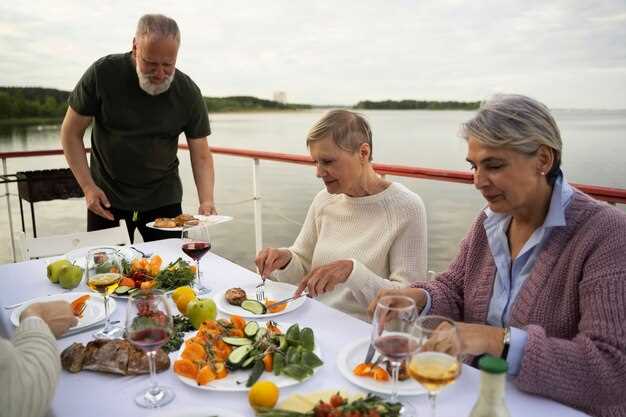
A helpful power-management mindset begins pre-departure. On every yacht, a practical strategy keeps the galley flexible, safe, and delicious. Prepare in advance for days at sea: map shore-power availability, charge batteries, and define guidelines for cooking, refrigeration, and garbage handling. By the time you cast off, your galley is equipped with the essentials–utensils, tumblers, a thermos, a bottle for drinks, and proper storage for foods and produce.
Power sources and load planning keep the galley reliable. Whether you are docked at a quiet marina or cruising open waters, shore power when available, plus a careful battery strategy, minimizes generator runs. In yachts, this becomes a crucial discipline; plan energy-intensive tasks–baking, boiling, or steaming–into blocks, approximately every two hours, then advance the next steps so you are not starting multiple appliances at once. By clustering tasks, you reduce peak loads and give yourself a comfortable margin to store cold items properly and maintain safe temperatures for foods and produce.
Cook smarter, not harder. A strategy of batch cooking saves energy and time. When you bake or simmer, plan for multiple meals–lunch, dinner, snacks–so you can simply reheat the same batch rather than starting from scratch. Keep a pot of soup warm in a thermos or at low heat until service, and remember to open only when needed to minimize temperature swings. For garlic or herbs, a garlic press saves energy and reduces prep time. For vegetarian nights or fishing trips, mushrooms and other produce can be sautéed once and stored safely for later use. If guests finish foods, note what was eaten to adjust portions for the next days.
Storage and safety matter as much as the cooking itself. Use a sensible bottom-to-top system in the refrigeration area: top shelves for ready-to-eat items, bottom for mushrooms and heavy containers. Keep plastic containers labeled with dates to minimize food waste, and a clear strategy for garbage disposal to avoid smells and pests on long voyages. Always bring and use a set of tumblers, bottles, and utensils that are easy to clean; washing dishes on a rolling runner or in a dedicated sink helps keep the galley tidy and efficient. Remember to pre-portion foods and store leftovers in the freezer if possible, which reduces waste and keeps meals safe for days.
Before departure, run through a short checklist: pre-departure guidelines, verify that essential equipment is equipped, stock stores of staples, including coffee or tea in a thermos, and select favorite items. Choose a durable, energy-efficient selection of cookware that can be stacked and stored compactly. Learn from issues on past trips and apply what you learned to avoid repeating mistakes. Keep a spare bottle, spare tumbler, and a small press for sealing bags. Where possible, use reusable containers to reduce garbage and plastic usage.
Operational guidelines for daily use: run only needed appliances for the minimum time, set timers, and use a utensil to stir without lifting lids, reducing heat loss. Push the limits of the power management strategy with a few smart habits you can rely on when docking or anchoring. Keep a small plan that remembers your favorite meals–protein-heavy lunches or simple mushroom sauces–and adapt the menu to available stores, whether you buy produce at markets or catch fresh fish while on fishing trips. When you open a bottle or pour from a thermos, do not leave caps loose; secure lids to avoid spill and waste, which will save water, energy, and time.
Storage, Cooling, and Perishable Planning
On sailboats aboard, storage discipline is essential for life afloat and full-time cooking. The challenges of small galley space require a clear plan: store non-perishable items in dry lockers, stored away from heat, and keep dried beans, rice, and pasta in airtight containers. Vegetables and other perishables should be kept in cooler zones where possible to extend shelf life. Sometimes the safest choice is to cook in cycles and rotate stock, so something fresh remains for the crew. When the boat is heeled, stored items must be secured. Remember that life at sea means many constraints, so everyone contributes to keeping the galley safe and organized.
When the boat heels, stowage rules change and stored items must stay secure. For going underway, keep the most used items on the two-burner stoves and ensure raw proteins stay separate from prepared meals to stay safer. Use a press-seal bag or proper containers to portion soups and sauces; such prep saves time during busy passages, and everyone benefits from prepared options. A thermos can keep drinks warm or cold, and bottled drinks should be stored in a cooler or dedicated locker. In life aboard, use such systems to minimize waste and keep the galley organized. Keep pans within reach on the stove for quick prep during long watches.
Before departure, pre-departure planning helps avoid the bottom of the pantry becoming a scramble. Map out a three-to-five-day prep plan, then extend it for the first passage and for the rest of the trip. When weather changes, you may switch to more canned or dried items; plan for three meals plus lunch options like sandwiches. The fridge and freezer should be used for perishables, while the dry lockers handle the rest. For Mexico-bound trips, keep a ready supply of bottled water and a few Coke cans for morale during long watches. The captain’s example shows how such routines stay safe and efficient, and these insights can be reinforced by links to storage guides and prep lists. Early in the voyage, keep the plan flexible to adapt to changing conditions.
During the voyage, maintain a simple, repeatable system: rotate stored items so that the oldest are used first, and keep a running list of what’s in the fridge, freezer, and lockers. Such insights reduce challenges, keep life aboard safer, and preserve good food for lunch and dinner. Place vegetables on the bottom shelf of the fridge where cold air settles; dried beans and non-perishable staples stay in dry lockers. When you are underway or staying aboard, use the bottom rotation to prevent spoilage and avoid waste. Remember to rely on your thermos for hot drinks and a mixer for sauces when cooking on a small cooker; this helps you stay prepared and flexible in changing conditions. Storing food for yourself and your crewmates means labeling and dating containers to prevent cross-contamination and to make the most of every bite during the trip.
| Item | Storage | Tips |
|---|---|---|
| Vegetables | Fridge or ventilated bin | Store in cool, dry space; use bottom shelf when possible |
| Beans (dried) | Lockers or dry storage | Keep in airtight containers; rehydrate as needed |
| Non-perishable staples | Dry lockers | Rotate stock; label dates; use within safe window |
| Frozen meals | Freezer | Portion and label; thaw during prep only when underway |
| Bottled drinks | Fridge or cooler | Håll tät; använd en termometerflaska för varma drycker; håll dig hydrerad |
| Färskt kött eller fisk | Kyl/frys bottenhylla | Håll temperaturen säker; tillaga snabbt |
Enkelmat och tidsbesparande förberedelser
På en liveaboard kan en enda gryta täcka de flesta måltider. Dina favoritrecept blir enklare när du håller ordning i utrymmet och planerar i förväg. De största vinsterna kommer från att tänka igenom varje steg, enkelt, och att hålla sig lugn under en grov passage. Om båten kändes instabil, gör den här metoden matlagningen mer förutsägbar, även när haven är utmanande. Den här metoden kan verkligen spara tid.
Starta med tre kärnelement och bygg vidare därifrån: en grytbas (spaghetti, bönor eller ris), ett protein (kött eller ägg) och en smakförstärkare som fungerar (torkade örter, konserverade tomater eller grönsaker). Att ha en liten mängd icke-förstörbara varor hjälper dig att laga mat enkelt och undvika stressiga resor till marknaden. Att ha dina favoriter till hands gör det enkelt att öppna skåpet och börja laga mat i en gryta. När du väl hittat din rytm går måltiderna ihop snabbt. Ofta lönar sig den här uppställningen när utrymmet är begränsat och måltider måste förberedas snabbt.
Tre praktiska rätter att ha på gång i en enda gryta är: 1) Spaghetti med bönor och grillat kött; 2) Krokatien-inspirerad lins-pasta med en skvätt vin; 3) Äggröra med grönsaker och sallad. Dessa tillagas och är klara efter en kort uppkokning, kräver endast redskap och kastruller, och kan servera lunch eller middag för besättningen. De följer ett liknande mönster: bryna, sjuda, krydda och smaka.
Effektivitet och säkerhet i trånga utrymmen: använd en kastrull för att minimera elförbrukningen och maximera bränsleeffektiviteten. Förvara snabbfördärvliga varor i kylen och förlita dig på kylning för längre resor, men förlita dig på icke-fördärvliga basvaror när elen är begränsad. Efter matlagning, låt dem stå i kylen eller frysen för att bevara smakerna. Om du är ute till sjöss i flera dagar, lämna inget åt slumpen och planera för rester, minskad soptillverkning och enkel städning. Och kom ihåg att undvika att skräp hopar sig i pentryt.
Verktyg och butiksrutin: ha tre essentiella stekpannor ombord och några redskap inom räckhåll, så att du kan arbeta med självförtroende och minska tillagningstiden. Marknadsbesök blir enklare när du planerar måltiderna i förväg och inkluderar icke-förstörbara basvaror som tål en tuff sjö. Under åren har du lärt dig att denna metod är lugnare, bättre och mer enad för besättningen. Om en rätt verkar smaklös kan en skvätt vin, Cola eller en kall öl justera balansen och hålla smakerna bekanta. Använd resterande ingredienser för att skapa en ny rätt och håll måltiderna varierade. Rester eller använda ingredienser kan återanvändas också, vilket minimerar matsvinn och fyller kylen för senare.
Med övning känns dessa metoder som lagas i en enda kastrull lugna och mindre skrämmande. De är bättre när du håller ett stadigt tempo, håller dig samlad med besättningen och balanserar förberedelse, tillagning och kylning. Vanligtvis fungerar samma metod i en liknande båt, även under en stormig passage. Brandsäkerhet är fortfarande viktigast: lämna aldrig en låga obevakad, och om du måste gå, släck den ordentligt och städa upp för att undvika rester och lukt. Denna metod kommer att bli din pålitliga lösning för luncher, middagar och snacks, oavsett väder.