


 Svenska
  English (UK)
  Русский
  العربية
  日本語
日本語  한국어
한국어  Magyar
  Türkçe
  Español
  Čeština
  Português
  Ελληνικά
  Suomi
Suomi  Nederlands
  Română
  Italiano
  Français
  Polski
  Українська
  Deutsch
  简体中文
简体中文  Slovenčina
  Best Great Loop Boats – Top Picks for Your Great Loop Adventure">

Start with a 40-44 ft diesel-trawler style motor yacht för din Great Loop. Den erbjuder tillräckligt med utrymme för två till tre ombord, en beprövad räckvidd på 1 800–2 400 sjömil vid 8–9 knop och en stabil plattform som hanterar flod- och sjösegment med tillförsikt. I marknadslistor har dessa båtar varit de mest konsekventa säljarna till mitten av marknadspriser, och marknaden öppnar tillräckligt med alternativ för att skräddarsy en layout som passar dem. Skrovlinjen förblir hanterbar genom Hudson River-slussarna, Erie Canal och sjöarna.
För resor med flera ändamål och ensamseglingar, överväg 36-40 ft pilothouse or compact trawler with shallower draft (2.5–3.5 ft) and a single engine with a bow thruster. These boats deliver 1,200–1,800 miles of range at 7–8 knots and excel in tight port approaches, especially around the hudson corridor, river ports, and canal sections. Their interiors provide a practical layout with a full-size galley and a couple of berths, which keeps living costs in check while still offering multiple options for gear and provisioning.
Toppval baserat på användningsfall inkluderar: 1) 40-44 ft diesel-trawler för daglig looping med 1800–2400 nm räckvidd vid 8–9 knop, 2 kabiner och 600–900 gallons bränslekapacitet; pros visa stabilitet och enkel hantering genom floder och slussar; interiören erbjuder stående utrymme och höjder runt 1,65 meter i salongen; för den genomsnittliga ägaren ligger priserna typiskt sett runt $350k–$650k. 2) 45-50 ft long-range twin-screw med 900–1200 gallons bränsle, 9–11 knop och ett robust pilothus; förvänta dig räckvidder på 2000–2600 nm och prisklasser $700k–$1.2M. 3) 40-46 ft power catamaran erbjuder dubbelhytt och 2–3 motoralternativ; utkast 3–4 fot, mycket stabil i sjöar och öppna flodsektioner, med värden i intervallet $500k–$900k begagnat.
När du jämför alternativ, verifiera bränsleflexibilitet, elektrisk redundans och förmågan att sova bekvämt i flera veckor. Leta efter båtar som öppnade marknaden för hanterbara hamnuppdrag och kanalpassager, och testa layouten i verkliga hammanövrar, särskilt nära Hudson och andra trafikerade kanaler. En väl vald båt håller resan möjlig, medan några smarta uppgraderingar förvandlar en bra båt till en verkligt smidig följeslagare runt den stora slingan.
Praktiska kriterier för att jämföra de bästa Loop-båtarna
Välj ett förskjuten skrov i viktklassen 12 000–14 500 lb med ett pålitligt konditioneringssystem och en bred barlängd för stabilitet över långa etapper av den stora resan.
Förflyttning och skrovform påverkar marschprestanda och manövrerbarhet vid närmande av broar och inträde i inlandsvatten. Denna kombination ger förutsägbar hantering även med skiftande laster under en längre etapp av resan, och minimerar trimförändringar under passage genom slussar i trånga kanaler.
data visar att ett beprövat konditioneringspaket – kylning på sommaren och uppvärmning under mellansäsongerna – håller besättningen pigg och hjälper till att bibehålla schemat, även på nordliga etapper när höstnätterna blir kyliga.
Exempel på layouter i spannet 40–45 fot ger vanligtvis 2–4 kojplatser, 60–120 gallon vatten och 300–600 gallon bränsle, vilket ger en bekväm daglig räckvidd och en gedigen kryssningsresa.
När du utvärderar storlek, föredra en design som balanserar innerymme och däckanvändbarhet. En Fairline-layout kan erbjuda ett välutnyttjat fotavtryck vid en given storlek, vilket är viktigt i inlandsområden där brygganord finns trång och vattendjupet varierar.
Viktiga kontroller inkluderar närvaro av mast för hybrid- eller segelalternativ samt framdrivningssystemet. Även om de flesta Loop-båtar är inriktade på motor, verifiera motorredundans och servicebarhet, särskilt på norra rutter med längre etapper.
Kostnader och utgifter: uppskatta total ägandekostnad genom att addera underhåll, hamnavgift, försäkring och bränsle; exemplet nedan visar typiska räckvidd för en säsong i norr på inlandskanaler. Använd dessa siffror för att sätta en budget innan du förbinder dig.
För att jämföra mina korta lista med alternativ, förlita dig på tydliga data som belyser förflyttningen, storleken, broarnas frigångshöjd och konditioneringskapaciteten; detta ger dig en rak framställning av vad varje modell erbjuder och vad du bör ignorera. Anteckningen refererar också till источник som en källa till siffrorna.
| Kriterium | Typiska intervall | Anteckningar |
|---|---|---|
| Storlek (fot) | 38–44 | Påverkar innre utrymme och hamnplats; balansera med användbarheten på däck |
| Förskjutning (lb) | 12 000–14 500 | Större förskjutning förbrättrar spårning och stabilitet nära broar |
| Bränsletankvolym (gal) | 300–600 | Påverkar dagsrutter; planera för 6–9 knop för lägre utgifter |
| Vattenkapacitet (gal) | 60–120 | Avgörande för höstkryssningar; större tankar minskar påfyllningar |
| Berths | 2–4 | Match crew size and guest visits; consider privacy in layout mine |
| Cruising speed (knots) | 6–9 | Lågre hastigheter gynnar bättre förbrukning över långa sträckor |
| Motorer (total hk) | 500–900 | Balansera kraft med bränsleförbrukning; redundans är viktigt |
| Bryggfrihet (fot) | 10–16 | Kontrollera rutter med låg frihöjd; planera därefter |
| Mast | Ja/Nej | Välj om du behöver antennhöjd eller segel; kontrollera riggen |
| Kapacitet (BTU) | 24é 000–48é 000 | Högre kapacitet förbrättrar komforten under höst- och axelårstiderna |
| Inland suitability | Yes | Bästa valen hanterar kanaler, slussar och tajta svängar |
| источник | – | Data referens |
Fuel range and fuel consumption estimates
Recommendation: choose a boat with a usable fuel range at economical speed that comfortably covers your longest planned leg, plus a 20–30% safety margin. For typical Great Loop boats, aim for a practical range of about 1,000–1,700 nautical miles at 7–9 knots, depending on hull design and load. Build your plan around weather, currents, and detours, and track fuel consumption monthly to spot drift from the design targets.
- Displacement/Trawler (35–40 ft): fuel capacity 300–700 gallons; cruise 6–9 knots; burn 5–12 gph; estimated range 500–1,200 nm at economical speeds; bigger tanks extend range, while sanitary fueling and checking fittings keep operations clean. Useful for inland hops and lagoon trips on the loop.
- Semi‑displacement (40–50 ft): fuel capacity 600–1,200 gallons; cruise 8–12 knots; burn 8–18 gph; estimated range 700–1,900 nm; designed for steadier speeds and longer legs between towns like York and other inland ports; plan with 1–2 fueling windows to stay on schedule.
- Planing/fast cruiser (35–45 ft): fuel capacity 350–900 gallons; cruise 15–22 knots; burn 20–60 gph; estimated range 300–900 nm; heavier use at higher speeds reduces range, so reserve margin is essential when looping the coast or crossing lagoons and bays.
How to estimate your boat’s range in practical terms
- Identify your engine’s gph (gallons per hour) at each cruising speed you consider frequent on the loop.
- Compute hours available per full tank: hours = fuel capacity (gal) ÷ gph.
- Convert to range at each speed: range (nm) = hours × cruise speed (knots).
- Use a conservative factor (20–30%) for weather, currents, and detours, then compare to your longest planned leg.
- Check real data from months of boating; record average gph at each speed and review any drift from the original designs.
Practical fueling strategy for planarity and inland legs
- Always plan fueling windows where reserves are visible in the logs–routine checks reduce the risk of running dry during looping days near river mouths or York River access points.
- Keep the sanitary area clean and dry; check the vent lines, fill caps, and strainers before every long leg.
- Carry a buffer of 20–30% beyond your calculated range to accommodate unexpected currents or weather delays; this “whole” safety margin protects the schedule and comfort on longer hops.
- For bigger trips through lagoons and inland passages, map your route with an eye toward reliable shore facilities and fuel stations that align with your windows and plans.
- Document your average consumption per month; use the data to adjust speed you can maintain without sacrificing comfort or shower breaks.
Tips to optimize range and comfort on an American‑built yacht or catamaran
- Use the economical speed, typically the slowest steady pace that still keeps you on schedule; this is the fastest way to extend the ranger of your trip.
- When in doubt, drop the throttle a notch and observe the effect on gph and range; the difference can be substantial, especially while cruising through inland stretches with currents.
- Keep a running number of gallons remaining and estimate hours left until the next safe stop; this helps you decide where to anchor for the night or pull into a marina for a tidy shutdown and sanitary checks.
- Document the design intent of your tank arrangement; some designs distribute fuel across multiple tanks, which can alter how you calculate range as fuel moves between tanks on certain maneuvers.
- Leverage open water crossings or long lagoon passages to log fuel data; an incredible dataset grows from consistent logging, like a Tumblr of your boat’s performance over months of use across different seas and currents.
Common references for planning and checking ranges
- Keep a running table of your engine’s average consumption at 6–8 knots, 8–12 knots, and fast speeds; use these numbers to estimate range for each leg.
- Where you refuel can determine your schedule; plan your loop around reliable inland ports and major hubs with sanitary facilities, showers, and windows for maintenance and rest.
- Most boaters want predictable performance; test your range with a full tank on a calm day and again after months of use to verify the ongoing numbers.
- When you publish your plan or share notes with the crew, include the long legs and the shorter hops so everyone understands the whole strategy.
- Be mindful of the “bigger” tank option if your plan includes long cross-stitched routes; a larger tank translates to fewer stops and a smoother looping experience for the crew.
- Check your tank capacities and replenishment options before you leave shore; the more precise your fuel design and the better you track the windows for refuel, the less you worry about getting stuck far from a shore facility.
- Remember that a solid fuel plan improves safety, comfort, and the overall experience for boaters on American-built hulls and those cruising near lagoon shores or inland routes.
Hull design, stability, and sea-kind handling
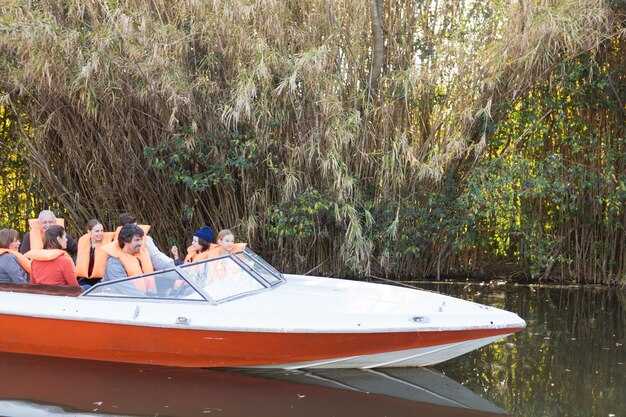
Go with a hull that combines a moderate V, a wide beam amidships, and ballast kept low to the bilge; this setup would give you steady control in rough waters, keep the captain comfortable, and make long trips more predictable.
For loop cruising, a mono-hull with a deep forefoot and spray rails tracks well in chop, while a northern ranger style hull prioritizes stable displacement and predictable motion in open water. Since docking and crosswinds around port corridors are common, choose a design with balanced ballast and centerline weight to keep heel modest. In winter around seattle waters, choose a hull with buoyant bow and a dry deck to preserve visibility.
Keep ballast low and midships; place heavy fuel and water tanks low in the bilge to lower the center of gravity heights and reduce rolling. Required metrics include ballast position, beam, draft, center of gravity. Print the spec sheets to compare GM, freeboard, and damping characteristics across options. Look for a hull that maintains comfort when wind rises and waves come from the side, so navigation remains precise at 6–8 knots during crossings and near harbor approaches.
In practice, ensure you have trim tabs or stabilized fins if budget allows; this helps suppress tight rolling and improves response to helm input. For long passages, a hull with good damping preserves speed without adding fatigue to the captain and crew, keeping the living area comfortable through the watch and in winter conditions.
Interior layout for long trips and liveaboard comfort
Recommendation: Start with a practical, convertible dinette layout that frees a dedicated sleeping area and a private head. A bigger midship salon with a U-shaped dinette that converts to a sleeping berth keeps lounging comfortable and delivers a full-time bed for long trips. Place the galley forward of the main cabin to keep noise and odors away from sleeping quarters, and ensure a clear, unobstructed path to the heads. This setup is very efficient when you are at the marina here or at the docks after a day on the water.
Among diverse models, Leopard catamarans stand out for liveaboard comfort. Leopard models offer ample hull storage, under-bed drawers, and a second heads option, which helps privacy. In winter, heated cabins and consistent cabin temps keep sleeping areas comfortable. Read the specs here to compare berth sizes, beam, and gross tonnage. Illinois-based loopers often favor these layouts for their maneuverability when docking at busy docks and marinas.
Maximize storage by using under-seat shelving, step-up storage, and hanging lockers in every cabin. Tie-downs (knots) on deck items keep gear from shifting while underway. Use waterproof, wipe-clean surfaces in galley and heads to reduce maintenance during long trips. For sleep quality, install acoustic insulation around berths and use blackout shades. Always ensure the bed orientation faces the most stable hull, not the salon, to avoid roll during rough seas.
Time aboard a loop boat means you need the galley to function with a compact footprint. Storage in two levels, with ceiling-height lockers, keeps daily routines smooth and reduces clutter. Owners asked about the best heads configuration and many choose a split-head plan to avoid morning queuing. cailtte’s notes highlight galley stability and a strong countertop edge to host small appliances. More exotic layouts add a mezzanine or a second sleeping cabin if you plan longer time on the water.
What matters most is a configuration that minimizes motion impact on the bed, keeps the heads and galley easy to reach, and preserves maneuverability under power or sail. In americas, the Leopard models with modular interiors score high marks for cruising comfort; always verify a well-insulated hull and a dedicated charging station for long trips on winter seas and extended time on the water.
Docking, maneuverability, and marina logistics
Make docking easier by choosing a vessel with a bow thruster and a stern thruster; over a year of real-world testing, crews report that this setup, making docking repeatably smooth, especially on long-distance legs and in gusty marinas.
In marina operations, plan ahead: foredeck visibility, set fenders, and secure two spring lines to the bow and stern so you can pivot with the gusts; when approaching locks on lake erie or other canals, coordinate with the harbor master to avoid blocking traffic. Important: secure slips in advance to keep a tight schedule across the years you spend on the loop.
Maintain speed to 6 knots or less in marinas; use thruster-assisted turns to align with slips, then ease forward. Practice docking in open water first; each maneuver becomes easier again after a few reps, and you’ll gain confidence that lasts years of Loop travel.
In the market, the choice should balance long-term reliability with cost; the average dockage can vary by region, and investing in gold-level features like a robust thruster system and clear foredeck visibility can improve market resale value. Think about suitability for your typical routes and that your budget supports maintenance for years of use.
For fishing enthusiasts, a broad foredeck and accessible lines help keep gear ready without crowding the cockpit. A vessel that handles like a mastodon in tight spaces reduces stress during busy passages; give yourself room to maneuver, because small errors multiply in locks and crowded marinas. Cons include the extra weight and maintenance of thrusters, plus higher initial cost and ongoing battery needs, but the long-term benefits often outweigh the downsides when you plan the year-long loop.
Maintenance planning and parts availability along the route
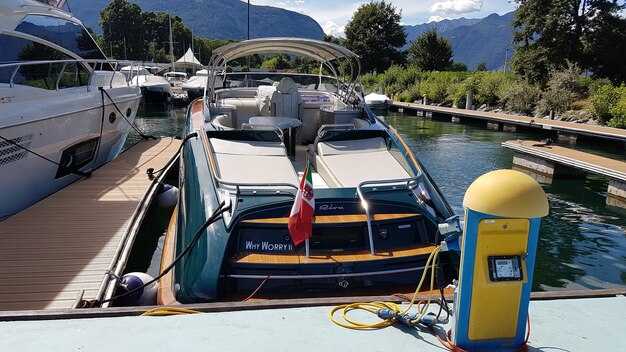
Maintain an absolute, route-wide spare-parts plan and a maintenance calendar that covers every leg of the loop. This accomplishes fewer delays and keeps safety gear ready at a moment’s notice. Remember, though, to review the plan before crossings to account for seasonal changes and port availability.
Kartlägg försörjningspunkter längs rutten baserat på hamn och slussystem; verifiera att du kan köpa bälten, tätningar, impellrar, filter och slangar inom några dagar, särskilt i varierande hamnstäder. Detta tillvägagångssätt hjälper dig att vara flexibel, och forskning visar att de flesta båtar längs Great Loop kan skaffa vanliga artiklar inom en vecka i större knutpunkter. Kom ihåg att kontrollera lagret innan varje passage så att du aldrig behöver bärgas långt eller missa en passage.
För katamaraner, reservera två dedikerade förvaringsutrymmen för reservdelar per skrov och ett kit för underhåll av dinghy. Höga däck och organiserade lådsystem hjälper dig att hålla dussintals små delar tillgängliga utan att tränga i cockpit. En tydlig layout sparar tid när en snabb utbytesprocess behövs och minskar stress under hektiska dagar vid slussarna och i livliga hamnar.
Praktiska reservdelar: ha 2-3 extra motorremmar per motor; 2-4 pumphjul per motor; 2-4 bränslefilter per motor; 2-3 oljefilter per motor; 1-2 termostater; 2-4 extra råvattpump; ett antal O-ringar och slangklämmor (dussintals); 2-4 zinkanoder; och ett reparationskit för dinghin. Lägg till en extra startmotor eller generator om dina motorer har många timmar och ha några extra slangar som är klassade för dina kyl- och bränslesystem. Dessa artiklar åtgärdar de vanligaste felen och gör att du kan utföra reparationer i de flesta hamnar utan att vänta i veckor.
Använd sociala nätverk som linkedin och mastodon för att kontakta marina butiker, varvsverkstäder och andra Loopers; fråga om nuvarande lager, leveranstider och rekommenderade lokala leverantörer. Denna idé håller dig informerad om regionala luckor och hjälper dig att planera ett besök nära en hamn med rätt delar, vilket håller din båt och besättning säkra under tiotals mil av resa och ett antal olika kanalpassager.
Här är ett exempel: efter vinterförvaring, kör en diagnostik på motorer och pumpar; inventera reservdelarna och justera mängderna för kommande etapper; över tid minskar den här metoden risken och sparar tid. Att ha en tydlig plan som du delar med en betrodd partner gör det lättare för vem som helst på båten att hantera reparationer medan du fokuserar på resan och nästa sluss.