


 Svenska
  English (UK)
  Русский
  العربية
  日本語
日本語  한국어
한국어  Magyar
  Türkçe
  Español
  Čeština
  Português
  Ελληνικά
  Suomi
Suomi  Nederlands
  Română
  Italiano
  Français
  Polski
  Українська
  Deutsch
  简体中文
简体中文  Slovenčina
 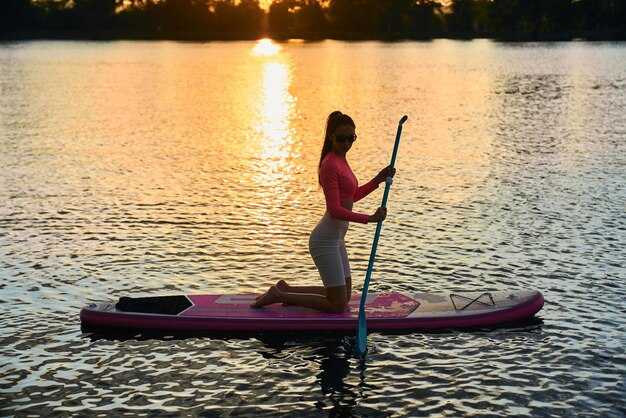 AMI Paddleboard – The Ultimate Guide to Choosing, Riding, and Maintaining Your Stand-Up Paddleboard">

First, pick a board sized to your weight and area of use. For flat-water beginners under 90 kg, aim for 10’6″–11’6″ length, 32″ width, and 170–210 L of buoyancy, suitable for both casual riding and boarding on calm mornings. For riders 90–105 kg, go 11’0″–12’0″ long, 32″–34″ wide, 210–260 L. Inflatable boards span 10’6″–11’6″ with 32″–34″ width and 6″ thickness; inflate to 12–15 psi to steady stiffness. Rigid epoxy boards run 4.5″–6″ thick and rely on construction rather than air pressure. Look for a rounded nose for stability, a forgiving rocker for easy turning, and a textured deck pad for grip. Include a bright leash, a pump with gauge, and a basic repair kit; these are your access to safety on the water. This is the first step toward choosing what you want.
Next, set up your stance and paddle technique for a stable ride. Stand with feet shoulder-width apart, knees soft, and weight centered to engage your full-body muscles. Keep shoulders square to the board and eyes ahead. Use a smooth, long reach with the paddle, alternating sides every 4–6 strokes to maintain direction. In calm morning conditions, plan a 3–5 km session or a 25–40 minute workout that builds balance, core strength, and endurance. If anyone calls with questions, you can refer to this guide; you can also share clips on instagram to keep the experience fresh and help you find what you want.
Maintenance and care keeps your gear reliable. After each session, rinse saltwater and sand with fresh water, then dry completely. Inspect fins and fin-box screws; tighten as needed with a small coin or screwdriver. Check the leash plug and valve on inflatable models; re-inflate to the manufacturer’s spec when you store. Store boards out of direct sun on a padded rack or mat, and label each board if you have multiple options to avoid mix-ups. Regular checks preserve your equipment and keep access ready for the next ride.
On the water, you may encounter diverse creatures near docks and marsh edges; give them space and slow down to avoid surprise sightings. Stay on marked routes, wear a PFD, and keep a whistle handy. Plan a few starter routes in a calm area to build confidence, and gradually try mixed-water environments to expand your experience. If you document sessions on instagram, you’ll track progress and stay motivated. With a steady routine, boarding becomes natural; morning sessions feel smoother, and you enjoy every moment of your learning and exploration.
Reddit-Informed Practical Guide for Selecting, Using, and Maintaining Your SUP
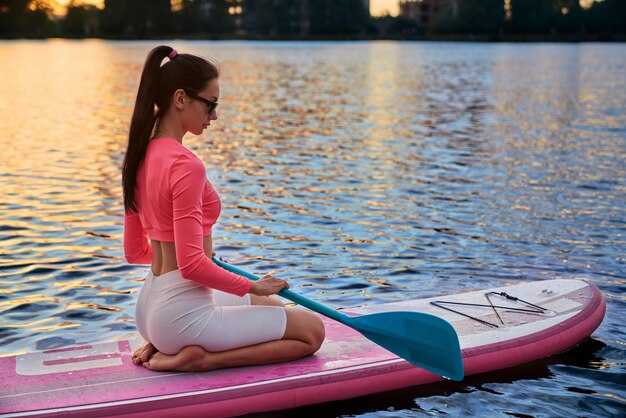
Buy a 10’6"–11′ inflatable paddleboard with a wide, stable outline and a textured deck; this well-balanced choice provides right stability for florida beaches, mangroves, and family trips, letting you capture memories on every ride. This is the point where stability matters for your first outings.
For purposes such as a weekend trip, a family outing with children, or extended explorations of mangroves, compare paddleboards by width, thickness, and weight capacity; decide between inflatable and hard types, and whether you want a calm cruising board or a responsive, wind-ready ride. Evaluate how each model handles turns and how easily you can move on it, and compare options expertly.
Reddit advice often stresses testing a board in calm water, asking staff to compare models, and reading user reviews; if a shop can fulfill your requested features, book a test ride and capture your first impressions of balance, rigidity, and ease of standing up. For families, look for models with higher weight ratings and wide tails.
Whether you plan a florida coast trip or a mangrove river paddle, stay within your skill level; never venture into water_wave with gusty wind or strong currents; wear a PFD, use a leash, and carry a dry bag and water; for children, start on calm water and stay close there.
Maintenance starts after you return: rinse salt and sand with fresh water, dry completely, and store the board at home away from direct sun; inspect for leaks, seams, or torn patches, and keep a patch kit handy; check fins, plugs, and leash condition often; extended storage in heat or cold harms adhesives and plastics.
From a reddit perspective, practical advice centers on simple routines, realistic expectations, and matching gear to purposes and local water conditions; log what works and what doesn’t, then adjust inflation, volume, and gear accordingly.
To wrap, plan around your beaches and florida landscapes, choose paddleboards that cater to your wants, and keep a straightforward maintenance plan so you can continue your workout and adventures with a clear perspective.
Choosing the right board type: iSUP vs solid, volume, and riding goals
Choose iSUP if you want portability, quick setup, and a forgiving platform; choose solid for stiffness and a responsive feel on longer paddles. For an adult rider around 70–95 kg, aim for iSUP volume near 260–320 L, while a solid board of the same length sits about 180–230 L. Wider decks in the 30–33 inch range boost initial stability, and longer lengths improve tracking. A 9’6″ to 11’0″ format covers most recreational paddling and casual trips where space is limited.
Riding goals drive the choice: casual cruising or family paddling on calm water leans toward a higher-volume iSUP with a broad deck for confidence. If you plan a full-body routine on the board, stability becomes even more important. If you intend endurance, speed, or precise turns, a solid board with a similar length and a bit lower volume delivers quicker response and better edge control, especially in chop or waves.
Volume, width, and rocker shape determine balance and speed. For heavier riders or gear, add margin to volume to keep float and stability. With a typical adult, an iSUP in the 280–320 L zone usually feels steady in flat water; a solid board in the 190–230 L zone offers a crisp, direct feel when the water is less forgiving.
Practical checks before deciding: if possible, test both setups on the water in comparable conditions. Note how easy it is to stand, how the deck pad feels, and how the board tracks when you edge and turn. If you paddle near an island or plan a vacation trip, choose the model that fits your car, roof racks, and storage space, and that you can stow without hassle when not in use.
Use local shops and independent reviews to compare several models. Focus on long-term comfort and how the board handles shifts in wind and water conditions. A well-mitted choice will feel natural under your stance and paddling style, making your time on the water more enjoyable.
Size and fit: length, width, rocker, and rider weight with quick checks
Choose a board around 10’6″ to 11’6″ long and about 32″ wide if you weigh under 200 lb. This size offers a stable platform for most paddlers and remains responsive in calm water and light chop. For riders over 210 lb, or for longer tours and travel, opt for 12’6″ to 14’0″ in length and 33″ to 34″ in width to maintain balance and glide.
Length and rider weight: For weights under 150 lb, a 10’6″–11’0″ board provides a lively feel with quick turns. For 150–210 lb, 11’6″–12’6″ balances stability with speed. For 210 lb and above, 12’6″–14’0″ keeps the board buoyant with gear beneath you.
Width and stability: A 30″ minimum width covers lighter riders and casual cruising, while 32″–34″ suits most paddlers and those carrying gear. If you pursue speed and require optimal planing, a 28″–30″ width can work for experienced riders, but expect steadier handling to dip in windy conditions or rough water beneath your stance.
Rocker and handling: A flat to low rocker improves top speed and efficiency on calm water; a mild nose rocker helps shed spray and maintain a clean planing surface; a touch more rocker adds stability in chop without sacrificing too much speed. For long tours or travel days, look for a board with a balanced nose and tail curve to ease paddling over swell.
Quick checks before you buy or rent: Look at the weight rating printed on the board and ensure your weight plus gear sits comfortably below the max. Stand on dry land with your feet shoulder-width apart to feel stability; your hips should align with the board’s center, and you should be able to pivot with minimal wobble. Beneath the deck, verify the core construction and deck pad are durable enough for everyday use, especially if you plan rental, tours, or frequent boarding on varied ecosystems.
Purposes, advice, and real-world tips: Whether you focus on fitness, cruising, or breathtaking tours, choose a model that covers multiple purposes rather than a single use. Look online for crystal-clear spec sheets and look for reviews that reveal how a board handles life on the water under real conditions. Andrews advice is to pick a board that fits your weight and skill, with a generous margin for gear. For travel and daily life, find options that have reliable support networks and rental-compatible accessories so you can discover and share summit-to-sea experiences with confidence.
Riding fundamentals: stance width, paddle grip, stroke rhythm, and balance drills
Begin with a stance about 18–22 inches apart on a typical 30-inch-wide board to establish a stable base for forward strokes and turns. Keep feet parallel or toes pointed slightly outward, with knees soft and weight centered over the midsection. There, you create a solid platform for an enjoyable ride and lasting memories on the water.
Grip the paddle with the top hand pointing forward at shoulder height and the bottom hand on the T-grip around waist to sternum level. Keep wrists neutral, arms relaxed, and the blade vertical for most strokes. The top hand pointing forward helps you drive the stroke without twisting the wrists, and the body stays aligned with the board during the movement.
Develop a steady stroke rhythm: enter the water with the blade about 12–18 inches in front of the board, angle the blade 30–45 degrees for forward strokes, and rotate the hips and shoulders as you pull. A cadence of roughly one stroke per second works in calm water; in chop, shorten the recovery and maintain a smooth tempo to preserve balance. Focus on breathing with the stroke to keep energy steady for hours on the water.
Balance drills build confidence in different conditions. Practice on a clear-bottom board in shallow water for visibility, start with a two-feet static hold, then progress to a narrower stance and a controlled weight shift from side to side. Move to a light march in place and a slow pivot turn by rotating your hips while keeping the paddle vertical and eyes on the horizon. These drills fit into beginner guides and translate to safer rental experiences and tours. For rentals, booking tours, and general experiences, use these drills during your first hours on the water to sharpen your balance and confidence. This advice comes from expert insights and Reddit discussions, reflecting many user experiences across different locations.
| Focus | Starting targets | Tips | Common mistakes |
|---|---|---|---|
| Stance width | 18–22 inches (45–55 cm) between feet | Feet parallel or slightly angled out; knees soft; weight centered | Feet too close; knees locked |
| Paddle grip | Topphand på axelns höjd; bottenhand på T-grepp | Ovanhanden pekar framåt; handlederna neutrala; bladet vertikalt | Overgrip; handlederna böjda |
| Stroke rhythm | Lugnt vatten: ungefär 1 tagning per sekund | Gå in i vattnet framför; blad vinkel 30-45 grader; rotera höfter | Arms-only strokes; hackig kadens |
| Balansövningar | Statisk hållning; viktförskjutningar | Fortsätt till smalare position; ögon mot horisonten; smidiga övergångar | Tittar ner; ryckiga rörelser |
Vanliga fallgropar och lösningar: vändteknik, effektivitet vid paddling och säkerhetstips
Starta med denna vändteknik: håll din ställning flexibel, knäna lätt böjda, vikten centrerad och höfterna som styr brädan. Initiera en bred, lågvinklad svepning på utsidan av relingen, och lägg sedan till en kort framåtdragning för att hjälpa till med pivoteringen. Håll blicken framåt och kärnan engagerad för att undvika överreaktion med armarna. Observera hur brädan reagerar innan du trycker på för fart. Denna metod fungerar för de flesta paddleboards på dagar med ögonvatten och bygger den flexibilitet du behöver för att svänga smidigt.
För att öka paddlings effektivitet, rotera din torso med varje tag, låt höfterna delta i ansträngningen och håll paddeln vertikal när du sänker ner den i vattnet. Dra genom en lång båge mot höften och avsluta nära låret, slappna sedan av handlederna för en ren utgång. En jämn kadens runt 60–70 tag per minut, baserat på statistiska data från instruktörer, hjälper de flesta användare att bibehålla hastigheten med mindre trötthet. För klartbottenbrädor, observera vattenflödet under skrovet för att förbättra tajmingen och justera din räckvidd så att den matchar brädans längd och flexibilitet. Använd dina ben för att driva tagningen, inte bara armarna, och variera tagningens längd för att hålla balansen när vind eller ström förändras.
Säkerhetstips: använd flytväst och fäst en lina vid dig för sessioner i havet; kontrollera vind, ström och tidvatten innan du börjar och håll dig inom en bekväm avstånd från stranden och andra vattenanvändare. Öva på en plats med slätt vatten och tillräckligt med utrymme för att manövrera, och ta med vatten, solskyddsmedel och en visselpipa. Lär dig några självräddningsövningar i grunt vatten och repetera vad du ska göra om du faller. Om du är nybörjare, be om en snabb handledning från en seriös butik eller guide; deras tips skyddar dig och din utrustning. Kom i kontakt med lokala instruktörer för att öka din medvetenhet och göra din upplevelse säkrare och roligare.
På semester eller under en hyra, välj en närliggande tillgångspunkt och ta med en kompakt koppel, en liten pump och vatten. Fråga vilken brädstorlek som passar din vikt och erfarenhet för att säkerställa en stabil åktur. Om du åker ett genomskinligt bräda, kan du se marint liv medan du lär dig, men var uppmärksam på bländning och synlighet. Turer erbjuder ett strukturerat tempo och specifika övningar för att påskynda inlärningen, och många uthyrningsbutiker kan skräddarsy en plan efter dina mål. Ta med tålamod, observera din form och mät dina framsteg mot din egen erfarenhet; viktigast av allt, kom i kontakt med guider och andra användare för att hålla din träning rolig och säker.
Underhållsrutin: rengöring, förvaring, skötsel av koppel och grundläggande reparationer av skador.
Skölj paddleboards med färskvatten efter varje tur för att avlägsna salt, sand och marina rester. Låt dem torka helt innan du förvarar dem.
Upprätthåll en enkel, välorganiserad rutin för att hålla din utrustning redo för dagar på vattnet – fridfulla utforskningar längs kusten, runt öar eller längs kristallklara vikar. Det fungerar för paddlare i alla åldrar, inklusive äldre äventyrare, och får din nästa tur att kännas full av självförtroende och enkel, helt enkelt för att du vet att utrustningen är väl omhändertagen.
- Rengöring efter varje session: Skölj noggrant, använd mild tvål om det behövs, skrubba med en mjuk svamp, skölj igen och torka med en mikrofiberduk. Inspektera efter sprickor, delaminering eller saltutfällningar runt fenorna, och kontrollera under däck för dold smuts. För boogieboards med genomskinlig botten, leta efter grumlighet eller repor som kan påverka sikten under ytan.
- Förvaringsanvisningar: Efter torkning, förvara på en torr, skuggig plats borta från direkt solljus. Om du använder uppblåsbara paddelbrädor, töm luften och rulla ihop dem i sin väska och förvara på en sval, ventilerad plats; om du har solida brädor, förvara upprätt eller plant på ett stativ med stöd under rockern och nosen och svansen. Använd ett andningsbart skydd och förvara fena skyddade för att förlänga brädans livslängd för många dagars användning.
- Leashvård: Inspektera leashesveckan för slitna remmar, spruckna neoprenmanschetter eller lossnade beslag; byt ut vid behov. Skölj leashes efter användning för att avlägsna salt och sand, rulla ihop den löst för att undvika böjningar och förvara den separat från din bräda för att förhindra trassel.
- Reparation av skador: Först, torka området noggrant, sedan slipa kanterna med 120–180 korn för att skapa en fasning. Rengör med isopropylalkohol; blanda en liten sats epoxiharts och härdare och applicera ett tunt lager på den skadade regionen. Om du har en glasfiberlapp, skär den något större än skadan och tryck den på plats; annars applicera ett andra lager epoxi för att bygga tjocklek. Låt härda helt utan värme och fukt, slipa sedan jämnt och applicera ett färglager eller gel för att smälta samman. För större eller misstänkta skador (vatteninträngning eller delaminering), kontakta en lokal verkstad eller beställ reservdelar via leverans till din adress för en professionell reparation. Testa flytkraften efter härdning och kontrollera igen i en lugn, kristallklar pool eller skyddat område.
Dela dessa rutiner med din community för att hjälpa andra paddlare att hålla sig säkra och hålla kustlinjen ren. De gör dig mer säker på att du kan njuta av dagar på vattnet, ha din utrustning redo att rulla och upptäcka mer fauna och varelser längs kusten.