


 Svenska
  English (UK)
  Русский
  العربية
  日本語
日本語  한국어
한국어  Magyar
  Türkçe
  Español
  Čeština
  Português
  Ελληνικά
  Suomi
Suomi  Nederlands
  Română
  Italiano
  Français
  Polski
  Українська
  Deutsch
  简体中文
简体中文  Slovenčina
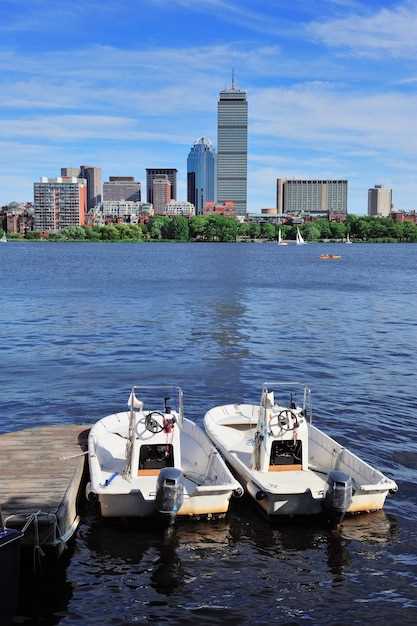
Begin with a morning rental in Whittier to lock the pace for a day on the water. They pair reliable operation with attentive crews who know the channels and coves. Along the kachemak coast, options range from compact craft to larger vessels with a bedroom cabin, ensuring guests can rest between activities that maximize comfort, while seated in plush seating.
Next, compare ways to structure your outing. If you travel as hard-working groups or plan a birthday or anniversary celebration, you can split the day into times that align with tides and light. Local captains can tailor routes along the kachemak coast or toward the Whittier harbor, with angling-adjacent stops and calm water for shoreline views. Booking online keeps logistics simple and lets you lock in preferred dates for celebrations.
In practice, the fleet offers wide configurations: seating areas that convert into dining zones, a bedroom cabin for overnight stays, and helm stations for panoramic views. The answer to which option fits your plan is provided by a quick consult with the operator, drawing on years of local knowledge. Expect impressive scenery, calm mornings, and versatile layouts that make transitions smooth.
For multi-day getaways or corporate escapes, consider routes that combine sheltered coves, sea cliffs, and open water passages. That approach keeps passengers comfortable, even when winds pick up, and helps families or groups maintain momentum without fatigue. The next step is to check availability online, pick a morning slot that fits your schedule, and confirm the rental details, including seating arrangements and onboard amenities.
Alaska Boat Rentals Overview: Boats, Charters, and Practical Tips for Anchorage
Recommendation: Take a four-hour guided excursion departing from whittier, using a lightweight watercraft that stays in sheltered inlets for calm water. If you want a quick, wildlife-rich intro to the coast, this setup is excellent for first-time anglers and families.
Vessel options include open-hull skiffs, compact fibreglass craft, and seated tenders designed for shallow channels; they are typically lightweight and easy to maneuver, with a long, stable ride that keeps your belly comfortable in mild chop. Dress in layered clothing: a moisture-wicking base, a mid-layer fleece, and a windproof outer shell; bring a compact rain layer to stay dry in changing conditions.
Included gear typically covers life jackets and basic tackle for angling, plus a line of waterproof bags and a small cooler. Operators offer a mix of packages, so separate gear bundles and maps can be added if you want extra convenience. A quick safety briefing and familiarization with local wildlife are standard, then you’re ready to board.
Anchorage-area options run best in late spring through early autumn when daylight is long and seas are calmer. Departures are located at the whittier dock or nearby marinas, and private trips can be arranged for separate groups with flexible start times and tailor-made routes. If you want to connect coast and inland lake experiences, many providers can design a multi-type day that blends both environments.
Angler strategy: start with a lightweight setup and easy-to-manage line, using a short leader for trout along the point and nearby coves. Inshore pockets offer an array of opportunities, and that mix can feel like fishtopia on a clear day. An angler will appreciate guidance from the captain on where to stand, how to cast, and how to avoid tangling in kelp, especially when waters are busy or windy.
Located near a busy port, the scene often includes otters gliding along the edge of a channel and a steady stream of seabirds overhead, adding to the long, immersive day. If you want a quiet reset, you could plan a second visit during late season when crowds thin and water clarity improves.
After your excursion, cleaning is straightforward: rinse gear, wipe down surfaces, and place waste in the provided bin. The operator typically includes a cleaning kit and a small towel, then you can debrief with the crew and share notes about the day. For future trips, many travelers from montana or other interior states opt for a two-day plan that combines coastal waters with a nearby alpine lake, offering an array of seascapes and species that keeps the experience fresh and exciting.
Choosing the Right Alaska Yacht Charter for Your Trip
The answer is to pick a captained option if you want zero handling and maximum scenery, or choose a selfoperated craft if you want flexibility and a tighter plan. Start by confirming ports, schedules, and gear so your plans stay on track rather than drifting into a frustrating loop.
- Vessel approach and crew: captained arrangements deliver smooth sailing and provisioning; selfoperated options can save on costs if the skipper is properly credentialed and you’re comfortable with helm duties.
- Size, layout, and stability: smaller craft keep the group connected; massive vessels add more living space and deck gear; for smoother days in chop, a twin-engine setup helps, while a twin-hull design can reduce motion.
- Ports and routes: check operator sites for available options and port calls; auke Bay and nearby marinas are common anchors; ensure the itinerary fits your desired cadence and potential weather cushions.
- Timing and plans: early-run windows often bring better availability; use datespeak with operators to lock dates and guest counts; this minimizes back-and-forth and potential frustration.
- Gear, provisioning, and extras: verify included equipment, shore activities, and rod storage for light outdoor outings; confirm whether meals, fuel, and maintenance are covered under renting terms and who handles provisioning.
- Costs and clarity: request a whole breakdown of charges, cancellation terms, and what happens if conditions force changes; favor operators with transparent contracts and solid customer support.
For a family from montana seeking a calm, scenic course, a local, smaller, captain-led craft with floating decks around a ring of inlets offers a balanced experience that can be arranged through sites. If you value ultra-flexibility, a selfoperated option hosted by a seasoned operator can work, but verify crew credentials, maintenance logs, and gear inventory before renting. Auke Bay bases provide practical access to the marine routes, especially during the early-run period, while planning ahead–checking in with providers and locking plans at least six weeks out–keeps the trip super smooth. Luggage can be transported from the airport to the dock by truck to reduce handling friction.
Budget-Friendly Pontoon Boat Rentals in Anchorage
Start with a compact, 18–20 ft watercraft featuring a stable, wide deck and essential safety gear; booking on weekday mornings often yields the best savings and a nicer weather window. Steven, a local broker, can verify the current listing and help lock in a lower rate.
Options include 4-hour half-day slots at roughly USD 180–250, 6-hour blocks around USD 230–320, and full-day bookings in the USD 300–520 range depending on season and capacity; several operators offer fuel-efficient rigs with simple stoves and a small galley to keep costs down for smaller groups, with pricing across several providers in the state as reference.
If you want a backup plan for shifting conditions, consider a packraft as an ultra-budget option you can stow in a backpack; it complements a main craft without adding much to your total spend.
During the summer season, plan around the best weather windows: mornings tend to be calmer, temps rise by mid-day, and harbor activity remains steady. Check forecasts for Anchorage and, if your trip includes routes toward Valdez or Kasilof, confirm fuel stops and permitted paths with the operator. For those seeking a longer excursion, Tracy Arm routes may require a dedicated plan.
To maximize value, compare high-season rates with shoulder-season deals; several listings publish transparent price checks and seasonal promos. Assess what’s included in the base rate: life vests, signaling gear, fuel, and, when available, portable stoves and safety equipment. If a listing notes a portable stove, that’s a plus–even for hot drinks or simple meals on board.
When choosing, request a quick test run or the option to pair with a guide; here, Steven can help you confirm a verified listing and a clear breakdown of taxes and fees. This approach keeps you aware of total cost while staying safe on the water in summer weather around the state.
Early booking is key in peak months; use the listing to compare providers, and ask for a written confirmation. With diligent checks, you’ll land excellent value while enjoying a reliable, family-friendly outing on the water around Anchorage.
Bass Boat Fishing in Anchorage: Prime Spots and Gear
Recommendation: book a guided half-day aboard a sturdy watercraft with a heated cabin and chase bass along the front bays at dawn during the late-run71 window; a couple of anglers, including a seasoned angler, can share a single craft and cruise quietly; reserve weekend slots to secure a captain, gear, and an easy start, building a lifetime memory.
Angler-ready gear includes 6’6″–7’0″ medium rods, 10–20 lb line, and spinning or baitcasting reels; bring swimbaits, shallow-running crankbaits, jigs, spinnerbaits, and topwater plugs; a sturdy landing net, needle-nose pliers, line clippers, and a dry bag; carry a handheld VHF, weatherproof map, and heated outerwear for October conditions; the captain provides PFDs; plan to come with a couple of people to maximize board time on floating rigs.
Pundits who guide Sitka-area sessions note similar patterns here: pontoons and floating platforms expand access to tight pockets, especially during the october lull; target structure and current seams in the bays, often starting right after sunrise and fading toward late morning as the bite shifts with the tide and light level.
| Spot | Access & Timing | Why Prime | Anteckningar |
|---|---|---|---|
| Ship Creek Estuary | Ramps at the mouth; first light; front bays | Close-in action, shallow channels, predictable bites | Use shallow cranks; best near low to mid tide; easy to reach from town |
| Chester Creek Estuary | Canal-side access; dawn to mid-morning; front bays | More depth and structure; higher odds in late season | Try jigs and swimbaits; watch current and vessel traffic |
| Turnagain Arm Flats | Gravel ramp; favorable mornings on weekends; front bays | Expansive, varied habitat with subtle bites | Wind-aware; adapt lures to tides; pontoons help reach wider pockets |
| Potter Marsh | Boardwalk access; afternoon and October windows | Quiet, steady resident bass; easy access | Soft plastics work well; respect local rules and seasonal limits |
Booking Alaska Fishing Charters: Steps, Licenses, and Insurance
Phone your broker one week ahead to lock in plans and receive a specific checklist for the trip, because gear availability and weather windows shift. Decide if you will bring a packraft (alpacka) or rely on a supplied craft; specify the party sized crew, and include four life containers to cover buoyancy in rough water. Confirm cleaning expectations after return and note whether gear can be stored in a wide pavilion near the last mountain base.
Licensing: Verify angling license requirements with the regional authority; some days require a saltwater permit or seasonal pass; check residency status and whether the plan can handle the paperwork; your broker can provide a place list of exact documents, including IDs, a trip plan, and proof of insurance. alaskaexplored
Insurance: Choose a plan that covers trip interruption, medical evacuation, gear loss, liability; confirm it includes weather-related delays, remote access, and coverage for personal gear such as a packraft and dry bags; ensure the policy is compatible with gear you use, and review limitations for remote or winter expeditions, including any exclusions that apply to high-latitude itineraries.
Equipment and prep: Sized gear to fit the crew; plan for travel without sail if using a motorized craft; check the dry containers and ensure you have a robust packing scheme; pack for a week with layering for wide temperature swings, and consider remote shore stops near a pavilion or overlook with mountain views; verify that your plan covers all required documents and safety gear.
Day-of coordination: Have a concise list of phone numbers, be aware of last-minute route changes, and keep the broker informed of any updates; verify you hold a valid license at hand and confirm life jackets and safety equipment are ready; bring a lightweight, weatherproof shell and a compact cleaning kit to simplify post-trip turnaround.
What to Pack and Plan for an Alaska Boat Rental Day
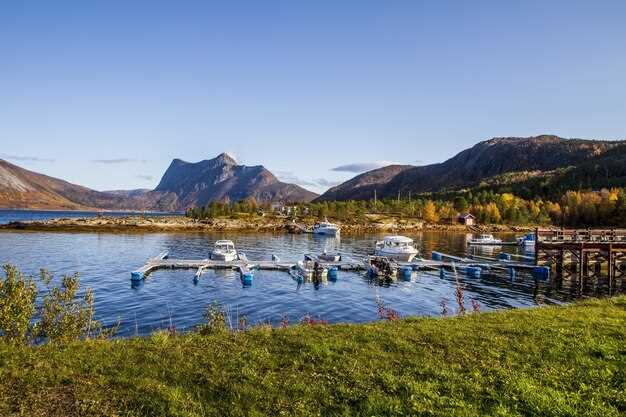
Pack a compact, waterproof daypack with a dry bag for valuables and a spare set of dry clothes. If your plans were arranged online, save the booking reference and the broker’s contact details onto your phone so you can adjust stops on the fly, especially near the kasilof area.
Dress in layers: a base layer, a mid-weight fleece, and a windproof outer shell. Bring waterproof boots, gloves, and a hat, because the air can be sharp over a lake and along the coast; alaskan winds can bite, so carry a compact rain layer you can stow in a pocket between nature viewing points.
If you’re an angler, keep your valid permit handy and confirm your gear waivers with the operator before heading out. Bring ID and any medical info, and note where you’ll dock for the first stop.
Gear for the day should include polarised sunglasses, sunscreen, lip balm, a compact camera or phone in a rugged case, spare batteries or a power bank, and dry bags for electronics. Add tubes or other flotation gear for quiet shoreline floats, and a small watercraft safety kit and a first-aid kit.
For kids, pack snacks, water bottles, a small first-aid kit for little scrapes, sun hats, and a few quiet games or cards. Keep everything in a dedicated kid-friendly pocket onto the deck to avoid delays at stops.
Plan a simple line of stops for a half-day window: a scenic lake point, a sheltered cove for a compact lunch, and a wildlife-friendly shoreline for nature viewing, then back to the pier. Carry a couple of backup options in case conditions shift; you can adjust through the day to keep epic plans alive.
If you’re using a special booking code, reference late-run71 when confirming terms or if you need to change the route due to salmon-season conditions. Those who booked through a broker can fine-tune the plan based on the latest weather forecast and local regulations.
Be prepared for weather changes by keeping water on board in a safe bottle, staying dry when winds rise, and noting safe line spots for docking. If you have a jetski option or want to explore sailboats during a calm boating window, discuss availability with the broker in advance; however, never assume access is guaranteed without confirmation.
Store valuables in a water-tight bag and rinse gear at the dock before loading back onto the vessel. Down time at the pier goes faster when you already know your stops; those who spent time planning ahead have more time to enjoy the epic views and the flow of water.