


 Svenska
  English (UK)
  Русский
  العربية
  日本語
日本語  한국어
한국어  Magyar
  Türkçe
  Español
  Čeština
  Português
  Ελληνικά
  Suomi
Suomi  Nederlands
  Română
  Italiano
  Français
  Polski
  Українська
  Deutsch
  简体中文
简体中文  Slovenčina
  7 vanliga misstag på sjön och hur du undviker dem – viktiga säkerhetstips">

Detta program är det väsentliga briefing för säkerhets skull boating, hjälper both nya och erfarna operatörer förstår what hände och hur man undviker olyckor tidigare. Använd denna genomgång för att keep questions besvarad, var uppmärksam, och förebygg situationer som kan leda till olyckor på vattnet.
I praktiken, att bära flytvästar och säkra varje object om bord är väsentligt. Kontrollera mätare, keep lines spänd, se till att motorerna är redo och undvik att röra något som kan skapa en hoppsan ögonblick då hastigheterna ökar; detta hjälper till att förebygga olyckor innan de inträffar.
Vår utbildning täcker lågsäsong förvaring, hemdockor och ownership policy för rental flottor och privata owner båtar. Följ policyn och behåll allt secured, redo för next utredning, vilket minskar risken och håller dig i säkra händer i varje enskilt fall.
När du granskar dessa moments, kom ihåg att vara uppmärksam, alert, och beredd att deal situationer som helst. Dessa things kommer att hjälpa dig att följa kursen, undvika olyckor och hålla området säkert för alla på vattnet. Hejdå till onödiga bekymmer – välkommen nautisk säkerhet och smartare hantering av bränsle, linor och hastigheter.
7 Vanliga missar på båten och hur du undviker dem: Praktiska säkerhetstips – Att inte packa tillräckligt med vatten
Tip 1 – Att packa för lite vatten kan förstöra din dag på sjön. Kontrollera båtens kapacitet och den maximala proviantering som tillåts på din charter; planera för dricksvatten, matlagning och hygien. Om du har bokat via en tjänst som boatsetter, verifiera det inkluderade vattnet och möjligheten att lägga till mer. Förbered en enkel lastlista och säkra vattnet i täckta behållare för att förhindra spill vid start och drift.
Tip 2 – Förvaring och distribution spelar roll. Använd rätt lastningsteknik för att hålla vikten inom trim; fördela vattnet jämnt för att bibehålla båtens stabilitet, och använd ett band eller rem när du säkrar behållare för att undvika skvalp. Håll locken på däcket för att förhindra spill och tilldela varje flaska en säker plats. Detta hjälper till att förhindra olyckor och håller motorområdet rent.
Tip 3 – Hydratisering kräver personlig disciplin. Skapa en snabb personlig plan som inkluderar en vattenflaska för varje besättningsmedlem och en gemensam reserv för nödsituationer. Lätt att spåra konsumtion och inte förlita sig på en enda källa; tänk på väder och aktivitetsnivå. Kom ihåg att rotera muggar och påminna andra att dricka regelbundet, för att hålla deras upplevelse i linje med säkerhetsstandarderna. Om någon tog en extra flaska, se till att det inte äventyrar balansen eller det fria utrymmet.
Tip 4 – Farorna kring uttorkning kan vara farliga och leda till olyckor. Att inte ha tillräckligt med vatten kan försämra beslutsfattande och reaktionstid och skapa risker när man rör sig runt båten, särskilt nära motorn eller vinschen. Innan start, kör en snabb genomgång och checklistor för att bekräfta att säkerhetsutrustningen är säker och att alla har vatten; påminn besättningen att hålla sig återfuktad för att förhindra dåligt omdöme under lastning eller dockning.
Tip 5 – Använd en robust regel och system för proviantering. En bra regel är att inkludera vattenplanering i din briefing och att gå igenom policyn för proviantering med kaptenen eller din andrepilot. Om något saknas, be kaptenen eller charteroperatören om hjälp och justera listan innan du lämnar hemmet. Detta minskar frågor och hjälper dig att hålla dig inom policyn och maximal kapacitet.
Tips 6 – Ha en nödberedskap och planera för otillräckliga förnödenheter. Lägg alltid en reservvattenpåse eller flaskor i akterstuven eller ett särskilt utrymme; detta är enkelt att implementera och kan förhindra törst under långa perioder till havs. Om du råkar bli försenad kan du vinna tid genom att hålla ordning och använda reserven klokt istället för att improvisera med osäkra provisoriska behållare. Tänk i dessa lägen på hur du skulle hantera en plötslig brist och hindra besättningen från att få panik.
Tips 7 – Utvärdering efter resan för att förbättra framtida turer. Berätta för besättningen vad som hände, samla in feedback och fundera på om vattenplanen fungerade för dem ombord. Om de är nya inom båtlivet kan den här processen hjälpa dem att vara säkra och lära sig av erfarenheten. Om du hittar luckor i listan eller hemmaproviantationen, berätta för båtägaren eller operatören om eventuella problem. Mellan turerna ska du granska lastning, motor- och säkerhetssystem för att förebygga risker och se till att du genomför vattenplanen i praktiken. Den här goda vanan undviker att upprepa samma problem och förbättrar upplevelsen för dig själv och andra.
Anpassa flytvästar och snabbåtkomst till säkerhetsutrustning

På varje båttur avgör flytvästens passform om den sitter säkert vid svallvågor, grov sjö eller plötsliga rörelser kring motorer. Flytvästar i rätt storlek sitter åt, tillåter full rörelsefrihet och hålls på plats när du sträcker dig efter linor eller stöttar dig i en vindby. En flytväst som är för stor kan glida upp och vara ineffektiv; en flytväst som är för liten kan begränsa andningen och försena din reaktion i nödsituationer. Att fastställa rätt storlek beror på bröstmått, vikt och de lager du kommer att ha på dig på vattnet; testa alltid genom att röra dig och böja dig för att verifiera att den hålls på plats.
Snabb och säker tillgång till säkerhetsutrustning sparar värdefulla ögonblick och minskar risken för att tappa viktiga sekunder under en incident. Förvara flytvästar och annan säkerhetsutrustning på tydligt markerade platser nära dörren, vid rodret och på varje säte, helst i en vattentät väska eller ett clipsystem så att de sitter fast men är lätta att ta tag i. För uppblåsbara flytvästar, kontrollera uppblåsaren eller CO2-patronen och öva på att använda pumpen om du måste blåsa upp den manuellt i lugna förhållanden innan du faktiskt behöver den.
- Välj flytväst i rätt storlek: bestäm storlek med hjälp av bröstmått och vikt, testa för rörelse och justera axel- och midjeband så att västen inte åker upp när du sträcker dig eller lutar dig runt motorer. Det största misstaget är att välja efter utseende eller pris istället för passform; att bestämma rätt storlek är avgörande.
- Bärande och kontroller: varje passagerare bör bära flytvästen under avgång; knäpp spännen, dra åt remmar och gör ett snabbt böj-och-sträck-test för att säkerställa att den sitter säkert i grovt vatten eller svall.
- Placering och snabb åtkomst: förvara flytvästar inom räckhåll vid rodret, nära dörrar och i sittbrunnen så att du slipper leta efter dem när situationen förvärras.
- Underhåll och inspektion: inspektera efter revor, slitna spännen och mögel; uppblåsbara enheter kräver kontroll av luftkamrarna; byt ut allt som är trasigt eller visar tecken på försämring efter olyckor eller kraftig användning.
- Råd till hyrare och ägare: på hyrbåtar, kontrollera att flytvästarna passar och uppfyller lokala säkerhetsföreskrifter; be ägaren eller besättningen om hjälp med att justera; byt ut flytvästen innan du lämnar bryggan om den inte är bekväm.
- Träning och övningar: genomför enkla säkerhetsövningar som inkluderar att nå säkerhetsutrustning inom några ögonblick efter en plötslig våg eller manöver; öva runt motorer, lasta och säkra utrustning och se till att föremål inte blir snubbelrisker.
- Extra och vätska: ha en liten flaska för en snabb drickpaus under långa resor och förvara en "grab-and-go"-kit så att du kan agera snabbt utan att sakta ner lasset eller lämna utrustning bakom; detta hjälper när du hanterar trötthet och håller besättningen fokuserad.
Leta efter källan till riktlinjer för båtsäkerhet och lokala lagstadgade krav för att följa dem på vattnet – och tillämpa dem sedan på din utrustning, träning och övningar. Detta tillvägagångssätt minimerar misstag och håller alla säkra i de ögonblick som betyder mest, oavsett om du är vid stranden, kryssar på öppet vatten eller är redo med släpvagnen för nästa resa.
Väder, vind och tidvatten: Kontroller före resan
Det viktiga steget före varje resa är att kontrollera den publicerade prognosen för väder, vind och tidvatten. Oavsett om du ska ut på en kort tur eller en längre resa bör du granska prognosen samtidigt som du beaktar aktuella förhållanden och tidvattnet som kan sakta ner din plan. I sådana stunder bör du inte starta om prognosen ser riskabel ut; säkerheten kommer först.
Förkontroller av väder och tidvatten inkluderar en snabb bedömning av vindriktning och våghöjd, tidvattnet angivet för din avgång samt den förväntade vattennivån. Notera hur vinden skiftar i förhållande till din kurs och om vindbyar kan öka när du rör dig. Både din plan och båtens kapacitet bör vara anpassade, annars kan prognosen bli en fara du inte kan hantera.
Innan du startar motorerna, inspektera bränsletanken och lasten, se till att det finns tillräckligt med bränsle för resan plus en säkerhetsmarginal, och testa gasresponsen. Om något verkar fel eller du hör ett klick som inte hör hemma, starta inte. En enkel miss kan förstöra dagen och leda till olyckor.
Däck- och dockningskontroller inkluderar att bekräfta klamparnas skick, säkra linor och kontrollera plugg och skott. Håll dina lemmar inne i sittbrunnen och lägg inte din vikt på relingen när du rör dig. Plocka undan lösa föremål så att de inte blir en fara när båten accelererar eller saktar ner.
Båthantering och säkerhet: planera för både lätta och svåra förhållanden; vet när du ska minska hastigheten eller vända om. Om svallvågorna växer eller båten blir lutad, sakta ner och gör en ny bedömning. Det kan vara farligt om du forcerar. Rätt planering hjälper dig att undvika eventuella misstag och håller alla säkra i skrovet. När förhållandena tillåter kan du plana i säker hastighet, men bara med gott om utrymme och kontroll.
Decision rules and practice: there’s a rule that if weather deteriorates, you shouldnt push beyond your limits. The program you follow should have a specific set of thresholds and times to reassess. If you’re not familiar with the forecast or the area, spend more time reviewing charts and talking with your crew, so you learn together and stay familiar with the conditions.
Home harbor awareness and environmental caution: when near fishing boats or crowded marinas, maintain a conservative speed and keep a wide berth to reduce the risk of collision. That could be dangerous if you’re not paying attention. Always put your safety first and be prepared to adjust plans as weather or tides change. Youre experience with the water grows year by year, which sailors understand as part of the craft.
Putting all checks into practice: know your boat and your own limits, and start every trip with a clear plan and backup options. Youve got to stay focused, a program that reduces risk during the times you’re on the water. With a familiar routine and the right mindset, those moments become manageable, and you can drive the boat safely back home.
Clear Float Plan and Route Sharing
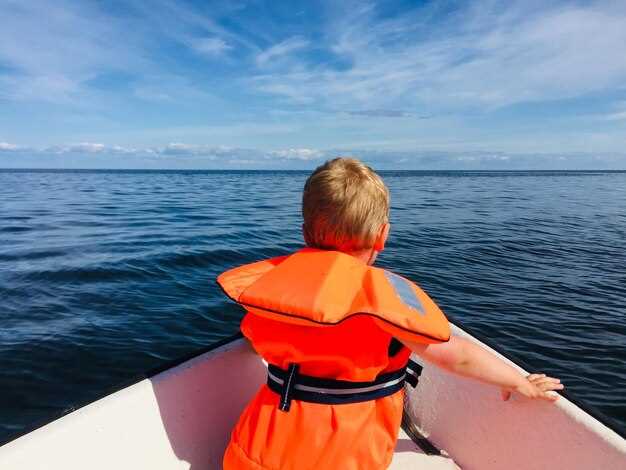
A clear float plan and route sharing are essential for every voyage, whether youre on a lake or around larger waterways. Your plan must include the course, the route, and times for leaving and arriving. It should specify a tactician on deck and a backup destination in case rough weather or mechanical issues occur. This plan is a living document that grows with experience and learning on the water. You must verify the plan before you leave, and the plan should be accessible to both crew and guests.
Share the plan with guests aboard, the rental operator, and the person left on shore who will monitor progress. Tell them where you came from, where youre headed, and the times you expect to check in. Use lines on a map and keep them visible in the cockpit so that their eyes and your mind are aligned. Set the maximum speeds you want to maintain, and note what to do if a speed change becomes necessary while leaving the dock. This keeps everyone–both crew and guests–involved and ready, and avoids the feeling that something is left to chance. One guest said this approach makes their trip safer.
To address contingencies, document what to do if the boat deviates from the plan: what happens if you come aground, if a line snags in rough water, or if the transom or sterndrive area shows a flaw. Note motor and other mechanical issues and the steps to take to stay safe. If problems arise, never hesitate to switch to the backup route and communicate with the shore band or support team. Dealing with these conditions requires quick thinking and clear signals. Around the lake or river, your route may need to bend around currents pulled by wind, and you may find that you need to modify the plan on the fly.
Assign roles so that those on board are working together: the tactician leads the course corrections, trimming, and steering; a crew member handles lines; another monitors signals; and all look out for their personal safety. This is learning in action for sailors and guests alike, and these tasks become second nature. When fatigue starts to set in, use your mind and your legs to keep the boat moving and avoid mistakes. The rule is simple: check the map at each stop, look for changes, and tell the team what changed. If someone dont understand a term, each of them should ask for clarification and the captain would check again. The system should be clear and dragging lines across the deck must be avoided. Remove any gear that could interfere with the boat’s movement, and ensure everyone has a quick break when needed.
Keep the plan a living document: the moment you find something that doesnt fit, create a revised version and tell their part of the crew. When winds shift, or times change, update the route and pulled lines, and drop new coordinates into the shared map. Down the line, this helps boats and crews become confident and would greatly reduce accidents. Remember: the body of the boat and the people aboard, as well as the motor and other mechanical systems, matter. So, always leave with a solid float plan, remove unnecessary gear, and tell everyone what to do if you need to alter course. When these changes come, the crew can work together to maintain safety and efficiency down to the last detail. If something comes up mid course, you can pull together the crew and adjust as needed, and those on shore will be informed of the changes that were taken or dropped and why.
Pre-departure Boat Systems Check: Engine, Battery, Bilge, and Lights
Before departure, perform a comprehensive check of engine, battery, bilge, and lights to ensure everything starts safely and the crew stays hydrated and aware. In busy seasons or off-season maintenance windows, follow these checklists to prevent dangerous failures and reduce the chance of weather surprises from winds or waves.
- Engine readiness
- Pulled into the check, confirm fuel level and fuel quality; ensure there is enough fuel for the planned course and reserve for contingencies. Insufficient fuel or contaminated fuel can cause sudden shutdowns and dangerous stops.
- Inspect the engine compartment for leaks, loose hoses, or worn belts; check the engine plate and mounting bolts. Remove any debris that could cause overheating or damage to moving parts.
- Verify oil level and quality; top up if needed and check for emulsified or milky oil, which signals a problem. Remember to review the oil dipstick with the engine off and cool, then document readings in your checklist.
- Check raw-water cooling (if applicable) and inspect the water intake for blockages; ensure the pump is primed and the impeller is in good condition. Check the cooling hoses for cracks or wear along the way.
- Prepare the starting sequence: turn on the battery switch, engage the starter, and watch for a clean, steady start. If the motor doesnt start after a few attempts, stop, reassess fuel and connections, then consult assistance if needed. Do not crank endlessly–times matter, and repeated starts can damage the starter.
- During starting, monitor for smoke, fumes, or abnormal noises; if anything seems off, turn off the engine and investigate. Once started, listen for a steady idle and check for surging or misfiring.
- Ensure the trim/tilt and throttle controls respond smoothly; adjust trimming to optimize planing and minimize load on the propeller. Remember that improper trimming can cause instability or excessive vibration, especially in choppy winds.
- Keep limbs away from moving parts; perform the entire sequence with the cockpit clear and everyone in a safe position behind the safety line. The biggest thing is to avoid rushing; take time to verify each step and think through the procedure.
- Battery health and electrical system
- Check battery type and capacity; verify the battery voltage with a multimeter. A healthy battery should read around 12.6–12.8V when fully charged; if readings are low, recharge before departure.
- Inspect all electrical connections: clean corrosion, tighten loose terminals, and confirm the plug connections are seated. Remove any oxidation from battery terminals and inspect cable insulation for wear.
- Test the main switch and essential circuits (starter, bilge pump, lights) to confirm they function when the key or power is engaged. If a connection is loose or a fuse is blown, replace or repair as needed on land with the engine off.
- Note battery plates and overall condition; if plate exposure or swelling is observed, replace the battery and avoid using compromised units. Ensure the charge state matches the load expected during operation, especially if a heavy electrical load is anticipated.
- For off-season storage, disconnect or remove the battery to prevent drainage; store in a cool, dry place and keep it on a compatible charger. Check the charge status sooner rather than later to avoid a dead battery after months of inactivity.
- Hydration and crew readiness: ensure everyone checks in at the cockpit so batteries and gauges are monitored while the boat is underway. Remember that personal safety and alertness are part of a safe electrical system operation.
- In case of a found issue with electrical safety, do not attempt DIY fixes that could cause a fire. Call for assistance and use a proper diagnostic program or service as needed.
- Bilge and pumps
- Test bilge pump operation and verify the float switch is functional. A pump that doesnt activate when water rises is a critical failure risk, especially in heavy seas.
- Check bilge for water and remove any accumulation; verify for signs of leaks around seals, seacocks, and through-hulls. If water is present, identify the source and address promptly; insufficient drainage can sink a boat in rough conditions.
- Close and secure all bilge access hatches; ensure hoses are tight and clamps are intact to prevent backflow or leaks during operation.
- Ensure the bilge pump power supply is protected and that a backup pump or manual pump is ready if one system fails. This reduces the chance of flooding if one circuit loses power.
- Lights and signaling
- Check all navigation lights: port, starboard, stern, and steaming light; verify they illuminate properly and comply with local regulations for your intended voyage. If a light fails, replace the bulb or fixture before departure.
- Test cockpit and deck lighting and ensure emergency lighting is functional for night operations or low-visibility conditions. Verify spare bulbs or fuses are on board in a safe place.
- When trailering, inspect trailer lights and tires; confirm the trailer plug is compatible and wired correctly. Inspect tire tread, valves, and pressure; ensure load rating is appropriate for the boat and trailer combination. This helps prevent dangerous situations during transport and improves stopping distance on launch and retrieval.
- In the cockpit, confirm that lighting does not blind the crew or impair night vision; adjust brightness as needed and use red or low-intensity modes to preserve night adaptability.
- Remember to keep a list of all electrical components and their locations for quick reference; this helps everyone reach critical controls quickly in a pinch.
- Checklists, responsibilities, and best practices
- Use a printed or digital checklists list so nothing is missed; run through each system once and verify status with at least one other person on board. The biggest thing is to ensure everyone understands their assigned tasks and knows where to find the controls.
- Assign clear roles: engine operator, electrical monitor, bilge watch, and lights supervisor. If weather or load changes, adjust responsibilities so no single person bears all tasks and nobody is overwhelmed.
- Practice the starting and shutdown sequence in calm conditions to build familiarity; this reduces the risk of mistakes when winds pick up or when you are in a tighter docking scenario.
- Document any findings and maintenance needs; address minor issues now and schedule bigger repairs at the earliest safe opportunity. Unless a problem renders the boat unsafe, complete the fix before departure.
- Keep spare fuses, connectors, and plugs in a waterproof container; maintain your inventory to handle common mechanical and electrical faults quickly. This helps reduce downtime and keeps the crew on track.
- Remember to secure loose gear and protect the cockpit from trip hazards; remove items that could snag on moving parts or become projectiles if the boat heels or pitches. Think through every movement so fats, hits, or abrupt actions don’t jeopardize safety.
Not packing enough water on board: hydration strategy and on-board supply plan
Boating safety starts with hydration. What starts as a light thirst can become dangerous in hot weather, when youre in the cockpit moving around, or during long legs of the trip. Improperly hydrated crew perform worse, misread signals, and are slower to respond to issues, which makes this issue not only uncomfortable but avoidable.
A practical hydration strategy combines daily targets with a structured on-board supply plan. Plan for the maximum time you might be away from shore, and assume youll be active enough to burn through fluids. Your water supply should be secured so it doesnt shift in rough seas, and you should always know exactly where every bottle is stored. Youve got to check the tank level and the portable bottles before you leave; make sure you have enough for your crew and a small cushion for contingencies.
Storage and accessibility are critical. Keep bottles in the cockpit zone within arm’s reach, but secured to a cleat or strap so they dont roll and spill. Avoid left on the deck where wind or waves could knock them over. If you have a water tank, verify its capacity and consider a simple feeding pump to refill cups at the bench or galley without opening the hatch. Make sure any equipment used for drinking is clean and ready; nothing fits like a well-structured loading plan to prevent running out of water mid-trip.
Before departure, establish the on-board supply plan: how many crew, how long, and how hot its going to be. Prior to your trip, set a hydration target for each person and then translate it into tangible assets: number of bottles, caps, and the amount of tank water. If youre chartering or using a boatsetter weekend, share the plan with the captain so everyone knows where water is stored and how to access it. Keep a spare bottle or two in the cabin, and consider a small portable pump so you can refill from the tank without leaving the helm area.
During loading and cruising, check that everything is secured and nothing is left unsecured in the wind zone. In rough water, secure lines, winch, and any water containers to prevent spills. The rule is simple: have enough water for the planned time plus a little extra for adventures or delays- dont wait until youre thirsty to react. If you notice a potential issue-a kinked line, a leaking bottle, or an overheat of equipment from extended idle pumps-address it immediately to avoid a bigger problem later.
| Plan element | Guidance | Anteckningar |
| Målintag | Uppskatta per person baserat på väder och aktivitet; sätt ett minimum för din resa | Anpassa för värme, sol och ansträngning |
| Storage | Tankkapacitet, portabla flaskor och säker placering | Förankrad, fastsatt och förvarad i sittbrunn eller kabin efter behov |
| Accessibility | Ha vatten nära till hands och tydligt märkt. | Flaskor i en dedikerad zon; undvik att lämnas kvar i däckområdet |
| Security | Använd spännband eller vinschar för att säkra containrar; undvik spill | Kontrollera ledningar och slangar för rörelse |
| Underhåll | Rengör förvaringskärl; rotera vatten; byt ut unket vatten | Kontrollera datum; byt ut vid behov |