


 Svenska
  English (UK)
  Русский
  العربية
  日本語
日本語  한국어
한국어  Magyar
  Türkçe
  Español
  Čeština
  Português
  Ελληνικά
  Suomi
Suomi  Nederlands
  Română
  Italiano
  Français
  Polski
  Українська
  Deutsch
  简体中文
简体中文  Slovenčina
 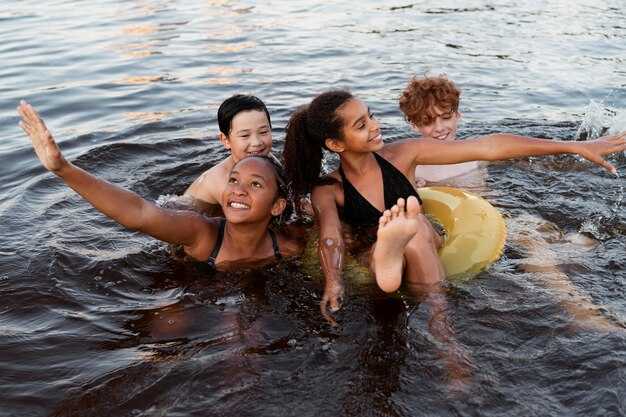 5 Great Water Activities for Your Next Vacation">

Kick off with a dawn snorkel off phuket to glimpse a rainbow reef and schooling fish. Glassy coves and gentle currents offer enough visibility to first-timers. Rent a basic mask, snorkel, and fins; guided trips typically run 60–90 minutes and cost around 25–40 USD, often including a light rash guard.
Then switch to norway by kayak along fjords, where granite walls rise above emerald inlets. Typical excursions run 2–4 hours, with a short safety briefing and a shore stop for snacks. Rates range roughly 70–140 USD, with options that fit each group’s pace and ages, longer than compact taster sessions.
Next, in hawaii, combine snorkeling with a sunset dinner cruise along sheltered beaches; turtles glide beneath the hull as you sip a drink. Book early to fit calm winds, and plan a 3–5 hour loop. If connecting from the mainland, factor inter-island flights into the timeline.
Where does this itinerary place each pick on a single plan? Questions about weather, gear, and safety help timing; then these options mix into a balanced schedule that blends beaches, nature, fjords, coral sights, and cultural dinners. Never overload a day. Develop contingency slots, add flights when required, and leave space for rest, having flexibility across ages, and back-up days.
Snorkeling Spots and Marine Life Near Crete’s Coast (Beginner Friendly)
Kick off with a 60-minute guided snorkel in Agia Pelagia, booked through licensed operators; choose a family-friendly rental set, and meet at a sandy cove with a shallow reef at 6–8 m depth.
Agia Pelagia offers a sheltered crescent, calm conditions, and visibility that commonly reaches 6–12 m on sunny days; entry is sandy and gradual, making a first-time excursion easy. Look for seagrass habitat and small reef fish such as rainbow wrasse and damselfish; mornings tend to bring gentler currents and clearer sightlines.
Elounda Bay and Spinalonga provide calm lagoons and shallow reefs, typically 2–5 m deep, ideal for ages 6 and up; expect family-friendly group sizes and bilingual guides from licensed operators. Some bangkoks-based operators coordinate logistics and inclusions, smoothing transfers between towns. Rentals are available nearby, with short-distance boat transfers to protected coves, minimizing exposure to rough sea.
Marine life spans from tiny parrotfish and damselfish to curious octopus and shy sea urchins; you may even glimpse larger visitors in deeper channels, and occasional whales drift offshore far from shore. The seagrass meadows and rocky outcrops form a vital habitat that supports a rainbow of species, offering a balanced perspective on reef life.
Tips, gear, and safety to maximize comfort: rent a well-fitting mask and fins, test seals at the surface, and keep movements smooth to avoid stirring sediments; never anchor on reefs or seagrass, and instead use sandy patches for stability. Stay at a shallow level near shore, respect wildlife, and maintain a comfortable distance from any marine life; aim for a low-adrenaline level during the first sessions, especially across ages. If seeking extra adrenaline, parasailing and other coastal options exist nearby as alternative adventures, but snorkel explorations around these coves remain the best entry point into Crete’s underwater world.
Family-Friendly Beach Activities You Can Do in Crete
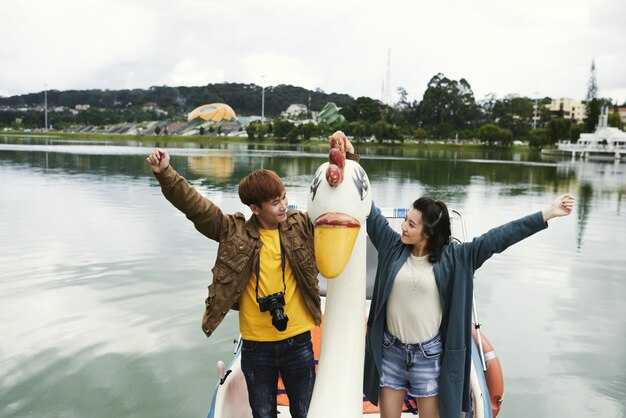
Kick off with a tranquil morning at a sandy cove near Elafonisi; this hawaii-inspired calm keeps life easy and safety high around swimmers.
Gentle Snorkeling and Safe Gear
- Choose sheltered bays and start with life jackets, masks, fins, and basic equipment, with safety features provided by on-site operators.
- Visibility is best in calm morning light; supervise youngsters closely and keep a respectful distance from reefs.
- Plan a concise route, pack light snacks, and bring a small towel for post-snorkel comfort.
Sand Play, Parks, and Island Views
- Iconic sandy stretches invite building castles, tunnels, and sculptures; kids playing with buckets marvel at nearby islands.
- In coastal parks, observe cultural features and traditions as part of a relaxing stroll before a sunset dinner.
Plan ahead with a simple checklist: sunscreen, towels, a lightweight pack of snacks, and a couple of things that make moments memorable, including life jackets, a camera, and a dinner option to cap the day. Operators from bangkok and okavango regions share tips; this adds some variety and truly adds excitement, making iconic experiences across islands and local parks.
Beginner’s Guide to Stand-Up Paddleboarding on Crete’s Calm Waters
Begin with a stable, wide board around 10’6″–11’6″ and a flat hull. Choose a model with a generous deck pad and a rounded nose; inflate to 12–15 psi for rigidity in Crete’s calm coves. Pick a lightweight paddle; length should reach about 6–8 inches taller than the rider. Rent equipment locally in Chania, Heraklion, or Rethymno to ensure a proper fit. Always wear a bright PFD and ankle leash; bring a compact dry bag and a spare fin. Start in sandy shallows to mount, stand, and practice paddling cadence before moving farther. Check wind and swell forecasts; mornings typically offer glassy conditions that suit beginners. Holidays along the coast pair well with this activity, delivering beautiful coastlines, easy rides, and a relaxed vibe. Crete’s climate is not tropical, yet summers bring steady sun and mild sea breezes; plan morning sessions for comfort and lengthen as confidence grows. This approach might become the entry to a longer paddling holiday.
Equipment and technique
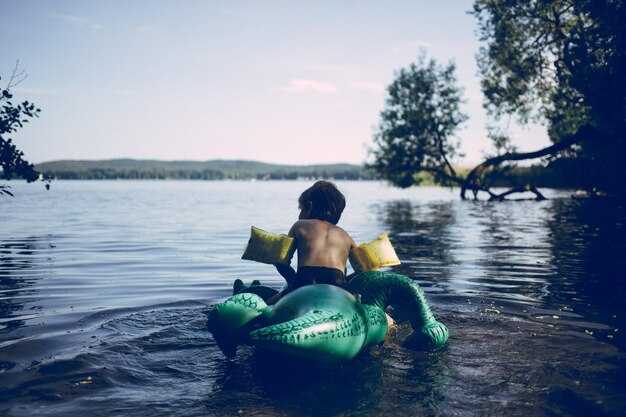
Stance: feet hip-width apart, knees soft, toes angled outward. Rotate the torso with each stroke; reach the blade well past the toes, then pull toward the hip. Paddle length about 6–8 inches taller than the rider yields leverage without overreach. Maintain a light knee bend, keep the gaze forward, and pace paddling for a smooth cadence. The surfer mindset helps balance: a small hip rotation aids turns while keeping the paddle close to the body. To deepen, try lightweight drills or simple games that improve rhythm. Having done basic drills, move to longer stretches along islands as confidence grows; experienced paddlers can push distance incrementally while staying mindful of currents. There, youre ready to practice walking along the shoreline after sessions, watching marine life glide by; paddle cadence often feels instinctive with a little repetition.
Spots, habitat, and culture notes
Crete’s coast offers sandy beaches and calm lagoons near towns; first routes lie near Chania’s western coast, Balos, and Elafonissi, where shallow shelves invite easy rides. The habitat includes sea grass beds and small fish that invite watching. The culture around harbours blends fishermen, tavern meals, and sunset gatherings; during busy holidays, beach games and party vibes appear in lively spots. If travel continues toward bangkok or portugal, Crete remains a strong paddling base; there, a walking path along the shore leads to cafés and viewpoints. Islands off the main coast provide short cruises to satisfy growing interests and keep holidays varied. Watching the shore shift with the tide can be a highlight, and walking back along the promenade ends the day with quiet satisfaction. There you find a calm, beautiful balance between practice and exploration. Over time, you’ve found a calm, beautiful balance between practice and exploration.
Coastal Kayaking Routes and Safety Tips Around Crete
Start with a short sheltered outing along the Chania coast to test stability, deck fit, and signaling, then extend to longer paddling along landmark headlands to build skill in 5-10 km segments.
Coastal routes and planning
Western Crete offers calm bays from Chania toward Agioi Apostoloi, with a reachable loop toward Falasarna. Those sections provide habitat variety, shallow coves, and accessible staging spots for practice in paddling and turning. Balos and Gramvousa form an iconic corridor that rewards early start and careful timing to avoid gusts. From Kissamos, a round trip to Cape Gramvousa requires watching a NW breeze during Meltemi season, then returning along the coast if wind rises. Eastward options from Agios Nikolaos to Elounda and Spinalonga deliver sheltered water and scenic atmosphere, while the Sitia coast adds longer, wind-averse segments. Remote routes toward the Turkey coast are less common, but the broader area offers areas that connect by sea lanes and extend exposure beyond the main island. During planning, segment the journey into short legs and stay near shore; keep a log of wind shifts and positions as a safety relay.
Safety, gear, and contingencies
Wear a PFD and spray deck; keep a deck bag strapped and secure; use a paddle leash and a whistle; carry a compact float plan and a waterproof map; pack sunscreen and water; choose a type of kayak with suitable stability for the route; ensure a buddy is involved; set a plan to stay within sheltered channels and avoid open ocean crossings when chop exceeds skill threshold; check forecast and wind during Meltemi periods; if weather worsens, retreat to shore rather than pushing limits.
Communication and rescue readiness: carry VHF on channel 16 and a charged phone in a waterproof case; inform someone on land about the outing route and ETA; in australia, the system ensures quick response in remote coastlines; nearby Turkey basins provide alternate landing points if needed. Those steps reduce risk and make sessions safer. Always stay with the boat and practice paddling and riding technique to improve confidence and stay deliberate.
Intro to Scuba Diving: Submerged Worlds Near Crete for First-Timers
Grab a confirmable slot through a national operator in Elounda or Heraklion; begin with a confined pool session, then proceed to one of the nearby shallow pools under supervision. This path suits adult learners and multi-generational groups, delivering a strong safety baseline and flexible scheduling.
During the first undersea exposure, expect calm currents, clear visibility, and the chance to discover a living habitat of small reef fish, octopuses, and moray eels. dolphins are a possible encounter in surrounding zones off Crete’s coast, so stay alert and await fleeting moments to photograph–bring a compact camera and a weatherproof case, then grab a few wide-angle shots.
Experience unfolds in stages: early safety briefing, then a controlled ascent through shallow zones, followed by a guided overview of a known spot with abundant life. A typical intro session runs about two hours, including gear setup, safety checks, and the portion under the surface. For multi-generational groups, centers offer flexible pacing and optional cultural experiences in nearby towns, plus the chance to enjoy a bit of nattliv or local entertainment after the session.
Safety and site selection matter. Look for sites on Crete where the surrounding waters are calm and the habitat is healthy, with a solid reef or gentle slope type suitable for beginners. Choose a center accredited by a national agency (PADI or SSI) and check that safety equipment, rescue protocols, and instructor ratios meet strong standards. marco heritage influences local kultur around reef spots.
Practical tips: grab a light, quick-dry layer, wear reef-safe sunscreen, and travel with a compact dry bag. Early mornings offer the best sea conditions, then you can surf afterward or relax at the nearby pools. For families, plan a day that includes parks and other nightlife venues in the area, turning this coastal place into a multi-faceted experience with local culture.