


 Svenska
  English (UK)
  Русский
  العربية
  日本語
日本語  한국어
한국어  Magyar
  Türkçe
  Español
  Čeština
  Português
  Ελληνικά
  Suomi
Suomi  Nederlands
  Română
  Italiano
  Français
  Polski
  Українська
  Deutsch
  简体中文
简体中文  Slovenčina
  5 Essential Questions Smart Buyers Ask When Purchasing a New Boat">

Begin with a concrete budget envelope: calculate the base cost of the yacht, plus annual maintenance, insurance, and fuel; youll need a cushion for docking, surveys, and potential upgrades. If you cannot obtain clear service histories, demand a professional inspection and a written disclosure. You may encounter even a modest discrepancy in records that can derail the negotiation. Knowing the nearest marina fees helps you compare true ownership costs.
Second factor: provenance and condition: verify service history, prior owners, and any incidents that occurs and were reported during surveys; inspect the hull, deck, and interior wear; request maintenance invoices and at least two independent inspections; ensure the seller clearly explains repairs that occurred and whether gear was replaced; this helps assess the class and anticipated life. Aim to reduce the least risk by relying on independent evaluations.
Third area: performance and safety: request a documented sea trial or verifiable data on hull efficiency, stability, and handling; confirm life-saving gear is up to date; ensure the flashing anchor light is visible and that the anchor holds in wind; if the logs exist, find independent verification; assess the risks of operating near rivers or in chop.
Fourth factor: equipment, layout, and on-board systems: inspect electronics, backup power, and the verktyg that support safe operation; verify anchor gear, windlass, and bilge pumps work; review the board layout, access to compartments, and the condition across areas of the hull; check for corrosion or leaks and request the most recent service records.
Fifth element: documentation, ownership chain, and value trajectory: verify the year of manufacture, confirm title and liens, and review sea-worthiness certificates; compare with nearest rivals to gauge relative cost and risks; check maintenance logs for consistency. A transparent seller reduces the chance of a junction of problems that occurs at sea; youll feel confident and can predict life-cycle costs, reducing the possibility of collisions.
Boat Buying Insights and Trivia Guide
Registration verification and flotation devices must be confirmed first; ensure hand-held VHF is available for shoreline communication and emergency signaling.
- Legal basics and compliance: Confirm registration and the vessel’s class; read ordinances that apply to coastal areas; note the series and models called out by manufacturers; ensure the paperwork matches the types of craft under consideration.
- Safety equipment and devices: Verify a full set of flotation devices is available; ensure PFDs are properly sized and stowed; have throwables and a hand-held radio for emergencies; all gear should be kept safely for passenger safety.
- Propulsion and hull options: Compare motor types (outboard versus inboard), horsepower ranges commonly offered, and maintenance history; check construction details and flotation under load; confirm the hull has adequate buoyancy and is made to withstand local waves; perform engine down checks to verify idle stability.
- Operational readiness and risk mitigation: Plan routes for entering and leaving sheltered bays; operate slowly near shoreline; in areas taking on heavy chop, set strict speed limits and use stabilized seating; map safe anchor areas and review weather ordinances; verify required lights, sound signals, and registration status for the area.
- Testing, trials, and local usage tips: Do a full sea trial in the York coastal area to observe throttle response, steering, and trim; check battery state and fuel economy during a calm lap and in chop; document case results for comparison of options on the same block of pricing.
- Documentation and ownership path: Collect the case history, manuals, and service notes; confirm the availability of service networks and parts; verify registration transfers and ownership paperwork; consider devices like hand-held GPS that may add value to the setup.
5 Key Questions Smart Buyers Ask When Purchasing a New Boat; 94 Boating Marine Trivia Questions Ranked from Easiest to Hardest

Inquiry 1: Start by confirming watertight hull integrity and propulsion readiness during a hands-on boating demo; insist on a printed components list with serial numbers and service marks, and have the dealer show the maintenance history. Inquire about shoreline ordinances and local rules south of your marina, and ensure compliance before moving toward a deal. Check life vest availability and emergency gear, and verify navigation light operation with flashing beacons. Test stability on horizontal water at 5 to 7 knots, and confirm stand-on behavior relative to other craft. Take the call details, log the mark on the GPS, and photograph the printout for your board review; during the trial, confirm queen berth and other onboard storage, and note any extending features that affect balance. This approach covers core boating safety and reduces risk during the evaluation.
Inquiry 2: Evaluate ongoing ownership costs and value by requesting the maintenance schedule, parts availability, and typical service intervals; get a five-year cost forecast covering insurance, storage, fuel, and slip fees. Compare fuel economy at common cruising speeds and ask for a recent fuel log; verify the dealer’s service network and response times, especially if you plan to travel York-to-Queens routes. Ask for warranty terms and the scope of coverage for electronics and propulsion, and confirm whether a marina call-out or on-site service is available. Request a sample financing plan with a transparent addition or rebate structure; ensure the print copies align with your budget and that the overall deal remains within your staying plans.
Inquiry 3: Review safety systems and regulatory alignment; ensure required equipment meets ordinances and is in serviceable condition; test bilge pump sequence, fire suppression readiness, and emergency signaling such as distress calls and VHF beacon. Confirm watertight compartments and anchor handling capability; verify required water-safety gear including a vest for each occupant and a spare on board; check navigation light functionality at dusk; ensure orange emergency markers and flashing lights perform as expected; review shore-power setup and battery isolation, and ensure the vessel can stay extended for extended trips without electrical drain. Document water and shore-based links for maintenance and compliance, and confirm that all components are accessible for regular checks during stays on shorelines or bays.
Inquiry 4: Assess design choices and usability; compare hull form (mono vs. multi) and distribution to improve stability when staying near the shoreline. Review the knot of weight distribution and ballast, and check deck layout for a queen-size sleeping area and conversion options. Assess component quality, including propulsion, steering, electrical, and plumbing, and confirm available upgrades and after-market additions; verify print brochures for specifications and notes from the maritime board. Ensure the system can extend range or capabilities without compromising safety; test docking ease, turning radius, and visibility of water and light cues during varying weather conditions, and verify that orange markers align with charted shoreline features.
Inquiry 5: Confirm seller credibility and after-sales support; request recent service history and cross-check with official maritime records. Ask for a supervised demo that includes engine start, heat cycle, and a confidence pass on the transom; verify transfer documents and title readiness, and discuss training, parts availability, and service-network reach. Arrange a follow-up inspection with a third-party survey and a second-water test; finalize the deal with a clear printout of all terms, including any included gear and the addition of an extended warranty. Keep in mind contact methods: printouts, phone follow-ups, and documented milestones to ensure you remain informed as you move from the test dock to ownership along the shoreline.
Define your primary use and select the boat type (cruiser, bowrider, fishing, or family boat) to match needs
Start with your primary use. Assess your need for overnight comfort or quick errands. For families and friends seeking common uses–casual cruising plus light watersports–the bowrider offers the easiest transition between lounging and activities, with open bow seating and straightforward entry. For long day trips or overnight stays, a cruiser provides a full cabin, galley, and a dry head. For anglers, a center-console or dedicated fishing craft delivers ample deck space, rod holders, and a motor strong enough to reach remote spots. This mapping helps you pick a vessel type that matches needs right away.
Safety and legality shape the plan. Decide on a suitable anchor setup and keep a light, waterproof extinguisher within easy reach. Know emergency procedures, including how to call mayday and how to operate the radio. Alcohol while operating falls under legal limits; never drink and operate. The operator should be trained, and everyone aboard knows where the life jackets, spare fuel, and first-aid kit are stored. What you require to stay compliant includes a throwable flotation device and a working motor. You cannot rely on luck; you must take care of equipment and crew readiness before taking custody of the water.
Numbers and factor: Consider the numbers behind the choice. In the Americas market, models come with varying names and configurations; ask dealers for what is suitable for your waters and climate. For days with friends taking trips, ensure seating shares the space; a lightweight hull stays easier to tow and store, while a more permanent cruiser trades flexibility for comfort. Compare deal pricing and feature packages; fuel numbers matter; plan for range based on the planned uses and the motor type. A capable craft reduces risk during entering marinas or channels and helps you stay fine on the water. Consider permanently installed features such as a swim platform or fixed seating that enhance convenience but add weight to the hull.
Final check: kennedy-era safety ethos emphasized preparation and clear communication; shares your plan with anyone who will ride, and confirm a simple maintenance and safety routine before every trip. A well-chosen vessel aligns with uses, legal rules, and the environment, and it makes staying in smooth waters a routine, not a gamble. With careful selection, you gain a dependable partner for anchor duty, storage, and daily enjoyment, shared among friends.
Set a total ownership budget, including purchase price, moorage, fuel, insurance, and maintenance
Set a hard cap on all costs upfront, then translate it into a practical plan. List every item: purchase price, moorage, fuel, insurance, annual maintenance, and unexpected repairs, then assign a fixed limit for each category. This clear frame helps avoid drifting into overpriced options and keeps the discussion focused on value rather than hype.
Estimate upfront cost by vessel size and features. For entry-level 20–24 ft watercraft, acquisition price typically ranges from $40,000 till $90,000; mid-range 25–34 ft often $100,000 till $180,000; larger, modern designs exceed $300,000. Använd mäklarofferter för att förankra siffror och notera vilka namn eller modeller som passar dina behov. Inkludera däckbeslag fram och skrovuppgraderingar i den ordning du jämför alternativen.
Förtöjningskostnaderna varierar stort beroende på region. I kustnära marinor ligger de årliga båtplatsavgifterna vanligtvis på omkring $2,000 till $12,000; inlandsanläggningar kan vara $1,500 till $6,000. Om du äger flera vattenskotrar, fråga efter medlemspriser eller paketerbjudanden när du gör en beställning. Visade priser bör vara uppdelade i främre, mittersta och sidoplatser så att du kan jämföra lagringsalternativ sida vid sida.
Bränsle- och driftskostnader är nästa viktiga faktor. Om du räknar med 40–80 timmars drift per år, planera för bränsle till ungefär $3.50–$4.50 per gallon, vilket leder till årliga bränslekostnader runt $800 till $3,000 för måttlig användning, och högre för snabbare eller längre resor. Inkludera en anordning för att övervaka bränsleeffektiviteten och en separat rad för underhåll som täcker komponenter som är utsatta för slitage, såsom pumpar och filter. Om du dyker eller snorklar, räkna in underhåll av utrustning och extra lufttuber i ägandekostnaden.
Försäkring och underhåll utgör en stabil andel av budgeten. Årlig täckning varierar vanligtvis från $500 till $2,500 för mindre fartyg, vilket ökar i värde och risk. Underhållsreserver bör byggas upp med 5–10 % av inköpspriset varje år, plus en nödfond för större reparationer. Ett tydligt schema hjälper folk att se när service är aktuell och håller skrovet i bättre skick längre.
Säkerhet, lärande och tidig planering lönar sig. Involvera vänner och en betrodd medlem för att granska planen; gör en realitetskontroll innan du förbinder dig. Hantera risken för hypotermi under kalla årstider med rätt utrustning och utbildning. Dokumentera planen med en tydlig bild och förvara den där alla kan komma åt den. Trivia kan hålla diskussionen fokuserad på siffror och säkerställa att innebörden av varje kategori förstås av alla som deltar.
För att optimera budgeten ska kostnadsnamnen spåras i en enda vy och uppdateras årligen. Se till att budgeten passar din verksamhetsordning och ditt kassaflöde, med beaktande av klimatavtryck som bränsleeffektivitet. Tidig planering gör spänningen mer långvarig och hjälper dig att glida smidigare in i många säsonger med självförtroende.
Välj skrovtyp, framdrivning och layout baserat på typiska förhållanden och besättningsstorlek
För en yacht med 4–6 ombord i typiska sjöar, välj ett djupt V-format skrov med dubbla utombordare (ungefär 300 hk vardera) för att balansera åkkomfort, hastighet och tillförlitlighet i 0,6–1,2 meters vågor. Denna konfiguration ger en smidig övergång till planing, håller bränsleförbrukningen rimlig och minimerar trötthet hos besättningen under längre sträckor. Inkludera en toalett i den främre kabinen och en upplyst styrpulpet för att förenkla växlingen mellan arbetsuppgifter under gång.
Kvalificera framdrivningen efter planerade rutter: öppna vattenöverfarter gynnar dubbla dieslar eller snabba sterndrives för längre räckvidd och bättre kontroll, medan kustnära hopp vinner på lättare utombordare med högre vridmoment för snabb acceleration och enklare underhåll. Säkerställ att en enhet för väder- och positionsuppdateringar finns inom räckhåll från styrplatsen och verifiera att displayen tydligt visar fartygets smeknamn och registrering. Inför en dödmansknapp, flytvästar och en enkel säkerhetsplan för att minska riskerna när sjön stiger eller sikten försämras nära orange markeringar eller rev nära öar. Samordning med vänner ombord är enklare när planer delas och systemen redundanskontrolleras i förväg.
Layouten bör minimera rörelser i hårt väder: en bred bänk med sidodäck, ett kompakt pentry och ett gästområde som kan konverteras till sovplats för en tredje eller fjärde passagerare om det behövs; placera toaletten nära bogsidan för avskildhet och korta turer. Inkludera en praktisk plan för ilastning av utrustning och alkoholhanteringsregler för att hålla besättningen fokuserad på säker drift. Tidigare ägare brukar visa utrustningslistan nära rodret – läs den noga, inklusive säkerhetskontroller och de högre prioriterade punkterna först, för att säkerställa att varje rutt är förutsägbar och redo för nästa samtal från vänner eller en närliggande yachtklubb.
| Hull type | Framdrivningsalternativ | Layoutöverväganden | Typiska förhållanden | Besättnings lämplighet |
|---|---|---|---|---|
| Djupt V-planande | Dubbla utombordare (200–350 hk vardera) eller dubbla inombordare med drev | Bred cockpit, huvud akterut, framåtvända säten; upplyst instrumentbräda; förvaring inuti relingarna; smeknamn på displayen på fören; närhet till ett enkelt pentry | Öppet hav, sjögång upp till 1,2–1,5 m; kustpassager; nära närmaste ö | 4–6 |
| Halvplanande / modifierat V-bottenskrov | Dubbla utombordare eller inombordare med mellankraft | Mindre pentry, flexibla sittplatser, kompakt toalett; robusta räcken; enkel sidoåtkomst, tredje sittplatsalternativ | Lugna till måttliga hav; inre farleder | 4–8 |
| Deplacement / långdistans | Inombordsdiesel | Mittlinje nedgång, större toalett, flera hytter; högre förvaring; tydlig siktlinje till sidodäck | Öppet hav, lätt till måttlig sjögång; långa ben | 6–12 |
Utvärdera återförsäljarens trovärdighet, garantitäckning och tillgång till pålitlig support efter köpet.
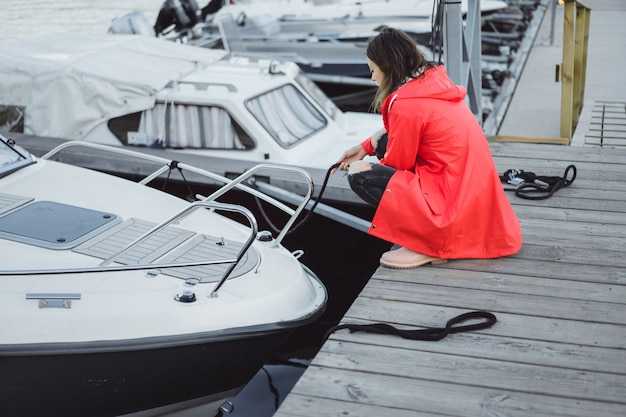
Verifiera trovärdigheten genom att kontakta det officiella återförsäljarnätverket, kontrollera lokala referenser och säkra skriftliga garantivillkor innan du förbinder dig.
Primär täckt bör vara full for each större system – motor, drivlina, elektronik och säkerhetsutrustning – under en bestämd period. Inkludera tydliga undantag (förslitningsdetaljer, kosmetiska skador, skrovskador till följd av felaktig förvaring outside). Förtydliga överföringsreglerna om du uppgraderar senare. Säkerställ ett brett nätverk av auktoriserade servicecenter inom state och i närliggande regioner så youll resa längre sträckor utan avbrott. Begär en karta över officiella partners och bekräfta att teknikerna är utbildade för sonar och annan elektronik som farkosten använder.
Eftermarknadsstöd bör inkludera snabba svarstider, assistans på vattnet för kapsejsa eller faror och fjärrdiagnostik via en handhållen enhet eller app. Bekräfta att english språket stöds, med en särskild kontaktperson som kan vägleda dig under en kris. Om återförsäljaren deltar i convention verksamheter eller utbildningsnätverk, vilket tyder på fortgående personalutveckling. Säkerställ att delar för olika modeller finns i lager och snabbt kan skickas till york state eller annorstädes.
Kontrollera täckning för olika plattformar, från gul kayak till fiskefartyg och verifiera att capacity alternativ stöds. Bekräfta att service på plats är tillgänglig när du reser utanför local butiksyta, och att diagnostik på vattnet för en handhållen sjömätare eller annan elektronik. Leta efter tydlig vägledning om faror och hypotermi, säkerhetsutbildning och en plan för väderberoenden i din course.
Innan du skriver under, kräv ett skriftligt serviceavtal och en garanti för minsta svarstid, plus en tydlig eskaleringsväg om ett krav är begränsat till en modell eller region. Bekräfta att garantin fortsätter att gälla om huvudbutiken byter ägare och säkerställ tillgång till en kundportal med uppdateringar. Om arrangemanget är populärt bland boaters, känner du dig trygg med att partnern kan hantera hela spektrumet av behov – från rutinmässigt underhåll till större reparationer – medan du planerar resor tillbaka till sjön eller till en convention för att lära dig om den senaste utrustningen, och du kan plog gå igenom det finstilta för att verifiera allt kapsejsa, knot, och course-relaterade bestämmelser omfattas.
Planera för säkerhet, registrering och försäkringsaspekter innan du slutför ett köp
Måste verifiera att farkosten har fullgod försäkring och ordna förhandsgodkännande för lån; få en översikt över begränsningar, självrisker och vad som är undantaget.
Registrering: Kontrollera lokala och internationella regler om du planerar att verka över områden; bekräfta att fartyget är registrerat i din stat eller ditt land; inhämta förbundets riktlinjer.
Säkerhetsutrustning: Säkerställ att flytanordningar inte har passerat utgångsdatum; kontrollera att skydd mot hypotermi ingår; ha huvudskydd, blinkande signaler, räddningshjälpmedel; se till att farkosten har breda däck för att minska risken att falla överbord.
Funktionskontroller: dagsljustest rekommenderas; bedöm vätskor ombord; säkerställ barlastvätskor och bränsletyper; kontrollera förvaring under däck för att undvika spillrisk.
Försäkringsinformation: definition av vilket skydd du behöver, vad som ingår för en kölbat jämfört med andra farkoster; bekräfta om internationella resor täcks; beskriv tusentals i potentiella förluster; säkerställ tillgång till hjälpmedel.
Beslutsramverk: om priset liknar andra, utvärdera extra förmåner; beakta säljarens uppförande och föreningens riktlinjer; undvik övermodiga val; planera med söder- eller sjöanvändning.