


 English (UK)
  Русский
  العربية
  日本語
日本語  한국어
한국어  Magyar
  Türkçe
  Español
  Čeština
  Svenska
  Português
  Ελληνικά
  Suomi
Suomi  Nederlands
  Română
  Italiano
  Français
  Polski
  Українська
  Deutsch
  简体中文
简体中文  Slovenčina

Apply broad-spectrum sunscreen SPF 50+ to all exposed skin, covering open areas, and apply every two hours, especially after sweating or swimming.
Always wear long-sleeve UPF shirts and protective sleeves to block UV on exposed areas; choose lightweight fabric that dries quickly for lasting protection.
Seek shade during breaks and plan activities to dodge peak sun hours; these tips show how protection can become part of every voyage.
Protect eyes and lips: wear sunglasses with 100% UV protection and apply SPF lip balm; UV rays can be absorbed by skin and deck, even when you’re under shade.
Stick to a routine: reapply every two hours and after swimming or sweating; reapply frequently during long days, and keep the bottle down in a shaded pocket to avoid leaving it in direct sun. Tell others on deck to seek shade and protect kids with extra coverage. Stay hydrated to help your skin cope with sun exposure.
Sun Protection for Sailors: 6 Top Tips for Safe Sailing – Teens
Apply broad-spectrum sunscreen 30 minutes before going outside to block UV rays and prevent sunburn.
Choose protective gear for full coverage and extra protection: long sleeves, a wide-brim hat, and sunglasses with UV protection to keep skin and eyes protected throughout the activity.
Many sunscreens exist, including chemical and mineral formulas; intego offers a lightweight option with protection technology designed for teens. The sunscreens used deliver equally effective coverage when you follow the application directions.
Reapply every two hours, and after swimming, sweating, or towel-drying; choose water-resistant formulas so you stay protected during activity. Reapply without delay after any wipe-down or splash.
Plan shade breaks during peak hours to limit exposure; wear lightweight layers to keep arms and neck covered, extending protection during sailing. Take breaks every 20–30 minutes on longer trips to stay comfortable.
After sailing, rinse skin to remove sunscreen and chemicals; moisturize and monitor for redness or irritation. Keep extra sunscreen in a dry bag and replace used tubes to maintain full coverage for the next activity.
Practical sun safety plan for teen sailors at sea
Particularly at sea, a combination of sunscreen, protective clothing, and a companion safety routine provides solid protection. This plan provides clear actions you can take on every voyage, designed for spending long hours on the water. The developed approach helps you stay safe when the sun’s rays are intense and radiation exposure is high.
- Layer up with a sun-protective combination: wear a UPF 50+ long-sleeve shirt, long pants, a wide-brim hat, and wraparound sunglasses. Add a neck gaiter to cover the back of the neck against radiation; this layer stays comfortable and is easy to adjust when moving between sun and shade, keeping protection equally strong for all crew members.
- Protect every exposed area with a sunscreen protocol: apply broad-spectrum SPF 50+ 15 minutes before exposure; reapply every two hours, and immediately after sweating, swimming, or towel-drying. Sprays offer easier coverage on hard-to-reach spots, while lotions work well for sensitive areas like ears. Reapply once you re-enter shaded zones.
- Hydrated body strategy: keep hydrated by sipping water regularly–target at least 2 liters during a 4–6 hour watch, plus electrolyte drinks on hot days. Spending time under intense sun increases sweating, so keep fluids handy and take small, frequent sips.
- Eye and lip protection: choose sunglasses with 100% UVA/UVB protection and a snug fit; carry lip balm with SPF 15+ and reapply every two hours or after sweating. These measures defend against radiation to eyes and lips.
- Schedule and shade: plan activities for the cooler parts of the day, such as early morning or late afternoon; use shade when possible and deploy a portable canopy or cockpit shade to reduce direct exposure. This easier approach helps preserve sunscreen effectiveness during long shifts and keeps the crew safer.
- Team accountability and safety routine: pair up so each teen reminds the other about reapplication and hydration; maintain a simple log of sunscreen checks, water intake, and gear worn. Others can join in by sharing sprays and spotting high-exposure spots back on deck.
Tip 1: Choose SPF 30+ Broad-Spectrum, Water-Resistant Sunscreen
Choose SPF 30+ broad-spectrum, water-resistant sunscreen and reapply every two hours, or after swimming, sweating, or toweling off. Make sure it is an SPF-rated formula that can absorb quickly and dries clear on the surface, delivering lasting protection.
Apply generously to all exposed areas, where skin meets sun: ears, nose, cheeks, neck, and the surface around your sunglasses, oriented toward full coverage. Even on cloudy days, they can burn, so reapply frequently when boaters or those in yachting conditions are exposed.
Look for features such as UVA/UVB broad-spectrum coverage and water resistance for 40 or 80 minutes, easy to spread, and a clear finish that won’t irritate the eyes. If you have sensitive skin, choosing sparms-free and fragrance-free options helps; test on a small patch first.
When deciding between chemical and mineral options, chemical filters keep the feel light and easy to wear, while mineral formulas sit on the surface and reflect UV. For harsh sea spray, pick a SPF-rated option from a trusted name-brand and check the label for the exact chemical name of filters used.
Range of choices exists in salons and online, with many name-brand products tailored to yachting and boating. Choose a formula that suits your skin type, and carry a spare tube so you can reapply often during long passages.
Melanin provides some natural protection, but they still need sunscreen to prevent sunburns and long-term eye health issues like cataracts. Women sailors benefit from consistent use, pairing sunscreen with a wide-brim hat and UV-blocking sunglasses for comprehensive coverage.
Tip 2: Wear UPF Clothing and a Wide-Brim Hat
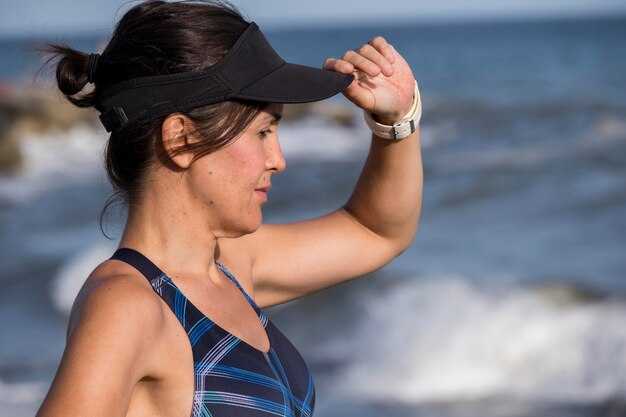
Choose UPF 50+ tops and bottoms to give full coverage from the sun on deck. These fabrics block about 98% of UV rays, making long days on the water safer. For yachting and watersports, select tight-weave, quick-dry blends such as nylon-polyester with stretch; you’ll get durable protection that holds its color and shape. Picking long-sleeve shirts and full-length pants is a practical baseline for serious sun exposure. thats why many sailors favor UPF gear.
A wide-brim hat with a 3-4 inch brim delivers shade for ears, neck, and cheeks. Choose UPF-rated headwear or a natural straw hat with a UV-blocking lining. On hot days, a light, breathable fabric keeps you cool while protecting skin on the forehead and scalp. This simple addition makes a big difference on sun-drenched decks.
Advise crew to apply a hypoallergenic sunscreen if skin needs extra protection; look for palmitate in the ingredient list and zinc-based filters. Apply after donning UPF clothing and hat; reapply every two hours or after swimming, sweating, or towel-drying. Spending long hours on the water becomes safer when you combine UPF gear with thoughtful skin care; this approach keeps you protected and maintains full mobility for yachting, watersports, and other sports.
Tip 3: Protect Eyes with 100% UV-Blocking Sunglasses
Choose sunglasses with 100% UV protection (UV400) and a wraparound frame oriented to block glare from water and sky. This is a serious investment in eye safety, especially for sailors and boaters who spend long days on deck.
In the afternoon sun, glare travels from water, sky, and reflected surfaces. Polarized lenses reduce glare by up to 99% and help you maintain contrast while spotting hazards. For bright sun, aim for a tint around category 3; avoid very dark category 4 lenses when you need accurate color cues from buoys, signals, or charts, especially in rough weather.
This quick list of features helps sailors and boaters compare options quickly. Look for a combination of features that supports all-day wear: fully sealed lenses, scratch resistance, anti-fog treatments, hypoallergenic materials whose parts won’t irritate the skin, and a design that sits securely on the face with non-slip nose pads and temple grips. Choose frames whose materials have minimal smell to reduce irritation during long shifts.
Key features for long-term use include a small, lightweight frame oriented for a comfortable fit on the face, whose nose pads are non-slip and whose temples stay secure when you move. A combination of UV protection, polarization, and wraparound geometry is easier to wear for daily sailing duties and protects the eyes without sacrificing color perception.
People susceptible to sun sensitivity will notice reduced headaches and fatigue when glare is blocked, unlike cheap sunglasses that warp or slide. Spending a bit more upfront saves long-term eye strain and potential medical costs, while delivering clearer sight during critical moments on deck.
For convenience during daycare routines or family time on the boat, keep a spare pair on your shoulder strap or in a hatch pocket so you’re ready for the next watch. A rugged, easy-to-clean model with a secure fit makes midday shifts easier to manage and reduces the chance of misplacing lenses in salty conditions.
| Feature | Why it matters | What to look for |
|---|---|---|
| UV protection | Blocks 100% UVA/UVB; protects eyes from cumulative damage | Label UV400 or 100% UV; high-quality polycarbonate lenses |
| Polarization | Reduces glare from water and surfaces; enhances contrast | Polarized coating; test by looking at a shiny surface with frame rotated |
| Wraparound coverage | Prevents light from entering from the sides | Frames that curve around the face and sit close to cheeks |
| Lens tint | Balances brightness while preserving color cues on the water | Common choice: category 3 for sunny days; avoid overly dark category 4 in open water |
| Materials | Hypoallergenic options reduce irritation; smell-free design | Look for hypoallergenic labels; ensure minimal odor |
| Durability | Fully sealed, impact-resistant construction withstands salt spray | Scratch-resistant coatings; sturdy hinges; metal-free or rust-resistant components |
Tip 4: Apply Sunscreen Correctly and Reapply After Water or Sweat
Apply a broad-spectrum sunscreen marked spf50 at least 15 minutes before you head on deck, and reapply every two hours, or sooner after swimming, sweating, or activity.
Choose a water-resistant type labeled 40 or 80 minutes on the packaging, and reapply immediately after any water exposure or persistent activity that causes sweating. This ensures continuous protection during long shifts on deck.
Spread a generous, even layer over all exposed skin–face, ears, neck, hands, arms, and any sun-exposed legs–then wait a moment for it to absorb before you dress. You should feel a light, breathable coating, not a heavy or sticky film. Make sure to cover the gaps between fingers and back of the hands for complete protection. To maintain lasting protection, reapply after each heavy sweat or after a swim.
Protective measures matter: seek shaded spots where the sun is strongest during peak times, like mid-day, and wear a wide-brim hat and sunglasses; sunscreen alone reduces risk but is most effective as part of a set of precautions. Together, these steps can bring exposure down.
Check ingredients to avoid overlooked irritants; some formulas use palmitate, while others include different emollients, and packaging may vary by brand. If you have sensitive skin, test a patch, choose fragrance-free options, and apply evenly where you are spending long hours on the water. In the long run, diligent reapplication protects against cataracts and keeps your skin feeling comfortable, not chalky or white.
Tip 5: Sail in Shade and Schedule Breaks During Peak UV Hours
Stay in shade and schedule breaks during peak UV hours (10 a.m. to 4 p.m.). Shade on deck–bimini, sprayhood, or a sun shade sail–blocks direct radiation and lowers exposure for ears. Reflected glare from water can make UV exposure 2–3 times higher, so shade is a strong starting point.
Plan deck tasks around shade windows. Take a 15-minute break every 60–90 minutes for rehydration, sunscreen reapplication, and skin checks. When shade is scarce, rotate crew between sunny tasks and shaded corners, and wear a wide-brim hat to shield ears and neck.
Apply spf30 sunscreen 15–30 minutes before exposure and reapply every 2 hours, or after sweating or swimming. For longer shifts on deck, layer moisturisers with palmitate to help the skin absorb moisture and support the barrier. If you prefer a lighter feel, choose a chemical filter within a broad-spectrum product. Remember to cover all exposed areas and reapply after you rinse or towel off.
Protect eyes and lips as well: UV-blocking sunglasses with 100% UV protection, lip balms with SPF, and regular reapplication of sunscreen. Keep ears protected with a wide-brim hat or cap that shades the sides of your head. If you have sensitive skin, test moisturisers and filters on a small patch first and check with a doctor if irritation occurs.
Look for products labeled with ewgs guidance for safe chemical filters. Bloquv sunblock can offer quick coverage; pair with moisturisers that absorb quickly. Deliberately using shade, planned breaks, and SPF reduces radiation exposure, making a great difference over a long day at sea.
Tip 6: Hydration and Post-Sail Skin Care
Hydrate promptly after landing: drink 500 ml water within 30 minutes, then continue to sip regularly for the next several hours and maintain steady intake throughout the day. Before you head back to deck, rehydrate.
Salt spray and sun exposure dehydrate skin quickly on a yachting deck; pair hydration with a simple post-sail skin routine to restore moisture and protect against irritation. Experts said that consistent hydration remains a key factor in skin resilience during offshore days.
- Hydration plan: drink water and, when needed, electrolyte drinks to replace minerals; aim for 2–3 liters daily during active sailing, adjusting for heat; frequently check thirst signals and adjust accordingly; if you sweat heavily, youre advised to mix in electrolytes.
- Post-sail cleansing: rinse with fresh water to remove salt, sand, and sunscreen; use a gentle cleanser with minimal ingredients; avoid harsh scrubs to protect susceptible skin.
- Moisturizing: apply a fragrance-free moisturizer within minutes after cleansing; choose products with glycerin, ceramides, and hyaluronic acid; for extra protection, layer a hypoallergenic balm; if you have dry patches, you can apply a second thin layer.
- Sunscreen and protective gear: select a zinc-based sunscreen or a hybrid formula that provides broad-spectrum protection directly on the skin; reapply every two hours when outdoors, and after swimming or heavy sweating; for hands and exposed areas, consider hypoallergenic gloves to minimize friction and irritation when handling gear.
- Shade strategy: when resting, use a canopy or seek shaded areas to reduce ongoing UV exposure; even short breaks help keep skin from drying out.
- Special considerations: susceptible skin or a history of irritation benefits from testing new products on a small area first; American brands offer many hypoallergenic options designed for active outdoor use.
- Eye protection: to reduce cataracts risk, wear UV-blocking sunglasses and a wide-brim hat; protecting eyes complements the skin care plan.
- Consistency and early routine: start hydration and skin care early in your sailing day and repeat frequently after each session to keep the skin resilient during back-to-back trips aboard a yacht.
- Remains a practical habit: maintaining these steps helps skin recover faster from salt, wind, and sun exposure and reduces the likelihood of early dryness.