Flotilla Sailing Greece 2026: Routes, Costs & What to Expect

Founder, TheThinksters.com
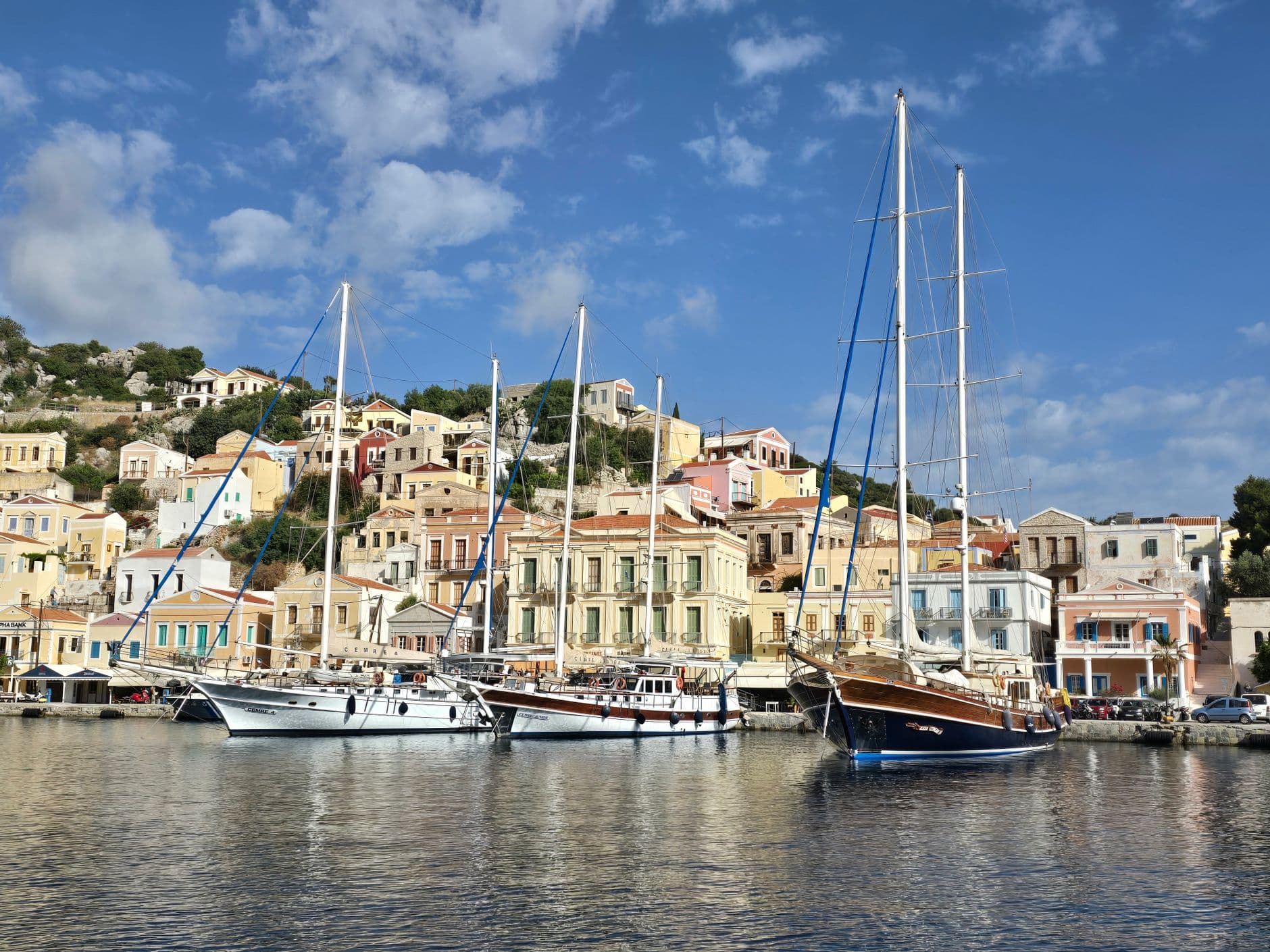
Flotilla sailing in Greece in 2026 means sailing your own chartered yacht through the Greek islands while a professional lead boat handles daily briefings, weather updates, mooring logistics, and on-water assistance — making it the ideal format for first-time charterers or anyone who wants the freedom of independent sailing with a safety net. Costs typically run 10–20% above a comparable bareboat charter, and the Ionian Sea remains the top region for flotillas thanks to its calm, predictable winds and stunning island scenery.
Why Choose a Flotilla Over a Bareboat or Skippered Charter?
The format sits squarely between the full independence of a bareboat and the hands-off comfort of a skippered charter. According to Greek Trip Planner, flotilla sailing is best suited to first-time charterers who want support, couples seeking a social experience, and sailors who feel nervous about going fully independent. Each morning, the lead crew delivers a briefing covering the day's route, weather conditions, and highlights worth stopping for. During the day, each boat in the fleet sails at its own pace. By evening, the group reconvenes at the same port or anchorage for optional group dinners and social events.
Sunsail notes that the lead crew also arrives at the destination ahead of the fleet to organise moorings and assist with docking — one of the most stressful moments for less experienced sailors. That practical support alone justifies the modest price premium for many charterers.
📚 You may also like
Best Flotilla Routes in Greece for 2026
The Ionian Islands — Best for Beginners
The Ionian is consistently recommended as the top sailing region for newcomers. Greek Trip Planner describes its character as green islands, calm waters, and reliable gentle winds — typically 10–18 knots, building through the afternoon but rarely challenging. A classic seven-day Ionian route runs: Lefkada → Meganisi → Ithaca → Kefalonia → Zakynthos → Kefalonia → Lefkada. Highlights include the mythology-laden shores of Ithaca, the sea caves of Kefalonia, the dramatic white-sand beaches of Zakynthos, and the ancient fortress above Lefkada town.
Sunsail specifically highlights the week-long Lefkas flotilla as offering dramatic cliffs, fragrant pine forests, pristine coastlines, and the option to snorkel at an airplane wreck off Kefalonia. BeyondBeach describes the broader Ionian experience as a blend of peaceful anchorages and vibrant waterfront villages, with evenings spent dining on fresh seafood under the stars.
The Saronic Gulf — Best for Convenience
Departing from Athens, the Saronic Gulf is the most accessible flotilla base for travellers flying into the Greek capital. Passages are short, conditions are generally calm, and the islands — Aegina, Poros, Hydra, Spetses — each have distinct character. NauticEd's sailing blog features a dedicated Athens Greece Sailing Flotilla for September 2026, confirming ongoing operator interest in this route. The Saronic is ideal if you have limited time or want to combine city sightseeing with sailing.
The Cyclades — For More Experienced Flotilla Sailors
The Cyclades offer the iconic whitewashed-village aesthetic many visitors picture when they think of Greece, but Greek Trip Planner cautions that the Meltemi wind — which can reach 25–35 knots in July and August — makes this region more demanding. Flotilla sailing here is best reserved for those with some prior experience or those travelling in June or September when the Meltemi is less fierce.
2026 Flotilla Sailing Costs
Greek Trip Planner provides a detailed cost breakdown for 2026. A budget bareboat charter for six people on a 38-foot monohull in low season totals roughly €4,500 all-in (approximately €750 per person), including fuel, provisioning, marinas, and cleaning. Flotilla pricing sits 10–20% above equivalent bareboat rates. Mid-range skippered catamarans run €7,000–€12,000 per week including the skipper but excluding food. Peak season — July and August — adds 30–50% to base charter prices.
- Shoulder season (May–June, September): Best value, moderate winds of 10–20 knots, warm water, fewer crowds
- Peak season (July–August): Book 6–12 months ahead; prices at their highest
- Low season (October): Lowest prices, water still swimmable, but some island services begin to close
- Ionian vs. Cyclades: The Ionian is generally 10–20% cheaper than the Cyclades
American Sailing Vacations lists a guided Greek Island Hopper flotilla departing in September 2026, confirming that late-season departures are still widely available and bookable now.
Top Flotilla Operators for Greece 2026
Several established operators run flotilla programmes in Greek waters:
- Sunsail — One of the largest dedicated flotilla operators globally, with its own fleet and standardised experience. Greek Trip Planner describes Sunsail as a professional charter company with reliable boats and flotilla options across multiple Greek bases.
- BeyondBeach — Offers curated Ionian flotilla itineraries with an emphasis on social atmosphere, welcome briefings, and group dinners at arrival.
- American Sailing Vacations — Runs guided flotilla experiences such as the Greek Island Hopper, pairing independent sailing with organised social events and lead-crew support.
- SamBoat — A peer-to-peer and professional listing platform with wide boat selection, competitive pricing, and user reviews, useful for comparing flotilla options across operators.
What a Typical Flotilla Day Looks Like
Greek Trip Planner outlines the daily rhythm shared by most flotilla programmes:
- 7–8 am: Wake up, swim, breakfast aboard
- 9–10 am: Morning briefing from the lead crew; depart anchorage
- 10 am–2 pm: Sail independently to the day's destination
- 2–4 pm: Anchor, swim, lunch
- 4–6 pm: Explore by dinghy, walk to a village, visit a beach
- 6–8 pm: Sundowners, prepare for dinner
- 8 pm onwards: Group dinner ashore or cook aboard
Popular anchorages fill quickly in peak season — Greek Trip Planner advises arriving by 3–4 pm to secure a spot. The lead boat typically handles mooring coordination, which takes the pressure off individual crews.
What Experience Do You Need?
Sunsail notes that most Mediterranean flotilla routes are classified as Level 1, meaning participants can join with a basic sailing licence (such as an SBF See) and limited experience. For bareboat-based flotillas, charter companies will still ask for a valid certification — ICC, RYA Day Skipper, or equivalent — plus demonstrated experience. Greek Trip Planner recommends that sailors with no prior experience consider a skippered charter or take a sailing course before attempting a flotilla on a bareboat. Flotilla sailing is explicitly described as the middle-ground option: you sail your own boat, but professional support is never far away.
Practical Tips Before You Go
- Fly into Preveza Airport for Lefkada-based Ionian flotillas; Athens for Saronic departures
- Pack soft duffel bags only — hard suitcases do not fit in yacht cabins
- Download offline charts and maps before departure; phone signal is unreliable at sea
- Use Windy or PredictWind to monitor conditions daily
- Bring reef-safe, high-SPF sunscreen, non-marking deck shoes, and seasickness remedies
- Book July–August flotillas 6–12 months in advance; shoulder-season slots are more flexible
Frequently Asked Questions
Do I need sailing experience for a flotilla in Greece?
Basic sailing competence is recommended, and most operators require a valid licence for the bareboat element. However, flotilla sailing is specifically designed to support less experienced sailors — the lead crew handles briefings, mooring logistics, and on-water assistance throughout the week. Complete beginners are better served by a skippered charter until they gain confidence.
What is the best time of year for flotilla sailing in Greece?
June and September offer the best combination of warm weather, manageable winds (10–20 knots), fewer crowds, and lower prices. July and August are the most popular but also the most expensive and crowded. October is viable with the lowest prices and swimmable water, though some island services begin to wind down.
How much does a Greek flotilla holiday cost in 2026?
Flotilla pricing typically runs 10–20% above equivalent bareboat rates. For a group of six in shoulder season, expect to pay roughly €750–€1,000 per person for the week including the boat, with additional costs for provisioning, fuel, and marina fees. Peak-season prices are 30–50% higher.
Which Greek region is best for a first flotilla?
The Ionian Islands are the clear choice for first-time flotilla sailors. Winds are gentle and predictable (10–18 knots), seas are calm, distances between islands are manageable, and the scenery — from Kefalonia's caves to Zakynthos's beaches — is spectacular. The Saronic Gulf near Athens is a close second for travellers who want a short-haul option without a domestic flight.


