


 Slovenčina
  English (UK)
  Русский
  العربية
  日本語
日本語  한국어
한국어  Magyar
  Türkçe
  Español
  Čeština
  Svenska
  Português
  Ελληνικά
  Suomi
Suomi  Nederlands
  Română
  Italiano
  Français
  Polski
  Українська
  Deutsch
  简体中文
简体中文 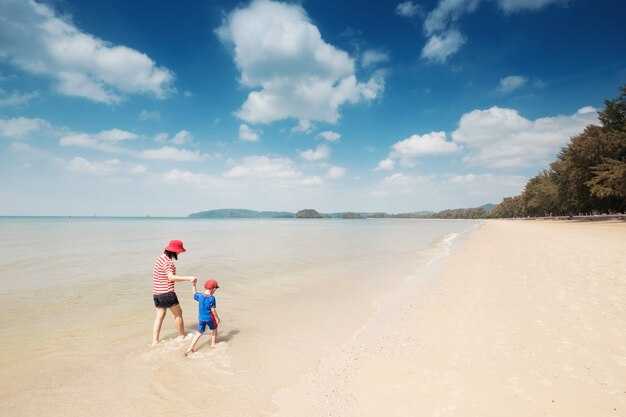 Ktorý z Amerických Panenských ostrovov má najlepšie pláže?">

Paradise coastlines across archipelago offer a site families rate as must-visit for sun, water, and safety. A shack at a bend, shaded by trees, marks entry to a calm cove where waters stay gentle for curious kids and paddlers alike.
What makes this collection stand out is a wind-swept trail that threads between coves. Along Francis Bay, a secret path is named for old legends, a row of weathered shack ruins, and a short walk to a destination where Francis stories spread among locals and visitors alike. A quiet patch near johns shores invites families to linger on warm sands and listen to waves.
Wind has blown salt spray across sea grasses, while a robert-beached marker marks a tiny sanctuary. Rock-hugging paths, a pair of pines, and a trail that grows a mosaic of roots create shade. Stretches of coastline spread turquoise waters that attract snorkelers, boaters, and families seeking a slow pace.
Destination options anchor trips, and this region invites comparisons without fuss. Accessibility matters: parking ease, shade, kid-friendly entry, and rest areas keep days simple. For a solid must-visit, Cinnamon Bay, Trunk Bay, and Maho Bay on St. Johns offer mellow water entry and family-friendly facilities; Magens Bay on St. Thomas provides a wider beach with lifeguards in season, while Caneel Bay shores give a quieter, spread-out feel for explorers.
Salt Pond Bay: Practical criteria for evaluating beaches on St. John
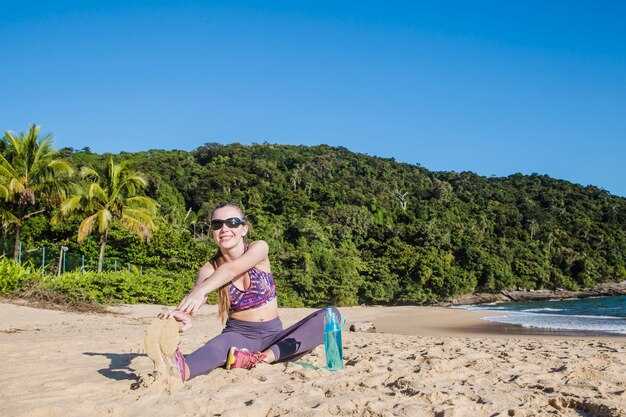
Recommendation: Visit Salt Pond Bay at dawn; parking along public road, a little walk, powdery white-sand shoreline, and calm waters ideal for snorkeling and watersports.
these criteria guide planning across seasons: weigh access via road, parking availability, shade from trees, depth of water, reef health, and crowd levels.
Salt Pond Bay stands out as underrated option thanks to picturesque setting and powdery white-sand shoreline. Road access is straightforward via public road pull-off; a little walk leads to water that remains shallow for long meters, making reefs near edge accessible for snorkelers and watersports enthusiasts. Nearly always calmer than exposed Atlantic fronts, conditions reward careful plan and reef-safe behavior.
heres how Salt Pond Bay compares with nearby Francis-area shores: small, public-access site, little development, nearly private feel, and subdued vogue among local divers. A nearby monument marks a historic point, offering an optional break for photos and grape vines along a short trail adds little shade for midday stops. Rewards arise from a reliable water geometry, predictable wind, and kid-friendly water to wade in.
Plan visit with respect: pack water, sun protection, reef-safe sunscreen, snacks, and a light layer. Bring camera for picturesque moments; nearly every glance yields white-sand sparkle. Remember to leave no trace; public road access remains key to maintaining a friendly experience for future visitors.
Thanks for planning a mindful visit; Salt Pond Bay rewards curiosity with a little, authentic Caribbean charm that endures amid rising travel vogue.
Access and parking: best routes, parking tips, and trail length
Park at Lindquist Beach parking area for quick beachfront access; restrooms nearby, little shade, and zelená palms framing water that looks epic to vacationers. You’ll feel duty to keep nesting zones safe without leaving footprints.
From Charlotte Amalie, follow Route 30 toward Red Hook, then catch frequent car ferries to Cruz Bay (St. John). Car ferries run frequent and allow ships passengers to hop quickly without long waits. Once ashore, proceed toward Trunk Bay or Cinnamon Bay; parking is marked and within a short stroll to beachfronts. This location suits day trips.
Trail lengths vary: Lindquist Beach path around 0.1 mile from parking to sand; Trunk Bay snorkel trail circuit about 0.5 mile with flat grade; Cinnamon Bay scenic loop roughly 0.4 mile plus optional beach walk. Expect a little elevation gain near lookout points; diving a snorkeling sections are accessible from beachheads; scuba access is great near wrecks or reef edges.
Parking tips: parking spots fill early; arrive to beat crowds; lots fill by 9–10 am on weekends. Frequent ships arrive, so better options appear after lunch. If a lot is full, stroll to nearby streets where on‑street spots open briefly; never block driveways. Always pay at kiosks; quick validation serves stay. Remember duty to keep bays clean; nesting zones remain protected; small footprints matter. Stop by restrooms before hike; stop helps avoid extra trips. If budget allows, some fancy resorts offer shuttle access to outposts.
For contrast, nearby maho vibes draw crowds; this route focuses on calmer water and beachfront spaces. Lindquist remains in vogue among vacationers; they return for epic sunsets, stunning views, and a sense of duty to preserve nesting sites. If you need a short stop, circles around a small cove offer a fantastic option before continuing.
Seclusion and crowd patterns: optimal visit times, shade, and privacy cues
Aim for midweek mornings to keep crowds down and privacy cues strong. Plan 8:00–11:00 am as core window, after that shade becomes patchier as sun climbs; parking stays easier within this span, and you can easily find a picturesque stretch near a green shoreline for a peaceful start to a day of sun and water exploration.
Shade cues matter; seek wall-like cliffs, palm canopies, or green dunes that cast cool shadow around noon. If you trek down to a snug cove, observe privacy signals: limited chatter, distant boats, and a small turnover of sunbathers. Also, bring a lightweight tarp to add shade without blocking view of sunset silhouettes; this helps families keep comfort while younger kids play nearby.
Crowd patterns vary by access point: on weekends, more people arrive after 10:30 am; by afternoon, shorelines see a mix of snorkelers, diving groups, and picnickers. By parking away from main lanes, somehow a quiet segment remains accessible for a short trek to a secluded inlet.
Within a few miles, paradise coastline offers much beauty. A short drive reveals picturesque shorelines where younger visitors can play safely near rocks; also shaded campground areas with picnic tables invite families to rest. A trek before noon checks for calm water; you can go diving or scuba along a green reef, yet stay mindful of currents that can pull you down shore. If you dont want crowds, keep movements quiet and avoid loud voices; this makes privacy cues clearer, while next to a shack you can set up a picnic and then drift toward a hidden patch for fantastic sunset views. dont rush, making sure to leave no trace; you can easily wander from a crowded path toward a hidden cove within a few hundred yards, then enjoy a beautiful setting and a quiet drive back, luring younger explorers to safe spots with supervision, wrought by sea winds, memories of this day stay vivid.
Water conditions and safety: currents, snorkeling spots, visibility, and simple safety checks
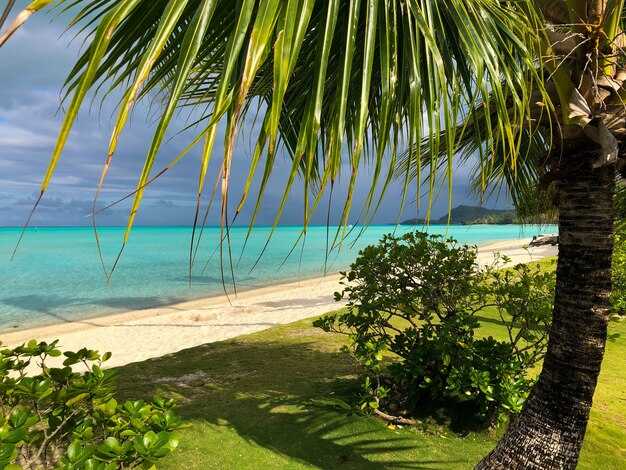
Recommendation: swim with a buddy, keep within eye contact of shore, and wear a bright buoy for visibility. Before entering water, check wind, tide, and current outlook for march, as conditions shift rapidly along nearly mile-long shores. Whether winds shift or seas rise, stay prepared.
Currents vary with wind and reef gaps. Rip currents form near reef edges around spots like Francis, Johns Spot, and mile-long sand bars. If caught, stay calm, float, and swim parallel to shore until pulled free. Most currents ease by afternoon; this character of reef zone is wrought by tides and needs vigilance.
Snorkeling near Francis, Johns Spot, and Maho yields vibrant reef life. Currents usually ease near shallow creases; visibility commonly 10–30 meters on clear days, 5–15 meters after storms. March often brings calmer trades; seek white-sand pockets and patch reefs close to shore. Trails along nearby shallows offer safe routes for beginners; many case show water quality made murky after storms.
Simple checks: test water with forearm, note swell, and watch for surge near camp and port, avoid entering near boats; signal if strain grows. For spots around Francis or Maho, keep away from drop-offs; capricious swells spread quickly; maintain distance from lines and sprays. If anything felt off, exit session and return by a safe route. Boats downwind can create chop.
Field tips for group safety: assign a sergeant of awareness, keep a spread of sight lines, and carry whistle plus waterproof light. Carry a small deeding of emergency numbers. In case of injury or capsize, move toward shore along a visible landmark such as white-sand sands or a mile-long stretch. Rewards come from calm water, but risks persist near secret coves and unknown ledges. This practice remains in vogue among experienced crews.
Facilities and nearby services: restrooms, shade structures, and gear rental options
charlotte-area beaches on thomas territory offer reliable restrooms, shaded shelters, and on-site gear rentals. often convenient, sandy shores with picturesque, gorgeous ocean views rewards family days, showcasing character-rich coastline and live, rolling waves, with easy access and flexible gear options.
- Restrooms: facilities are placed near parking lots and campground entries, usually within half-mile of popular trails and judiths trailheads; outdoor showers or rinse stations are included at some destinations.
- Shade structures: shade sails and covered pavilions cluster near major access points at jacks and judiths zones; a portable canopy adds shade when winds shift or crowds swell, helping visitors stay away from direct sun.
- Gear rental options: snorkel kits, fins, life jackets, kayaks, and paddleboards are available from local shops on islands; jacks, thomas, and charlotte-area outlets offer reef-safe masks and buoyant vests; others add extra options to fit each destination.
- Other services: lifeguards on busy days, water refill stations, trash bins, showers, and shaded picnic areas; judiths trail and other hiking routes provide clear signage for easy trek; submerged reef features along certain shores add interest for snorkelers.
Seasonality and etiquette: best months to visit, tides, seaweed, and preservation practices
Plan trips December through April for dry days, cooler air, and clearer water along white-sand coastlines. frederiksted shows calmer days, while coki offers lively reef play; check shop shelves for reef-safe sunscreen and coconut oil for a quick touch-up.
Daily tides swing with lunar cycles; low tide uncovers rocky pockets and shallow pools on northern shore near coki and judiths, while high tide covers inlets and shortens shore walks.
Seaweed mats, dominated by sargassum, arrive strongest May through October; expect more along northern shorelines, with visibility improving after midday. Before swim, check local updates; if seaweed blocks a beach entrance, choose a nearby public access point.
Preservation etiquette: watch nesting turtle activity, especially hawksbill, from a distance; never touch eggs or hatchlings; keep voices low near roped zones; flash-free cameras only; avoid drones; carry out all trash; reef-safe sunscreen required.
trail and land access: walk judiths trek or robert paths, stay on marked routes, and respect private land near residences. frederiksted areas offer plenty of public access points with entrance signs guiding hours and etiquette. bring a coconut, watch wildlife close, and yourself help preserve places; however, also support local shops after trek.