


 Slovenčina
  English (UK)
  Русский
  العربية
  日本語
日本語  한국어
한국어  Magyar
  Türkçe
  Español
  Čeština
  Svenska
  Português
  Ελληνικά
  Suomi
Suomi  Nederlands
  Română
  Italiano
  Français
  Polski
  Українська
  Deutsch
  简体中文
简体中文  Where to Sail in Italy – Best Destinations, Routes, and Tips">

Begin your Italian sailing with a clear choice: start from Sorrento and cruise along the Amalfi Coast, where the wind is predictable and the coves are clean. The breeze keeps the hull swish through calm water, and the accessible harbors offer protected moorings for a first-phase holiday. These shores present attractions and sights that you can enjoy from the deck without crowds, setting a friendly tone for the days ahead.
These longer itineraries connect coastal gems: Capri to Positano, Amalfi, and back to Sorrento; or head south toward Salerno and contribute to a loop that touches uninhabited islets and sheltered bays. Particularly good in May and September, when the weather and sea state cooperate, you get calmer mornings for swim stops and longer afternoon sails. Make the most of these routes by timing your stops to catch attractions on land and sights from sea level.
Explore coves that are protected and often uninhabited, where the water stays clear and clean. For example, anchor near Praiano or near Li Galli rocks, slip into coves with swish of a shallow tide and a sheltered lee. These spots offer sights and attractions without the bustle of major harbors. Use a holiday mindset to linger in these havens for longer evening swims and shore visits.
When planning, pick ports with good weather windows and reliable supply lines. Reserve early in peak season, but consider mid- May or September to enjoy fewer crowds and more accessible anchorage options. Keep a log of your daily routes and each day’s wind patterns; you’ll find that choosing calmer mornings helps you cover more distance and reach additional attractions and sights without fatigue.
These suggestions help you tailor a sailing plan that matches your style: a relaxed day over shorter hops or longer passages for experienced crews. In the Sorrento area, you can combine vistas of lemon groves with clear sea and breeze-driven sails that keep your crew engaged. With careful planning, these routes reveal these timeless Italian coastlines and offer a memorable holiday filled with seafront sights and seamless weather windows.
Liguria Coastline: Genoa to Portofino and Cinque Terre – wind windows, distances, and anchorages
Start with a four-day coastal loop: Genoa to Portofino, then Cinque Terre and back, using Paraggi Bay, Camogli, and Monterosso’s Fegina Cove as anchor spots. Distances you’ll log: Genoa to Portofino about 30 nautical miles; Portofino to Monterosso roughly 25–28 nm; Monterosso back to Genoa around 50–60 nm. At a steady 5–6 knots, estimate 5–6 hours Genoa→Portofino, 4–6 hours Portofino→Monterosso, and 9–12 hours Monterosso→Genoa (split across a second day if you prefer a relaxed pace). Today’s plan keeps your cadence comfortable and your coastal scenery the grande backdrop of this renowned stretch.
Wind windows vary by season. Spring and autumn offer the most reliable coastal breeze, with mornings calm and a sea breeze filling in by midday for predictable hops between sheltered coves. In summer, mornings stay gentle but afternoons bring a steadier breeze along the gulf; in tranquil seas, you’ll still want to watch for gusts around headlands. For planning, check real-time faqs at the harbors, and be prepared to adjust if the sirocco or bora pushes through. This approach helps sailors stay efficient and safer on longer legs today.
Four spots along the route provide good anchorages and easy access to charming towns. Paraggi Bay near Portofino delivers a sheltered, clean-water halt with a white-sand shore offsetting pastel façades and a picturesque backdrop. San Fruttuoso Bay, tucked behind Capo Santa Chiara, offers a secluded cove with a renowned abbey sightline and clear water for a refreshing swim. Camogli Bay gives you a busy, authentic coastal lounge vibe with nearby marinas and a choice of restaurants and coffee spots. Monterosso’s Fegina Cove presents a white-sand setting suitable for a quiet night after a day of exploring the Cinque Terre trails. These spots let you balance adventure with downtime, and each has easy access to coastal dining in renowned spots.
Tips for exploring today’s route: sail when the sea breeze is strongest between late morning and mid-afternoon, prefer mornings for longer hops and afternoons for town visits, and anchor early to enjoy sunset views over the cliffs. When you crave a longer stay, extend itineraries toward capri or palermo for a broader Italian coast loop, keeping in mind the longer transit times and provisioning needs. If you’re after a better mix of secluded bays and marinas, mix a night in Camogli with a night in Paraggi and a Cinque Terre stop to maximize shade, shade, and shade–okay, shade plus fresh seafood and wine. This coastline remains famous for its seafood-forward restaurants, laid-back lounges, and easy access to a string of marinas along the gulf.
FAQs: anchoring rules near Cinque Terre and Paraggi change with seasons, so verify mooring allowances and permit requirements before you go. Best practice is to pre-book marina slots for busy weekends and use coves like Paraggi and Fegina for protected overnight stops. For first-time exploring this stretch, keep a tight watch on weather forecasts, plan for four to six hours of sailing per day, and have a backup plan for a sheltered night in Camogli if conditions shift. Today’s plan emphasizes coastal exploration, comfortable distances, and the best routine for wind windows and anchorages along the Ligurian coast.
Tuscan Archipelago and Elba: Elba, Isola del Giglio, and Capraia – anchorages, marinas, and sheltered bays
Anchor in Biodola Bay for a panoramic, low-wind start to your cruise and enjoy a short promenade into the resort village for coffee or a dip–relaxation guaranteed after a day at sea.
Elba offers three reliable anchorages that balance shelter, scenery, and access to towns: Biodola, Fetovaia, and Procchio. In each, rock and sand bottoms provide solid holding, and you’ll find calm water even in gusty afternoons when the sea around the islands can be lively. If you prefer marina comfort, Portoferraio and Marina di Campo provide full services, fuel, and berthing for catamarans and luxury yachts.
From the northern approaches, you’ll see coastal caves carved into cliffs; you can navigate a scenic course along the headlands to reach less crowded bays, then stroll the promenade that runs along the shore to see the town’s attractions and markets. The views are incredibly panoramic, and the same spots reveal different moods with each season.
Isola del Giglio centers on Giglio Porto, a well-protected harbor with a practical marina and a lively town. Anchoring off the bay gives you quick access to the town’s attractions, a short walk to the castle, and a sheltered spot for an evening of seafood and relaxation–perfect for a holiday with friends aboard a luxury catamaran or monohull.
Capraia adds a wilder flavor, with anchorages behind protective rocks and a small marina at Capraia town. The Mortorio islet nearby offers a quiet, completely sheltered option for overnight stays if you seek privacy and a heartwarming setting for a villa-by-the-sea vibe during your week-long cruise.
Season matters: late spring and early autumn deliver the best balance of crowds, seas, and prices. For planning, keep azimut bearings handy and plot a course that keeps you in the lee of the islands; bays like Biodola and Procchio reward careful anchoring with solid sound and space for three boats to anchor without crowding. Always check local charts and consult a smart harbour master before turning into a marina–they’ll point you to the best spot at that moment.
For a week’s sailing, rotate through three main spots on Elba, Giglio Porto, and Capraia, then add a quiet Mortorio anchorage to end with a sunset. The area welcomes catamarans and luxury yachts alike, and even modest boats can find a comfortable bay that feels completely private when you have friends aboard. Wherever you anchor, you’ll notice the same combination of town charm, historic buildings, and attractions that make the course a joy to repeat.
From Otranto to Mortorio, the broader Tyrrhenian network influences your priorities, but the Tuscan Archipelago delivers a closer-to-home experience with incredible sunsets, safe anchorages, and easy access to three distinct island moods. Turn a corner at each island and you’ll discover bays that invite relaxation, a smart pace for your week, and a rhythm that suits every holiday–from luxury getaways to family adventures and long weekends with friends.
Sardinia and Maddalena Archipelago Route: Costa Smeralda, La Maddalena, and Caprera tips
Start your Costa Smeralda itinerary by heading north to the Maddalena archipelago. La Maddalena is the largest island and a perfect anchor for the route. From Porto Cervo you’re about 20–25 nautical miles from the archipelago, and you’ll enjoy blue waters, dramatic coastlines, and easy shelter in the lee of Mortorio and Rotondo. Anchoring in uninhabited coves lets you wake to white beaches and complete quiet before heading to the next stop together with your crew.
From La Maddalena head to Caprera to sample calmer bays and snorkel around grotto-lined coves. The ideal window runs from May to October, when winds are steady and sailing days are abundant. Caprera offers sheltered anchorages and straightforward dinghy access; you can circle near Rotondo and Mortorio for sunset swims, then head back into the blue after rounding the coastline.
Choose the means that fit your crew: a sailing yacht about 40–50 ft or a 12–15 m catamaran works well, letting you board and depart with ease. Start early to catch the morning glass and finish with a sunset sail back toward La Maddalena. Use mooring buoys where available and anchor gently in sandy bottoms, avoiding fragile seagrass meadows.
Heading between the islets, you’re around uninhabited coves where the coastline narrows to breathtaking rocky inlets. The blue water and white beaches around Mortorio and Rotondo provide incredible swimming stops, and you can explore a few small grottoes tucked into the limestone. Note the volcanic hints in the rock and remember there are no active volcanoes today. Such discoveries make an incredible day loop that includes La Maddalena and Caprera for a complete Maddalena experience.
For access, some crews fly into Vieste, then transfer to a charter in Olbia or Porto Cervo to begin the route–this means less transit time and more time on the waters today. Plan your calendar around the calmer dates in late spring and early autumn, and keep your crew informed so you can sail together, with a clean engine, and the wind on your back.
Adriatic Coast Highlights: Venice Lagoon to Rimini – harbors, marinas, and protected bays
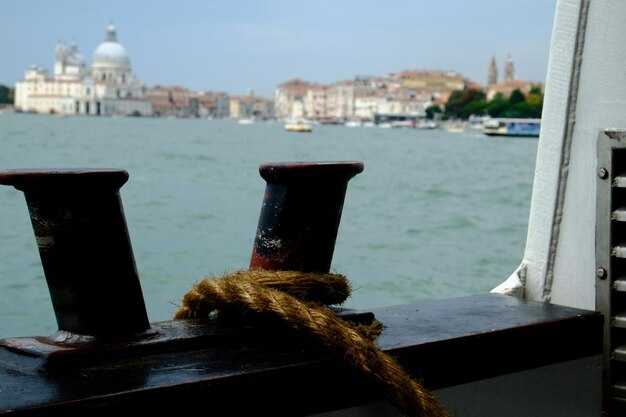
Dock at Cavallino-Treporti’s Marina for a sunny, calm start; you can reach Venice by a short water shuttle, rest in the village lanes, and connect to Chioggia and the mainland by canal. Plan this loop for May–September, when waters are warm and the region feels most alive, and you’ll enjoy a lifetime of memories with a flexible schedule for any couple or family.
Harbors and marinas from Venice to Rimini
In the Venice Lagoon, Porto di Venezia anchors the traditional flow of ferries and private yachts, while Marina Sant’Elena and sheltered Darsena berths offer easy access to the city’s charm. Just back from the water, Marina di Cavallino in Cavallino-Treporti provides a practical base with quick routes to the main lagoon channels. South of the lagoon, Chioggia’s port and Sottomarina moorings serve lively, protected waters and a strong sailing community.
Continuing along the coast, Grado and Lignano Sabbiadoro host established marinas with reliable access to shallow bays and family-friendly beaches. Bibione and Caorle add more protected moorings and charming town harbors, ideal for a gentle rest and fresh seafood drinks after a day on smooth waters. Moving down toward Romagna, Rimini’s Port and the nearby Riccione and Cattolica harbors deliver a friendly jet-set vibe, first-rate services, and easy shore access for sightseeing between sails.
Protected bays, snorkeling, and practical planning
Protected bays line the Delta del Po and the Romagna coast, where calm, shallow waters invite snorkeling and lazy rests in uninhabited coves or behind grassy spits. Sacca di Scardovari and Sacca di Goro offer shallow lagoons with clear, slick-water conditions ideal for snorkeling close to shore; nearby wildlife preserves make a fantastic day trip for nature lovers. For a quiet night, anchor near small islets–some are uninhabited and offer a true sense of isolation, a perfect contrast to busy harbor towns.
Anchoring options include sheltered bays along Lignano and Caorle, as well as around Polignano a Mare and the southern spur toward Otranto if you extend the voyage; such detours broaden waters to divers and diversions alike. If you stay within the Veneto–Romagna arc, you’ll find everything you need in a single region: well-connected towns, reliable services, and abundant snorkeling spots just offshore. For a different flavor, consider a coastal swing toward the rounded coves that locals call rotundo shapes on some charts, then plan this as a flexible loop suited to a weekend or a longer, memorable lifetime cruise. And if you want a broader arc later, Polignano and Otranto await further sunny miles–but this coastline already offers incredible, fantastic experiences, many of which suit a couple seeking a memorable Italian sailing plan. Drink wine on deck at sunset, and savor the quiet hours when the waters stay clear and the towns feel welcoming after months on the water.
Practical Navigation: Permits, harbor rules, VHF usage, moorings, and safety checks
Get permits two to three weeks ahead for stromboli, otranto, and other harbors in Puglia; keep digital copies and crew lists handy to speed checks today. For a flotilla or a charter vessel that sleeps couples or families, designate one lead boat to handle the paperwork while others confirm arrivals with the harbor master. The napoleon fortifications along the Otranto coast offer a panoramic backdrop and a sense of history, while nearby coves invite snorkeling and snorkelling in warm waters, including some locations with soft, linen-lined decks for rest.
- Permits and paperwork
- Confirm permit types at the local Comune and port authority; some harbors require skipper licenses or boat documents if you are a charter group.
- Carry on board: permit receipts, vessel registration, and crew lists; let the same lead boat handle filings to keep things simple and efficient.
- Harbor rules and etiquette
- Respect local mooring procedures; in busy bays around stromboli or otranto, use short rests at anchor and proceed to moor on the line up indicated by harbor staff.
- Keep access clear to fueling points, sanitation facilities, and waterfront restaurants; avoid blocking walkways or slips.
- In crowded locations, you could face tight spaces–plan moorings and crew movements to minimize congestion.
- VHF usage
- Test your handheld VHF before departure; set to the harbor control channel posted in the marina and switch to a hailing channel only to initiate contact, then confirm your slot.
- Introduce your flotilla with the vessel name, location, and ETA; speak clearly, use simple terms, and repeat information if asked.
- Moorings and anchor practice
- Use mooring buoys where posted; check buoy color, pennant length, and attachment integrity; bring long lines and soft fenders to protect the hull.
- In quieter bays near the surrounding coastline, test anchoring in calm waters before entering a busy harbor; leave enough scope to ride a breeze without dragging.
- Safety checks and pre-departure ritual
- Skontrolujte záchranné vesty, hodycie zariadenia, plne nabitú VHF a funkčnú baterku; overte motorový olej, palivo, chladiacu kvapalinu a odčerpávacie čerpadlá; zabezpečte zásobu pitnej vody na deň.
- Prezrite záchranné postupy, umiestnenie záchrannej plavby a zábleskových granát a plánované miesta na zastávku vo vode dnes a zajtra; uistite sa, že posádka rozumie plánu.
V sprievodcoch pobrežím Adriatiku môžete nájsť zátoku volpe ako pokojné zastávku medzi väčšími prístavmi, vítanú možnosť rovnakého miesta pre páry a rodiny na charterovej plavidle. Pre širšie možnosti zvážte panoramatickú trasu pozdĺž teplých, jemných tónov pobrežia Puglie, s niekoľkými zastávkami, ktoré by mohli hostiť malú flotilu alebo dlhodobý charter. Vždy majte po ruke jednoduchý kontrolný zoznam, vrátane papierových kópií povolení, kontaktných čísel pre majstrov prístavov a základný bezpečnostný plán, aby ste ušetrili čas a zabezpečili hladké dni na vode.