


 Slovenčina
  English (UK)
  Русский
  العربية
  日本語
日本語  한국어
한국어  Magyar
  Türkçe
  Español
  Čeština
  Svenska
  Português
  Ελληνικά
  Suomi
Suomi  Nederlands
  Română
  Italiano
  Français
  Polski
  Українська
  Deutsch
  简体中文
简体中文 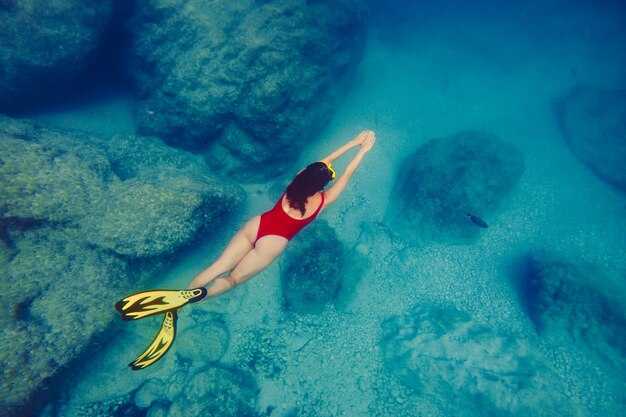 Where is the Best Diving in the Bahamas? Top Sites and Tips">

Začnite svoje dobrodružstvo na Bahamách s Exumas Cays: viditeľnosť často presahuje deväťdesiat stôp a počas podmorských prieskumov stretnete množstvo útesových rýb, morských korytnačiek a zvedavých žralokov ošetrovateľských. A jachta charter odomyká diaľkové ovládanie underwater steny a plytké lagúny, zatiaľ čo mierne drift úseky vám umožnia plávať s prúdom pre uvoľnené prvé stretnutie.
Pre prístupnosť a rozmanitosť ponúkajú Nassau a Paradise Island spoľahlivé možnosti s pokojnými povrchovými podmienkami a vybavením, ktoré vyhovuje všetkým úrovniam. Očakávajte dohľadnosť okolo šesťdesiat až osemdesiat stôp v dobrých dňoch a niektoré miesta nad sto stôp blízko The Caves a Nassau Reef, či už chcete plytké stretnutia alebo hlbšie steny. Bimini, Jazyk oceánu vytvára hlbšie zoči-voči zážitky s pelagickým životom; mnohé itineráre zahŕňajú splavovanie pozdĺž okraja priekopy, aby sa zážitky okorenili.
Ostrov Andros vyniká modrými dierami a hlbokými kanálmi, kde hĺbky od tridsať do deväťdesiat stôp rámujú živý makro život a neobvyklé formácie. Uvidíte mini prachovky koralových polypov prichytených na stenách, plus hlaváče a kraby šípové, ktoré odmeňujú trpezlivých pozorovateľov. Takéto možnosti rozširujú váš výber, či už preferujete mierne časti stien, vraky alebo jaskyne, ktoré môžete preskúmať s kvalifikovaným sprievodcom.
Od Eleuthery po Abaco, možnosti pokrývajú mnoho mesiacov a hodia sa do flexibilného rozvrhu. Príďte pripravení a učte sa od miestnych: prediskutujte aktuálne podmienky a bezpečnosť so svojím sprievodcom, pretože sila vo vode sa môže rýchlo zmeniť. Plávajte s kamarátom, poznajte výstupné body a rešpektujte etiketu útesov, čím premeníte niektoré zážitky na príbehy, ktoré budete zdieľať zoči-voči s priateľmi doma.
Kedy sa potápať na Bahamy: sezóny, lokality a tipy na plánovanie
Naplánujte si zážitky pod vodou na Bahamách na neskorú jar alebo skorú jeseň, aby ste si užili pokojné more, stabilné počasie a vynikajúcu viditeľnosť. Najlepšie obdobia sú máj–jún a september–október, kedy sa zmierni vietor a viditeľnosť dosahuje 18–30 m.
V Nassau, Exumas, Eleuthe a Abacos sa teploty vody celoročne pohybujú okolo 24–29 °C, pričom na konci jari sú rána miernejšie. Fázy mesiaca ovplyvňujú prúdy a nočné zážitky, takže si môžete naplánovať niektoré nočné aktivity, keď je mesiac jasný. Všeobecne prevláda príjemné počasie, no pred každodenným plánom si preverte krátkodobú predpoveď, aby ste sa vyhli rozbúrenému moru alebo búrkam.
strávite menej času čakaním a viac času vo vode, ak si naplánujete návštevu tak, aby ste vyvážili čas strávený na lodi, na brehu a sériu sústredených sedení. zvládnete to – pomerne veľa dní ponúka jedinečné zážitky, keď si rozvrhnete tempo. všimnete si tiež podvodné záhrady a kanály podobné bludiskám, ktoré predstavujú krásu života na útesoch, s masívnymi stenami klesajúcimi do modrých hlbín, kde sa objavujú murény a citrónovo sfarbené druhy.
Sezónny výhľad a nápady na stránky:
-
Jarné obdobie (apríl – jún): pokojnejšie rána a vynikajúca viditeľnosť; preskúmajte podmorské záhrady neďaleko Exumy a Nassau, s bludiskovými útesovými priechodmi a rozsiahlymi stenami, ideálne na viacero krátkych ponorov.
-
Letné prechodné mesiace (júl – august): popoludní sa môže zdvihnúť more; snažte sa začínať skoro, potom si počas horúčav doprajte krátke prestávky a rozsiahlejšie výlety si rezervujte na blízke lokality.
-
Jesenné okná (september – október): davy sa stenčujú a podmienky zostávajú priaznivé; naplánujte si deväťdesiatminútovú inštruktáž s kapitánom a sprievodcom, aby ste si zmapovali denné miesta, aktuálne údaje a bezpečnostné kontroly.
-
Zimné obdobie (november – marec): voda zostáva príjemne teplá na juhu a na severe sa mierne ochladzuje; očakávajte pokojnejšie more, dlhšie prechody do odľahlých oblastí a časté pozorovanie tvorov, ako sú ostnatníky a murény.
Planning tips to maximize value:
- Naplánujte si deväťdesiatminútový brífing pred prvým dňom, aby ste zosúladili poradie potápačských lokalít, vstupné body, prúdy a bezpečnostné postupy. Počas brífingu môžu inštruktori použiť slovo citát na zdôraznenie pravidla: “Trpezlivosť prináša ovocie.”
- Vytvorte si plán, ktorý strávi čas na troch až piatich miestach, namiesto toho, aby ste sa ponáhľali počas jedného dňa; trávenie času na niekoľkých dobre vybraných miestach prinesie viac, ako naháňanie sa za dlhým zoznamom.
- Zamerajte sa na lokality, ktoré pôsobia ako živé umelecké dielo: záhrady so skulptúrami z koralov, bludiskové kanály a masívne zrázy, kde sa scenéria mení s hĺbkou.
- Hľadajte citrónovo sfarbené a iné pestrofarebné skaláre medzi sasankami a koralmi; pozorovanie týchto tvorov dodá vášmu programu nezabudnuteľný nádych.
- Zvážte krátku zastávku pri vraku z obdobia Salvádoru alebo inom historickom artefakte, aby ste obohatili vašu cestu o kontext bez toho, aby ste ohrozili súčasné podmienky alebo bezpečnosť.
- Pri plánovaní nočných stretnutí alebo pozorovania bioluminiscencie berte do úvahy fázy mesiaca; nov alebo spln mesiaca môžu zvýrazniť nočný výskyt morského života.
- Zbaľte si vrstvy oblečenia vhodné do počasia, opaľovací krém bezpečný pre koralové útesy a kompaktný fotoaparát; zamilujete si zachytávanie krásy záhrad, stien a tvorov, s ktorými sa stretnete.
Kam ísť závisí od vašich priorít: Nassau zvykne ponúkať jednoduchý prístup a kratšie plavby loďou, Exumas poskytuje rozsiahle steny a prekvitajúce záhrady, Eleuthera predvádza koralové útesy žiarivé ako citrón a Abacos ponúka kombináciu vrakov a dobrodružstiev v modrých dierach. Ak ich navštívite počas okrajových sezón, často nájdete pokojnejšie moria než v hlavnej zimnej sezóne alebo v mesiacoch búrok, čo je dosť výhodné pre začiatočníkov aj skúsených potápačov.
Špičkové potápačské oblasti a miesta, ktoré musíte vidieť
Začnite na západnej strane Grand Bahamy, kde vás čakajú stabilné driftové ponory a blízke stretnutia so žralokmi pozdĺž útesovej steny; táto možnosť je najspoľahlivejším východiskovým bodom pre podmorské dobrodružstvá na Bahamách.
V Exumas nájdete zelené útesy, biele piesčiny a priezračnú akvamarínovú vodu, vďaka ktorej farby ožívajú. Medzi miesta, ktoré musíte vidieť, patrí jaskyňa Thunderball Grotto (asi 20 stôp) a Koralové záhrady v blízkosti Staniel Cay. Tieto lokality ponúkajú pokojné prúdy, bohatý morský život a homáre ukryté v štrbinách. Svetlo sa trblieta cez vodu cez jaskyne a oblúky a vytvára nádherné siluety, na ktoré budete spomínať aj po ceste.
Andros ponúka najrozsiahlejší útesový systém a sieť kanálov s rôznorodými trasami. Hĺbky sa pohybujú od plytkých stien po modré diery v rozmedzí 60–200 stôp. Žraloky pravidelne krúžia po zlomoch; kladie sa silný dôraz na prehliadky so sprievodcom, aby sa zvládli prúdy a aby ste boli v bezpečí, čo je dôležité bez ohľadu na to, či uprednostňujete pokojné časti alebo aktívnejšie trasy.
Len kúsok cesty loďou od brehu, oblasť Tiger Beach na Bimini ponúka pelagické živočíchy a žraloky s lokalitami s plytkou až strednou hĺbkou okolo Tiger Beach a blízkych vrakov. Očakávajte hĺbky 6 – 21 metrov, rýchle odchody, ak sa objavia davy, a množstvo homárov ukrytých v štrbinách. Búrky môžu rýchlo rozvíriť vodu, takže si skontrolujte predpoveď; naplánujte si rána pre najlepšiu viditeľnosť a pokojnejšie more. Či už naháňate makroživot alebo veľké pelagické živočíchy, táto strana ostrova prináša spoľahlivú akciu.
Neďaleko Nassau a Paradise Island ponúkajú koralové záhrady a blízke vraky lodí rýchly prístup pre polodenný plán. Väčšina operátorov zahŕňa vybavenie a bezpečnostné inštruktáže a nájdete tu lokality od 6 do 18 metrov, ktoré vyhovujú začiatočníkom aj skúsenejším potápačom. Nájdete tu skvelú kombináciu miernych úsekov stien a hlbších kanálov, takže si môžete prispôsobiť, či chcete medzi lokalitami oddychovať alebo si užiť náročnejšiu trasu, ak to počasie dovolí.
| Region | Pozoruhodné lokality | Typická hĺbka (ft) | Prečo je to skvelé |
|---|---|---|---|
| Grand Bahama (západná strana) | Tiger Beach; koralové steny; vraky | 10–25 | Akcia v malej až strednej hĺbke; stabilný drift a stretnutia so žralokmi zblízka |
| Exumas Cays | Thunderball Grotto; Koralové záhradyTranslation not available or invalid. | 10–25 | Čistá voda, piesočné plochy, pulzujúci život |
| Andros Island | Modré diery; hlboké steny | 60 – 200 | Najväčší útesový systém; rôznorodé smery a prúdy |
| Bimini | Tiger Beach area; wrecks | 20–70 | Pelagic action; lobsters in crevices |
| Nassau/Paradise Island | Reef gardens; nearshore wrecks | 20–60 | Easy access, multiple sites for all levels |
Seasonal visibility and water conditions
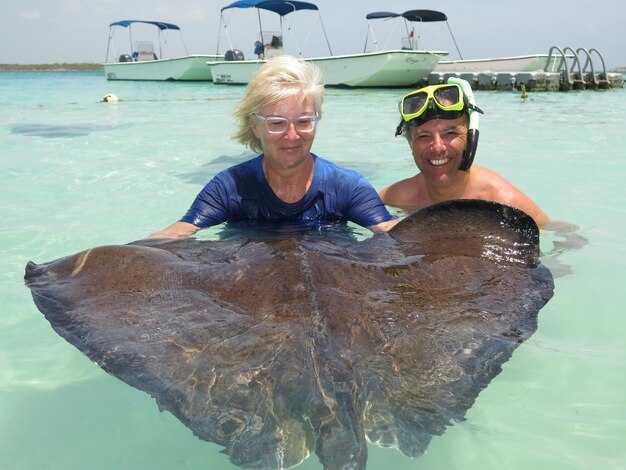
Plan trips for late spring through early summer, when visibility commonly runs 30–40 meters and seas stay calm on most western sites. An experienced operator knows how to adjust schedules to daily forecasts, and such flexibility matters for smooth scuba days. The beauty of reefs and the abundance of life become unforgettable moments, with angel fish and snapper patrols adding texture to every experience and to the diverse skúsenosti you collect with beginners and seasoned guests alike.
Winter fronts from the north bring cooler water around western banks and surface temps hover around 24–26 C. Visibility tends to be strong, often 20–30 meters, but occasional chop or post-front surge can reduce clarity to 15–20 meters. Plan early mornings for the best windows; night currents can shift near channels, so keep a plan with your centers and allow for last-minute adjustments. The abundant life around reefs adds to every outing.
Spring and summer bring reliable conditions for scuba experiences, with visibility commonly 30–40 meters on clear days. The abundant life creates highlighty known across western sites, from snapper schools to curious angel fish. For beginners, shallow reefs offer calm, safe, slow-paced sessions, while experienced participants can reach deeper walls when winds cooperate and visibility remains high. night hours reveal different life, including nocturnal snapper and bioluminescence, adding another layer to your ocean skúsenosti.
Practical tips: check forecasts for winds and fronts; aim for mornings when winds are light and seas are flat. If a front passes, postpone by a day for better visibility. Book with local centers that know the best windows and can arrange night options if conditions permit. In hurricane season, keep a flexible plan and consider alternate sites or centers if risk rises. Follow guides’ advice, monitor currents, and treat reefs with care to keep the abundance for future adventures. With good planning, you’ll turn incredibly memorable skúsenosti into lasting memories for both beginners and seasoned snorkelers and scuba enthusiasts. These are things to consider for safety and enjoyment.
Wrecks vs. reefs: site types and what to expect
Recommendation: Choose wrecks first if you want a compact, story-rich experience; reefs are the better pick for color and wildlife. During a single outing, wrecks might offer dramatic silhouettes and incredible macro opportunities, and activities on the wrecks can include exploring cabins, holds, and bridge decks. Enthusiasts who want variety might decide to sample both in a single day.
Wreck sites offer predictable structure: hulls, cabins, cargo holds, and sometimes a sunken yacht with hidden compartments waiting to be explored by enthusiasts. During calmer weather, visibility below a wreck can reach 20–30 meters, revealing angelfish and algae clinging to corroded plates. The structure descended from its sinking, creating multi-level paths along stairwells and bulkheads.
Reefs offer a living canvas with coral heads, sponge gardens, and a list of residents that might include angelfish, parrotfish, and wrasses. Visibility is typically best in the morning; on calm days, the reef glows with vibrant colors across depths of roughly 5–20 meters. You can explore hidden ledges and algae-covered overhangs that provide shelter for small fish as currents shift.
How to decide? If you prefer macro photography and ship-historic vibes, wrecks offer more story lines and incredible hull details. Be aware of the lies about safety on wrecks; with a proper briefing and conservative depth, risks stay manageable. If you love color and movement, reefs provide a vibrant show with constant activity. Enthusiasts who want both can plan a multi-site day, often starting from a yacht-based base. Always check the weather forecast and plan around a window with good visibility; on calm days, you’ll enjoy clarity below 25 meters and a broader palette of algae and coral–more than enough to satisfy a full list of wants.
Bottom line: wrecks satisfy those seeking history and structured exploration; reefs satisfy those craving color, life, and accessible routes. If you might, last chance to adapt your plan based on conditions. A concise list of top spots from operators can guide you, and a strong guide will help you maximize opportunities while staying respectful of marine habitats.
Currents, drift dives, and safety practices
Check the day’s currents with a reliable источник, and lock in a clear exit point with your guide before you start. This keeps you over your marked line and reduces drift surprises when the tide shifts.
Currents depend on tide, wind, and bathymetry. In the Bahamas, typical offshore drift speeds run 1–3 knots, with bursts to 4–5 knots near passes. The maze-like reef walls and channels can bend your path; visibility ranges from 20–60 meters in clear days, dropping in bloom or silt. Warm surface water hovers around 24–28 C, and tiny eddies can form behind outcrops, nudging you off your intended line. Those conditions require a calm tempo and constant communication with the crew.
Always swim with a buddy and carry a surface signaling device, using a surface marker buoy to mark your position and share it with the yacht or safety boat. The captain knows the routes and can adjust the drift line on the fly. For those on a sailing charter, keep clear of the stern wake and stay aligned with the safety line. Keep a tight distance to the line and avoid swimming over prop wash or moorings. If you lose contact, perform a controlled ascent with your buddy and signal with the SMB so the crew can rejoin you quickly.
Your exit plan matters more than you think. Plan a fixed exit and use clear hand signals: point to the exit, then toward the boat, and verify the direction with the skipper. Those who came to the Bahamas for adventures know that a drifting moment can push you toward deeper water or a surge; stay inside the safety zone and along the line.
When conditions allow, a shallow entry from the edge to the crest often yields better visibility and an underwater panorama with beautiful coral tops and angel fish nearby. The lemon hue on the reef makes the experience feel different and memorable. After the drift, review what worked with your guide, check gear, rehydrate, and plan the next small piece of your itinerary for a smoother, safer journey.
Permits, conservation etiquette, and local guidelines
Get the right permits before you sail through the archipelago; protected zones such as Exuma Cays Land and Sea Park require a permit for vessel movement and mooring. Your guide or marina staff will point you to the issuing office, located in Nassau and George Town, and you should carry the permit on board at all times. If youre bringing a private craft, secure the pass at the park office and keep the receipt handy; such documentation speeds checks on busy days and helps protect abundant reefs.
Conservation etiquette: avoid touching coral or seafloor organisms; stay on established channels when moving between sites; use mooring balls instead of anchors to protect seagrass and coral up close; plus, keep your speed over propellers low to minimize sediment and wildlife disturbance; this helps enjoy the next site.
Local guidelines: fish only where allowed; in no-take zones, such as within the park boundaries, respect guidelines and never remove shells or pieces of coral; when anchored near cays or archipelago islands, follow local signage and fisherfolk rules; hollywood-grade brochures describe the scenery, but stay mindful of reef life; where permitted, stay within marked routes to minimize impact and descend only with a guide; keep to the reef side to avoid contact with fragile corals.
Safety and readiness: beginners should stick to shallow, cool, quite clear water sites; if descended currents appear near channel ledges, stay with an experienced guide; for those ready to extend exploration, join a guided session with an experienced guide; youre responsible for your equipment and buoyancy; check your gear thoroughly and carry a signaling device and a whistle.
Operational tips: permits are typically handled by your operator; artificial reefs and wrecks require written authorization and cooperation with rangers; if you encounter an aggressor, back away slowly and give it space; many known sites are located across the archipelago, including cays and spots near hollywood marinas, where you can enjoy breathtaking underwater scenery with abundant marine life.