


 Slovenčina
  English (UK)
  Русский
  العربية
  日本語
日本語  한국어
한국어  Magyar
  Türkçe
  Español
  Čeština
  Svenska
  Português
  Ελληνικά
  Suomi
Suomi  Nederlands
  Română
  Italiano
  Français
  Polski
  Українська
  Deutsch
  简体中文
简体中文  What Is a Classic Yacht? Definition, Features and History">

Choose a classic yacht for lasting ownership and a tangible heritage. Its profile blends a perfect shape with sturdy construction, offering reliability after years of use. Starting from timber hulls and hand-cut frames, these boats reveal the essence of traditional naval design, where every line speaks of care and craft.
Definícia in practice: a classic yacht refers to a sailing or motor vessel built in traditional styles, often before the 1960s, with timber construction, planked hulls, and bronze or copper fittings. The essence lies in the harmony between form and function: a long shape, generous beam for balance, and rigging that rewards a skilled helmsman. When you compare models, you often see craftsmanship that prioritizes longevity over mass production, and construction that has proven durable across decades.
Features include timber hulls, hand-split spars, and copper-fastened frames that underpin a robust construction. Lengths range from about 12 to 40 meters, and the profile a shape of the hull emphasize seakeeping. Sometimes these boats are kept as museum pieces, taken out for limited days afloat, or newly restored to their former glory, with a little maintenance keeping them ready. Whilst some owners opt for full restoration, others preserve core lines and simply update equipment to meet current safety standards. They also adapt to modern equipment when necessary.
Historically, classic yachts grew from fishing skiffs and merchant workboats into vessels built for pleasure. In the late 19th and early 20th centuries, yards in the UK, France, and the U.S. deployed timber lines that became icons of coastal culture. A fisherman might still recount voyages aboard a workboat, while a collector named Barney began gathering examples with a goal to preserve their heritage.
When you begin the search for a classic yacht, examine the ownership history, the last major refit, and the condition of the hull. Look for certified restoration files, check timbers for rot, confirm construction methods, and test sail plans to ensure a safe profile on open water. A good broker will provide a documented starting point, while a survey can flag hidden issues whose discovery saves cost later. Also, consider cost of ongoing maintenance, docking, and insurance to plan a sustainable ownership.
What defines a classic yacht and what affects its price
Check the defining profile and original systems first to gauge price. For a classic yacht, the keel shape and rudder arrangement define handling and seaworthiness, while the masts and rigging reveal era and authenticity. A three-masted vessel usually sits in a higher price band than a single-mast yacht, but condition can shift the scale. Look for brass deck fittings and original hardware that include authentic fastenings, which survive use and age gracefully.
Provenance and rescue stories push value up. A museum pedigree, documented service history, and records of a vessel rescued from neglect add credibility and can raise the price. Before you buy, verify build details and check whether the profile remains true to the design; after restoration, buyers prefer a balance between history and seaworthiness.
Price is driven by craft, material, and market sentiment. Timber quality, the presence of brass, and the condition of systems weigh more than age. Most buyers pay attention to keel integrity, rudder alignment, and the condition of the hull planking. There is little tolerance for botched repairs; restoring a vessel to sailing readiness costs money, and the right documentation can trim risk.
Consider the market and your goals. Yachts with museum-caliber provenance fetch premiums, while older hulls needing full re-rigging stay cheaper but risk future issues. There are three major levers: condition, originality, and provenance; a well-documented rescue story can add value beyond material cost. Yards such as kane and beeck are known for keeping a defining profile and maintaining high standards, which can translate to a higher asking price.
Definition criteria: age thresholds, design lineage, and current usability
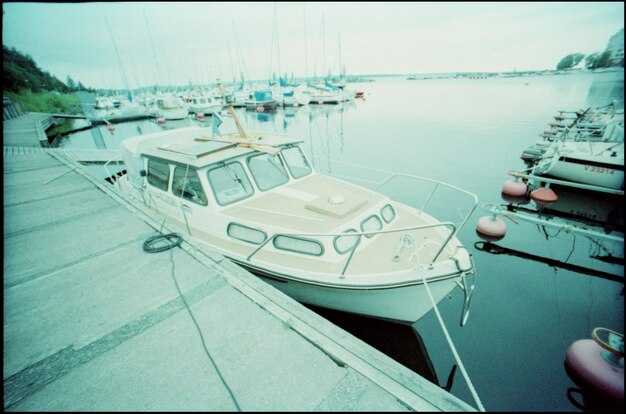
Label a yacht classic only when it clears three filters: age, design lineage, and usability today. For age, adopt three bands used by international clubs: antique (100+ years), vintage (50–99 years), and classic (30–49 years). This provides a practical baseline for pricing, insurance, and registries. The past matters, because those thresholds reflect shifts in construction and equipment that define the era. When a boat sits in antique or vintage, its value is driven by rarity and historical context; when it sits in the 30–49 range, it often remains good if it has been maintained and refurbished with respect for its original design. The age criterion itself doesnt guarantee quality, but it sets the frame for further assessment.
Design lineage centers on a documented pedigree: the designer, the yard, the build line, and the hull form that has been designed for that era. Yachts tracing to celebrated designers or long-standing yards carry a stronger claim to classic status. Look for era-specific features: a long keel, a preserved rudder arrangement, and a rig such as a cutter or a traditional sloop. An ornate, brass-fitted deck signals the beauty of past work and the cohesion of the line that has been carried forward. If the line itself comes from a notable cutter tradition, that reinforces ownership of the design heritage. This means the boat is more than old; its design lineage is recognised and has international recognition, helping it stand out as a true classic. The presence of keels, rudder geometry, and sail plan are part of a mapped story that others can verify, and thats a strong point for acceptance in clubs and registers.
Current usability assesses how the boat fits today’s yachting needs. The boat should be seaworthy and capable of sailing with reasonable crew and equipment. Inspect the hull, keels, and rudder for wear, the sails for usable condition, and the standing and running rigging for tightness and safety. Check that life-saving equipment, navigation gear, and safety systems meet current standards or can be upgraded without erasing the boat’s character. Ownership history, documented repairs, and a maintenance log reduce risk and help negotiations. If a vessel has been kept in good condition, with a manageable restoration implied rather than required, its usability is good for yachting today; if not, the price and effort must reflect that issue. The result is a balanced view: the past informs value, the present determines use, and the future should offer a clear path to enjoyment on the water.
Distinctive features that identify classic yachts: hull form, rig, interiors
Start by focusing on hull form, rig, interiors; this trio reveals the classic identity at a glance and helps buyers and enthusiasts assess value quickly.
They began as practical workboats, and the starting point for any classic is the hull’s profile. Nothing hides the design intent like the waterline, the tumblehome, and the way the rudder integrates with the stern. The allure lives in the long, clean lines from bow to stern, and the subtle transitions that stay readable whether the yacht sits at rest or heels in a breeze. Read the lines carefully, and among the best examples you will notice how the deck sits in harmony with the hull before it transitions to the cabin roof. The looks of the profile speak to the era in which it began.
That point becomes clear when you compare several vessels side by side. Rig is the second marker. The scene shifts with masts, spars, and sails. While some owners refinish, others preserve the original gear, and the design philosophy shows in the rig type: called gaff, cutter, or a single-mast sloop. A keen observer checks mast height, rigging geometry, and how the sails are set to balance the hull. The rudder balance behind the stern guides handling, and this doesnt rely on modern machinery but on tested craft and the way lines and winches are placed for control. Owners weigh money and credit against fidelity to the original gear, and the overall impression comes from properly selected equipment that stays true to the era and the design intent. While you compare, the details point to heritage rather than to a generic upgrade.
Interiors reveal life aboard and the heritage embedded in every detail. The touch comes from mahogany panels, brass fixtures, and careful, well-considered upholstery that keeps crew comfort in mind. Interiors called warm and practical often include knife-edge joints, ventilated bilges, and light through deckhouse windows that read as a quiet invitation to voyage. Look for the consistency of hardware and the way the life of past voyages is echoed in the wood, fittings, and storage, rather than in bright modern finishes. On forums they compare photos and plans; kane and griff illustrate how the profile of stairs, seating, and cabinetry matches the era, and they remind readers to read captions for clues about the original equipment and maintenance choices.
| Aspect | Signature details |
|---|---|
| Hull form | Long waterline, balanced sheer, subtle tumblehome, clean underbody; rudder alignment integrated with the stern |
| Rig | Mast and spar arrangement, rigging type (gaff, cutter, sloop), sail plan and balance |
| Interiors | Woodwork (mahogany), brass hardware, upholstery touch, ventilation, cabin layout supporting life aboard |
By focusing on these three areas, you can identify a classic yacht and read its story through lines, gear, and timber.
Historical eras and notable builders every buyer should know
Start with the Golden Age, roughly 1890s to 1930s, and map your goals to a builder whose profile fits. The definition of a classic yacht rests on lineage, keel details, and maritime purpose, not merely a gleaming look before buying.
These decades produced ships with long, slender hulls and balanced rigs. Nathanael Herreshoff (USA) pushed speed and seaworthiness, setting a benchmark in profile; William Fife & Sons (Scotland) delivered timeless elegance with flowing lines and beauty; Camper & Nicholson (UK) combined beauty with practical rig and high craft. These yards set the standard for buyers, where signature build and the look communicate a yacht’s character.
During the exploration era, yards kept the elegance while reinforcing strength for longer voyages. Abeking & Rasmussen (Germany) produced sturdy, seaworthy cruisers; other European yards preserved the maritime aesthetic while adapting to heavier seas. Displacement sometimes ran into large tonnes, reflecting a ready tolerance for offshore adventures.
When assessing a candidate, check the keel geometry and the profile against the builder’s hallmark. Before you commit, request original drawings or credible restoration records; these definitions anchor value and performance in real history. credit decisions should come from a trusted yard or experienced owner who can attest to the vessel’s condition, and you should be careful to verify every claim.
These signals matter: the touch of timber, the gleaming brass, and the look that tells a maritime story. Sometimes a vessel carries a nickname among owners, called barney pre pevný a spoľahlivý trup a tento sentiment môže odrážať dlhú prevádzku. Hľadajte dobre zdokumentovanú históriu údržby a dôveryhodné fotografie alebo záznamy; Sandemanove katalógy alebo dobové poznámky môžu pomôcť potvrdiť profil lode a jej dlhú históriu.
Potom zosúlaďte svoje vyhľadávanie s obdobím, ktoré najlepšie podporuje vaše cesty. Definitions rastite s vašimi cieľmi – či už sa budete naháňať exploration, víkendové plavby alebo seriózne plavby na dlhé vzdialenosti. Tieto faktory spolu so záznamami dôveryhodného staviteľa zabezpečujú, že vaša voľba zostane zmysluplná ešte dlho po predaji.
Posudzovanie stavu a autenticity: praktické kroky kontroly
Začnite štruktúrovanou obhliadkou na mieste spárovanou s dôkladnou kontrolou dokumentov na overenie stavu a autenticity. Predložte majiteľovi stručný plán, aby sa mohol zúčastniť a podeliť sa o kontext súvisiaci s históriou jachty.
- Zber údajov pred kontrolou
- Žiadosť o konštrukčnú dokumentáciu a záznamy z lodenice, číslo trupu, pôvodné špecifikácie a denník údržby. Potvrďte profil typu a zaznamenajte všetky vymenené položky, potom ich porovnajte so súčasným usporiadaním. Ak sa v súbore objaví Tara, zaznamenajte jej odporúčania a skontrolujte ich s knihou prác vykonaných najdôveryhodnejšími remeselníkmi.
- Posúdenie vonkajšieho trupu a paluby
- Prehliadnite obšívku trupu alebo laminátový povrch, či neobsahuje medzery, praskliny alebo vymenené časti. Skontrolujte upevňovacie prvky, tesnenie a farbu pod čiarou ponoru, či zodpovedajú veku plavidla. Posúďte palubný hardvér, úväzníky a priechodky; spočítajte osem palcové skrutky a overte materiálovú kompatibilitu s pôvodným príslušenstvom, aby ste dosiahli nadčasový, elegantný vzhľad namiesto záplatovaného dojmu.
- Konštrukčná integrita a hodnotenie dreva
- Poklepkávaním otestujte podozrivé miesta a vyhľadajte mäkké body; skontrolujte rámy a priehradky na prítomnosť hniloby alebo delaminácie. Skontrolujte súlad s deklarovanou tonážou a výtlakom; ak správa z lodenice uvádza tony, overte čísla podľa tvaru trupu a konštrukcie kýlu. Zdokumentujte všetky opravy a posúďte, či sú v súlade s obdobím plavidla a jeho zamýšľaným použitím v jachtárskej kultúre.
- Kontrola mechanických systémov
- Zhodnoťte stav motora/motorov, počet motohodín a históriu servisných zásahov; porovnajte s pôvodným typom pohonu. Skontrolujte tesnenia, chladenie a vedenie výfuku z hľadiska súladu s vekom plavidla. Všimnite si všetky vymenené diely a posúďte, či výmeny zodpovedajú pôvodným cieľom výkonu, a nie len zabezpečeniu okamžitej spoľahlivosti.
- Elektrické a vodoinštalačné systémy
- Skontrolujte izoláciu káblov, batériové bloky, uzemnenie a obvody čerpadiel. Uistite sa, že elektrický systém zodpovedá ére lode, alebo či boli potrebné dodatočné úpravy pre bezpečnú prevádzku. Zaznamenajte všetky vylepšenia a overte, či neohrozujú autenticitu alebo rozloženie hmotnosti.
- Výstroj, plachty a palubné armatúry
- Skontrolujte stožiare, rahna, pevný a pohyblivý takeláž a navijaky, či nie sú opotrebované, skorodované alebo či nepotrebujú výmenu. Porovnajte tvarovky s pôvodnou špecifikáciou modelu; overte, či boli niektoré komponenty nahradené modernými ekvivalentmi, ktoré napodobňujú pôvodný profil. Posúďte stav zásob plachiet a ich kompatibilitu s plánovaným využitím jachty pri plavbe a regatách.
- Vnútorné stolárske výrobky a príslušenstvo
- Otvorte kajuty a skontrolujte stolárske výrobky, priečky a kovania. Hľadajte originálne intarzie, dyhy a upevňovacie prvky; všímajte si, kde povrchové úpravy vykazujú konzistentné starnutie v porovnaní s nesúrodými novšími vrstvami. Spočítajte tri výrazné oblasti, kde mohli byť použité moderné materiály, a posúďte ich vplyv na hodnotu plavidla hodnú múzea a zážitkový pôvab.
- Pôvod a signály autenticity
- Číslo trupu dokumentu, pečiatka výrobcu, pôvodný názov a značky lodenice; porovnajte s katalógovými fotografiami a dôveryhodnými zaujímavosťami od nadšencov. Skontrolujte profil oproti známym modelom z daného obdobia, aby ste odlíšili skutočnú klasiku od blízkej repliky. Identifikujte všetky úpravy mimo trhu, ktoré menia právoplatný charakter jachty.
- Skúška na mori a výkon
- Vykonajte kontrolovanú námornú skúšku zameranú na realistickú rýchlosť modelu, s cieľom dosiahnuť testovaný výkon blízko ôsmich uzlov pri pohone motorom a plynulú, predvídateľnú odozvu pri plachtení, ak je to možné. Sledujte pocit z riadenia, vibrácie a odozvu pohonu; zaznamenajte spotrebu paliva a charakteristiky výfukových plynov pre presnosť v skúsenostiach majiteľa a rozpočtovaní údržby.
- Faktory hodnoty, rizika a rozhodovania
- Odhadnite hodnotu porovnaním stavu, originality a histórie výmeny s požadovanou cenou. Zvážte náklady na budúcu obnovu oproti vlastníctvu kusu s preukázaným pôvodom. Pre nadšencov vynaložené peniaze často korelujú s bohatšou jachtárskou scénou a nadčasovými spomienkami, zatiaľ čo pre ostatných sa to musí zhodovať s praktickým rozpočtom, ktorý zachováva charakter jachty.
- Dokumentácia a reportovanie
- Pripravte stručnú správu s podrobným popisom stupňov stavu, znakov originality a plánom obnovy s tromi konkrétnymi prioritnými opatreniami. Zahrňte fotografický denník, merania a odporúčaný časový plán akýchkoľvek opráv. Pomôže to majiteľovi a každému budúcemu kupujúcemu pochopiť súčasný stav jachty a potenciálne ďalšie kroky.
Po ukončení inšpekcie zostavte profil, ktorý pomôže nadšencom porovnať túto jachtu s jej náprotivkami. Uveďte jasný verdikt o autenticite, vyzdvihnite všetky vymenené alebo obnovené položky a načrtnite zážitok, ktorý plavidlo ponúka – či už ide o poklad múzejnej úrovne, alebo o temperamentnú, dobre fungujúcu loď na každodenné člnkovanie a víkendové plachtenie.
Nákladové faktory a typické cenové rozpätia pre klasické superjachty
Stanovenie jasného rozpočtu vám pomôže zamerať sa na správnu veľkosť a stav klasickej superjachty. Pri drevených trupoch kvalita konštrukcie a reputácia lodenice rýchlo určujú hodnotu; prémia sa platí za autentické línie, ktoré evokujú eleganciu a plavebné vlastnosti. V pobaltských štátoch zruční remeselníci často poskytujú vysokú hodnotu, zatiaľ čo v Stredomorí sú k dispozícii aj možnosti, ktoré kladú dôraz na štýl interiéru. Tam si majiteľ môže vybrať z lodí s názvom Bolero, projektov Beeck alebo iných klasík, ktoré ponúkajú elegantný tvar bočnej strany trupu. Keď viete, čo chcete, môžete dať maklérom a odhadcom cielené pokyny na overenie pôvodu a histórie údržby.
Medzi nákladové faktory, ktoré najviac ovplyvňujú cenu a priebežné výdavky, patria:
- Konštrukcia a integrita trupu: drevené trupy vyžadujú starostlivú priebežnú údržbu a tvar a bočný profil ovplyvňujú výkon aj údržbu. Kvalita konštrukcie dlhodobo žijúcej klasiky priamo ovplyvňuje výsledky prieskumu a predajnú hodnotu.
- Stav a rozsah modernizácie: úplná alebo takmer úplná rekonštrukcia, vylepšenia motora a lanovia a úpravy interiéru môžu zvýšiť celkovú investíciu o 20 – 50 % alebo viac v porovnaní s kúpnou cenou. Akceptovaný plán často oddeľuje kozmetickú úpravu od rozsiahlych mechanických prác.
- Reputácia regiónu a lodenice: pobaltské lodenice majú tendenciu vyvažovať hodnotu s vysokou kvalitou, zatiaľ čo známe stredomorské spoločnosti si môžu účtovať prirážku za služby, materiály a pripravenosť na odovzdanie na kľúč.
- Lanovie, plachty a plátno: výkon plavby závisí od usporiadania lanovia a kvality plachiet; plátno alebo moderné ekvivalenty ovplyvňujú estetiku aj prevádzkové náklady. Plavidlo navrhnuté tak, aby plávalo s gráciou, bude vyžadovať starostlivú údržbu rahien a lanovia.
- Štýl interiéru a pôvod: vzhľad a dojem – či už ide o striedmu klasiku alebo bohato zariadený interiér – ovplyvňuje cenu, rovnako ako rodokmeň dizajnéra a to, či sa loď označuje za historicky významný kus.
- Ownership and operation: ongoing crew costs, storage, insurance, routine surveys, and potential regalleries all add to annual outlays. Owners who plan long stays aboard often prioritize reliability and ease of service.
- Expected refit cadence: planning for major work every 5–12 years helps avoid budget shocks; some vessels require more frequent attention due to continuous sailing or age-related wear.
Typical price ranges for classic superyachts (purchase price, USD, approximate and indicative):
- 5–15 million USD – smaller wooden classics, roughly 25–40m LOA, condition usable but with cosmetic or mechanical refresh needed. These options suit first-time classical yacht owners who value authenticity and straightforward sailing, with room to upgrade interiors over time.
- 15–40 million USD – mid-size classics, about 40–60m LOA, often with recent or planned refits, strong sailing performance, and well-appointed interiors. This band offers a balance of provenance and practicality for long-range cruising.
- 40–100 million USD – larger vessels or heavily upgraded classics, 60–75m LOA, with comprehensive interior design, modern systems, and proven stability under sail. Expect premium on provenance, design pedigree, and service readiness.
- 100+ million USD – iconic or especially well-restored vessels (or new-builds emulating classic lines) with high-grade woodwork, bespoke interiors, and exceptional sailing capabilities. These assets cater to owners seeking rare history, unmatched presence, and turnkey operation for private sailing or charter programs.
When evaluating options, ask for a detailed maintenance plan and lifetime cost projection. Then compare two to three candidates that share the same shape and style to understand the delta in owner and crew requirements. This approach helps you decide whether to pursue a long-term investment in a true classics yacht or to select a modernized alternative that evokes the same aesthetic.