


 Slovenčina
  English (UK)
  Русский
  العربية
  日本語
日本語  한국어
한국어  Magyar
  Türkçe
  Español
  Čeština
  Svenska
  Português
  Ελληνικά
  Suomi
Suomi  Nederlands
  Română
  Italiano
  Français
  Polski
  Українська
  Deutsch
  简体中文
简体中文 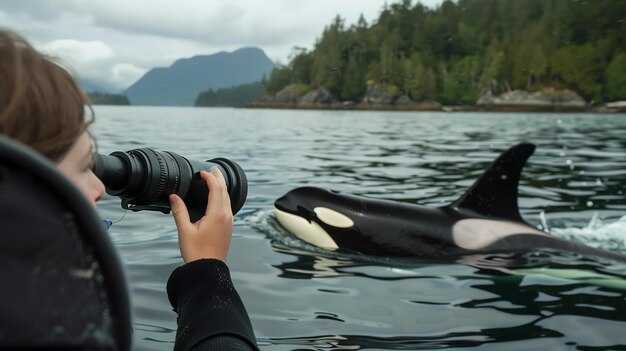 Whale Wildlife Watching Tours – Best Whale Watching Experiences for Nature Lovers">

Začnite jesennou prehliadkou skoro ráno na stabilnom, malom plavidle, aby ste mali väčšiu šancu spozorovať veľryby. Pokojné more a slabá premávka maximalizujú časy, kedy sú kŕdle viditeľné na hladine, pri výskokoch a úderoch chvostom. Tu pochopíte, ako vám úctivý a pomalý prístup pomôže vychutnať si blízke pohľady bez toho, aby ste zvieratá stresovali. Táto rovnováha tiež udržiava jazdu pohodlnou pre rodiny a fotografov. Zaparkujte na parkovisku v prístave a pridajte sa k posádke, ktorá udržuje krátke rady a jasné výhľady; dok je naplnený vôňou soli a rannou energiou.
Hľadajte zľavnené odchody ponúkané operátormi, ktorí zverejňujú počty veľrýb v reálnom čase a bezpečnostné upozornenia, a majú výlety, ktoré prebiehajú pozdĺž celého pobrežia. Keď nastúpite na palubu, kapitán a prírodovedec vysvetlia, čo znamenajú pozorovania a ako počasie a prúdy ovplyvňujú smerovanie veľrýb, a tieto znalosti vám pomôžu pochopiť pravdepodobnosti a vybrať si najlepšiu možnosť pre váš harmonogram. Operátori začali svoje programy s jednou loďou a teraz prevádzkujú malé flotily, no napriek tomu zachovávajú intímny zážitok.
Na dobré plánovanie si zoberte vrstvy oblečenia, klobúk, opaľovací krém a fotoaparát s rýchlou uzávierkou. Príďte o 15 minút skôr, aby ste si zabezpečili miesto s najlepším výhľadom; časy sa môžu meniť podľa vetra a vlnenia, ale posádky trasy upravujú a kapitán zabezpečuje, aby ste mali čo najlepšie šance vidieť skupiny. Námorníci na palube opisujú, ako sa skupiny pohybujú počas sezóny, a poukazujú na jasné znaky – holé plutvy, dychy a výtrysky – na vode, aby ste mohli sledovať aktivitu.
Po návrate si porovnajte poznámky so spolucestujúcimi a zvážte rezerváciu druhého turnusu na pokrytie ďalšieho pobrežného segmentu. Niektorí operátori ponúkajú dlhšie, viacdňové výlety so zdieľaným sedením pre more šance vidieť rôzne správanie na rôznych miestach; ak budete plánovať vopred, nájdete zľavnené možnosti a flexibilné itineráre. Milovníci prírody tu získajú praktické tipy pre budúce cesty a lepšie pochopenie toho, ako sa podmienky biotopov menia z roka na rok.
Sprievodca pozorovaním veľrýb pre milovníkov prírody
Vopred si rezervujte plavbu na malej lodi s výkladom v prístave; zabezpečíte si tak pohodlné sedenie a prístup k skúsenému prírodovedcovi.
Vyberte si lokalitu, ktorá ponúka pozorovania na rôznych miestach počas jednej plavby, namiesto naháňania sa za jediným hotspotom; väčšina prehliadok rozširuje možnosti do zátok a ústí riek.
Sivé veľryby sa často vyskytovali v chladnejších vodách v blízkosti konkrétnych ostrovov, preto si naplánujte výlety v priebehu rokov, aby ste porovnali vzorce a jednoducho si zaznamenali zmeny.
Zvoľte si klasickú trasu so širokým sedením a stabilnými plošinami; znižuje to oslnenie a zlepšuje výhľad pre začiatočníkov aj skúsených cestovateľov.
Skontrolujte, či prevádzkovateľ dodržiava požadované smernice týkajúce sa divokej prírody a dodržiava úctivú vzdialenosť od veľrýb.
Strávte čas na brehu v prístavnom meste medzi výletmi na oddych, doplnenie paliva a spoznávanie miestnych morských ekosystémov.
Počas každej plavby si vypočujte brífingy na palube, ktoré vysvetľujú signály prechádzajúce vodou, a pomôžu vám identifikovať sivé veľryby a ďalšie druhy.
Po úspešnom pozorovaní zvážte druhú etapu cez pobrežie alebo cez chránené kanály, aby ste rozšírili svoje skúsenosti.
Pre maximalizáciu hodnoty vyberajte poskytovateľov, ktorí ponúkajú možnosť rezervácie vopred, jasné storno podmienky a možnosti v rámci väčšiny rozpočtov; pre pohodlie hľadajte možnosti väčšieho sedenia, ak sú k dispozícii, a sprievodca môže navrhnúť najlepšie okná na sledovanie.
Vyberte si zodpovedného prevádzkovateľa pozorovania veľrýb

Začnite s licencovaným prevádzkovateľom, ktorý ponúka jasné pravidlá správania, udržiava tiché motory a obmedzuje počet lodí a cestujúcich počas dobrodružstiev pozdĺž pobrežia a v blízkosti ostrovného prístavu, aby ponúkol zmysluplnejšie zážitky.
Vyžiadajte si povolenia a certifikácie, postupy cestovania v hlavnej sezóne, najmä v auguste, a maximálny počet plavidiel, ktoré sa môžu priblížiť k skupine naraz; požiadajte vedúceho prevádzky, aby vám poskytol oficiálne zásady, ktoré podrobnosti by mali byť zverejnené na stránke prevádzkovateľa alebo overené v prístave alebo pobrežnej stráži.
Hľadajte niekoho, kto trénuje posádky v správaní veľrýb, uprednostňuje odpočinok zvierat medzi prejazdmi a poskytuje presné komentáre pre pasažierov založené na živote morských živočíchov, ostrovných biotopov a pobrežného prostredia. zdroj lopez často poznamenáva, že takíto operátori zverejňujú limity vzdialenosti a času; skontrolujte ich stránky, či obsahujú zverejnené pravidlá a bezpečnostné upozornenia.
| Criterion | Čo overiť | What to expect |
|---|---|---|
| Povolenia a predpisy | Povolenia námorného úradu; vyvesené pravidlá o vzdialenosti | Viditeľné čísla povolení; pravidlá jasne uvedené na mieste. |
| Počet plavidiel | Maximálny počet plavidiel v blízkosti skupiny; udržujte vzdialenosť 100 – 300 m | Zvyčajne 2 – 4 plavidlá; tichý prístup, vyhýbajte sa prenasledovaniu |
| Výcvik posádky | Kapitáni a prírodní vedci vyškolení v správaní veľrýb | Bezpečnostná inštruktáž pred priblížením; nekŕmiť; pokojná narácia |
| Pokyny pre cestujúcich | Stručný kódex správania; obdobie oddychu pre zvieratá; žiadne hlučné aktivity | Tiché pozorovanie, minimálne prudké pohyby |
| Environmentálne postupy | Nakladanie s odpadom; regulácia hluku; voľnobeh motora | Plavidlá s nízkou hlučnosťou; správna manipulácia s odpadom |
| Dĺžka plavby | Čas blízko pozorovaní; príležitosti na odpočinok | 2–3 hodinové plavby; v prípade potreby rozdelené na segmenty |
Niektoré možnosti vlajkových lodí trhu ponúkajú veľké čísla, ale vyberte si cestovateľsky prívetivého operátora, ktorý uprednostňuje tiché pozorovanie pred senzáciou.
Najlepšie časy a miesta na pozorovanie veľrýb
Vydajte sa na skoré ranné prehliadky od mája do septembra pozdĺž pobrežia Washingtonu so zameraním na Eastsound, aby ste maximalizovali pozorovanie keporkakov a vráskavcov. Ráno sú moria pokojnejšie a aktivita divokej zveri sa rozširuje, prichádzajú v skupinách počas vrcholných okien a môžete očakávať viacero príležitostí na ich spozorovanie pri každej ceste.
V praxi medzi klasické miesta patria oblasť Eastsound a vonkajšie pobrežie pri ostrovoch San Juan, kde sa v tamojších vodách zdržiavajú vráskavce dlhoplutvé aj kosatky, najmä počas jasných dní koncom jari a v letných mesiacoch. Morský život, ako napríklad tulene a sviňuchy, sa často vezú vo vlnách a nad pobrežím sa vznášajú orly bielohlavé.
Najlepšie mesiace na pozorovanie sa líšia podľa druhu: Vrchol veľryby sa najspoľahlivejšie objavujú v júli a auguste, pričom máj a jún ponúkajú skoré príležitosti; kosatky putujú po pobreží počas zimy, jari a opäť na jeseň, takže ich môžete vidieť na niekoľkých prehliadkach počas roka.
Vyberte si prehliadky so skúsenými kapitánmi a flexibilným harmonogramom: možnosť meniť trasy za pochodu zvyšuje vaše šance a prevádzkovateľ načrtne požadované bezpečnostné inštruktáže, minimálny vek a limity kapacity. Táto flexibilita vám pomôže prispôsobiť sa podmienkam a zabezpečiť, že budete na vode, keď sú tu veľryby.
Pre dosiahnutie maximálnej hodnoty si rezervujte kombináciu, ktorá v prípade možností pokrýva obe strany pobrežia, pretože budete sledovať pozorovacie príležitosti oboch skupín a druhov. Vďaka inteligentnému plánovaniu si obyvatelia Washingtonu aj návštevníci môžu vychutnať klasickú a najlepšiu šancu vidieť veľryby a toto úsilie sa často premení na trvalé spomienky na roky.
Čo si obliecť a zabaliť na pozorovanie veľrýb
Vrstvite sa s vetruodolnou a nepremokavou bundou, aby ste sa cítili na palube pohodlne. V severozápadnom pacifickom Washingtone sa teploty rýchlo menia, takže väčšinu dňa môžete pociťovať chlad, aj keď svieti slnko. Pozdĺž zábradlí a v tienených zákutiach sú miesta na sedenie, kde môžete sledovať život vo vode s minimálnym vystavením vetru.
Oblečte sa vo vrstvách: základná vrstva odvádzajúca vlhkosť, teplá stredná vrstva a nepremokavá vonkajšia vrstva. Pridajte ľahkú pokrývku hlavy, čiapku alebo čelenku, rukavice a teplé ponožky; nepremokavé nohavice poskytujú dodatočnú ochranu, ak vás zasiahne striekajúca voda. Vyberte si pohodlné, flexibilné oblečenie, ktoré vám umožní pohyb pri nakláňaní sa za stĺpcom vody alebo chvostom. Proti slnku noste slnečné okuliare a opaľovací krém; odlesky môžu byť silné počas celého dňa. Zbaľte si len to, čo môžete ľahko preniesť, aby ste zostali na plavidle pohybliví.
Zbaľte si kompaktný denný batoh s vodou, občerstvením, opaľovacím krémom, balzamom na pery, fotoaparátom, ďalekohľadom, náhradnými batériami a malou nabíjačkou. Ak idete na výlet z kancelárie, majte veci kompaktné a usporiadané, aby ste predišli neporiadku na sedadlách. Použite vodotesnú tašku na elektroniku a náhradné vrstvy oblečenia a ťažšie veci uložte blízko chrbtu, aby ste udržali rovnováhu. Pod niektorými sedadlami a pozdĺž vyhradených regálov na mnohých plavidlách je priestor a posádka vás môže nasmerovať na najlepšie miesta na odloženie vybavenia.
Sú chvíle, keď vietor a voda znejú ako prirodzená uspávanka, preto zostaňte sústredení a pripravení. Ak sa zvýši striekanie, vzdiaľte sa od zábradlia a usaďte sa v chránenej oblasti, aby ste sa upokojili. Rešpektujte divokú prírodu a pokyny posádky; udržujte bezpečnú vzdialenosť a vyhýbajte sa prenasledovaniu kĺzavých skupín. Prírodovedci aj bežní pozorovatelia majú úžitok z pokojného a vyrovnaného pozorovania. Oboznámte sa s pravidlami plavidla; udržujte priechody voľné a neblokujte miesta na sedenie pre ostatných.
Pravidlá a bezpečnostné tipy na palube
Počas pozorovania zostaňte sedieť a udržujte tichý hlas, aby ste minimalizovali rušenie sivých veľrýb, vydier a iných divokých zvierat, a aby bola loď stabilná pre všetkých na palube.
Pred odchodom sa zaregistrujte v kancelárii a preštudujte si bezpečnostné pokyny; naplánujte si kroky vopred, aby ste mohli rýchlo reagovať, ak kapitán signalizuje zmeny podmienok.
- Udržujte vzdialenosť aspoň 100 metrov od akejkoľvek skupiny veľrýb; nikdy ich neprenasledujte ani neobkľučujte; zostaňte v určenej pozorovacej zóne na palube.
- Nekŕmte voľne žijúce zvieratá a nehádžte odpadky cez palubu; znižuje sa tým ohrozenie zvierat a pomáha udržiavať čisté životné prostredie.
- Dohliadajte na deti za každých okolností; držte ich za ruku, zabráňte im v behaní a určite miesto stretnutia v prípade náhleho zastavenia.
- Zostaňte v stabilnej polohe v sede vždy, keď sa plavidlo pohybuje; pri naklonení paluby sa držte zábradlia a nenakláňajte sa cez okraj.
- Používajte tiché fotografovanie; obmedzte blesk a udržujte tichý hlas, aby ste minimalizovali rušenie morských cicavcov, ako sú sivé veľryby.
- Počas plavby neustále dodržiavajte pokyny posádky; riadi nástup, výstup a bezpečné miesta na sledovanie.
- V rozbúrenom mori noste záchrannú vestu a držte sa skupiny; netúlajte sa na výbežky alebo mimo hlavnej cesty.
- Udržujte uličky voľné, uložte batožinu pod sedadlá, v prípade potreby včas prijmite opatrenia proti nevoľnosti pri cestovaní.
- Uvedomte si, že vydry, morské vtáky a iné morské živočíchy sa môžu objaviť kdekoľvek pozdĺž trasy; doprajte im priestor a pozorujte ich z diaľky.
Praktické poznámky pre plánovačov: skorá rezervácia pomáha zabezpečiť miesta na obľúbené výlety; cena sa môže líšiť v závislosti od sezóny a plavidla, preto si pri rezervácii overte presné náklady. Na jesenné a zimné odchody si zbaľte vetruodolnú vrstvu a používajte opaľovací krém proti slnečnej žiare odrážajúcej sa od vody. Ranné výlety často ponúkajú pokojnejšie more, ale počasie sa môže rýchlo zmeniť – sledujte skoré aktualizácie od kapitána a posádky.
Olivia, prírodovedkyňa na niektorých piatkových výletoch, vysvetľuje správanie zvierat a ukazuje, ako čítať výdychy, chvostové laloky a prístupy. Zdôrazňujú bezpečnostné laná a zotrvanie na vyhradenom mieste na palube. Prírodovedci a posádka monitorujú aktivitu divokej zveri, aby zabezpečili úctivé pozorovanie a bezpečnosť pre všetkých. Námorníci a hostia spolupracujú pri spozorovaní vydier a iných divokých zvierat pri zachovaní stabilnej a šťastnej atmosféry na palube.
Tiež poznamenávajú, že rodiny s deťmi by si mali vyberať výlety navrhnuté pre malých objaviteľov; tieto výlety poskytujú deťom prispôsobené vysvetlivky a praktické bezpečnostné tipy, vďaka ktorým si všetci užijú dobrodružstvá.
Naplánujte si cestu: Itinerár a podrobnosti o preprave
Zarezervujte si rannú prehliadku z vášho prístavu, aby ste zažili pokojné more a ideálne svetlo na pozorovanie skupín vráskavcov malých pozdĺž pobrežia Pacifiku – to vám dá najlepšie šance kdekoľvek na pobreží.
Stručný prehľad programu:
- Registrácia 30–45 minút pred odchodom; nájdite toalety, vaše člny a priestor na sedenie; všimnite si meno vášho kapitána a prevádzkovateľa pre daný deň.
- Naloďte sa, sledujte skupiny veľrýb; udržujte ticho, aby ste zachovali pokojné prostredie; fotografujte z palúb a zostaňte v označených zónach pre ich bezpečnosť. Každá loď ponúka trochu iný výhľad, takže si vyberte, kde budete sedieť, podľa počasia a svetla.
- Vráťte sa do prístavu, prejdite si pozorovania s posádkou a skontrolujte storno podmienky pre budúce prehliadky. Ak ste nejaké pozorovanie premeškali, informujte sa o zľave na budúci výlet.
Tranzit do prístavu:
- Šoférovanie: parkujte na parkovisku v prístave alebo na vyhradených miestach; parkovisko sa cez víkendy rýchlo zaplní – príďte skoro a nechajte si čas na prechádzku k doku.
- Mestská hromadná doprava: autobusové linky zastavujú v krátkej pešej vzdialenosti od prístavu; pre vyhnutie sa meškaniam si overte aktuálne cestovné poriadky.
- Zdieľaná jazda: požiadajte o odvoz blízko doku; použite nástupnú zónu pri chodníku, aby ste predišli zápche.
- Možnosti plavby loďou: denne premáva niekoľko lodí; ak preferujete tieň, menší počet ľudí alebo dlhé vyhliadkové paluby, informujte sa pri registrácii.
Logistics and tips:
- Prineste si vrstvy oblečenia, vetruodolné bundy, opaľovací krém, klobúk, vodu a fotoaparát; ďalekohľad vám pomôže spozorovať vzdialené skupiny kdekoľvek pozdĺž dlhého tichomorského úseku.
- Rešpektujte divokú prírodu: zdržiavajte sa v označených oblastiach a počúvajte inštrukcie námorníkov o vzdialenostiach a rýchlostiach priblíženia.
- Vybavenie: toalety sa zvyčajne nachádzajú v areáli prístavu; pred nástupom na lode si naplánujte krátky oddych v prístave, aby ste maximalizovali svoj čas na lodiach.
- Počasie a more: plavba sa môže pohybovať od pokojnej po rozbúrenú; majte pripravené prostriedky proti morskej chorobe a vyberajte si ranné prehliadky, aby ste mali najväčšiu šancu na jasné dni s menším vlnobitím.
Úpravy plánu a poznámky:
- Tí, ktorí majú naplánovaný nabitý program, si môžu naplánovať druhú prehliadku v ten istý deň, ak sú moria pokojné; ak nie, zvoľte si ranný termín pre najlepšiu šancu stretnutia s kosatkami a vráskavcami v skupinách.
- Skontrolujte aktualizácie zo zdroja a od svojho operátora ohľadom zrušení alebo preložení; naplánujte si flexibilné okno, aby ste sa prispôsobili akýmkoľvek zmenám.
- Biggs a Olivia často vedú inštruktáže na vode a zdieľajú správy o pozorovaniach; ich rady vám pomôžu optimalizovať, kde hľadať a kedy sa presunúť pre najlepšie pozorovania.