


 Slovenčina
  English (UK)
  Русский
  العربية
  日本語
日本語  한국어
한국어  Magyar
  Türkçe
  Español
  Čeština
  Svenska
  Português
  Ελληνικά
  Suomi
Suomi  Nederlands
  Română
  Italiano
  Français
  Polski
  Українська
  Deutsch
  简体中文
简体中文 
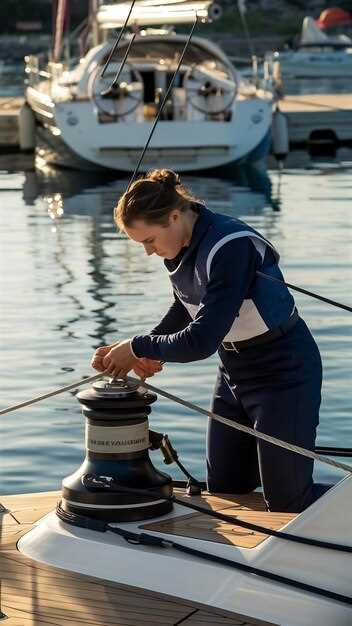
The concept of ballast in boating is a critical component that ensures safety and stability during various water activities. It serves as a means of creating greater control and balance in a boat, especially for racing or sport activities. Ballast can be anything from water to high-density materials, each serving a specific purpose in maintaining the desired waterline and performance. For beginners and experienced riders alike, understanding this term is essential for optimizing the use of their vessels.
When it comes to filling ballast tanks, using water is a common and simple practice. However, placing bags or other dense materials can provide an alternative method that proves effective in enhancing performance. These systems often involve jabsco fittings for draining or discharging the ballast when necessary, allowing for quick adjustments depending on the conditions. The ability to modify ballast weight significantly impacts the maneuverability of the boat, particularly during activities like wakesurfing, where flow and stability are crucial.
Although many might think of ballast as just a single aspect of boating, it truly encompasses a range of uses that extend beyond mere weight. For instance, in competitive environments, the ideal ballast configuration can drastically change the handling characteristics of a boat, allowing it to slice through water more effectively. The right height and weight distribution offer a tight connection between the boat and water, which can lead to a more enjoyable experience on the water, especially for those looking to surf or race.
Ultimately, understanding how to work with ballast systems can vastly improve a boater’s experience. Whether it’s adding capacity to tank systems or installing gear that allows for easier adjustments, taking the time to learn about this important concept provides a solid foundation for safe and enjoyable sailing. No matter your skill level, mastering the ins and outs of ballast will empower you to navigate the waterways with confidence and control.
The Importance of Ballast in Boat Stability

Ballast plays a fundamental role in ensuring the stability and safety of a boat while navigating through water. By providing necessary support, ballast helps to lower the center of gravity, making the vessel less susceptible to capsizing in high winds or rough seas. In this article, we’ll explore the various types of ballast, their uses, and why they are crucial for both recreational sailing and competitive sports.
A common type of ballast is lead-weighted material, typically added to the keel or other fittings within the boat. This leads to an optimum distribution of weight, enhancing stability. The most efficient ballast solutions are usually high-density materials that take up less space while providing greater weight support. These types of ballast can be easily implemented into different boat designs without affecting performance negatively.
Another important aspect is the flow of water around the hull. Static ballast, which is often found at the bottom of the boat, retains its position without requiring additional action from the driver. Conversely, dynamic ballast systems can be filled or discharged depending on the boat’s needs, providing flexibility during sailing. This versatility can be essential in emergency situations where rapid adjustments are needed to maintain stability.
The proximity of ballast to the keel is also critical; it must be positioned correctly to avoid trapping air and potentially creating buoyancy issues. A boat with poorly distributed ballast may seem stable while at rest but can behave unpredictably once it begins to move across waves. For this reason, it is recommended that boat owners periodically check their ballast systems to ensure they are functioning properly.
| Type of Ballast | Weight Characteristics | Common Uses |
|---|---|---|
| Lead-weighted | Heavier, high-density | Racing yachts, cruising boats |
| Water ballast | Variable weight, soft | Small boats, emergency situations |
| Solid ballast | Fixed weight | Commercial vessels |
In conclusion, understanding the importance of ballast in boat stability cannot be overstated. It is a vital tool for ensuring a safe and enjoyable experience aboard, allowing for a variety of sailing conditions. By addressing ballast issues proactively, boaters can enhance their ability to navigate the waters confidently and with peace of mind.
How Ballast Affects Center of Gravity
Ballast plays a crucial role in determining the center of gravity in a boat. By adjusting the amount and distribution of ballast, a boat can achieve optimal stability and performance, especially during various activities such as wakeboarding or running fast in tight proximity. Understanding how ballast affects the center of gravity can help ensure that you’re sailing safely and efficiently.
The center of gravity (CG) is the point where the weight of a boat is evenly distributed. This affects how the boat behaves on the water, especially when there are riders onboard. Here are some key considerations:
- Ballast and Stability: Adding ballast can lower the center of gravity, making the boat less likely to capsize. When additional weight is distributed below the waterline, the force needed to heel the boat is reduced. This is especially important during tight turns or when shipping waves.
- Ballast Distribution: Where you place the ballast is crucial. For example, adding weight towards the rear can help lift the bow, improving visibility and reducing wake. However, too much weight at the rear can make the boat too tight and prone to rolling.
- Quick Adjustments: Many boats have valves that allow riders to fill or remove ballast tanks easily. This helps adjust the load quickly, depending on the number of riders present or the type of water activities being pursued.
- Engine Impact: When the engine is running, it also affects the center of gravity. A well-balanced boat will handle better, with less need for constant adjustments, which can be counter-intuitive but very effective in keeping the boat stable.
In conclusion, understanding how ballast affects the center of gravity is vital for safe sailing. By carefully managing ballast, you can enhance your boating experience while reducing the risks associated with capsizing, ensuring that everyone on board enjoys their ride without the worry of instability.
Impact of Ballast on Boat Performance
Ballast plays a crucial role in the performance of vessels, significantly impacting stability, steering, and overall handling. When properly weighted, it helps boats maintain an optimal waterline, allowing for smoother navigation through waves. The added weight can be achieved through various sources, including water, stones, or aftermarket devices specifically designed for this purpose.
During performance evaluations, it has been said that strategically installed ballast systems improve both acceleration and control. For instance, allowing water to fill the bilge or a livewell can provide soft, evenly distributed weight that enhances stability while running. Excessively heavy ballast, however, must be approached with caution; the risk of capsizing increases if a vessel is not designed to handle such weight.
Ballast should always be vented and discharged appropriately. Systems that are filled with water can be received from multiple outlets, helping to distribute weight evenly. This practice is particularly essential when considering wakeboard configurations or when moving above cruising speeds.
In April, many boaters seek advice on how to optimize their ballast for the season. Recommendations often include keeping ballast below the waterline to avoid an excessively high center of gravity, which could jeopardize stability. Devices like wake pump systems, such as those from Wakemakers, allow for quick adjustments to ballast settings, ensuring that the vessel performs optimally during varying conditions.
When adjusting ballast, boaters must be mindful of how weight affects various aspects of performance. Steering responsiveness, maneuverability, and overall safety have been directly linked to how well ballast is managed. It is essential to think critically about how to utilize weight, ensuring that a boat remains safe while maximizing its capabilities in the water.
Types of Ballast Used in Various Boats

Ballast plays a crucial role in maritime stability, serving as a counterweight to enhance both safety and performance. Various types of ballast are integrated into different boat designs to meet specific needs. The choice of ballast can significantly affect a boat’s functionality and operation.
One of the simplest forms of ballast is water ballast, commonly used in small boats like dinghies or centerboard vessels. Water can be easily added or removed to adjust the boat’s weight based on conditions, which helps in maintaining optimal buoyancy while ensuring adequate stability. In conditions where excessive lift from waves occurs, this flexibility can prevent trouble.
Another type is solid ballast, which can be made from dense materials like lead or iron. These materials are often used in larger vessels, providing a permanent source of weight that improves righting ability. For example, factory-built yachts frequently utilize lead keels as a weighted component to lower the center of gravity, enhancing overall handling and reducing the risk of capsizing.
Certain modern boats incorporate adjustable ballast systems, where pumps allow for immediate redistribution of weight. This technology can facilitate adjustments while sailing, responding dynamically to changing conditions. Such systems help maintain equilibrium, even as loads shift from one side to another, a process crucial for performance during races.
Some vessels, like catamarans, may use a unique form of ballast that relies on the shape of the hull and the distribution of weight. The wider beams of these boats tend to improve stability; however, adding weighted structures, like additional ballast, can help counteract strong lateral forces during high-speed sailing.
Environmental factors also drive innovations in ballast materials. For instance, to combat pollution associated with heavy metals, many manufacturers are exploring alternative materials that reduce environmental impact while maintaining sufficient weight. These innovations link to sustainable practices within the boating community.
The debate on ballast types often leads to discussions on efficiency and performance. While some may argue that heavy ballast systems are counter-intuitive for speed, others believe that the right ballast can enhance the overall sailing experience by improving control and reducing the impact of water flow against the hull.
Ultimately, the choice of ballast can greatly influence a vessel’s overall design and functionality. Understanding these different types enables boaters to select the right solutions for their needs, ensuring a safer and more enjoyable experience on the water.
Water Ballast: Pros and Cons
Water ballast systems are a popular choice for enhancing the stability and safety of vessels on the waters. They use high-density water to adjust the mass of the boat, providing a greater level of control. This type of ballast is typically placed in the rear or center to improve the relationship between the boat and its wake, ultimately benefiting activities like wakeboarding and surfing.
Jednou z najjednoduchších foriem vodnej záťaže je použitie ventilov na vypúšťanie alebo napĺňanie nádrží podľa potreby. Táto okamžitá nastaviteľnosť umožňuje lodiarom jemne doladiť výkon ich plavidla, čím sa zabezpečí optimálna manipulácia počas pretekov alebo rekreačných výletov. Vzhľadom na blízkosť ťažiska táto rozložená masa uľahčuje riadenie pri zachovaní rovnej plochy na vodnej hladine.
Implementácia vodnej záťaže má však aj svoje nevýhody. Plná nádrž môže výrazne zvýšiť celkovú hmotnosť lode, čo môže znížiť rýchlosť a efektivitu. Okrem toho, používanie vody ako záťaže si vyžaduje dôkladné zváženie vplyvu na životné prostredie, pretože voda z neznámych zdrojov môže viesť k problémom so zavlečením nepôvodných druhov. Preto si musia byť lodníci vedomí kvality a zdroja používanej vody.
Dlhodobá údržba balastných systémov môže byť tiež problémom. Počas storočia môžu továrensky nainštalované systémy vykazovať opotrebovanie, čo vedie k potenciálnym únikom alebo iným problémom, ktoré by mohli ohroziť bezpečnosť. Je dôležité, aby majitelia lodí pravidelne monitorovali svoje balastné systémy, aby zabezpečili optimálny výkon a bezpečnosť.
Zhrnuté a podčiarknuté, vodná záťaž môže byť efektívnym nástrojom pre vodákov, ktorí si chcú zlepšiť stabilitu a kontrolu. Každý jazdec by mal starostlivo zvážiť pre a proti používania tohto konceptu, berúc do úvahy ich špecifické potreby a typ vôd, v ktorých sa plavia. Správna údržba, premyslená inštalácia a pochopenie účinkov záťaže môžu viesť k príjemnému a bezpečnému zážitku z plavby.
Tradičný olovený balast: Odolnosť a hmotnosť
Tradičný olovený balast je už stáročia základným prvkom lodí. Vďaka svojej vysokej hustote je ideálnou voľbou na zabezpečenie potrebnej hmotnosti na udržanie stability a vyváženia plavidiel. Napríklad kýly zaťažené olovom pomáhajú znižovať ťažisko lode, čo následne minimalizuje riziko prevrátenia pri pôsobení vonkajších síl, ako je silný vietor alebo vlny.
Pred príchodom moderných materiálov bolo olovo hlavným zdrojom záťaže kvôli svojej výnimočnej trvanlivosti. Táto trvanlivosť zaisťuje, že olovená záťaž odolá drsným podmienkam spojeným so slaným prostredím. V skutočnosti je jednou z hlavných výhod olova jeho odolnosť voči poškodeniu soľou, vďaka čomu je preferovanou voľbou pre dlhodobé inštalácie na jachtách a iných plavidlách, ktoré sa stretávajú s morskými podmienkami.
Tento balastný systém funguje efektívne tak, že sa zmestí do špecifických priehradiek v rámci lode, často umiestnených v blízkosti zadnej časti. Rozloženie hmotnosti pomáha zlepšiť riadenie a celkový výkon. Keď prevádzkujete plavidlo, inštalovaný olovený balast umožňuje lepšiu kontrolu, najmä pri vykonávaní prudkých zákrut pri wakeboardingu alebo pri iných vodných športoch.
Hoci sú k dispozícii alternatívy ako balastné vaky, tie môžu niekedy spôsobiť problémy v núdzových situáciách. Správne nainštalovaný olovený balastný systém nevyžaduje plnenie alebo prevádzkovanie nádrží, čo umožňuje spoľahlivejšiu a okamžitú reakciu v kritických situáciách. Preto vzťah medzi hmotnosťou a stabilitou robí z tradičného oloveného balastu praktické riešenie na zvýšenie bezpečnosti plavby.
Hoci existujú nepodložené tvrdenia o potenciálnych nebezpečných účinkoch olova, jeho preukázaná účinnosť v námorných aplikáciách často prevažuje nad obavami. Olovo poskytuje zásadnú stabilitu, ktorá umožňuje plavidlám, najmä väčším jachtám, bezpečne sa pohybovať aj v náročných vodách. Zhrnuté a podčiarknuté, hmotnosť a trvanlivosť tradičného olovnatého závažia z neho robia poprednú voľbu pre námorníkov, ktorí chcú zabezpečiť stabilitu a bezpečnosť na každej plavbe.
Ostatné materiály: Použitie betónu a ocele
Pri úvahách o možnostiach záťaže pre plavbu sa betón a oceľ javia ako životaschopné alternatívy k tradičným materiálom. Tieto látky ponúkajú jedinečné výhody a môžu výrazne ovplyvniť výkon plavidla.
Betón je často uprednostňovaný pre svoju flexibilitu, pokiaľ ide o tvar a hmotnosť. Dá sa tvarovať tak, aby zodpovedal špecifickým kontúram trupu lode, čím sa optimalizuje priestor dostupný pre záťaž. Minimálna výška betónovej záťaže by sa mala brať do úvahy, aby sa zabezpečilo, že vyváženie plavidla zostane optimálne, a predišlo sa tak akýmkoľvek problémom počas plavby.
Oceľ sa na druhej strane zvyčajne používa pre svoju trvanlivosť a vyššiu hmotnosť. Jediná oceľová platňa môže poskytnúť značné množstvo hmoty, čo pomáha udržiavať nízke ťažisko. Toto je obzvlášť dôležité pre lode, ktoré zažívajú výrazné pohyby od vĺn. Oceľový balast môže byť navyše pokrytý ochrannými nátermi, ktoré zabraňujú korózii, čo je dôležitý faktor, ktorý treba zvážiť pre dlhodobé používanie.
Betón aj oceľ by mali byť strategicky umiestnené, aby sa zabezpečilo čo najlepšie rozloženie hmotnosti. Podporí to kýl a zlepší stabilitu pri rôznych podmienkach plavby, čím sa zabezpečí, že loď bude v perfektnom stave a dobre ovládateľná. Umiestnenie záťaže smerom dozadu alebo k stredovej doske môže ovplyvniť charakteristiky riadenia, preto je nevyhnutné testovať a nájsť najlepšiu konfiguráciu.
Ďalšou pripomienkou je rozmiestnenie ťažších materiálov, aby sa predišlo nerovnomernému zaťaženiu, ktoré by mohlo narušiť výkon plavidla. Niektoré riešenia dostupné na trhu s náhradnými dielmi, ako napríklad záťažové vaky naplnené vodou alebo pieskom, sa dajú presúvať, aby sa upravilo rozloženie hmotnosti bez toho, aby bolo potrebné meniť pevnú záťaž.
V konečnom dôsledku, či už sa rozhodnete pre betón, oceľ alebo kombináciu rôznych materiálov, premyslite si, ako ovplyvnia celkový zážitok z plavby. Starostlivo implementované možnosti záťaže môžu premeniť štandardnú loď na dobre vyváženú plavidlo, čo výrazne zlepší váš čas na vode.