


 Slovenčina
  English (UK)
  Русский
  العربية
  日本語
日本語  한국어
한국어  Magyar
  Türkçe
  Español
  Čeština
  Svenska
  Português
  Ελληνικά
  Suomi
Suomi  Nederlands
  Română
  Italiano
  Français
  Polski
  Українська
  Deutsch
  简体中文
简体中文 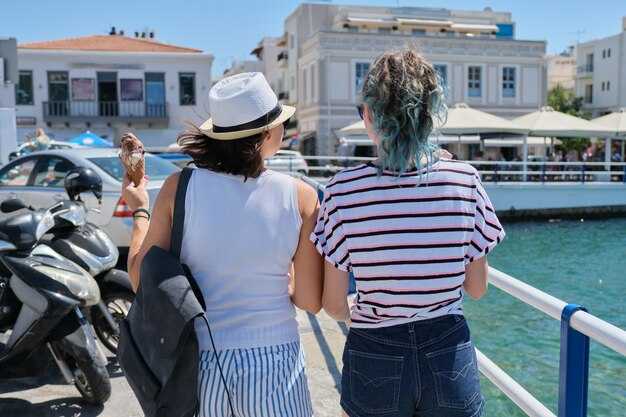 Underrated Mediterranean Destinations for Your Bucket List, According to Travelers">

Začnite na Maltou: základňou je Valleta pre 3-dňový okruh po Goze a Comine, potom sa vráťte na západ slnka v Grand Harbour. Trajekty spájajú ostrovy každých 1–2 hodín v lete a naplánujte si 4–5 hodín denne na túry po pobreží a kúpanie v skrytých zálivoch.
V západnej Anatolii, Éfezos zaslúži si koncentrovanú polovicu dňa. Zrúcaniny sa otvárajú o 8:00 a okruh trvá približne 90 minút, s blízky m múzeom, ktorý zaberie ďalších 60 minút. Ranná návšteva dobre ladí s pobrežným obedom v Kusadasi, dostupným v 30 minútach autom zdrojarov (dolmuş) alebo taxíkom.
V Grécku, the santorini scéna je ikonická, ale niekoľko menších ostrovov ponúka a romantic alternatívne, ktoré je stále ľahko dostupné z Atén alebo Naxosu. A right žiadna trajektová linka z santorini do Paros alebo Milos trvá približne 2–3 hodiny, kde nájdete tiché pláže, dedinské taverny a túry s scenic výhľadov, takže môžete obísť najväčšie davy ľudí.
Pre pomalšiú pulzáciou, zahrňte. romania na samostatnej nohe: pobrežie Constante a delty Dunaja ponúkajú prírodnú krásu bez davov, zatiaľ čo podhorie Karpát hostí hikes a hory s scenic perspektívy. Miestna veža (torre) stĺajúca sa nad útesovou cestičkou pridáva tichú orientačnú bodku a tipy na plánovanie zahŕňajú rezerváciu pobytov počas týždňa a používanie regionálnych vlakov na zníženie času stráveného na ceste.
Tieto trasy ponúkajú scenic mikro-dobrodružstvá, ktoré sa vyhýbajú turistickému zhonu a zároveň ponúkajú nezabudnuteľné jedlá a obľúbené momenty. zostavíte flexibilný plán s rozvrhom deň po dni planning tipy a miestni sprievodcovia, potom upravte podľa zmien počasia. Táto zmes udržiava stredomorskú atmosféru nažive bez dodržiavania štandardných itinerárov.
Trapani, Sicília: Praktické výlety a skryté poklady pozdĺž Stredozemného mora
Začnite rannou prechádzkou po Saline di Trapani e Paceco a prístave, potom sa z prístavu trajektom prepravte na Favignanu na deň strávený na žiarivých zálivoch a tyrkysovej vode. V súčasnosti odchádzajú trajekty z prístavu Trapani niekoľkokrát denne, čo z toho robí spoľahlivý začiatok. Tento plán predstavuje úzke začiatky vášho týždňa pri Stredomorí a ponúka chutnú ochutnávku talianskych morských plodov a ostrovného života.
Favignanova pobrežie láka k príjemným prechádzkam: oblasť Cala Rossa odmeňuje tých, ktorí tu zostanú, zatiaľ čo ruiny Tonnara di Favignana rozprávajú príbeh morského obchodu. Zvážte aj Levanzo pre kratšiu a pokojnejšiu návštevu ostrova s kamenistými zátokami a jednoduchými pobrežnými chodníkmi.
Pre vyšší vyhľad, sa Erice vypína nad mestom s kockovými uličkami a panoramatickými terasami. Vodiť sa nahor alebo použiť lanovku, ak je k dispozícii; každopádne získate dlhšiu perspektívu na Trapani a more za ním. Panoramatické terasy sú rozkošou pre fotografov aj plánovačov.
Okolo oblasti ponúkajú katakomby a podzemné priestory príjemnejšiu protiváhu slnečným uliciam a pocit toho, ako tu lokálni obyvatelia žili pod rôznymi impériami, vrátane vplyvov Grékov a neskôr talianskych období. Tieto priestory sú fascinujcou zastávkou po rannom pobyte pri mori.
Jesenné svetlo zjemňuje pobrežie a mesto sa zdá oslobodené od davov, pričom stále ponúka všetko, čo potrebujete: tiché kaviarne, malé trhy a spoľahlivú rybu. Ak už ste navštívili bulharsko alebo Algarve, všimnete si odlišné tempo a očarujúce kontrasty Trapani.
V dosahu hodiny sa nachádza niekoľko príjemných jednodňových výletov: Marsala s vínom, solnými panvami a barokovým centrom mesta; San Vito lo Capo so snehobielymi plážami alebo sväté miesta blízko starých hradieb. Životné príbehy sú zreteľné v uličkách a na tradičných trhoch, kde miestni obyvatelia nakupujú tak, ako pred generáciami.
Možno tu zostanete dlhšie, aby ste si vychutnali pomalší rytmus, alebo sa vrátite na voľnú, neskoropopoludňajšiu prechádzku po promenáde, kde more zachováva svojú krásnu žiaru a vzduch voní citrónmi a morským vánkom. Pri prechádzke pozdĺž pobrežia zistíte, ako toto miesto tvorí nezabudnuteľný záver akejkoľvek stredozemskej cesty.
Všetko tu odmeňuje zvedavosť, od zachovaných tuniakových domov až po skryté schodiská, ktoré vedú k vode. Aktuálne itineráre uprednostňujú vyváženú kombináciu dní na ostrovoch a vyhliadok na kopcoch a zážitok zostáva fascinujúci pre cestovateľov, ktorí si užívajú intímnejšiu časť Stredomoria.
dúfam, že vám tento plán bude užitočný pri plánovaní praktickej a príjemnej návštevy.
| Excursion | Poznámky | Čas / Vzdialenosť | Tips |
|---|---|---|---|
| Výlet na Favignanú | Coastline drives, Cala Rossa, Tonnara ruins | Ferry 30–60 min z Trapani; prechádzka po ostrove | Zarezervujte si trajekty vopred v hlavnej sezóne. |
| Levanzo excursion | Menší ostrov, pokojné zátoky | Člny 15–30 min | Choďte skoro, aby ste si užili tieň a pokoj. |
| Erice overlook | Kamenné cesty, vyhliadkové body | 20–40 min z Trapani autom alebo lanovkou | Noste pohodlnú obuv |
| Marsalské víno a soľné panvy | Posudzovanie vína, malebné panorámy | 1–1,5 hodiny autom | Navštívte kantínu na ochutnávky |
Ako sa dostať do Trapani s rozpočtom (letecká, železničná, trajektová doprava)

Letieť do Palerma (PMO) a vziať priamy regionálny vlak do Trapani je najcenovo dostupnejší začiatok.
-
Flight routes – PMO is your best bet for low fares. Budget carriers such as Ryanair and easyJet frequently operate into PMO, with one-way prices often around €20–€60 when booked 6–8 weeks ahead. From PMO, the direct Trenitalia regional train to Trapani runs about 1h40m–2h and costs roughly €8–€20. If schedules don’t align, a Sais Autolinee bus from the airport to Trapani typically takes about 2h15m and costs around €10–€15.
-
Rail routes – for travelers starting east of the island, fly into Catania (CTA) or land in PMO and connect via Palermo. The Palermo–Trapani leg is straightforward and keeps costs down, with total door-to-door times often 3h30m–4h. Regional fares are usually under €40, while longer InterCity services push prices higher. Expect a few quick transfers if you begin from CTA, but the overall route across Sicily remains efficient when booked in advance.
-
Ferry routes – ferries provide a solid alternative if you want to save on accommodation. Overnight sailings run between Naples and Palermo, about 9–10 hours, with fares from roughly €40–€70 for a basic cabin or reclining seat. From Palermo, hop the short train to Trapani for another 1h40m–2h. Longer crossings from Genoa or Livorno to Palermo are around 20 hours, but discounts appear with ahead-of-time booking. If you love island hops, Trapani is the gateway to the Egadi Islands, offering affordable day trips across the western coast.
Throughout your planning, combine plane + rail options to minimize costs. For travelers coming from Montenegro or other eastern routes, compare hub connections to PMO or CTA to keep prices low. Trapani’s old-town charm and beaches welcome budget-minded visitors, especially when you pick a base that minimizes transfers. Lovers of authentic, well-preserved sites will appreciate the byzantine touches visible across the historic center, while colorfully painted homes line the coast. There is no cable car to the heart of the city, so you’ll conserve time and money by walking or using a quick bus. Certainly, this approach makes it easy to explore the islands and sites across western Sicily, almost like discovering the birthplace of a slower, more relaxed travel pace. Between flights, trains, and ferries, you’ll cover fewer miles with better value, and you’ll still maximize your time on beaches and cultural stops. If you’re plotting a tangier, more adventurous route, these budget steps help you love every moment of your trip, from the oldest lanes to the best sunset views.
Best months to visit Trapani for weather, crowds, and deals
Go in May for a gorgeous time with light crowds and favorable rates. You cannot miss the feeling of wandering the walls of the old town, tasting delectable seafood, and soaking in traditional traditions without the peak-summer crush.
Here’s a practical snapshot to plan your year and vacations around Trapani’s rhythm, with concrete data you can use for flights and car rentals planning, hotel bookings, and day trips.
- May – Weather: daytime 22–25°C; sea around 18°C. Crowds: light. Deals: lodging and guided tours often 15–25% cheaper than peak season. What to do: explore caves along the brown coast and dramatic rock faces, stroll the walls of Trapani’s old town, and savor delectable seafood; enjoy sunset views from Torre di Ligny and nearby viewpoints. This window pairs well with a slow, relaxed pace and scenic drives along the coast.
- June – Weather: 26–28°C; crowds: moderate and rising as schools close. Deals: early June still friendly, but prices climb toward mid-month. What to do: long days invite coastal walks, Erice day trips, and early-evening strolls through markets; a drive along the coastline reveals quiet coves and dramatic viewpoints, ideal for a family vacation or a romantic break.
- September – Weather: 24–28°C; sea comfortable. Crowds: lighter than July and August. Deals: rates drop roughly 10–25% vs peak, with good value on hotels and tours. What to do: enjoy warm-water swims, seafood tastings, and cultural events; perfect for caves and cave-visit routes, with time to explore salt pans near Marsala and historic sites around the town.
- October – Weather: 20–24°C; crowds: very light. Deals: often the best rates of the year across accommodations and experiences. What to do: quieter markets, late-season coastal walks, and relaxed visits to nearby botanical and archaeological sites; suitable for a slower pace, extended meals with traditional flavors, and flexible day trips when weather remains favorable for outdoor time.
Must-see nearby spots: Erice, Marsala, Favignana on a day trip
Plan this day as a tight loop: Erice in the morning, Marsala for lunch and wine, then Favignana for an island finish. From Trapani, you’ll reach Erice in about 25–30 minutes by road, with a short funicular climb to the town. In Erice, wander the cobbled lanes to Castello di Venere–this landmark anchors the hill-town’s military heritage and evokes a commune vibe of artisans and cafes. Admiring the view from the town square, you’ll find a small fountain and several free viewpoints where you can pause for photos at sunset. This loop would let you experience three distinct atmospheres in one day, and you can adjust the pace to suit your travel style.
Next, drive to Marsala (about 40 minutes). The historic center invites visits to cantinas for a quick Marsala tasting, a greatest way to learn the region’s winemaking story and heritage. If you’re curious about military sites, seek out the coastal fortifications and the fort at the edge of the Stagnone lagoon. Grab lunch at a row of cafes along the water, and pick up a bottle to take home. The central squares offer a fountain moment and chances to visit streets you might have missed on the first pass; also, you can search for a sheltered bench to sit and watch boats glide by.
Favignana completes the loop with a split of slow cycling and turquoise coves. A short hydrofoil or fast ferry from Trapani takes about 25–40 minutes. Rent a bike near the port and ride the loop to Cala Rossa, Cala Azzurra, and the old tuna cannery museum for heritage insight. In the village, you’ll find a few casa markets and a central square with a quaint fountain. End with a sunset drink at a seaside cafe and admire the mesmerising light over the water; this scene is a favourite with lovers of coastal scenery. If weather allows, stay longer or plan a second day to relax rather than rush.
Travel note: travel enthusiasts also post about kotor, bulgaria, poland as quick reference points that show how compact itineraries can be. Certainly, this three-stop loop can fit into a long weekend, with flexible timing for ferries and museum visits. Hope this post answers how to assemble the day, and that you’ve visited some of these spots and plan to visit again with friends.
Where to stay like a local: authentic neighborhoods and small guesthouses

Choose a family-run guesthouse in Bozcaada’s historic town center for an authentic stay. The hosts greet you by name, share a map of the best streets to explore, and can arrange a morning ride along the coastline before crowds arrive.
Look for accommodations in authentic neighborhoods that are based in fishing quarters and lined lanes where locals shop, chat, and cook. These areas stay relatively quiet during the day and come alive with small markets, bakery aromas, and coffee spots that locals actually use. Just ask your host for a morning walk to a bakery.
Stay within a short walk of natural beaches or near the island’s amphitheater site, where summer performances add a cultural layer to your days. Your hosts can point you to hidden coves and a calm sunset spot after a quick ride to the islet ferry.
At night, skip the party zones and choose a guesthouse that prioritizes comfort over loud crowds. The biggest value comes from hosts who offer local tips for your vacations, from quiet cafés to sunset walks, helping you stick to a relaxed rhythm rather than a hotel-scripted itinerary.
If your vacations include hopping between islands in turkey and other countrys around the Mediterranean, Bozcaada serves as a natural anchor. Undoubtedly, a stay in a small guesthouse will miss the impersonality of chain hotels and instead offer a guided, intimate experience–your best way to savor the harbor, the wind, and the wonders of the island. This trip can still include plitvice-level nature elsewhere, while Bozcaada provides its own, distinct wonders.
Smart dining: markets, street food, and seafood you should try
Begin at Ballarò Market in sicily for a jump-start into the island’s food scene: arancine, panelle, sfincione, and fresh fish line every stall. Prices run around €2–€3 for arancine, €1–€2 for panelle, and €3–€4 for a slice of sfincione. Inside the narrow aisles, rough rock and stone walls glow under brass pans as citrus and olive oil perfume the air.
Then cross to La Pescheria in Catania, where the morning crowd catches fish drawn from the Ionian Sea: prawns, octopus, tuna, and sardines laid out on crushed ice. Grab a grilled prawn skewer (€5–€7) or a plate of fresh raw fish with lemon, and stroll along the dock to admire harbor views. The market’s lively rhythm and inside corridors create a memorable scene for admiring the city’s seafood culture.
In maltas, Marsaxlokk’s Sunday fish market delivers color and scent at the pier, with lampuki, snapper, and swordfish on display. Pair a fresh catch with ftira and bigilla for a light lunch (€4–€8 per item). Valletta’s Market at City Gate offers small bites–octopus salad cups, salt-crust squid, and cured olives–perfect for visits after a harbor stroll along the walls and beaches that frame the city’s skyline.
Crossroads of cultures shape Mediterranean dining, where olive oil, citrus, and sea salt mingle with languages from markets and tavernas. Nightlife centers around harbors and old town squares, and mostly crowds gather near food stalls after sunset. Ride a tram or bus between districts, then pause to admire a landmark plate of hot fried goodies; you’ll find the greatest variety in a single stroll through city centers, each bite telling a different story from the worlds of the sea.
Be mindful of language and prep: ask for the giorno fresh catch, sample arancine, panelle, and crocchè, and don’t miss lampuki when it’s in season. Be prepared for prices that vary by vendor, but expect to spend €2–€7 per snack and €6–€12 for a full plate with bread and a drink. Here, inside markets, you taste celebrated regional flavors while watching fishermen prepare a meal’s next chapter. In sicily, crafters, cooks, and fishmongers fuse history with modern flair, making these spots true living landmarks for food lovers.
From a Rome layover, you can visit the vatican, then creating a broader loop that ties sicily, maltas, and plitvice into a single trip. This ride through cultures leaves you with fond memories of the Mediterranean’s markets, street food, and seafood–a genuine highlight you’ll carry into every future visit and reminder of how delicious travel can be.