


 Slovenčina
  English (UK)
  Русский
  العربية
  日本語
日本語  한국어
한국어  Magyar
  Türkçe
  Español
  Čeština
  Svenska
  Português
  Ελληνικά
  Suomi
Suomi  Nederlands
  Română
  Italiano
  Français
  Polski
  Українська
  Deutsch
  简体中文
简体中文  Types of Boat Covers – How to Choose the Right Fit for Every Vessel">

Choose a tailored cover that matches your boat’s profile to prevent sagging and protect the interior for the long-term commitment. A precise fit reduces wind stress, keeps cushions in the original finish, and yields better water shedding. When you measure, keep in mind length overall, beam, freeboard, cockpit layout, and engine hatch geometry, then select a fabric that is resistant to UV, salt spray, and mildew.
There are several common types for different vessels: full-boat covers that shield the entire profile, cockpit covers for open boats, bow covers for spray protection, and transom covers for stern areas. For trailerable boats, choose lighter-weight fabrics and secure edges with snaps or straps; for moored boats, a heavier fabric and reinforced seams resist wind. When you’re looking for a fit, favor a tailored shape that aligns with rails, cleats, and hardware to reduce movement and wear.
Material choice matters: pick marine-grade fabrics with a dense weave and high resistance to sun, moisture, and salt. A breathable layer helps prevent condensation, and a tight weave tends to resist tearing. For storm-ready use, select weather-sealed seams and edge protectors to extend the life of the cover and preserve the finish.
Fit and securing methods make the difference between a cover that lasts and one doesnt. Use snaps, adjustable straps, and tight hems to maintain a snug profile. Before you buy, check that the design accommodates hardware such as leaning posts, antennas, and swim platforms; a cover that doesnt fit around these features will rub, crack, or sag.
Maintenance matters: regularly inspect the cover for signs of wear, tears, or fabric thinning; replace worn panels before leaks form. weve learned that storing covers dry and out of direct sun preserves color and flexibility. For a middle-ground option, pick a fabric with moderate weight that resists fading yet remains flexible in cold weather, reducing stiffness and making it easier to achieve a good finish each season.
Pre clear choice, record measurements in inches and compare them to a size chart; if you’re between sizes, go with the larger option and rely on a tailored cut to avoid movement. If you own a floating deck or pontoon, ensure the cover has drainage features and a slight bow to promote runoff; this creates less standing water and extends the life of the fabric.
Boat Covers: Types, Fit, and Damage Checks
Choose a zippered vinyl cover with a snug, tailor-made fit for your boat, and add a wind strap to resist flapping during storms. This setup protects rails, console, and decks without rubbing and loosening in gusts.
Fit matters most. Measure length from bow to stern, note the width at the rails, and map any protrusions such as cleats or grab handles. For british boats with low freeboard, pick a cover labeled for a precise fit and trim to the exact length so that the corners stay taut rather than sagging. These steps meet needs for a secure, long-lasting fit that saves you from chasing adjustments after every trip.
Materials offer different balances. Vinyl provides waterproofing and lasting resistance, while marine-grade polyester resists fading and dries faster after rain. For long trips in sun, choose UV-stabilized fabric that keeps color and strength. If you have a console or rails, a form-fitting design that hugs the console and rails reduces movement and noise, giving you a great, quiet ride.
Damage checks keep costs down. After each season or a long voyage, inspect seams for fray, zipper tracks for kinks, and buckles for wear. Look for soft spots that indicate water intrusion or fabric breakdown; address these fast to avoid a bigger break later. Crawling moisture in seams can signal hidden damage, so run a quick visual and a smooth test of the zipper to catch issues before they become costly repairs.
Maintenance and care. Rinse with fresh water, then soap and a soft brush to remove salt and grime. Avoid harsh cleaners or bleach that can deteriorate fiber; dry the cover completely before storage to save its life. Store in a cool, shaded area to keep color from fading and stitching from cracking. This adds to a unique, long-lasting cover and reminds you to mind the fabric’s flexibility rather than letting it stiffen over time.
| Typ | Fit Tips | Pros | Starostlivosť |
|---|---|---|---|
| Zippered vinyl cover | Snug around console and rails; include straps to resist wind | Ultimate water resistance; great durability | Soap and water; air dry to preserve elasticity |
| Elasticated marine-poly cover | Stretch fabric for easy install; space around rails | Lightweight; good breathability | Rinse after use; occasional fabric-safe cleaner |
| Custom-tailored marine fabric | Measured LOA and beam; trim to length | Unique fit for odd hulls; reduces movement | Clean gently; avoid bleach |
| British-market universal | Designed for british boats with low freeboard | Value option; widely available | Verify length and secure with straps |
These options let you choose the ultimate cover that fits your vessel’s needs today. Commit to regular damage checks, and you give your craft reliable protection that withstands crawling weather, long journeys, and routine use while saving time and money in the process.
Measure the Hull: Step-by-Step Size and Fit Checklist
Step 1: Gather tools and set a baseline. Use a quality, flexible tape measure (3 m–6 m), a lightweight notebook, and a water-repellent marker. Check dock conditions and record details for tomorrowour reference, especially when planning long-term storage or weekend maintenance.
Step 2: Measure hull length along the waterline. On calm water, place the start of the tape at the bow tip, run it along the gunwale to the stern tip, following the waterline. Record length along the waterline (LWL). For many vessels, LWL is the best guide to the cover length; add 2–3 inches (5–8 cm) for tolerance so the cover holds without binding.
Step 3: Record widest beam and deck clearance. Measure the beam at the hull’s widest point, typically amidships, and note the distance between the widest points of the hull. Add 2–4 inches (5–10 cm) to include under-rails clearance and any hardware. This helps you choose a cover with sufficient width so no edge chafes or flapping occurs in wind.
Step 4: Check freeboard and vertical clearance. Measure freeboard at bow, midships, and stern by placing the tape vertically from waterline to the highest point of hull near those stations. Record the maximum height; add 6–12 inches (15–30 cm) for a cover that drapes well and can hold rain without sagging. Note under-deck protrusions or fittings that affect the cover fit, such as cleats, rails, or a folded-down bimini.
Step 5: Note hull curvature and station spacing. Take readings at three or more stations across the hull (bow, midship, stern). If the hull widens quickly near the bow or stern, plan a slightly wider cover in those zones. Write down the widest measurement and the station location to guide how the cover will cradle the hull, avoiding tight spots that cause wear.
Step 6: Account for hardware, add-ons, and overhangs. Include rub rails, outboard brackets, swim platforms, and other hardware in your length, width, and height planning. If you have an overhang, measure its projection and include extra length. This step helps you avoid a cover that sits too tight or cannot reach the stern corners.
Step 7: Translate measurements into a size plan. For a practical fit, use these rules: cover length = waterline length + 6–12 inches (15–30 cm) to allow forward and aft overhang; cover width = widest beam + 3–6 inches (7–15 cm) for edge clearance; cover height = max freeboard + 6–12 inches (15–30 cm) for a snug but easy-to-remove fit. These concepts help you anticipate how the fabric sits on the hull, avoiding tight spots.
Step 8: Pick the fabric and style for long-term use. Choose water-repellent, breathable fabric to shed rain while allowing moisture to escape, reducing mold risk. For weekend storage or long-term needs, lightweight options that resist UV and abrasion stay pliable in cool mornings. Seams and hems hold shape, and breathable fabrics help the cover hold its fit, while avoiding unnecessary weight that can accelerate wear at tie points.
Step 9: Final check and documentation. Do a light test fit on the dock; edges sit under rails, straps reach anchor points, and corners stay smooth with a breeze. If something binds, revise the margin by 1–2 inches and recheck. If you arent sure about the margin, adjust again and re-test. Also capture photos for tomorrowour reference and log any adjustments needed for long-term storage or the next weekend.
Fabric Options: Canvas, Polyester, PVC, and Their Uses
For most boat covers, marine-grade PVC-coated polyester is the best match. It delivers rainproof protection, easy cleaning, and a long total life, making it a solid investment for many owners. When choosing length and fit, rely on a dealer or skilled craftsman to ensure a snug wrap that guards hardware and cockpit space. This kind fabric keeps weight manageable and fits a broad range of boat lengths.
PVC-coated fabrics excel in humid conditions, resisting water intrusion and salt spray. They suppress mold growth and limit condensation buildup when used with breathable venting and proper underlayers. Their abrasion resistance and straightforward cleaning help keep costs down, supporting a longer total lifespan with minimal upkeep.
Polyester with a marine-grade coating offers strong UV resistance, color stability, and lighter weight. It tends to dry quickly after rain and is easier to handle during installation, a practical advantage for many shopping trips or dealer visits. When kept in good condition, these fabrics prolong the time between replacements and remain a reliable option for every kind of craft.
Other fabrics include vinyl-backed blends and specialized hybrids designed for high-heat or tropical environments. These choices can be cheaper up front but may need more frequent care to prevent cracking or stiffness in cold weather. Always check marine-grade labels, confirm warranty terms, and compare total cost of ownership before committing, because an informed choice saves money over multiple seasons.
Maintenance tips: keep condensation under control by keeping covers dry and vented; remove bird droppings promptly to avoid staining and damage. Store the boat properly and keep tracks and seams clean to prolong fabric life. These habits help every purchase stay on budget and protect your investment.
Attachment Systems by Boat Type: Bungee Cords, Straps, and Hardware
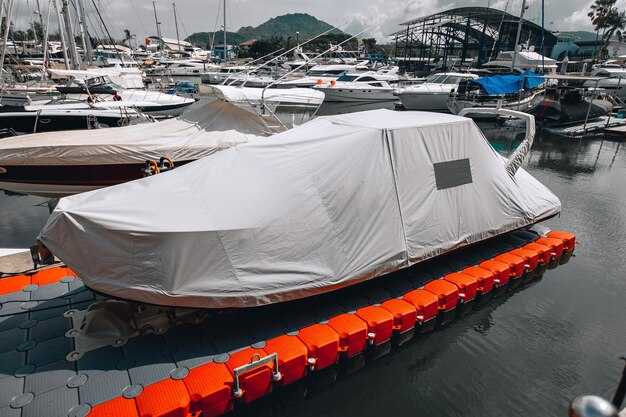
There, for trailerable boats, equip a three-part system: marine-grade hardware at reinforced anchor points, high-strength polyester straps, and a UV-stable bungee backup. This combination can give secure cover retention while resisting high winds, moisture, and debris, and it remains practical in typical marina spaces. This combination makes setup quick and repeatable, helping budget-conscious owners.
Bungee laná ponúkajú rýchle nastavenie pre ľahké zakrytie menších plavidiel. Používajte iba morské laná odolné voči UV žiareniu so zosilnenými koncami. Absorujú pohyb a znižujú namáhanie krytu; udržujte ich mimo ostrých hrán a extrémneho tepla. Ak spozorujete natiahnutie nad 20–25 %, vymeňte ich, aby ste zachovali vodoodolnosť a minimalizovali prenikanie vlhkosti a nečistôt.
Remienky poskytujú nastaviteľné, vysokopevnostné zabezpečenie pre väčšie člny. Používajte polyesterové popruhy so šírkou 1,5 – 2 palce s prackami odolnými voči hrdzi a mechanizmom s račňou alebo vačkou. Sú odolnejšie voči vlhkosti a oderu ako nylon a ich vlastnosti zahŕňajú jednoduché uvoľnenie pre údržbu. Pre kupujúcich s obmedzeným rozpočtom ponúkajú 2-palcové polyesterové popruhy so zosilneným prešívaním najlepší pomer ceny a spoľahlivosti; je to solídna investícia na niekoľko sezón.
Hardware zahŕňa krúžky z nehrdzavejúcej ocele, rýchloupínacie háky a zosilnené viazacie body. Vyberte si armatúry pre námorné použitie, ktoré sú odolné voči soli, vlhkosti a výkyvom teplôt. Vystuženie v miestach zaťaženia zabraňuje ohýbaniu a znižuje opotrebovanie krytov a vetracích otvorov. Horúci inštalatéri oceňujú hardvér, ktorý urýchľuje nastavenie bez toho, aby sa znížila pevnosť. Miestni dodávatelia a renomované značky (vrátane našej rady tomorrowour) poskytujú testované produkty a možnosti servisu, čo vám pomôže udržať čistú a spoľahlivú prevádzku.
Špecifiká typu člna sú dôležité: člny pre prepravu na prívese uprednostňujú rýchle, viditeľné zabezpečenie blízko okám na prove a priečkach; plachetnice a stredové konzoly majú výhodu z dodatočného vystuženia okolo pätiek sťažňov a striekacích zón; nafukovacie člny vyžadujú mäkšie popruhy, aby sa predišlo prepichnutiu a korózii odolné spojovacie prvky. Používajte kryty s vetracími otvormi na reguláciu vlhkosti a prúdenia vzduchu počas skladovania a vyberte si systém, ktorý zodpovedá miestnej klíme a typickému množstvu nečistôt.
Údržba udržuje systém silný: skontrolujte koróziu, vyčistite a vysušte komponenty, odstráňte nečistoty z kanálov popruhov a otestujte napnutie po preprave. Investícia do správneho skladovania a starostlivosti sa zajtra vyplatí, chráni člny a udržuje kryty čisté sezónu po sezóne.
Ochrana pred poveternostnými vplyvmi: UV ochrana, vodeodolnosť a sezónna starostlivosť
Vyberte si ľahký, patentovaný textilný kryt s UV inhibítormi a priedušnými panelmi, ktorý blokuje slnko a zároveň umožňuje únik vlhkosti.
Pre dlhé obdobia pobytu na lodi si vyberte kryt na mieru, ktorý prilieha k trupu a okolo zábradlí, čím zabráni slnečnému žiareniu na lak a zníži opotrebovanie nosníka. Zistili sme, že priedušné panely udržujú pohyb vzduchu v interiéri a obmedzujú kondenzáciu na povrchu a zároveň chránia úväzy a armatúry.
- UV ochrana: vyberte si obal s patentovanou UV blokovacou vrstvou a reflexným exteriérom na ochranu povrchu a laku, zatiaľ čo priedušný interiér minimalizuje hromadenie tepla.
- Osadenie a umiestnenie: zarovnajte kryt so stredovou čiarou, aby ste predišli nadmernému namáhaniu v blízkosti koľajníc a exponovaných okrajových oblastí, čo znižuje riziko roztrhnutia a predlžuje životnosť.
- Farba a vetranie: zvoľte svetlý exteriér na odraz slnečného svetla; zabezpečte prúdenie vzduchu okolo exponovaných zón, aby ste predišli plesniam vo vnútri zadnej časti a okolo armatúr.
Hydroizolácia a dlhodobá ochrana vyžadujú premyslené kroky, ktoré zapadajú do sezónnej rutiny. Dodržiavajte tieto tipy, aby ste dosiahli maximálnu ochranu bez toho, aby ste obetovali použiteľnosť.
- Príprava: povrch očistite jemným mydlom a vodou, dôkladne opláchnite a pred inštaláciou krytu úplne vysušte, najmä okolo úväzníc a stredovej čiary, kde sa zvykne zhromažďovať voda.
- Švy a uzávery: spoľahnite sa na dvojito prešité alebo podlepené švy a vodotesný okraj, aby ste zabránili vniknutiu vody; po každej sezóne skontrolujte opotrebovanie v zadných rohoch a okolo koľajníc.
- Upevnenie a skladovanie: zabezpečte postroj prívesu a upevňovacie popruhy rovnomerne, zabráňte nadmernému uťahovaniu, aby ste predišli roztrhnutiu, a skladujte kryt na suchom mieste, keď sa nepoužíva, aby sa zachovala elasticita a farba.
Sezónna starostlivosť pomáha udržiavať vzhľad a výkon. Použite tieto praktické kroky na ochranu veľmi dobre vyzerajúceho vybavenia a náteru trupu počas jednotlivých ročných období.
- Jarná kontrola: skontrolujte povrch, či neobsahuje odreniny, otestujte oblasť okolo úchytiek a spojov nosníkov a vymeňte opotrebované časti; hľadajte vyblednutú farbu alebo odkrytú tkaninu, ktorá si vyžaduje pozornosť.
- Letná údržba: mierne očistenie exteriéru na odstránenie soli a nečistôt, potom opätovná aplikácia tmelu na spoje okolo exponovaných spojov pre trvalú vodotesnosť.
- Jeseň a zima: odstráňte nečistoty, dôkladne vyčistite a nechajte kryt pred uložením úplne vyschnúť; zvážte priedušný kryt, ktorý pasuje na stredovú čiaru a zároveň zostáva kompaktný v prostredí prívesu.
Dodržiavanie týchto pokynov vám pomôže predísť poškodeniu, maximalizovať životnosť a udržať kryt, aby počas celej sezóny fungoval ako nový. Tieto postupy sa premietajú do bezpečnejšieho a lepšie zvládnuteľného prístrešku pre loď, ktorý chráni povrch, na ktorý sa spoliehate, keď sa vraciate na breh.
Kontrola poškodenia: Skontrolujte obaly, či nie sú roztrhnuté, vyblednuté a či nie je opotrebovaný hardvér.
Po každej plavebnej sezóne začnite s praktickou kontrolou poškodenia: hľadajte trhliny pozdĺž švov, vyblednutie na paneloch vystavených slnku a opotrebovanie kovania v miestach upevnenia popruhov alebo zipsov. zistili sme, že uvoľnená tkanina a rozstrapkané švy signalizujú potrebu záplaty alebo výmeny. majitelia, ktorí prepravujú svoje plavidlá na prívese, by mali skontrolovať oblasť okolo prívesného zariadenia a pozdĺž okrajov, kde dochádza k odieraniu, pričom by mali sledovať uvoľnené časti, ktoré sa môžu časom zhoršiť.
Materiál je dôležitý: vinylové obaly odpudzujú vodu a pleseň, ale môžu rýchlejšie vyblednúť na jasnom slnku; polyesterové zmesi zostávajú dlhšie mäkšie a odolávajú zrážaniu, okraje sa však môžu pri intenzívnom používaní opotrebovať. Hľadajte zosilnené švy a zdvojené vrstvy v kľúčových bodoch namáhania; mäkké panely okolo vetracích otvorov znižujú odieranie a predlžujú životnosť obalu.
Stav hardvéru: advice: skontrolujte priechodky, zipsy, pracky, popruhy a spony; dotiahnite uvoľnené súčasti a bezodkladne vymeňte skorodované časti; skontrolujte nite v vystužených oblastiach, kde spony prechádzajú okrajmi; udržiavajte tieto časti bez hrdze umývaním po vystavení soli.
Oprava a údržba: na malé trhliny použite zvnútra vystuženú záplatu alebo švovú pásku; pri vyblednutí zvážte ošetrenie vinylu prípravkom na ochranu farby; ak sú známky opotrebovania rozsiahle, autorizovaný servis alebo úplná výmena krytu zaistia dlhodobé krytie. Pravidelné kontroly podporujú vaše úsilie udržiavať výstroj v špičkovej kondícii.
Podnebie a náklady: kalifornské slnko a slaný vzduch urýchľujú opotrebenie; veďte si záznam kontrol na sledovanie trendov. Či už plavidlo uchovávate v slanej alebo sladkej vode, dobre padnúci kryt spomaľuje poškodenie a chráni vašu investíciu. Ak ho musíte vymeniť, porovnajte možnosti v rámci línií z vinylu a polyesteru; lacnejšie možnosti môžu zlyhať skôr, zatiaľ čo lepšie vystužená možnosť ponúka trvalú ochranu, čím sa znižujú drahé výmeny.