


 Slovenčina
  English (UK)
  Русский
  العربية
  日本語
日本語  한국어
한국어  Magyar
  Türkçe
  Español
  Čeština
  Svenska
  Português
  Ελληνικά
  Suomi
Suomi  Nederlands
  Română
  Italiano
  Français
  Polski
  Українська
  Deutsch
  简体中文
简体中文 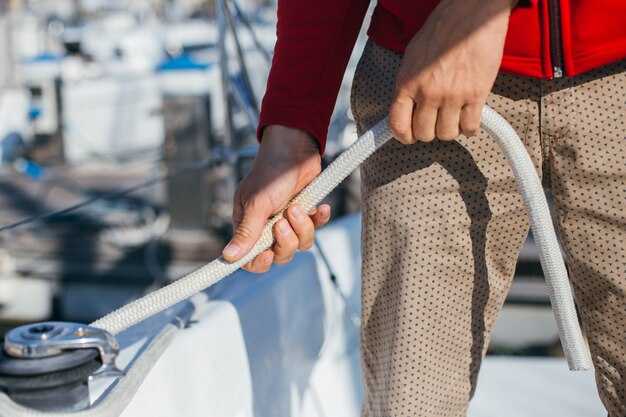 Top Mediterranean Sailing Routes for Expert Sailors">

Begin with spezia as your anchor on a Ligurian loop: sail west to Corsica, then down the Tyrrhenian coasts to Sardinia and back toward the mainland. They offer solid wind windows, protected coves for a morning swim, and ports with easy access for yachts to rest between legs, with depth ranging 8–25 m in sheltered bays.
In the ionian corridor, Lefkada, Kefalonia, Ithaca, and Corfu present dramatic coastlines and depth offshore that reward precise navigation. Planning mornings to catch the first light helps you ride steady winds into efficient legs down the coast, keeping a tight watch on currents and shoals. Having a clear route from athens into the archipelago gives you control of pace and easy stops in quiet bays before the next leg.
Across the eastern Med, the Cyclades and Dodecanese offer accessible harbors and friendly ports for large yachts, with reliable marinas and shore facilities. The right plan includes short hops when needed and longer days when conditions allow, with sheltered anchorages for calm nights after demanding sails. Mornings on glassy seas set the stage for big miles toward the next island group.
Why these routes work for expert sailors? They combine deep water and dramatic topography with consistent wind shifts and predictable currents, plus a spectrum of anchorages along the coasts. You’ll rely on solid systems aboard–AIS, weather routing, and robust deck gear–to keep the progress smooth and safe at sea.
Best Sailing Destinations in the Mediterranean – Top Ports Routes
Start with a dubrovnik anchor for charters, sailing the Dalmatian coast toward Split and Hvar, with afternoon winds guiding each quay turn.
Each stop reveals a history-steeped charm: Dubrovnik’s walls, Split’s marble promenade, and tucked coves around secluded bays. Šnorchlovanie in clear water, you relax and savor paradise moments while the sun dips toward the horizon.
In the afternoon, nautical charts outline each leg, focusing on the right winds and safe passages during a steady sail. The route includes a meal on deck, and the plan ensures comfortable nights in quay-side harbors.
Beyond the Dalmatian coast, the Western Med offers Amalfi, Capri, and Sicily’s eastern ports, with steeped history and renowned charters that deliver expert tips on currents. Sheltered bays invite snorkelling, and every stop is a chance to relax and absorb local charm.
To maximize your experience, potrebujete to book early, compare charts, and choose operators with proven records. Dubrovnik-based routes provide reliable schedules during peak season, and the right crew helps you focus on nautical skills while exploring the coast. This itinerary covers everything you need for a memorable voyage and provides a balanced mix of sailing, culture, and comfortable anchorages.
Seasonal wind patterns and optimal timing for expert routes
theres a high probability that the best crossings align with the seasonal wind cycles: meltemi in the Aegean, mistral along the western Med, and sirocco pushing from the Sahara into southern lanes. For expert crews, plan a 7–12 day trip in late spring or early autumn to keep winds steady and seas predictable. Start each leg at first light, choose harbours with strong protection, and let the marina reset the crew after every crossing.
From athens you can ride the meltemi toward the Cyclades, timing legs to hit straight, efficient crossing between rocky isles. Expect 15–25 knots on good days, with occasional gusts higher; reef early to maintain control and deliver a smooth ride. Some legs end in quiet, idyllic harbours where you can stroll under whitewashed walls, look out over forests of pines, and connect with medieval ports for a memorable experience that reinforces the confidence of the crew.
On the western edge, plan for mistral windows in late autumn or early spring. A crossing from marinas near Marseille or Toulon toward Corsica or Sardinia benefits from a steady NW push, then you tuck into sheltered bays to refuel and rest. Include a spanish leg along the coast to add variety and test cruising plans under different pressure fields. The thing to focus on is a straightforward sequence of short hops, with marine winds holding 6–12 knots in moderate conditions and longer stretches only when the forecast stays favorable. This keeps the pace manageable, the crew comfortable, and the experience memorable as you pass rocky shores, forests, and idyllic coves toward the next harbour or marina.
Advanced navigation challenges: currents, tides, and shoal entry points
Plan your first maneuver to enter a shoal entry point at dawn, and keep the boat on a steady course, using landmarks to confirm true position.
Currents and tides in the Mediterranean shift with wind and the moon; in july, shallow banks create shifting gradients that demand precise adjustments, especially near harbor mouths. Keep the watch steady; use depth sounders and AIS to provide real-time awareness and reduce drift.
Maintain a disciplined look at depth and seabed features as you sail along coastlines; near beaches around mallorca you may encounter hidden shoals, so stay alert for sparkling water indicators and adjust your line before entering a channel with bars.
Approach protected harbors from the windward side, selecting the less exposed channel and staying well clear of subtle shoal banks; always verify your planned entry with landmarks and depth contours before committing.
Rhythm on deck matters: they sail with smooth, continuous adjustments, keeping a calm look at depth and currents so you master the approach to each shoal entry. The approach should provide margin and reduce last-second corrections.
For first-time crews, practice near bodrum, where narrow channels test your ability to read shifting water and shorelines at dawn; hiking along cliffs offers views and a sense of coast geometry, helping you anticipate shifts in the current.
Be aware that peak current often sets up at bend points and after strong northerly winds; plan your line to pass behind reefs or sandbars, then loiter briefly to verify depth before committing to a crossing.
Over ages, your confidence grows as you learn to read the atmosphere on deck; there is true value in keeping the chance to refine technique through careful practice, mindful of every dawn, every raindrop, every sparkling horizon there.
Top ports, marinas, and anchorages for provisioning and safe passages
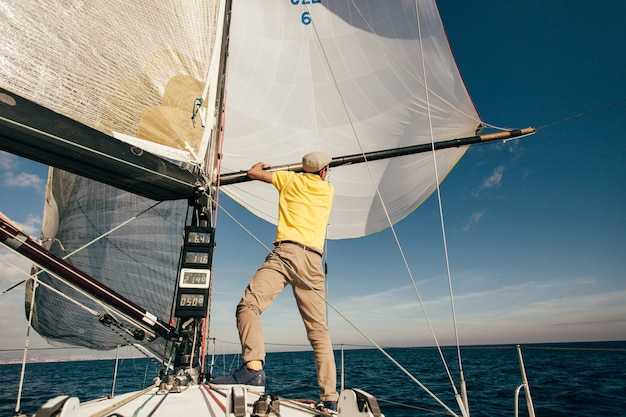
Begin in Piraeus, Greece: it provides the most reliable provisioning, with a number of supermarkets, fresh markets, fishmongers, and chandlers within reach, plus a sheltered entry that provides protection from westerlies. Use the spring window to depart toward the Cyclades and central Aegean.
-
Piraeus / Zea Marina, Greece
- Provisioning: a number of markets, greengrocers, and fish stalls along the quay; greek olives, feta, tomatoes, and herbs appear daily. The nearby Varvakios Market in Athens offers a broader range of seasonal produce and pantry staples; aboard you can stock fresh bread and dairy for quick meals.
- Safe passages: inner harbor protection and predictable seas make a calm start; choosing a late-morning to early-afternoon window yields a smooth sail toward Paros or Naxos.
- Anchorages: seek hidden coves around Aegina or Poros for a quiet night; beaches along the coast provide a easy beach walk after a swim, and the coastal scenery remains gorgeous as the sun sets.
-
Heraklion, Crete
- Provisioning: large supermarkets, fish markets, and bakeries are plentiful; a number of local shops offer organic greens and herbs; you can stock aboard with olive oil, lemons, and fresh bread for a coastal Greek feast.
- Safe passages: the central Aegean offers milder spring winds; seek sheltered bays for the crossing toward the Dodecanese or the southern Crete coast, using a clear weather window to avoid rough seas.
- Anchorages: Elounda Bay and the Spinalonga area provide calm waters and easy access to shore; ancient ruins along the coast invite a short beach stroll after a swim and a late afternoon coffee aboard.
-
Rhodes Town, Greece
- Provisioning: big supermarkets and lively markets supply fresh fruit, seafood, and greek cheeses; local vendors offer herbs and spices for onboard cooking; marinas provide water, fuel, and repair yards for longer legs.
- Safe passages: long, gently shelving coastlines give sheltered hops between the islands; choosing a late-afternoon departure helps you dodge the stronger gusts that can build later in the day.
- Anchorages: sheltered bays near Lindos and Kalathos allow a quiet night; hidden coves along the coast let you seek a beach escape for a sunset swim before supper.
-
Dubrovnik, Croatia
- Provisioning: Old Town markets offer fruit, seafood, and local wine; several marinas provide water, fuel, and repair services; a number of supermarkets are reachable by short taxi ride.
- Safe passages: the Dalmatian coast features protected coves between Elaphiti islands; plan your hops for the afternoon when winds calm and seas stay mild.
- Anchorages: Lokrum, Mljet, and other Elaphiti spots provide calm nights and easy access to beaches for a post-lunch swim; you can sail ashore to walk the ancient walls and enjoy seafood at sunset aboard.
-
Split, Chorvátsko
- Provisioning: green markets and fish stalls within the city; supermarkets and chandlers nearby ensure you stock up for longer legs; locals readily share tips on seasonal produce.
- Safe passages: central Dalmatian routes offer natural shelter between islands; plan afternoon hops to minimize exposure to surface winds and swells.
- Anchorages: near Hvar or Brac you’ll find hidden coves with clear water for a mid-afternoon swim; beaches close to anchorages offer easy shore time for a stroll before dinner aboard.
-
Marmaris / Bodrum, Turkey
- Provisioning: weekly markets supply fruit, vegetables, and seafood; in-port markets and grocers aboard provide herbs and oils; marinas offer water, fuel, and repair services for ongoing voyaging.
- Safe passages: sheltered bays along the turquoise coast reward choosing calm windows; depart in the afternoon when winds ease to complete a leg toward Datça or the Gulf of Fethiye without exposing the hull to heavy chop.
- Anchorages: secret coves along the Datça peninsula and along the Gulf of Hisaronu invite a quiet, restful night; beaches nearby make for a refreshing swim after a long sail aboard.
Iconic multi-leg itineraries for seasoned crews: West-to-East and island hops
Begin the West-to-East arc in late spring from Palma de Mallorca, planning 2–3 day hops that keep watch on weather windows and follow reliable forecasts across the Tyrrhenian and into the Adriatic, with a robust harbours network guiding each leg.
Leg 1: Palma de Mallorca → Alghero, Sardinia – 2–3 days at 6–7 knots. Shelter in Capo Caccia and Alghero’s old harbour, then stroll the historic lanes; savor italian markets and traditional tavernas, with exquisite sunsets over the walls.
Leg 2: Alghero → Bonifacio, Corsica – 1.5–2 days. Pass the dramatic strait, slide into the Bonifacio cliffs, overnight in the harbour, and take a late stroll to the citadel; seek secret coves by small boats when the wind drops.
Leg 3: Bonifacio → Ajaccio or Bastia, Corsica – 1 day. Ajaccio offers a central marina and markets, while Bastia gives a strong harbour and inland forests–choose depending on wind and crew preference.
Leg 4: Corsica → Elba (Portoferraio) → La Spezia – 1–2 days to Elba for a forested walk and a central-market lunch; continue to La Spezia to access Cinque Terre and the Ligurian harbours with smooth night berthing opportunities.
Leg 5: La Spezia → Genoa – 1 day. Glide along the Gulf of Poets, then anchor at the cradle of Ligurian tradition; ideal for provisioning and a central stroll along the old ports.
Leg 6: Genoa → Bari/Ancona → Corfu, Lefkada (Greece) – 2–3 days across the Adriatic into the Ionian; follow available routes which keep you against adverse winds and rely on a few sheltered harbours in case of a sudden shift; destinations in Greece offer ancient sites, greek forests, and hidden coves that reward careful planning.
Island hops: Cyclades & Dodecanese – 7–12 days with 2–3 day hops between Santorini, Mykonos, Milos, Folegandros, Sifnos, Naxos, Paros, and Ios. Watch for meltemi in late summer, which makes late starts prudent; at each stop you will find local markets, small harbours, traditional tavernas, and secret beaches reachable by a short stroll or dinghy run, creating a balanced rhythm for experienced crews.
Regulations, safety gear, and cruising permits for prime Mediterranean routes
Begin in spezia, a gateway on the Ligurian coast, to set the window for warm-season planning. Verify boat registration, insurance, and flag documents; confirm a current VHF license and keep both digital and paper copies. Assemble a safety kit with life jackets for every person, a throwable device, a marine first-aid kit, fire extinguishers, flares, an EPIRB, a DSC-capable VHF, a radar reflector, and a reliable whistle. This solid check reduces risk before you hit the coastlines.
Safety gear and systems: Equip the boat with harnesses for underway work, a liferaft if you plan longer legs, and a well-maintained bilge pump. For Mediterranean cruising, ensure the systems are operable within the whole length of your boat; check navigation lights, bilge pump, autopilot, and emergency beacons before every voyage. Plan watch schedules; assign 2-3 crew for 4-6 hour shifts to keep a steady watch, especially during warm summer nights.
Permits and entry restrictions: In prime routes, you may encounter anchoring restrictions in protected coastlines; some parks require permits or specific mooring permissions. Always consult the harbormaster or local coast guard at least 2-3 days before arrival; depending on the country, you may need to present your boat’s registration and insurance at entry. Carry proof of insurance and port dues, and keep contact details for the town you plan to visit to ease clearance. By planning ahead, you reduce risk; this is especially important when visiting beautiful towns around the coast.
Itineraries and planning: For routes from spezia to Corsica, then along the north coast, choose itineraries that mix sheltered bays and open-water legs; this mixture of inland and coastal sailing keeps things discovering new places. For families, plan fewer stops by selecting anchorages with available moorings; mornings offer calmer wind and clearer seas, a good window to set off; always keep a choice of routes, which coastlines you prefer, and whether to hug the coastline or venture farther offshore.
Practical sailing with yachts and day-trips: Balance speed and safety; for long voyages, check the weather forecast for likely conditions and avoid risk. Plan a route that minimizes exposure to strong squalls; use a reliable watch plan; keep a daily log of wind, current, and weather; ensure your crew, including family, handles tasks calmly and confidently. The whole experience should feel beautiful and enjoyable, with a pace that suits both seasoned sailors and first-time cruisers.