


 Slovenčina
  English (UK)
  Русский
  العربية
  日本語
日本語  한국어
한국어  Magyar
  Türkçe
  Español
  Čeština
  Svenska
  Português
  Ελληνικά
  Suomi
Suomi  Nederlands
  Română
  Italiano
  Français
  Polski
  Українська
  Deutsch
  简体中文
简体中文  Top 15 Fishing Safety Tips and Must-Have Gear for Safe Angling">

Place a correctly sized personal flotation device (PFD) before stepping onto the shore. This single precaution lowers risk when height changes or a slip occurs; preparation lets you stay in control, with calm posture.
Mirror checks before each movement help maintain balance; height variations near water raise danger. think height risk; lets you become a confident rescuer when someone slips in the splash. In fishing contexts, a quick PFD check stays in memory.
theres a 15-item kit you store in a weatherproof container quick access: PFD, jackets, whistle, rope, flashlight, spare batteries, first-aid kit, waterproof map, multitool, lighter, reflective blanket, snacks, water, spare glasses, marine lanyard.
Always dress with base layer, outer shell, jackets; under layers maintain warmth while moisture stays controlled. Prepared clothing helps preserve decision speed in sudden gusts.
prevention relies on preparation pretrip checks reduce risk: weather briefings, water level notes, ranger advisories. theres another rule: keep distance from edge; tell others your plan; away from crowded banks when wind rises.
recovery mindset matters when bodys slip under water, swift response helps; keep a signal device ready; a ranger nearby boosts chances of a successful assist; lets you convert trouble into a safe outcome.
Q: What safety gear is required on a fishing boat?
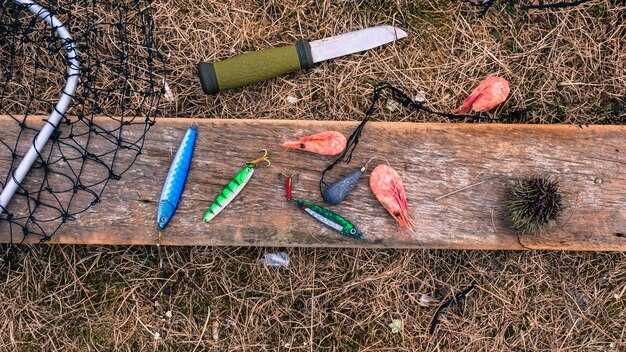
All aboard must have properly sized PFDs within reach; every mate wears one during voyage.
- PFDs: Personal flotation devices with snug fit; humans aboard every time must wear them; choose bright colors for visibility; names on straps aid quick identification; maintain by inspecting seams, buckles, inflation valves; tend to inspect every time; replace if damaged; keep needed extras aboard in a dry, cool place such as a cooler; without timely inspections, potential risk rises; attention to health matters improves.
- Throw line: heavy line kept coiled to prevent drops during rough seas; accessible aboard; practice tossing to a person in water at a mock distance; inspect for wear; knots near the end avoided; always secure after use.
- Fire protection: at least one extinguisher rated marine use; check gauge monthly; replace after discharge; in event of fuel smell or smoke, evacuate area, ventilate; cleaning kit nearby helps wipe spills quickly.
- Visual distress signals: two devices usable during daylight; two more for night use; expiry dates checked; region regulations vary; store near helm for quick access.
- Sound signaling: whistle or horn within reach; verify audible range; practice signaling in crowded harbors; damage checks; keep in a clean, dry compartment away from heat.
- First aid kit: well-stocked; include cleaning wipes, antiseptic, bandages, splints; keep medicines; update with seasonal items; point by point, maintain a simple cleaning routine near the kit; health concerns addressed; check times on expiry dates.
- Navigation lights: functioning during low visibility; test before trip; replace batteries; glare from sun can hide issues; clouds, mist add challenges; cold-water exposure increases risk; ensure backups.
- Emergency communications: VHF radio aboard; ensure power supply; know call signs; assign operator; keep waterproof bag; practice distress calls without panic.
- Safety lines: spare rope, heavy line near stern; provide heavy line when towing; maintain neat coils to prevent drops during rough seas; keep line dry; avoid tangles during waves.
- Kill switch: engine cut-off lanyard connected to skipper; test before departure; label position near helm; always secure when engine runs.
- Head protection: hats or helmets reduce glare; attention to head health during voyages; when you climb or move aboard, keep low; mild weather keeps risks lower; courses of action remain simple; prevention helps prevent injuries.
- Weather awareness: clouds change courses quickly; mild shifts demand quick decisions; track times for route adjustments; point your plan toward home; choose options based on potential risk; keep supplies ready to adapt without panic.
Personal Flotation Devices: selection, fit, and legal requirements
Choose a Coast Guard–approved PFD that fits snugly and matches body weight and chest size. Try it on with shirt you wear on trips, verify your head stays above water and your body remains buoyant in all positions. A snug fit reduces pain if you enter water and helps a rescuer stay connected during a rescue.
Fit and adjust: the torso should be snug but not restricting. Tighten shoulder straps, adjust side straps, and check that it doesn’t ride up when you raise both hands. Turn and bend to confirm degrees of freedom remain comfortable. If you wear layers, account for extra bulk while keeping unrestricted movement.
Legal requirements vary by coast, state, and body of water. In todays regulations, one PFD per person must be readily accessible on deck or in a cockpit; children often must wear while underway. When you anticipate weather changes, keep a spare extra PFD within reach; leave it near coolers where it dries quickly. Pay attention to everything that affects safe use, especially trips into open water. If you leave the boat, wear one and keep it accessible.
Maintenance and care: rinse after saltwater, inspect seams and foam compression every minute. Check for punctures or tears, and treat damage as unsafe; replace if seams separate. Store PFDs in a shaded area, away from heat sources, to protect health.
Planning and storage: store a lightweight PFD in your vehicle or pack on a hike that ends near the coast. Keep extra PFDs on board and place them where they remain accessible. Include a schedule of checks before trips, and review at home as well: quick visual of body fit, snug straps, and intact buckles.
Encounter scenarios: if someone falls overboard, shout to draw attention and act quickly. Keep contact with the victim, flotation kept up, and deploy a rescuer if available. In the minute that follows, reassess your own health and treat any exposure or chill promptly; staying calm helps everyone stay afloat. If panic occurs, repeat a calm shout to reestablish control.
Life jackets, throwables, and MOB gear: placement and drills
Place a comfortable PFD on each person before departure; keep a throwable device near the cockpit; position MOB equipment within sight of the helm.
Fit tests matter: each PFD must be snug with a loose shirt worn underneath; Adjust shoulder straps, waist belt, crotch strap; test mobility during casts on deck; ensure visibility of color.
Take action immediately when MOB sighting occurs; deploy throw bag; marker buoy aids finder locating MOB; signals transmitted; flash indicates distress.
Placement of MOB kit near the helm remains critical; include a line with a sturdy snap hook; a floating marker; a personal locator beacon; store in a high-visibility pouch.
Drills must be simple; two crew members practice line toss; one calls ‘MOB’ while others track the marker; repeat until action remains smooth; include rescue role assignments.
Organization matters: assign roles; skipper; deck crew; lookout; turn tasks to the next operator after completion; keep a visible checklist; implement necessary checks; test equipment monthly; replace expired signaling devices; ensure quick-access MOB kit.
Protecting crew remains priority; practical drills build calm response; panic stays low; take decisive action when MOB appears; signals transmitted via VHF or handheld radio keep the team aligned; a marker finder aids locating remains quickly; wide-brimmed hat protects against sun; keep clothing dry to avoid cold exposure; manage pests on deck to prevent distractions; smell of spoiled gear remains a risk.
Fire safety, signaling gear, and inspection routines
Begin with a pre-departure check: secure a rated ABC extinguisher within reach; store signaling equipment in an accessible pouch; complete an inspection form. Also verify lifebuoys; a slip-resistant ladder; a thermal blanket; a medical kit on deck.
Fueling operations require ignition sources removed; engine off; ventilation active; maintain at least 10 meters from fuel storage; never use power tools near fueling; weather doesnt improve; postpone.
Signaling equipment consists of flares, a signaling mirror, a whistle; reflective card; spare beacon charged; keep in a dry bag on a high shelf; check expiration dates before every voyage.
Inspection routines occur daily before launch; verify bilge pump operates; test VHF radio weekly; confirm navigation lights function; inspect hull integrity; examine fuel lines; log findings in the crew boat plans; crew going aboard receive briefing; ensure licensed captain signs off.
Deck precautions in variable conditions require groin protection when moving about; slip-resistant boots; secure all lines to prevent a slip; monitor wind shifts; morning checks reveal temperatures fluctuate; bees nearby require covered bags; trash secured; fueling plan finalized; group briefings assign tasks; learn from each drill; plans include ballast bags; casting positions; escape routes; energy conservation remains essential during diving operations near oceans; a finder app helps locate safe anchoring areas; become familiar with treatment steps for exposure or cuts; quick access to a card showing emergency contacts; suns protection remains valid throughout exposure; fall precautions rely on a sturdy ladder; fall risk areas marked; training sessions precede every trip; match training with practical drills before departure; casts stored securely.
Emergency comms and distress signaling: VHF, satellites, and plan
Always keep a charged VHF handheld with fresh batteries and a satellite messenger as a back‑up; these basics, plus more measures, ensure reliable communication on the water. Store within easy reach and test DSC readiness regularly to prevent delays during an incident.
VHF basics: hail on channel 16 in distress, then switch to a working channel to receive replies. Enable DSC on channel 70 to send a digital Mayday with the vessel name, call sign if present, position (lat/long or nearest landmark), number of persons onboard, nature of trouble, and required assistance. Speak clearly, calmly, and slowly to avoid panic; repeat information if conditions are noisy. Always maintain contact with nearby boats and shore stations; this helps prevent accidents and keeps everyone informed.
Satellite options: InReach, SPOT, or similar devices extend coverage beyond VHF range; activate SOS button if danger escalates; pre-load trusted contacts, including mates, family, and shore support. Ensure device is charged, with good reception, and set messages to include vessel name, position, and a concise request such as “help needed.” Test routine at least monthly, especially before crossings into open zones with limited cell service.
Operačný plán: vypracujte jednoduchý plán a zdieľajte ho so všetkými osobami na palube. Priraďte úlohy: jedna osoba monitoruje VHF, ďalšia zaznamenáva súradnice, tretia komunikuje s brehom. Prejdite si postup počas pokojného počasia, aby ste si vytvorili svalovú pamäť; inak konajte rýchlo a držte sa plánu, aby ste udržali všetkých v súlade a vyhli sa zmätku. Premyslite si prípadné núdzové situácie a starajte sa o detaily, ktoré zabezpečujú plynulý priebeh činností.
Počas otvorených prechodov si vezmite lano na zabezpečenie osoby alebo predmetu, keď je to potrebné; majte hádzané lano vždy po ruke. V chladnom počasí noste dlhým rukávom a návleky na nohy, aby ste znížili vystavovanie sa. Udržujte sa hydratovaní studenými nápojmi, aby ste predišli dehydratácii. Ak niekto pošmykne, použite lano na to, aby ste ho dostali späť na palubu. Jasná komunikácia so všetkými pomáha predchádzať panike a nehodám v drsných zónach.
Cvičenie sekvencie volaní: Mayday Mayday Mayday, názov a volací znak plavidla, pozícia a najbližší orientačný bod, povaha tiesne, počet osôb na palube, druh požadovanej pomoci a plánované stretnutie alebo prístav. Opakujte pre potvrdenie príjmu, potom prepnite na záložné zariadenie, ak pretrváva ticho. Zachovávajte pokoj, myslite jasne a majte ruky voľné na obsluhu zariadení počas odpovede. Aktualizácie polohy plavidla by mali zostať presné, aby podporili záchranu.
Otvorená voda - núdzový postup: Ak sa stane rádio nedostupné, prepnite na vizuálne signalizovanie v rozsahu takmer priamej viditeľnosti; nasadzujte signalizačné pomôcky, ako sú zábleskové granáty alebo zrkadlá, tam, kde je to povolené, a udržiavajte nepretržité sledovanie až do odvolania. Koordinujte sa s blíz koli blízkymi plavidlami, aby ste predišli nebezpečným prejazdom a zostaňte v rámci bežných bezpečnostných medzí. Vždy dodržiavajte plán, kým neprišla pomoc.
Počasie, dohľadnosť a plánovanie výletu: kontroly pred odchodom
Potvrďte najnovšiu predpoveď, hlásenú veternú situáciu a výhľad na videnie; koordinujte so zamestnancami v prístave, aby ste overili detaily výletu. Ak sa zdá, že podmienky sa s najväčšou pravdepodobnosťou zhoršia, upravte trasu alebo odložte odchod.
Zdravie a hygiena: riziko horúčok alebo ochorení stúpa pri zhromažďovaní vybavení; mali by si všímať príznaky pred odchodom, vyhnúť sa zdieľaniu slín a udržiavať čisté ruky. Zabezpečte, aby boli záchranné vesty prístupné a používajte nepremokavé nádoby na vybavenie; bolestivé namáhanie sa môže vyskytnúť pri pohybe cez drsné more, preto si dajte pauzu, ak sa niekto necíti dobre.
Vizuál a stav mora: zhodnoťte denné osvetlenie, oslnenie a výšku vĺn. Medzi výškou a horizontom získate úsudok o vzdialenosti, ktorý informuje o bezpečnom tempe. Nadviazte jasné signály s posádkou prostredníctvom komunikačných kanálov; precvičte si výkrik na privolanie pomoci, ak je to potrebné. Rybári takmer vždy profitujú z krátkej pauzy, ak sa more zvýši nad plánované limity.
Pripravenosť vybavenia a bezpečnosť potravín: každá položka vybavenia by mala byť vodotesná alebo uložená vo vodotesných vreciach; záchranné vesty musia byť vždy ľahko dostupné; chladničky slúžia na uchovávanie potravín a ľadu; uistite sa, že dokážete chytať veci bez vystavenia sa kontaminácii. Posádka musí udržiavať kontakt s rybármi prostredníctvom rádií alebo ručných signálov, aby sa predišlo nedorozumeniu.
| Skontrolujte položku | Čo overiť | Action | Poznámky |
|---|---|---|---|
| Počasie a viditeľnosť | Ohlasované podmienky, vietor, dážď, oslnenie | Porozprávať sa s oficiálnymi správami; potvrdiť so zamestnancami | Možné rýchle zmeny; majte plán B |
| Podmienky vody | Výška vĺn, prúdy, mŕtve zóny | Skontrolujte prítokové tabuľky; rozhodnite sa o trase | Upraviť rozostupy medzi loďami |
| Pripravenosť vybavenia | Záchranné vesty, PFD, signalizačné prostriedky | Skontrolujte vodotesné puzdro; otestujte rádio | Musí byť prístupné; precvičujte si signály sekvencie |
| Zdravie a hygiena | Horúčka, riziko ochorení, manipulácia so slinou | Posúďte zdravie posádky; vyhnite sa krížovému kontaktu; používajte dezinfekčné prostriedky. | Potraviny uložené v chladiacich boxoch; udržiavať chladiarenský reťazec |
| Komunikačný plán | Kanály, výzvy, kontaktné miesta | Dohodnite sa na signály; určte vedúceho | Môžu zvládnuť stretnutie rýchlo. |