


 Slovenčina
  English (UK)
  Русский
  العربية
  日本語
日本語  한국어
한국어  Magyar
  Türkçe
  Español
  Čeština
  Svenska
  Português
  Ελληνικά
  Suomi
Suomi  Nederlands
  Română
  Italiano
  Français
  Polski
  Українська
  Deutsch
  简体中文
简体中文  Tips to Become a Better Boater – Essential Boating Skills">

Begin with a quick, practical pre-trip checklist: verify fuel, test bilge pumps, secure loose gear, and put on life jackets. Practice a 10-second man-overboard drill while the boat is moving at idle so you can respond if someone goes overboard. This direct action helps you connect safety habits to real conditions and builds confidence for all your runs on the water.
Adopt a simple, repeatable set of tips for each voyage: keep velocity steady in chop, anticipate wind shifts, and choose a heading that avoids crowded channels. For powerboats, tune trim and ballast to the load and fuel. When reading charts, compare distances to landmarks and read radar returns to verify the route, especially when operating under reduced visibility. Always consider backup options before you depart.
Develop muscle memory for docking by practicing short slips in calm water, then move to longer sessions in variable wind. This builds the potrebujete for precise lines, fender placement, and rope handling. Keep an emergency gear bag ready. operating in rough conditions requires breathing calmly, which keeps your crew engaged and your decisions sharp. The habit of reviewing weather forecasts often will keep you out of trouble before it starts.
Becoming a more capable boater means systems you can trust. Build a routine that connect engine gauges, steering feel, and lookout practice into every trip. When trouble seems near, you can switch from routine to task-specific actions; that clarity saves time and keeps your crew safer, faster than you expect. By treating safety as a daily discipline rather than a checkbox, you turn the water into a reliable classroom where every movement matters.
Tips to Become a Better Boater: 9 Learn Advanced Maneuvering Techniques

Begin with a hands-on docking drill in calm water to connect your control inputs with the boat’s response. Wear a life jacket, practice securing lines early, and keep crew clear of the stem and propeller.
Master slow-speed maneuvering by coordinating rudder and throttle; keep inputs deliberate to pivot around a fixed point. This advice helps most berthing tasks and builds confidence for every boater.
Practice controlled turns in tight spaces using small, sequential rudder taps and throttle adjustments to avoid propeller wash.
Propeller safety and securing lines: keep hands clear of the running area, shut down when securing lines, and verify everyone stays back.
Wind and current: adjust heading into the wind or current by 5–15 degrees, then hold a steady course with smooth trim and weight distribution.
Backing and pivoting: in reverse, apply gentle throttle and steer with the rudder to minimize bow rise and avoid prop-wash surprises.
Rivers and coast planning: plot routes through central channels, note eddies, and select safe launch and recovery points along the coast.
Systems and checks: run a marine pre-departure checklist covering safety gear, VHF, and engine gauges; involving everyone keeps risk minimal.
Events and ongoing practice: enroll in hands-on clinics led by professional instructors, make practice enjoyable, and dedicate time to master these maneuvers. heres a practical approach: practice with a friend, repeat the same drill, and record results to track progress.
Focused on practical on-water skills for frequent use
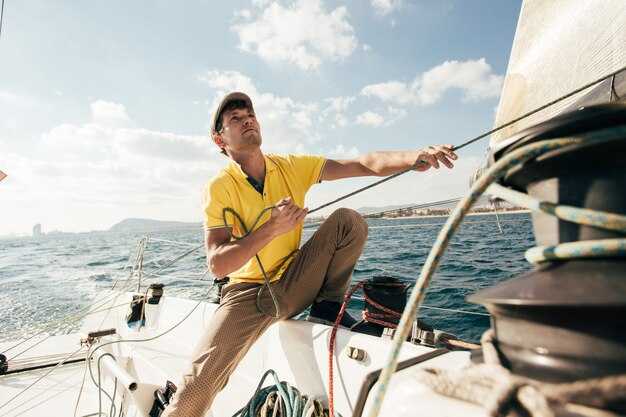
Practice controlled, low-speed boating and backward maneuvers in a sheltered florida cove to build muscle memory before tackling heavier traffic. They help you stay composed when conditions shift and keep your vessel stable as you learn to respond to minor changes in wind or current.
Document the basics with a dedicated page that outlines step-by-step drills. Master the basics of steering, trim, and throttle, then link each drill to specific vessels you operate. This approach covers core controls in a steady sequence while you explore different routes and handling scenarios.
Enrich practice with activities that mimic on-water tasks: docking in light wind, keeping a steady line of sight, and performing controlled stops. The program covers these skills and provides feedback you can apply during boating sessions with family or friends.
When emergencies arise, they rely on calm, practiced responses. Run through a checklist: keep to a stable speed, switch to appropriate routes, and use your controls to regain control. Practicing in calm water builds muscle memory you can apply in bigger seas or during crowded florida harbors.
Keep exploring new activities, but do so in a controlled sequence: try a backward approach, then a forward approach, then a stop, then a slow turn. This step-by-step cadence helps you master the timing of throttle, rudder, and trim. If you ride with other boats, discuss your plan and consider their perspectives to boost safety and enjoyment.
Boating cadence should include a routine you repeat on every trip: review routes, inspect gear, and keep the page of drills fresh in memory. By keeping these habits, you enjoy smoother outings and boost confidence every time you head out on florida waters.
Pre-trip safety checks and gear readiness
Do a full pre-trip safety check before you cast off today. Create a simple, repeatable checklist of procedures and assign one person to verify each item, so your boating crew stays focused as you depart and you enjoy a good, smooth ride.
Stock the safety components: PFDs for all riders, a throwable flotation device, a fire extinguisher, a first-aid kit, a horn or whistle, and a bright flashlight with spare batteries. Keep navigation devices powered and within reach, and verify the VHF radio or backup messaging is ready. Add a Columbia rain jacket or other weather gear for crew comfort, and ensure a dry bag keeps charts and a spare phone dry. This boost readiness and helps connect the crew to the plan.
Inspect the engine and hull: check fuel level, oil level, and coolant; ensure battery terminals are clean and tight; test the bilge pump and float switch. Look for hull damage and remove any lines or debris from the propeller shaft. Address loose hardware and inspect steering and throttle controls for smooth, controlled operation.
Plan the trip with tide and weather in mind. Check a reliable forecast, note wind and waves, and pick a safe, controlled speed. Review channel markers and marina procedures and choose a familiar route for your first legs. This approach reduces the chance of accidents and keeps everyone clear of hazards.
After checks, log the results and share them with your boating community. Keep a copy in the center and refer to it before every trip. This practice helps lead the crew, boosts confidence, and connects with fellow boaters in Florida and beyond–whether you’re on the west coast or a local bay.
Slow-speed maneuvering near docks and in tight spaces
Begin your approach at 2-3 knots, then ease to 1-2 knots as you reach the slip; keep the hull moving with a steady rudder and brief power adjustments to counter wind and current. Use shallow arcs, small steering inputs, and a plan for what to do if a gust shifts the boat toward pilings. This controlled tempo reduces the risk of contact and keeps you in control while maneuvering near docks.
Preparation is essential: theres a simple check you run before any close-quarters move. Ensure you have the right equipment: fenders positioned to protect the hull, spring lines and regular lines ready, chafing gear in place, and your engine, steering, and throttle controls tested. Determine your needs for the dock type, tide, and wind, and confirm that your crew understands duties. Ensuring fenders are positioned and lines managed reduces risk.
There are three common types of slow-speed maneuvers near docks: parallel docking along the edge of a pier and then turning to align with the slip; backing into a slip with a controlled reverse; and stern-first pivoting to rotate in place when space is tight. Practice each type at a calm harbor and use a deliberate sequence: look, plan, move, adjust, and maintain spacing from other boats and pilings. A deliberate approach lets you master the timing without rushing.
Wind and current management: assess wind direction relative to the dock and water depth. If wind is pushing toward pilings, use a short inbound path with a controlled arc and keep your moving momentum steady to avoid sudden turns. Tie a bow line and stern line to relieve pressure, and be ready to switch to backing a few feet to re-center. Knowledge of wind shifts helps you avoid contact and enjoy cruising with confidence. Observe and communicate with crew, and adjust pressure gradually rather than snapping the controls.
If you have doubts, rely on knowledge of the basics and seek tips from an experienced captain. Build dedication by repeating the same steps in different docks and conditions. Ask what details you need, check what types of docking you’ll face, and tailor your approach. Like any skill, slow-speed handling improves with deliberate practice and a plan you can repeat. With time you become a master of slow-speed handling and can adapt to most docks and conditions.
Leaving the dock safely starts with a plan and a clear line of sight. Before you depart, verify that fenders are stored or moved, lines are ready, and crew know where to stand. Maintain a moving but controlled motion while turning away, and keep watch for pedestrians, swimmers, or retrieving lines. If someone falls overboard, stop engine, throw a flotation device, and maintain visual contact until the person is rescued. After clearing the dock, recheck speed and steerage as you begin cruising away, gradually increasing distance from the slip while maintaining readiness to stop if needed. This routine protects crew and boat as you transition from dock to cruising.
Steering-throttle coordination for smooth turns and stops
Begin with a pre-launch check of controls and systems: verify current RPM range, ensure steering responds to light inputs, and inspect wear on linkages. This setup stays aligned with the boat’s standards and supports smooth maneuvers you’ll make today. If you need to adjust, this check helps reduce doubts about response. It doesnt rely on guesswork and uses measured inputs. This approach is designed to stay stable through turning and stopping.
Turning: approach the bend with awareness of nearby traffic and moving vessels, then execute a smooth helm-throttle sequence. Choose a small steering input first, then gradually add throttle to maintain the arc. For planing hulls, aim for 3–6 degrees of helm and a 5–15% throttle ramp through the first second of the turn. For displacement hulls, keep inputs gentler and extend the arc. If the boat starts to yaw, ease the throttle and adjust with the wheel; this keeps you in control through the current and wind.
Zastavovanie: plynule zmierňujte akcelerátor smerom k voľnobehu a držte ľahký volant, aby ste udržali loď rovno. Ak zastavujete blízko doku alebo v priečnom prúde, zvážte krátky cúvaním, aby ste zabezpečili vzdialenosť, potom neutrál, keď smerujete dopredu. Táto metóda znižuje náhlé zmeny a udržuje loď zladene s priečnou trajektóriou. Vždy sa uistite, že posádka má počas blízkych operácií nasadené záchranné vesty a je si vedomá prekážok prichádzajúcich z blízkych sektorov.
Prístup k doku a pripevnenie: Vopred sa rozhodnite pre plán a potvrďte predštartovné kontroly. Pri príchode k prístavnému miestu zvoľnite otáčky skôr, aplikujte menšie korekcie riadenia a pripravte si laná na pripevnenie. Informujte tím a zostaňte zameraní na súčasné podmienky, aby ste zvýšili bezpečnosť a kontrolu.
| Situácia | Riadiaci vstup | Throttle action | Poznámky |
|---|---|---|---|
| Low-speed turning | 3–8° | 0–15% | Udržiavajte stály oblúk a sledujte okolitú plavidlá. |
| Prichádzame k doku v prúde | 2–5° oproti smeru | -10% to idle | Buďte pripravení na reverz, ak bude potrebné. |
| Zastavenie vo voľnej vode | 0–5° | Plynule znížte na neutrál | Udržujte stabilné držanie, aby ste predišli vzpätým pohybom. |
Zvládanie v silnom vetre, prúde a drsnom počasí
Urobte to teraz: zaistite pevný bow line (predný lanový systém) s vhodným uzlom pomocou dôležitej techniky viazania a precvičujte si prispôsobovanie na doku, aby ste správne čítali a reagovali rýchlo, keď sa menia podmienky.
- Plánovanie pred odchodom
- Prečítajte si predpoveď počasia a skontrolujte predpisy pre vašu oblasť; potvrďte, že dodržiavate bezpečnostné pokyny klubu a trasu navrhnutú tak, aby sa minimalizovala expozícia nárazovým vetrom; identifikujte, čo môžete očakávať a únikový plán; skontrolujte laná, bokové dosky a záchranné vesty; tento plán zahŕňa kroky, ktoré vás pripravia.
- Wind-driven handling
- Udržiavajte stabilný kurz použitím premyslených ovládacích prvkov, prispôsobujte plyn a kormidlo, aby ste kompenzovali nárazy vetra; udržiavajte loď vyváženú, aby ste znížili vplyv veterného ťahu; ak musíte zatáčať, vykonajte hladký, pomalý oblúk a vyhýbajte sa náhlym kývaním; chráňte posádku pred voľným vybavením a upevňovacími lanami.
- Riadenie prúdu a vírenia
- Keď silno tečie Kolumbijský prúd, prečítajte si vodu vpred a vyberte si smer, ktorý vás udrží v hlbších plytkých vodách; znížte rýchlosť, aby ste udržali stálu konštantnosť a zabránili prehlbovaniu sa čela lode; použite motor na kompenzáciu odplavovania, potom upravte riadenie, aby ste udržali stály kurz; tento prístup zvyšuje kontrolu a bezpečnosť.
- Rough water techniques
- Prístupte k vlnám v miernom uhle (približne 45 stupňov) a udržiavajte váhu vycentrovanú; oprete sa o sedadlo a používajte držadlá; zaisťujte laná a vyhnite sa prehnaným reakciám na každú vlnu; upravte výškovú polohu a balast, aby ste minimalizovali kývanie; zostaňte sústredení na horizont, aby ste čítali ďalšiu vlnu.
- Rozvoj zručností a bezpečnostné opatrenia
- Pripojte sa k miestnemu klubu, aby ste získali štruktúrované cvičenia na vode; tieto ponuky vám pomáhajú precvičovať dokovanie, manipuláciu s lanami a manévrovanie v drsnom počasí; pravidelne precvičujte dôležité viazanie a manipuláciu s lanami, aby ste zlepšili svoju reakčnú dobu a sebavedomie; učenie posilňuje vaše konečné myslenie o bezpečnosti.
Záver: Tento finálny dôraz na čítanie vody, precvičovanie zameraných ovládacích prvkov a udržiavanie pozornosti voči strate výstroje zvýši slobodu tešiť sa z plavby, a to aj vtedy, keď vás výzvam vystaví vietor, prúd a drsná voda.
Postupy v prípade núdze, signalizácia a cvičenia pre komunikáciu posádky
Začnite každú plavbu 5-minútovým cvičením v prípade núdze, ktoré zahŕňa signalizáciu, zhromaždenie a úlohy posádky. Priraďte hlavného vedúceho signalizácie a prejdite sa cez to, čo musí každý človek robiť, ak sa niečo pokazí. Cvičenie zahŕňa rýchlu kontrolu záchranných súprav, hasiaceho prístroja a hádzaného vybavenia, než opustíte doky. Budete vedieť, kto volá a kto sa stará o vybavenie.
Signálne cvičenia využívajú zvukové a vizuálne signály. Precvičujte si signály na rohu pre človeka prepadajúceho cez palubu, núdzové situácie a návrat do prístavu, plus rakety uložené v bezpečnej skrinke blízko kormidla. Udržujte si signálnu súpravu, ktorá obsahuje roh, píšťalku, zrkadlo a rakety; testujte ich vo vodách s rôznymi veternými a prílivovými podmienkami.
Cvičenia komunikácie posádky prideľujú role: Kapitán, Hlavná časť, Zverák, Motor a Výhľad. Používajte jasné výzvy, opakujte správy a potvrďte rýchlym uznaním. Precvičujte si rozhodovanie o prednosti na pokojných jazerách a keď sa premávka zvyšuje blízko prístáv. Mladiství môžu robiť praktické cvičenia pod dohľadom; striedajte role, aby ste posilnili sebavedomie. Tento prístup zlepšuje komunikáciu posádky v stresových situáciách.
Pred každou cestou vykonajte praktickú kontrolu výstroja a systémov. Skontrolujte hladinu paliva, kryty trupu a postup vypnutia motora. Uistite sa, že navigačné svetlá a zvukové signalizačné zariadenia fungujú za svitania, za súmraku a pri obmedzenom výzore. Precvičujte manipuláciu s lanami, umiestňovanie bumperov a upevňovanie predmetov, aby ste zabránili pohybu voľného výstroja počas zmien rýchlosti alebo pri manévrovaní v blízkosti dokov.
Jednoduché cvičenia sú vhodné pre lode všetkých veľkostí. Pre tínedžerov a nových členov posádky si úlohy zjednodušte: pozoruhodný, rádiový operátor, manipulátor s lanami. Používajte stály tempo a jasný jazyk, potom menite role, aby ste posilnili sebadôveru. Podeľte sa o poznámky s vašim obecným zastupiteľstvom a zväzom jezier, aby ste zosúladiť postupy na lodiach a zlepšili bezpečnosť na vode.
Po každej relácii si prečítajte poznámky a aktualizujte inštruktáž pre posádku. Zaznamenajte, čo fungovalo, čo vyvolalo pochybnosti a čo potrebuje objasnenie. Pre pokročilé posádky pridajte simulovanú rádiovú preťaženosť a časovo obmedzené odpovede na testovanie zvládania tlaku a zároveň dodržiavajte ústredný bezpečnostný plán. Táto rutina vám pomáha byť pripravení, nikdy nemáte prebytok výbavy a ste pripravení rýchlo reagovať v skutočných vodách.