


 Slovenčina
  English (UK)
  Русский
  العربية
  日本語
日本語  한국어
한국어  Magyar
  Türkçe
  Español
  Čeština
  Svenska
  Português
  Ελληνικά
  Suomi
Suomi  Nederlands
  Română
  Italiano
  Français
  Polski
  Українська
  Deutsch
  简体中文
简体中文 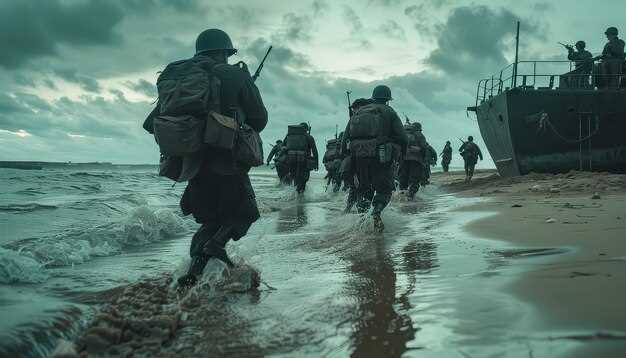 The Unsung Heroes – Seabees in World War II – Their Role and Impact">

The Seabees, officially known as the Naval Construction Battalions, played an essential role during World War II, yet their contributions often remain overshadowed by more visible military actions. As skilled engineers and builders, they were tasked with a vital mission: to create and repair necessary infrastructure under combat conditions. From the beaches of Iwo Jima to the docks of Tontouta, these units undertook projects that proved critical for the success of military operations. They were not just laborers; they were architects of war strategy, responsible for ensuring that every landing operation was supported by adequate facilities and logistics.
Organized to meet the demands of a rapidly evolving conflict, the Seabees found themselves engaged in diverse tasks that included bulldozing roads, constructing airfields, and establishing base camps. Each battalion, such as the renowned 31st Naval Construction Battalion, was comprised of dedicated officers and enlisted men who gained practical skills in welding and carpentry, allowing them to adapt to the unique challenges presented by the war. The level of ingenuity displayed by these ‘Can Do’ men was not limited to physical tasks; they also embraced advanced engineering solutions in the depths of the Pacific theater.
Moreover, their contributions extended beyond pure construction work. The Seabees had a profound impact on morale, providing essential services that addressed the needs of the naval forces. Their ability to create safe harbors amidst the chaos of battle marked a pivotal shift in how the United States conducted amphibious operations. In many instances, they were the unsung heroes who ensured that supplies reached the front lines and that operations could resume promptly after intense fighting. Their legacy is a testament to their resilience, resourcefulness, and commitment in the face of adversity, proving that while many names have faded into history, the impacts of the Seabees remain enduring. This article will explore their heroic actions, the challenges they faced, and the lasting effects of their service during this tumultuous time.
Construction Battalion Formation and Organization
The formation of the Construction Battalions, better known as Seabees, was a response to the urgent need for skilled labor during World War II. The U.S. Navy recognized the necessity of efficient construction and maintenance teams to support marine operations. Thus, the organization of these battalions began, with the first unit, the 1st Naval Construction Battalion, officially formed in 1942 in Camp Parks, California.
The Seabees were structured into several battalions, each tasked with distinct responsibilities. The primary units included the 51st and 53rd Construction Battalions, which focused on different geographical operational zones. Additionally, each battalion was composed of various detachments specialized in areas such as demolition, structural engineering, and stevedoring. This diversification ensured that they could tackle a wide range of tasks in hostile environments.
- Maintenance of essential infrastructure (roads, airstrips, and ports)
- Construction of temporary and permanent facilities
- Demolition of enemy structures
- Operational support for Marines and other military divisions
The Seabees operated in diverse environments, often under adverse weather conditions. Their projects included building hangars, staging areas, and warehouses, which were crucial for managing resources and sustaining military operations. In locations such as Honolulu and various Pacific atolls, the battalions had to adapt their strategies to the environmental challenges they faced.
As part of their training, the Seabees relied on a manual that offered details on construction techniques and safety practices. The emphasis on practical skills was paramount; therefore, training encompassed both theoretical knowledge and hands-on experience, ensuring that they could maintain high standards even when under pressure to meet deadlines. Their ability to adapt was crucial, as they often needed to revise plans and workflows to suit the evolving military objectives.
The history of the Seabees is marked by remarkable achievements. They not only completed numerous construction contracts but also aided in capturing strategic locations, thereby minimizing the impact of enemy fire during operations. Their insignia, which prominently displayed a bee and a construction tool, symbolized their dual commitment to construction and warfare efficiency.
In summary, the formation and organization of the Construction Battalions played an essential role in supporting American military efforts during World War II. Their capabilities extended beyond simple construction to encompass a wide array of activities related to war support, environmental adaptations, and engineering excellence. They represented a crucial link in the overall strategy, ensuring that the Allies maintained the operational advantage in various theaters of war.
How Seabees Became a Vital Force in WWII
The Seabees, the construction battalions of the United States Navy, emerged as a vital force during World War II, playing a pivotal role in the development of infrastructure across various battlefields. Deployed to strategic locations such as Sicilia and Majuro, they provided essential assistance to the Allies by constructing airfields, roads, and loading docks. Their ability to adapt quickly between tasks enabled them to respond effectively to the rapidly changing demands of warfare and to support larger military operations with speed and efficiency.
With a keen understanding of both manual and automatic technologies, the Seabees utilized materials and equipment that allowed them to execute complex projects under dangerous conditions. Facing enemy attacks, they were often tasked with repairing and fixing vital structures, ensuring that shipping routes remained functional. Dates of significant operations note the Seabees’ crucial contributions – for instance, the rapid construction of a refinery in Salinas after an enemy incursion demonstrated their ability to mobilize effectively when under fire. Their competencies in earthwork significantly mitigated damage to Allies’ establishments.
Their remarkable achievements earned them numerous commendations, reflecting the high regard in which they were held by military leaders. Notably, operations conducted under the command of Admiral Halsey necessitated high coordination and teamwork among the divisions. Each Seabee brought a unique skill set, ranging from engineering to logistics, which contributed to the effectiveness of larger military campaigns. This collaborative spirit was instrumental in ensuring that critical projects were completed without compromising safety.
Throughout the war, their reputation only grew as they proved they could handle the rigors of construction in hostile environments. The Seabees’ legacy includes significant projects across the broad spectrum of the Pacific theater, impacting places like Mumbai and Manipur. Their advancements in construction technologies allowed for the creation of bases that could withstand the harsh realities of warfare and serve as operational hubs for the Allied forces.
In reviewing their impact, it is evident that the Seabees became vital forces not just for their construction capabilities but for the morale they provided to their fellow soldiers. The intersection of engineering prowess and resilience under pressure enabled them to achieve outstanding results, often achieving objectives that seemed impossible at the start. Each success on the battlefield validated their contributions, cementing their place in history as unsung heroes of World War II.
The Structure of the Naval Construction Battalions
The Naval Construction Battalions, commonly known as the Seabees, were organized into distinct structures aimed at enhancing efficiency and effectiveness during World War II. Each battalion typically comprised four companies, each specializing in specific tasks such as heavy construction, carpentry, and earthwork. This organizational format allowed them to rapidly deploy and execute their missions at various strategic sites, notably in the Marianas and other critical locations across the Pacific theater.
Within these battalions, they featured well-defined roles: while some personnel focused on constructing 2-lane roads a bridges, others worked on complex military facilities, ensuring everything was ready for operations. The variety of expertise was essential, as they were tasked with making numerous industrial repairs and executing projects that were crucial to the war effort.
The Seabees were often deployed to locations that faced harsh environments, such as the Arctic or areas affected by the frequent weather changes of the Pacific. Their ability to adapt meant that they could quickly transform temporary structures into more permanent and usable complexes. These transformations were vital, especially in regions like Chennai, where logistical challenges were prevalent.
To streamline their operations, the battalions used a systematic approach resembling an assembly line. This methodology included the logging of every task completed, allowing commanders to maintain comprehensive reports and lists of accomplished projects, which was crucial for further planning and resource allocation.
Admiral Ben Moreell, who wrote extensively about the Seabees’ contributions, emphasized their pivotal role in ensuring that military objectives were met. These heroes of construction not only fought battles on the frontlines but also held significant power in determining the success of supply chains and troop movements, making their contributions invaluable to the overall military strategy.
Each battalion had a mix of volunteers, highly skilled carpenters, and laborers, which made it possible to tackle projects efficiently. Their work ethic, combined with a sense of pride in their missions, fostered a unique team spirit. This was particularly evident on Fridays when they often pushed to complete vital tasks before the weekend, showcasing their commitment to the war effort.
The Seabee battalions were also political entities; they occasionally navigated complex relationships with local councils and authorities, especially in foreign territories. This required a balance of respect and assertiveness to ensure contracts were honored and resources were allocated swiftly.
In summation, the structure of the Naval Construction Battalions was meticulously designed to meet the diverse challenges of wartime construction. Their capabilities enabled them not only to support the immediate needs of military operations but also to lay the groundwork for future developments, further solidifying their legacy as unsung heroes of World War II.
Training Programs and Skills Development
The Seabees’ training programs during World War II brought together a diverse array of skills critical for their operational success. Initially, recruits were selected based on their abilities and interests, then sent to specialized facilities to undergo rigorous training. These centers focused on various trades, including construction, logistics, and heavy equipment operation, ensuring that each member was not only proficient in their assigned tasks but also adaptable to the evolving demands of war operations.
To complete their education, Seabees participated in assembly and hands-on testing of various structures and vessels. This practical training was essential, as it allowed them to apply theoretical knowledge in real-world situations, such as during the famous campaign in Sicily. Many of them stood proud in the face of adversity, with skills that ranged from the operation of heavy machinery to the intricate tasks related to pilling and road construction, enabling them to support military efforts efficiently.
In March, many training programs underwent revisions based on battlefield experiences and the challenges faced by the troops. This adaptability ensured the Seabees remained effective in various operational theaters, allowing them to perform tasks ranging from building residential blocks for soldiers to securing vital supply routes. The logistics of warfare required them to be proficient in managing costs and resources, navigating the complexities of external operations while working towards a common goal.
Ultimately, the training and skills development of the Seabees ensured that they could not only build but also defend structures where necessary. Their capabilities in areas like flame cutting and heavy lifting turned them into critical support for military operations. Because of their dedication, many Seabees received commendations, illustrating how their expertise shaped the outcomes of numerous engagements throughout the war.