


 Slovenčina
  English (UK)
  Русский
  العربية
  日本語
日本語  한국어
한국어  Magyar
  Türkçe
  Español
  Čeština
  Svenska
  Português
  Ελληνικά
  Suomi
Suomi  Nederlands
  Română
  Italiano
  Français
  Polski
  Українська
  Deutsch
  简体中文
简体中文 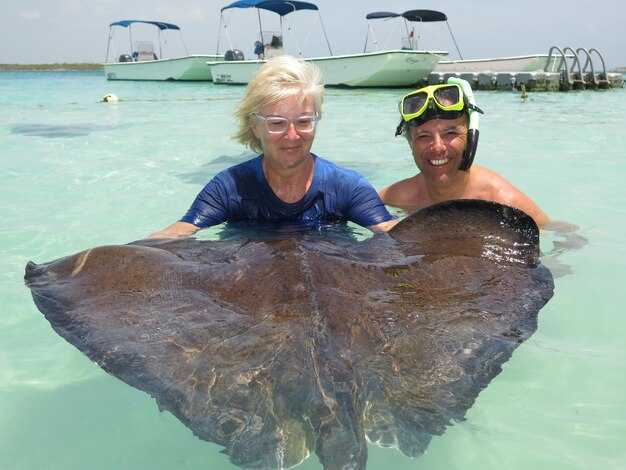 The Best Diving Charters in the United States">

Vydajte sa na exkurziu so sprievodcom so sídlom v miami port, ktorá poskytuje okamžitý prístup k dostupným, nádherným úsekom útesov a driftových zón pozdĺž kontinentálneho šelfu. Poskytnite praktický plán, zmerajte si svoje pohodlie a vyberte si trasy zahŕňajúce päť ostrovných segmentov siahajúcich od plytkých po hlbšie kanály.
Odtiaľto sa Florida Keys považujú za hlavné centrum útesových systémov a vrakových zážitkov, ponúkajúce krátke presuny z Miami na lokality v blízkosti Key Largo, Islamorady a Marquesas. Niektorí prevádzkovatelia prevádzkujú viaclokalitné itineráre, kde sa podmienky môžu rýchlo meniť, takže buďte pripravení driftovať cez chránené lagúny alebo otvorené steny pozdĺž dramatických zrázov. Čakajú na vás nádherné podmorské scenérie.
Naprieč kontinentálnymi pobrežiami ponúkajú Kalifornské Channel Islands riasové lesy a možnosti vrakov, zatiaľ čo Havaj poskytuje vulkanické rímsy a energický drift pozdĺž zlomov útesov. Niektoré cesty kladú dôraz na nočné plávanie a možnosti fotografovania, pričom východiskovými bodmi sú prístavy ako Santa Barbara alebo Hilo.
Phil a skúsená posádka vám poskytne aktuálne poznámky, merania hĺbky a predpovede počasia, ktoré vám pomôžu naplánovať bezpečné driftové jazdy. Hľadajte operátorov, ktorí ponúkajú možnosti malých skupín alebo sprievodcovské trasy s flexibilnými plánmi.
Medzi dostupné možnosti patria riadené plavby cez päť skupín ostrovov pozdĺž zakriveného kontinentálneho šelfu, ktoré ponúkajú vyváženú kombináciu plytkých útesov, vrakov a piesočnatých oblastí.
Naplánujte si rozvrh, rezervujte včas a vyberte si odlety z Miami, Key West alebo Los Angeles, aby ste maximalizovali šance na dobré podmienky a pokojné more.
Potápačské chartre v Key Weste: Praktický sprievodca rezerváciou
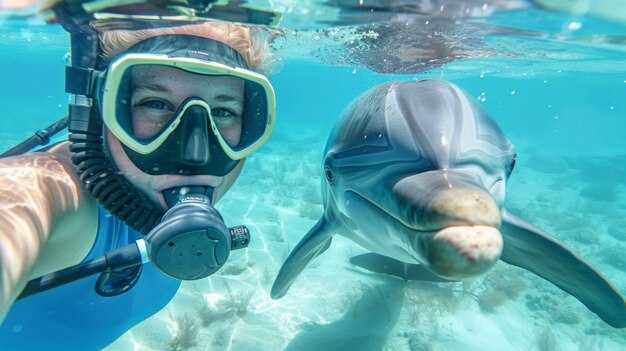
Zarezervujte si najjužnejšie, luxusné výlety motorovým člnom na potápačské zážitky s kapacitou maximálne päť hostí; rezervujte si ich aspoň päť týždňov vopred, najmä počas zimy.
Vyberte si operátorov so základňou v meste s prístupom k doku; potvrďte rozvrh a že vybavenie, bezpečnostná inštruktáž a občerstvenie sú zahrnuté. Opýtajte sa na veľkosť posádky a veľkosť lode; spomedzi možností majú tendenciu poskytovať lepšiu pozornosť a osobnejšiu atmosféru pre rodičov a mladších potápačov tie s menšími tímami.
Pri hodnotení zahrnutých lokalít hľadajte klasickú trasu, ktorá spája vraky, útesy a plytké pláne; niektoré itineráre zahŕňajú päť zastávok, ktoré ponúkajú vyvážený deň a bohaté zážitky; krátky výlet na breh pridáva vášmu dňu rozmanitosť.
Vnútrozemské kontrasty existujú: dunnellon je vnútrozemský pramenitý systém; zahrnutie tejto možnosti pomáha porovnať tempo a cenu. Pre pobrežné zážitky zostáva Key West najjužnejším a najbohatším na dedičstvo; preto sa história lovu morských húb a mestské obchody hemžia miestnymi remeslami.
Zostaňte na palube pri viacdenných možnostiach alebo si rezervujte ubytovanie v meste po plavbe; prístup k doku je dôležitý pre rýchly obrat, preto sa informujte o harmonogramoch prístavu a spoľahlivosti motora. Ak váš plán zahŕňa niekoľko dní, skontrolujte storno podmienky a nepredvídané udalosti počasia a hľadajte špeciálne ponuky, ktoré vyhovujú veľkosti vašej skupiny a potrebám vášho pobytu.
| Operator | Boat size | Inclusions | Dock access | Poznámky |
|---|---|---|---|---|
| Reef Quest Tours | 6–8 guests | výstroj, kapitán, občerstvenie | Prístavný dok | klasické plytké útesy, zimné okná |
| Blue Palm Excursions | 4–6 hostí | výstroj, bezpečnostná inštruktáž | Duvalov dok | najjužnejšie miesta, nasiaknuté dedičstvo |
| Sunset Reef Co. | 5–8 hostí | výstroj, povolenia, nápoje | Garrison Bight | päťzastávkový itinerár |
Čo porovnať: Zahrnuté služby, ceny a harmonogramy
Začnite so zahrnutím; vyberte si balíčky, ktoré poskytujú prenájom vybavenia, stravu, vodu, licencie, poistenie, bezpečnostné inštruktáže a inštruktáž so sprievodcom. Vyhľadajte plavidlá navrhnuté pre bezpečnosť a pohodlie; overte si licencie posádky a námorné povolenia. Čas strávený na palube, prestávky na hladine a návštevy ostrovov by mali vyhovovať úrovni vašej skupiny a preferovanému tempu. Preskúmajte destinácie obľúbené pre prieskum hladiny, pokojné zátoky.
Jasnosť cien je dôležitá: porovnajte ceny na osobu s paušálnymi poplatkami; uistite sa, že možnosti "all-in" zahŕňajú stravu, výstroj, palivo, poplatky za park alebo morskú rezerváciu a dane. Zistite, či existujú zľavy pre druhého pasažiera, rodinné balíky alebo ponuky pre partnerov. Hľadajte vopred stanovené ceny, podmienky vrátenia peňazí a transparentnosť cien v obchode.
Časové rozvrhy by sa mali zhodovať s časovým oknom: pol-denné výlety okolo 4–5 hodín, celodenné okolo 8–10 hodín alebo viacdenné expedície. Uprednostňujte operátorov, ktorí ponúkajú flexibilné časy odchodov, predvídateľné návraty a záložné plány pre prípad nepriaznivého počasia. Povrchové intervaly môžu zahŕňať návštevy ostrovov (islas) alebo pobrežných miest; berte na vedomie možné prechody cez záliv alebo krátke zastávky v palmami lemovaných zátokách.
Záleží na tom, kto je cieľová skupina: rodičia a rodiny uprednostňujú pokojný program, plytké útesy a jasné záznamy o bezpečnosti. Pre dobrodruhov vyberte špeciálne námorné trasy, ktoré ponúkajú čas na hladine pri ostrovoch, prechody cez záliv a skákanie po ostrovoch medzi palmami lemovanými zátokami. Populárne trasy sa môžu zhodovať s priemyselnými štandardmi; v hlavnej sezóne sa zvyknú rýchlo zaplniť. Mnohí partneri v destináciách ako Gasparilla, John Pass a Negril ponúkajú druhé možnosti alebo alternatívne trasy s rôznym časom na hladine a zážitkami z útesov. Lode Angel ponúkajú pokojnejšie programy pre začiatočníkov, zatiaľ čo výlety na druhý deň môžu poskytnúť hlbšie zážitky vo vode.
Najlepšie časové okná pre potápanie v Key Weste podľa sezóny
Apríl–máj a neskorý september–október prinášajú prvotriednu viditeľnosť a ustálené more, v priemere 70–100 stôp v modrozelená voda s teplotou 24–29 °C, vďaka čomu sú vraky a útesy dostupné pre návštevníkov aj prehliadky. Toto okno vyhovuje malým aj veľkým lodiam, pričom veľkosť prevádzky zriedka obmedzuje prístup; pre hladký začiatok si zarezervujte skoré ranné odchody.
Zima (december – február) prináša chladnejší vzduch a príjemné dni; severovýchodné vetry môžu rozvíriť more, no ranné ponory z motorových člnov umožňujú prístup k vrakom a modrozeleným zónam, keď sa prúdy zmiernia. Viditeľnosť sa zvyčajne pohybuje od 18 do 30 metrov počas pokojnejších rán, voda má 20–24 °C; hotely v Starom Meste poskytujú ľahký prístup, zatiaľ čo hráči v tomto odvetví ponúkajú cenovo dostupné balíčky pre rôzne rozpočty a široké možnosti úniku; nájdite si prehliadky s dostupným vybavením a priateľskou posádkou, ktoré umocnia zážitok.
Jar (Mar–Máj) ohrieva moria a stabilizuje pasáty, čím vytvára ideálne podmienky pre vraky a modrozelené expozície. Viditeľnosť často 21–33 m a teplota vody 22–27 °C; vraky priťahujú stály prúd návštevníkov a prehliadky prebiehajú vysokým tempom, obľúbené pre rodinné výlety aj profesionálne expedície; itineráre inšpirované Montegom a možnosti inšpirované Ginnie sa objavujú v niektorých kalendároch operátorov, čím pridávajú rozmanitosť pri zachovaní dedičstva a tradičnej atmosféry.
Jeseň (sep–nov) prináša po vrcholoch pokojnejšie podmienky; sezóna hurikánov ustupuje, s nasledujúcimi modro-zelenými úsekmi a zlepšenou viditeľnosťou; priemerný stav mora podporuje dlhé plavby k vrakom a útesom; obľúbené medzi miestnymi a návštevníkmi, vrátane párty lodí a pokojných sólo výletov, s hotelmi a penziónmi ponúkajúcimi flexibilné pobyty; motorové člny prevádzkujú hlbšie trasy pre nezabudnuteľný únik; priemysel nachádza nové prehliadky, počasie umožňuje široké možnosti.
Výbava a zahrnuté služby: Čo jednotlivé prenájmy poskytujú
Recommendation: zamknúť do v plnej výbave balík obsahujúci regulátor, octopus, BCD, fľašu, závažia, masku, šnorchel, plutvy, neoprén alebo suchý oblek a potápačský počítač; posádka pod vedením kapitána sa postará o nastavenie.
Bežné vybavenie na palube zvyčajne zahŕňa fľaše, regulátory, kompenzátory vztlaku (BCD), závažia, masky, plutvy, šnorchle a potápačské počítače; doplnky, ako napríklad vybavenie na signalizáciu na hladine a súprava núdzového kyslíka, sú u poskytovateľov typické. Niektorí klienti nie. Chcem prevážať výbavu, takže balenie na palube pokryje všetko.
Súkromné možnosti poskytujú výbavu špecifickú pre hostí a flexibilné rozvrhy; tímy s kompletnými službami zabezpečujú čistenie, oplachovanie a skladovanie medzi výletmi.
Panhandle trasy spájajú pobrežné dobrodružstvá s prechodmi na otvorené vody; míle pobrežia odhaľujú modré obzory a výhľady na oblohu nad otvorenými lagúnami; niektorí prevádzkovatelia zahŕňajú vyzdvihnutie na brehu a extra šnorchlovacie vybavenie.
Dostupné balíky sú prispôsobené rodinám, osobám s obmedzenou pohyblivosťou a začiatočníkom; priateľská posádka upravuje vybavenie pre pohodlie a bezpečnosť a veľké plavidlá alebo samostatné kajuty umožňujú ubytovanie súkromných skupín.
Priemysel poznámky odhaľujú rozdiely medzi pobrežnými oblasťami; grécko šnorchlovanie tradície a pohľady autorov formovali výber vybavenia a to, čo sa naučilo, zostáva praktické pre prebiehajúce cesty.
Pre pozorovania rýb a pobyty pri jazere existuje niekoľko možností, ktoré kladú dôraz na súkromné výlety po jazere, objavovanie otvorenej vody a itineráre v štýle chodníkov, ktoré spájajú slnko, výhľady na oblohu a tiché brehy na míľach vody.
Typy lodí, limity ponorov a tipy na rezerváciu
Vyberte si motorové jachty pre 6 – 12 potápačov, so stabilným nástupom a súkromnou kúpeľňou, aby ste skrátili čas po ponore. Vyberte si operátorov vedených supermajiteľom, ktorý plánuje výlety na útesy a vraky v blízkosti Pennekampu a Newportu s predvídateľnými odchodmi. Pre začiatočníkov vyberte lode, ktoré ponúkajú dodatočné bezpečnostné kontroly, jasné výhľady na oblohu na palube a jednoduchý vstup do vody z dokov.
Hĺbka pri potápaní so vzduchom zostáva v rámci maximálne 130 stôp pre rekreačné profily; výlety na útesy sa bežne obmedzujú na 100 stôp, pričom 60 – 70 stôp je preferovaných pre fotografické plány. Čas strávený na dne by mal zostať v rozmedzí 60 minút v hĺbke 40 – 60 stôp. Vyhnite sa faktorom, ktoré vyvolávajú vyčerpanie, ako napríklad dlhé plávanie na hladine z dlhých línií trupu.
Tipy na rezerváciu: pýtajte si jasné harmonogramy, zálohy a storno podmienky; reklamný materiál od každého prevádzkovateľa je hojný; spolupracujte so zástupcami pri prispôsobovaní možností. Váš plán by mal kombinovať stretnutia s útesmi, vrakmi a prehliadky, aby ste vyplnili dni. Pre každú cestu si overte možnosti dokovania, okná počasia a pripravenosť motora. Išiel som s posádkou, ktorá kládla dôraz na bezpečnostné inštruktáže, plány potápania a fotografie po ponore; sprievodcovia taso viedli prieskumy útesov v blízkosti pobrežia a pridali výhľady z oblohy z provných plošín. Divoká zver, ako napríklad volavka, sa objavovala blízko dokov, čím obohacovala zážitky z rybolovu pre hostí. Rezorty v okolí niekedy spájajú prenájmy lodí s ubytovaním, čím sa znižujú celkové náklady. Vaše možnosti zahŕňajú pennekamp, newport a ďalšie miesta, ktoré ponúkajú prístup počas celej sezóny.
Bezpečnostné protokoly a postupy šetrné ku koralovým útesom
Kontrolný zoznam pred ponorom a potvrdenie uviazania predchádzajú každej exkurzii; kapitán a posádka overujú vybavenie: vztlakové kompenzačné zariadenie nafúknuté, regulátory skontrolované, octopus prístupný, počítač synchronizovaný, povrchová značkovacia bója viditeľná, píšťalka počuteľná.
Povrchové protokoly uprednostňujú ochranu útesov: vyžaduje sa opaľovací krém bezpečný pre útesy alebo ochranné tričká; uprednostňujú sa biologicky odbúrateľné možnosti; vyhýbajte sa práškom; nedotýkajte sa rukami koralov; udržiavajte vzdialenosť 1,5 m od dna útesu; nikdy nestojte na dne; vyhýbajte sa kontaktu s hubami a inými prisadnutými organizmami; ak dôjde k náhodnému kontaktu, pomaly ustúpte.
- Integrita výstroja a prenajímaných predmetov: overte, či BCD, regulátory a masky správne sedia; skontrolujte, či nedochádza k úniku; požičaný výstroj je označený a dezinfikovaný pred použitím; vyhýbajte sa zdieľaniu náustkov; posádka poskytuje bezpečnostné inštruktáže pred spustením.
- Vztlak a plutvy: udržujte neutrálnu vztlakovosť v blízkosti konštrukcií; precíznosť ako pri golfe; vyhýbajte sa dotyku dna alebo útesu; pomalé, kontrolované pohyby; potápači budú mať prospech z nácviku vztlaku pred ponorom.
- Kotvenie a postupy pri používaní motora: preferované sú bóje; ak je potrebná kotva, držte sa aspoň 5 m od útesu; nikdy neťahajte kotvu; motor vypnutý počas priblížení; držte prúd vody z vrtule mimo útesu; povrchová posádka informuje potápačov o trase kotviacej šnúry.
- Etiketa pri sledovaní divokej prírody: pozorujte z diaľky; nekŕmte; neplašte; život prekvitá v najjužnejších útesových zónach; hľadajte vzorce v správaní; konajte s trpezlivosťou; skupinové zážitky ťažia z jemných prístupov; život v okolí často reaguje na tichú prítomnosť.
- Prevencia dopadov na útesové tvory: vyhýbajte sa stúpaniu na huby; nedotýkajte sa vetviacich sa koralov; ak zbadáte poškodenie, nahláste to posádke; udržiavajte odstup 1-1,2 m od koralových štruktúr; vyhýbajte sa víreniu sedimentu; oblaky sedimentu bránia fotosyntéze.
- Bezpečnosť vo vode a povrchové protokoly: monitorujte prúdy a viditeľnosť; v prípade zhoršenia povrchových podmienok ukončite činnosť; monitorujte páry potápačov; držte sa zábradlia na palube; používajte určené vstupné/výstupné body mimo dosahu lodných skrutiek; sledujte podmienky priezračnej vody.
- Starostlivosť o odpady a vzdelávanie: vrecká a balenie odpadu; žiadne plasty na jedno použitie; po výlete opláchnite výstroj sladkou vodou; všetok odpad vkladajte do označených nádob; tímy pod vedením Demetria vzdelávajú hostí o miestnych útesoch; množstvo príležitostí na diskusie o ochrane prírody.
- Reklama a manažment očakávaní: reklamné tvrdenia často sľubujú ‘špeciálne’ zážitky; spoliehajte sa na oficiálne bezpečnostné listy a inštruktáže na mieste; nikdy sa nespoliehajte len na lesklý marketing; itineráre založené na Montego Bay môžu prezentovať odlišné bezpečnostné štandardy; uistite sa, že požičané vybavenie spĺňa bezpečnostné hodnotenie.
- Miestne poznámky: Williston a najjužnejšie Florida Keys vyžadujú starostlivé riadenie lodnej dopravy; posádka, ktorá sa tam nachádza, poskytuje miestne poznatky; povrchové operácie zahŕňajú kontroly motora pred odchodom; dôraz zostáva na postupy chrániace útesy.
- Upozornenie ohľadom dodržiavania predpisov: Niektorí prevádzkovatelia nezaviedli plnohodnotné bezpečnostné nácviky; hostia by si mali pred rezerváciou overiť certifikácie a preškolenie posádky.