


 Slovenčina
  English (UK)
  Русский
  العربية
  日本語
日本語  한국어
한국어  Magyar
  Türkçe
  Español
  Čeština
  Svenska
  Português
  Ελληνικά
  Suomi
Suomi  Nederlands
  Română
  Italiano
  Français
  Polski
  Українська
  Deutsch
  简体中文
简体中文 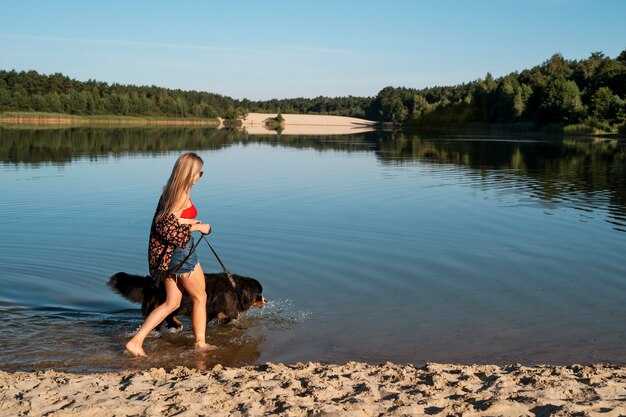 Safety Tips for Boating with Your Dog – A Practical Guide">

Begin with a properly fitted life vest on your dog before every launch, and keep a short, secure leash handy. This single action dramatically reduces risk if a wave hits or the boat lurches. For dogs of all sizes, the vest should fasten securely and have a handle for quick retrieval from the water; ensure breathing remains steady by avoiding bulky gear that blocks the chest.
Keep essentials on board: a collapsible water bowl, treats for positive reinforcement during practice, a canine first-aid kit, a leash, and information cards with your vet’s contact. Attach a small waterproof bag to the rail to prevent loss, and use color-coded gear to speed up retrieval.
Monitoring breathing and body language is crucial on every trip. If you notice heavy panting, drooling, or a pale tongue, shorten the ride and give water and shade. On warm days, aim for under 30 minutes on calm water until your dog stays relaxed; use a shaded rest stop mid-trip to reset.
Teaching your dog basic on-board commands on land creates a calm on-water routine. Practice being responsive to your cues with short sessions: sit, wait, and come when called, then reward with treats. A well-taught dog stays closer to your side and stays away from the bow when underway.
Track your dog’s position using a tether in the cockpit or on a safe deck zone to prevent down hazards and keep paws from slipping. Do not leave the dog unattended at any time, and keep the leash clipped to your belt or life vest so you can move quickly if needed. Plan a quick exit path in case of weather changes.
Launch on calm days and schedule short sessions at first: 20–30 minutes on quiet water, with pauses for water, shade, and paddling rest. Gradually extend the duration if your dog keeps a relaxed posture, a regular breathing rate, and shows willingness to stay with you. Keep fresh water on hand and avoid letting the dog drink seawater.
Information from boating safety guides show that most incidents involve dogs not secured or monitored during rough water or sudden maneuvers; use a simple pre-launch checklist that covers PPE, tethering, water, and breaks. A quick review at the dock keeps the experience predictable for everyone.
Táto stránka sprievodca helps you plan with confidence: print a brief checklist, save a vet contact, and share the plan with fellow boaters. By keeping your dog safe, you protect your crew and create more joyful voyages with being on the water together.
Incorporate Plenty of Breaks During Boat Trips
Schedule breaks every 60 to 90 minutes during boat trips and adjust to heat, shortening to 30-45 minutes on very warm days. Before departure, complete a pre-trip checklist: a shaded spot, a collapsible water bowl, a spare leash, and a plan for reboarding after each rest. This routine keeps your dog relaxed and makes it easier to read their signals.
Watch for cues of stress: rapid panting, glassy eyes, reluctance to move, or limping. If these appear, stop at the next break, move into shade, offer small sips of water, and gradually cool down. These actions help reduce overheating and distribute weight more evenly on joints. In rough seas, shorten breaks and stay near calmer sections of the boat. This is the point where breaks matter–especially in amazon heat or humidity, increase breaks and provide shaded rests.
During breaks, let your dog explore on the deck, sniff the air, and rest on a clean mat. Take a quick photo to monitor posture and comfort, and watch for any scratches on paws after docking. Use familiar cues–sit, staya come–to keep your dog relaxed and under control while the boat moves.
Keep the environment friendly: shade, fresh water, and ventilation reduce overheating risk. When traveling through different states with heat, plan extra breaks and monitor the dog closely. Know their weight and adjust activity to avoid fatigue. Use a proper life jacket for dogs and non-slip surfaces to support safety, while a quick, calm routine on each break helps your dog stay smart about the experience. When you see signs of discomfort, pause and reassess to prevent a stressful trip.
Select a USCG-approved dog life jacket with a snug, adjustable fit
Choose a USCG-approved dog life jacket that fits snugly around the chest behind the front legs and sits high on the neck. It should have two adjustable straps, a sturdy grab handle, and a reliable D-ring for a leash aboard. Confirm the weight and chest girth ranges on the label, and verify the approval is current (up-to-date).
Size ranges: XS chest 8–12 inches (20–30 cm); neck 8–10 inches (20–25 cm). S chest 12–16 inches (30–40 cm); M 16–20 inches (40–50 cm); L 20–24 inches (50–60 cm). For your small dog, pick chest girth at the lower end of the range and use the two adjustable straps to tailor the fit. If between sizes, choose the smaller and tighten with straps; ensure there is room to move but no slack that lets the jacket slide off.
Fit on dry land before water time: put on, fasten all straps, and lift by the grab handle to simulate a fall. The jacket should stay in place on board and not ride up, while the neck opening stays comfortable. Check that your dog can drink and breathe easily, and snap a quick photo of the fit to compare with the size chart and verify coverage.
On the water: mindful operation matters. Keep your dog within view, avoid crowds, and use the jacket during longer trips on a national lake or when docked. A jacket that stays put during splashes reduces accidents and keeps your dog calmer. Store a spare right-size jacket in your gear bag; inspect seams, buckles, and foam after every outing to ensure right protection and reintegrate as needed.
Maintenance and storage: rinse after exposure to salt, chemicals, or sunscreen; air-dry away from sun; collapse a collapsible jacket and store it in a dry bag aboard when docked. Inspect seams, buckles, and foam after each outing and replace worn parts as needed. Keep extra jackets on long trips and practice fitting on land so youre ready for water time with your small dog.
Attach a secure harness and use fixed tether points on deck
Secure a strong harness on each four-legged boat-dog and attach it to fixed tether points on deck. Choose a padded, adjustable harness that fits snugly without restricting movement; verify two-finger clearance at the chest and ensure quick-release buckles. Connect to a designated anchor using marine-grade carabiners; never rely on a loose line. Keep a bowl of water on deck and within reach as part of your gear, so hydration is ready and the dog stays calm. If the dog gets excited, use a calm, clear voice and steady motions to reassure them.
Install fixed tether points at designated locations along the coaming or near the cockpit. Use non-slip mats under hardware to prevent shifting as the boat heels. Each tether should be four to six feet long to allow the dog to sit, lie, or stand without hitting hatches or lines; use a single line to reduce entanglement and shorten quickly if needed. For planning, mark positions ahead of time and train your dog to stay in that zone. A seasoned captain says to keep the boat-dog mindful and close to you; keep a phone within reach for emergencies.
During trips, teaching the dog to stay near the tether and respond to cues helps keep everyone safe. Watch the eyes and body for signs of stress; if the dog gets tense or wagging stops, shorten the tether and reposition calmly. Keep sessions short, rewarding calm behavior, and gradually extend time as the dog gains confidence. Tips from experienced crews emphasize consistency and staying aware of footing and movement to prevent trips or slips.
| Step | Action | Gear/Notes |
|---|---|---|
| 1 | Fit a strong, padded harness on each dog and attach to a fixed deck point | Harness: padded; two-finger fit; fixed point: designated cleat/pad eye; connector: marine-grade carabiner; bowl nearby |
| 2 | Set tether length and position | Length: four to six feet; keep path clear of hatches; use non-slip deck mat |
| 3 | Train and reinforce cues for staying near the tether | Commands: sit, stay; eyes on handler; teaching sessions with praise |
| 4 | Monitor comfort and adjust as needed | Watch for wagging or restlessness; shorten tether if needed; keep phone ready for quick calls |
| 5 | Maintenance and safety checks | Inspect harness and tether weekly; replace worn gear; verify fixed points after rough trips |
Set up a shaded, well-ventilated onboard area with cooling options
Cover a shaded onboard corner with a breathable canopy to block sun and reduce heat gain; ensure the space stays cool, keeping your dog comfortable from the moment you cast off.
Install a compact, battery-powered fan to keep air moving, and position it so a safe breeze reaches the dog without blowing directly on paws; bring a small backup battery and secure cords to prevent reach or entanglement.
Set up the cooling station: a shallow bowl of fresh water, a damp towel or cooling mat, and optional ice packs; this reduces the risk of overheating and provides rapid relief.
Keep required gear close: jackets or light cooling jackets for warm days, a leash, and identification tags on a snug collar; supervise the puppy or adult dog during every transition.
Limit risks: use a short leash when moving around, keep the dog from leaning toward rail edges, and prevent overboard moments; check paws for scratches after exposure to sun and deck heat.
This guide helps you pace smartly and adjust shade, airflow, and hydration based on your dog’s experience, size, and jacket tolerance.
Schedule regular breaks for water, potty, and dog rest every 30–60 minutes
Set a timer and schedule breaks for water, potty, and rest every 30–60 minutes, plan ahead for heat and shade, and keep the routine normal to reduce stress for your four-legged companion.
During each stop, offer fresh water in a portable bowl and let them take a small, steady sip: roughly 60–120 ml for small dogs, 120–250 ml for medium dogs, or 250–500 ml for large dogs depending on size and heat exposure. Then give them a potty break in a safe, dry area; if possible choose a shaded spot. Keep the leash loose so they can move naturally and reach a comfortable position. Map the route ahead and note where the next water point lies to stay on track. These are specific ranges by weight to guide you.
In hot weather, watch for fatigue or overheating signs such as heavy panting, drooling, or stumbling. If what you see point to overheating, test their temperature by feeling the inner ear or paw, move into shade, and use a damp towel or cooling jacket. Reduce activity and allow them to rest on a calm, comfortable surface; consider a breathable jacket or cooling wrap if exposure to sun is high. Keep them calmER, relaxed, and protected from fear or sudden bursts of energy.
Before departure, carry a lightweight jacket or cooling wrap, a properly fitted harness (not a tight collar), and a small identification tag with your state and contact number. Have a portable water bottle for refills and a dry towel for quick wipes. Use positive reinforcement to reward steady breaks and smooth transitions; if theyre comfortable with the routine, theyre more likely to stay calm.
For furry coats or thick fur, schedule breaks with extra water and shade, and avoid direct sun during peak heat. If the dog seems uneasy or fearful, slow the pace, speak in a soft voice, and let them rest longer in the shade. The right plan keeps heat exposure low and makes the ride feel protected and enjoyable for a happy, relaxed buddy.
Stock portable water bowls and wipe-clean towels for quick refreshment
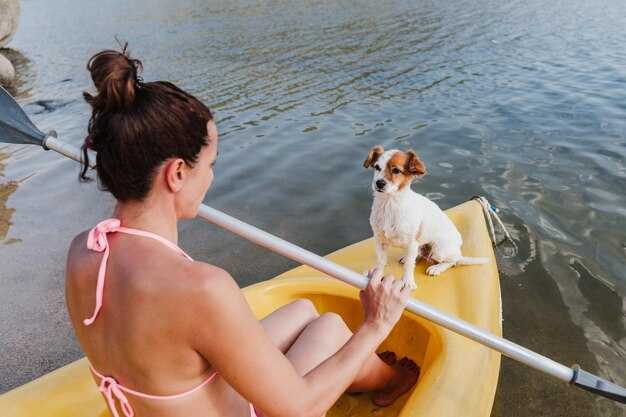
Keep two compact, nonspill portable water bowls and a stack of wipe-clean towels in an accessible pocket or locker. This simple setup reduces dehydration risk during sun, spray, and after a swim, and helps everyone on board build memories by enabling quick refreshment for your dog during long days on the water.
When selecting bowls, choose commercial-grade options with a nonslip base and secure lids to prevent spills in rough water. Collapsible silicone bowls save space; stainless steel bowls are durable and easy to sanitize. Aim for 350–450 ml per bowl and carry one spare in a dry bag for unexpected guests. Place bowls on a nonslip mat or deck grip to keep them steady and to protect ears and head from sudden jolts.
Pair bowls with quick-dry towels: microfiber towels sized around 30×50 cm work well for portability. Keep three towels in rotation: one for drying, one for wiping the ears after swimming, and one as a spare. Wipe away salt, sunscreen, and sweat to reduce itching and anxiety, and speed getting your dog back on deck.
Usage notes: introduce the refresh routine during rest breaks or after docking to reduce reactions from heat and thirst. Dry the coat thoroughly, especially around ears, to prevent moisture buildup. Offer water every 20–30 minutes during warm conditions, and time the refresh to a shaded area to avoid dangerous exposure on rails or in direct sun. This approach reduces stress and makes trips smoother for everyone.
Checklist and considerations:
- Two portable water bowls (collapsible silicone or stainless) with nonslip bases
- Three wipe-clean towels (microfiber) for drying, ears, and spare
- Nonslip mat or deck grip under bowls
- Small bottle of fresh water for refills
- Dog leash, life jacket, and a basic first-aid kit
- Biodegradable waste bags and cleaning wipes for the deck
- Regulations and license notes: check local rules; keep copies on board
- источник safety guidelines from authorities and keep them handy
- Vaccination records if required by your jurisdiction
- Consider the boat’s layout and choose bowls and towels that fit in your space
- Time for a quick check before departure to introduce this routine and reduce anxiety