


 Slovenčina
  English (UK)
  Русский
  العربية
  日本語
日本語  한국어
한국어  Magyar
  Türkçe
  Español
  Čeština
  Svenska
  Português
  Ελληνικά
  Suomi
Suomi  Nederlands
  Română
  Italiano
  Français
  Polski
  Українська
  Deutsch
  简体中文
简体中文 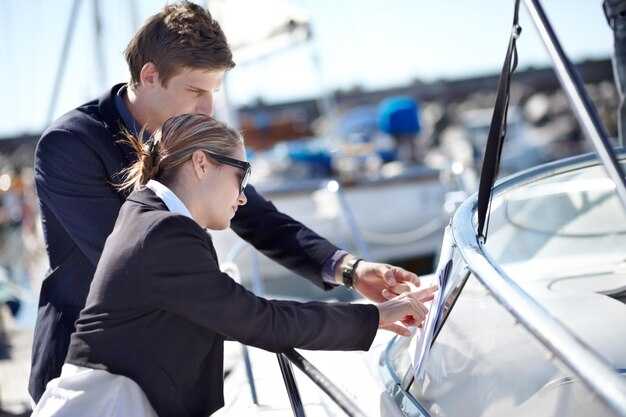 Renting a Boat Alone vs Hiring a Skipper – Which Option Is Best for Your Trip">

Hire a skipper for beginners and for a week-long coastal cruise. With a skipper, you gain guidance on weather, tides, and anchor choices, and you can focus on the views across the seas. In coastal waters near šolta and other islands, a captain knows where to drop the ladder for easy boarding, where to anchor, and which coves are safe at night. A skipper’s presence reduces the risk of losing control when winds rise, helping you keep your itinerary on track while it will show you the best spots.
Renting a boat solo remains possible, but it demands full readiness. You’ll handle navigation, rope work, and safety checks, verify local certificate requirements, and monitor forecasts to avoid losing time. Forecasts are covered by reliable services, but you should still keep a constant eye on changing conditions. If you go solo, plan to split tasks with a trusted crew, or designate a partner to handle winches and the tender when you dock. For a week on a yacht, the solo route can eat into sightseeing unless you already have experience with navigation and weather routing.
Costs and planning: skipper rates commonly range from €120-€250 per day in popular cruising areas, plus fuel and meals. Boat rental without a skipper can be higher for a full charter, but you’ll split the cost with other travelers if you have a crew. Expect additional charges for port fees, a tender, and insurance. When planning, you should compare quotes from several operators. Gather details on safety gear, insurance coverage, and any certificate requirements. For a sheltered week in the Adriatic near šolta, the difference in time and safety is substantial, and you’ll avoid losing precious sightseeing minutes.
If you want freedom with less risk, try a mixed option: hire a skipper for the first day to show the ropes, then decide whether to continue with the skipper or go solo on subsequent legs. This approach works well on a week plan and helps you keep the schedule aligned with weather. Ask for a certificate of competence for the crew, confirm a reliable location and the availability of a tender for shore stops, and verify that safety gear is in good condition. Show up to your best spots without rushing.
In short, for most beginners and coastal trips, hire a skipper. It avoids long learning curves, prevents misreads of forecasts, and keeps the final plan on track. If you choose to sail solo, schedule a full briefing, practice with a ladder and a tender in calm water, collect several quotes, and sail with adequate insurance. Keep the plan flexible, verify local rules at your location, and choose the option that protects your time and safety.
Solo Boat Rental vs Skipper: Practical Guide for Šibenik and Kornati
Hire a skipper for most trips in Šibenik and Kornati to ensure safety, save time, and enjoy navigation and plans for the day without stress.
Solo boat rental can work when you have the qualifications, a quiet holiday pace, and a clear initial plan to handle everything yourself.
Below is a practical guide with concrete steps, cost expectations, and route ideas to help you decide.
- Decision framework for choosing solo vs skipper
- Beginners or small groups with a relaxing holiday want the convenience of a skipper
- Experienced sailors with a valid license can consider solo rental to maximize scheduling flexibility
- Consider Kornati routes that require steady navigation and careful timing
- Solo rental essentials: verify, prepare, and board
- Operator credibility and covered insurance; check what is included in pricing
- Qualifications and license requirements; ensure you can legally skipper the chosen boat
- Cabin, navigation gear, safety equipment, and life jackets; confirm what the boat provides
- Pricing structure, deposits, fuel policy, and what “everything” covers
- Initial briefing on safety procedures and maritime rules
- Skipper option: benefits and what to expect
- Convenience: the skipper handles routes, weather checks, and mooring choices
- Quiet time on board and ashore, with your plans driving the day
- Local knowledge of Kornati moorings and port options improves boarding and docking
- Crewed service is possible on some boats, adding help on deck when needed
- Pricing snapshot and budgeting tips
- Solo boat rental pricing varies with boat size, season, and inclusions; typical day rates range from modest to premium in peak season
- Skipper services add a daily rate or an hourly fee; compare operator packages to avoid surprises
- Factor fuel, marina fees, and tender costs into your planning
- Practical steps to getting started
- Check licenses, confirmations of coverage, and the operator’s service model
- Get a clear initial plan for your route including morning departures, planned moorings, and boarding times
- Agree on payment terms, cancellation policy, and what happens if weather changes
- Itinerary ideas for Šibenik and Kornati
- Base in Šibenik to explore nearby channels and close Kornati bays on day trips
- Split your time between sheltered coves and open-water cruising to balance comfort and scenery
- Coordinate with your skipper or operator on anchorage options and docking spots
- What to bring and boarding essentials
- Copies of licenses and insurance, mobile charger, waterproof bags
- Personal safety gear, sun protection, medications, water supplies
- Food, snacks, and a plan for cabin meals if your boat has a cabin
Documents and licenses required for solo boat rental in Šibenik
Bring valid licenses that authorize solo operation and confirm with your charter operator that they cover the boat you plan to run. In Šibenik, the desk at the quays will ask for proof of competence, a photo ID, and insurance before you will set off on a morning run; a relaxed check keeps you in a calm rhythm for the day.
What you typically need includes: licenses (or an international certificate recognized in Croatia), a government-issued ID, and evidence of insurance coverage for the vessel. If the certificate isn’t in English, carry a translation or ask the operator to verify equivalence. For larger boats, a specific certificate level may be required; for smaller craft, a common license often suffices. Some operators also require a VHF license if you plan to use the onboard radio. If the boat has limited size, the requirement may depend on the class; bring originals and keep copies handy so you can confirm details at check-in. If you are exploring solo sailing ideas, talk to the operator to align expectations.
Documentation process runs at the rental desk or on the quay; bring originals and keep copies handy so you can confirm details at check-in. The operator will verify that your paperwork matches the boat category and its navigation needs. If your credentials do not cover solo handling, you can switch to a charter with a skipper or pick a boat with limited complexity. The sailors at the desk appreciate a straightforward set of documents; this helps those starting their trip and keeps trust with the crew you sail with.
Insurance specifics: verify what the standard policy covers–collision, theft, and third‑party damage–and note any deductible. If the policy is basic, consider adding coverage for anchor damage and for equipment loss. Those steps prevent surprises and support reconciliation if a problem arises during the trip.
On the day of departure, plan your navigation and berth strategy: know your quiet harbor spots, confirm the exact quay or berthing location in the city, and bring a copy of the documents for quick inspection. For sailors embarking solo, this approach keeps the morning running smoothly and allows you to focus on the voyage rather than paperwork. Those steps help you keep a steady rhythm and trust with your crew and other water users around those spots.
What a skipper covers and when to hire one

Hire a skipper for your trip when youre new to coastal routes or want maximum freedom to enjoy the coast while the skipper handles the boat. A skipper holds a certificate and brings experienced handling of standard seas, wind shifts, routes, and night navigation, so you can relax and soak in the scenery.
On a sailing day, a skipper covers planning, safety, and execution. They map routes that match wind, currents, and spots you want to visit, avoiding crowded or risky channels. They coach you on anchoring, mooring, and marina procedures, handle communications with harbors, and manage gear checks for safety and comfort. If the seas turn choppy, they adjust course and speed to keep you dry and secure. They also manage extras like provisioning, tender use, or arranging local guides.
Book early if youre planning a stop in Korčula or other hotspots; a skipper who knows local routes can choose best spots and avoid peak crowds. If youre short on planning time or want to split tasks with your crew, a skipper covers most of the day, leaving you free for night sails or sightseeing.
Verify their certificate and confirm their experience with yachts of your size. Ask for notes on routes they sailed in the area, and whether they can show details of past executions. Clarify the primary focus for your trip–coastal scenery, snorkeling, or long hops–and align with their expertise. Ensure they can handle nights at sea or close-quarters berthing and can adjust for your pace.
Expect a daily rate and potential extras; most skippers offer a standard package that covers safety and coaching. Extras may include fuel, harbor fees, or tender use. If you want more autonomy, you can hire a skipper for shorter legs with planning that prioritizes daytime sailing and sheltered nights, giving you more time for exploration of korčula and nearby bays.
Cost breakdown: rental price, fuel, marina fees, and tipping norms
Start planning with a clear ceiling: define your rental budget, then add fuel, docking at marinas, and tips. Check what’s included in the base rate and what costs accrue at sea to avoid surprises. Bring a simple checklist and keep it handy during planning to compare offers quickly.
Rental price varies by boat size and season. In the šibenik area, smaller vessels around 7–9 m typically rent for 170–260 EUR per day, while 12–14 m boats range 320–480 EUR per day. Multi-day planning often yields a 10–20% discount. If you want navigation support, look for an operator that provides a skipper, which increases the rental but adds local knowledge and safety. The benefits of choosing a boat with a skipper can be substantial, even with higher rates.
Fuel costs depend on engine type and cruising hours. Expect consumption of 6–12 L per hour for typical petrol engines and 8–15 L per hour for diesel. For a 6-hour daily cruising plan, estimate 40–90 EUR for fuel at 1.20–1.80 EUR per liter, assuming you don’t run systems at full throttle. If you plan to navigate with a planned route, you can significantly reduce fuel use by avoiding back-and-forth moves. Does the policy cover fuel top-ups, or is it charged separately? If not, plan to check and bring extra cash.
Marina fees and docking: many bases levy nightly docking fees based on vessel length and season. In coastal bases, you may pay 20–40 EUR per night for smaller boats; 50–100 EUR for mid-size cruisers. If you dock at a premier pier near town centers or in high season, expect higher rates. Some packages include multiple nights with marina access, which can significantly cut overall costs while enhancing your planning flexibility. Check if your rental includes parking or crane access for equipment, and whether you need a local card for the pier.
Tipping norms: when you hire a skipper or operator, a tip of 5–15% of the rental is common, distributed among captain and crew if applicable. For smaller boats with no crew, tipping is not required but a small gratuity for safety briefings or galley or chef service is appreciated. In many places, a €5–€20 per day per crew member is typical in peak season. Always check local custom and your overall dining or chef service; if you want to show appreciation, offer it at the end of the trip rather than mid-cruise.
Choosing the right option comes in levels: rental-only, rental with self-navigation, or full planning with a skipper. If you want straightforward navigation and less complexity, go with the operator who offers a navigation package and well-defined docking plans. That choice significantly reduces the work you must do onboard, keeps things simple, and fits your desired pacing. Keep your knowledge up by reading each base’s rules, checking pier access, and mapping fueling spots. If your plan includes a chef or special provisioning, coordinate those services in advance so you can bring your own groceries or arrange local delivery.
Safety, regulations, and park rules in Kornati
Secure official Kornati moorings before sunset and carry the park waiver at all times. This provides a solid baseline for safety and compliance during your week on the water, and it helps you avoid fines or delays when you arrive.
The Kornati National Park comprises 89 islands, islets, and reefs, with well‑marked channels to help you navigate. Before you set sail, browse the official map and the answers section to understand the scope of protected areas and the locations where anchoring is restricted.
Kotvenie je v mnohých zónach obmedzené. Využívajte bóje všade, kde sú k dispozícii, a dodržiavajte bezpečnú vzdialenosť od ostatných lodí, aby ste znížili riziko kolízií. Ak musíte kotviť, vyberajte si jasne označené miesta a vyhýbajte sa morským trávnikom a koralovým biotopom. Skontrolujte mapy, kde sú oblasti s najvyšším rizikom, a podľa toho prispôsobte svoje plány. Kotvenie v blízkosti útesov alebo v úzkych kanáloch zvyšuje vaše riziko, preto sa, ak je to možné, radšej spoľahnite na bóje ako na voľné kotvenie.
Poplatky, predpisy a výnimky si vyžadujú pozornosť. Vstup do parku je spojený so systémom potvrdeniek na daný deň a poplatky za kotvenie sa platia na určených miestach alebo prostredníctvom strojov na palube. Majte pri sebe vyplnenú výnimku a pripravte si ju na kontrolu od strážcov parku. Ak si prenajímate, vopred si overte, kto bude tieto platby vybavovať a akú dokumentáciu budete musieť predložiť. Tieto kroky znižujú trenie a udržia váš týždeň dobre zorganizovaný.
Vaše poistenie a bezpečnostné vybavenie musia pokrývať vašu skupinu a loď. Overte si, či vaše poistenie zahŕňa zodpovednosť za škody spôsobené vodným plavidlom a krytie cestujúcich pre Chorvátsko. Pripravte si kompletnú bezpečnostnú výbavu: záchranné vesty pre všetkých na palube, námorné VHF rádio na kanáli 16, hlasnú píšťalku, hádzacie zariadenie a lekárničku. Skúsený člen posádky by mal pred odchodom skontrolovať bezpečnostné vybavenie lode, aby sa uistil, že všetko funguje a zodpovedá vašim plánom.
Sezónne rytmy ovplyvňujú prístup. August priťahuje mnoho návštevníkov, preto si včas naplánujte kotvenie a vopred si overte dostupnosť u chartrových spoločností v meste alebo u miestnych prevádzkovateľov. Ak cestujete s inštruktorom alebo si prenajímate kapitána, získate vyššie zručnosti pre stiesnené zátoky a zložité prúdy a znížite pravdepodobnosť, že uviaznete v preplnených oblastiach alebo budete riešiť neplánované podcenenia harmonogramu.
Či už plávate sami alebo so skipperom, pripravte si kompletné preštudovanie miestnych pravidiel a týždenný plán. Prejdite si oficiálne zdroje, kde nájdete odpovede na to, čo môžete a nemôžete robiť, a ponechajte si tieto plány flexibilné. Tieto prípravy vám pomôžu zostať v bezpečí, dodržiavať predpisy a s istotou sa pohybovať vo vodách Kornati.
Nezabudnite si: prečítajte si aktuálne pravidlá na oficiálnych stránkach parku, noste so sebou prehlásenie o zrieknutí sa práv, uschovávajte si doklady o zaplatení kotvenia a majte aktuálne poistenie. Ak si nie ste istí niektorým pravidlom, pred vyplávaním sa obráťte na miestneho odborníka alebo skúseného kapitána.
| Topic | What to do | Poznámky |
|---|---|---|
| Kotvenie vs. vyväzovacie bóje | Používajte vyhradené kotviská; vyhýbajte sa kotveniu v obmedzených zónach; v prípade potreby kotvite len na povolených miestach s opatrnosťou. | Denne grafy denne; morské trávniky sú chránené oblasti |
| Poplatky a potvrdenia | Uhraďte vstupné do parku a poplatky za kotvenie; zbierajte a uchovávajte si pokladničné doklady | Doklady potvrdzujú súlad; noste ich na palube |
| Prehlásenie o zrieknutí sa práv a dokumentácia | Vyplňte a noste so sebou prehlásenie o zodpovednosti za park; predložte ho na požiadanie | Udržiavajte aktualizované kópie na nahliadnutie |
| Safety equipment | Záchranné vesty pre všetkých na palube; VHF rádio; lekárnička; hádzacie zariadenie | Skontrolujte výstroj pred odchodom; prispôsobte podľa veľkosti skupiny |
| Poistenie | Overte si krytie trupu a občianskej zodpovednosti pre Chorvátsko; potvrďte zahrnuté položky. | Ak si najímate kapitána, vyžiadajte si doklad o poistení. |
| Sezónne plánovanie | Rezervujte si kotviská v auguste; plánujte s ohľadom na najväčší nápor davov. | Mestské charty môžu pomôcť zabezpečiť miesta |
Novinky a aktualizácie pochádzajú od tých, ktorí prezerajú oficiálne zdroje parku. Ak chcete odpovede na konkrétne otázky, kontaktujte miestny úrad parku alebo skúseného prevádzkovateľa so sídlom v Biograde na Moru alebo Murteri. Veci sa so sezónami menia, preto si to skontrolujte pred augustovým týždňom a prispôsobte svoje plány.
Plánovanie trasy: výber trás, kotvísk a denné plány
Začnite s pevnou, chránenou trasou a pevným plánom ranného kotvenia zo svojej základne v prístave. Naplánujte si 4–5 hodinové presuny medzi blízkymi destináciami: fantastické mesto alebo tichá zátoka, potom kratší, flexibilný úsek, aby ste sa dostali do nového prístavu pred obedom.
Prehľad praktických trás, zaznamenajte dojazd paliva, výhľad počasia a hĺbku vody. Preferujte rozsiahle otvorené vody, ak je predpoveď stabilná, a označte dve nasledujúce destinácie ako zálohy. V augustových horúčavách pridajte čas na odpočinok a extra prestávky, pričom úseky budú kratšie ako šesť hodín pre pohodlie.
Vyberte kotvy, ktoré držia v chránených zátokách blízko prístavu, aby sa hostia cítili blízko brehu a zároveň bezpečne. Pridajte jednu možnosť navyše pre prípad zmeny vetra a majte pripravený rýchly záložný plán na kotvenie blízko brehu.
Denný rozvrh: stanoviť si konzistentný ranný štart, kontrolu paliva v polovici dopoludnia a obed za pochodu. Nechať si čas na prieskum pobrežia s hosťami a nechať si poradiť od kapitána, ak plán zahŕňa prenajatú loď; pomáha mať bezpečnostné inštruktáže na palube a prideľovanie služieb.
Kapitán vs prenájom: ak si najmú kapitána, dohodnite sa na návrhu denného tempa a nechajte ho riadiť tempo. Ak sa rozhodnete pre prenájom, priraďte služby a úlohy na palube, aby bola zaistená vysoká bezpečnosť a pohodová atmosféra.
Destinácie a zmierenie: načrtnite body chorvátskeho pobrežia, ktoré plánujete navštíviť, poznačte si maríny a základné vybavenie a buďte otvorení zmenám. Dajte si slobodu vymeniť trasy, ak sa vám zdá prístav lepší, a udržiavajte kontroly paliva, vody a motora v súlade s plne naplánovaným časom príchodu.
Rada, ako sa vyhnúť únave: plánujte si rána na plachtenie, keď je dobré svetlo, a popoludnia si rezervujte na návštevu mesta alebo tichú morskú zátoku. Tento prístup poskytuje hosťom fantastickú rovnováhu, či už využívate prenájom alebo služby kapitána. Vyžaduje si to však disciplínu.