


 Slovenčina
  English (UK)
  Русский
  العربية
  日本語
日本語  한국어
한국어  Magyar
  Türkçe
  Español
  Čeština
  Svenska
  Português
  Ελληνικά
  Suomi
Suomi  Nederlands
  Română
  Italiano
  Français
  Polski
  Українська
  Deutsch
  简体中文
简体中文  Proper Reefing Procedures – A Step-by-Step Guide to Safe Sail Handling">

Begin with securing the craft and preparing the working cloth. Secure the boat to a stable stance, crew to leeward, and clear the deck of loose gear. Check the halyard path: lowering the cloth area should travel smoothly through the ring on the halyard, through a block, and over the sheaves. Use the winch to take the initial load; watch for blue tags indicating line strength. Ensure all hardvér is intact, and that lines are secured to cleats before moving to the next step.
With the load established, proceed to a controlled sequence: apply gradual tension on the halyard via the winch, aiming to have the cloth area lowered evenly. This action reduces flutter and shaking of the fabric, while the increased tension on the line helps keep the luff smooth. Monitor the weight on the line; when the weight rises you should back off slightly to avoid overloading the halyard. If the line shows signs of strain or the hardvér shows wear, stop and inspect. Prolong the life of the system by keeping a clean path and avoiding sharp bends. This sequence works on most boats.
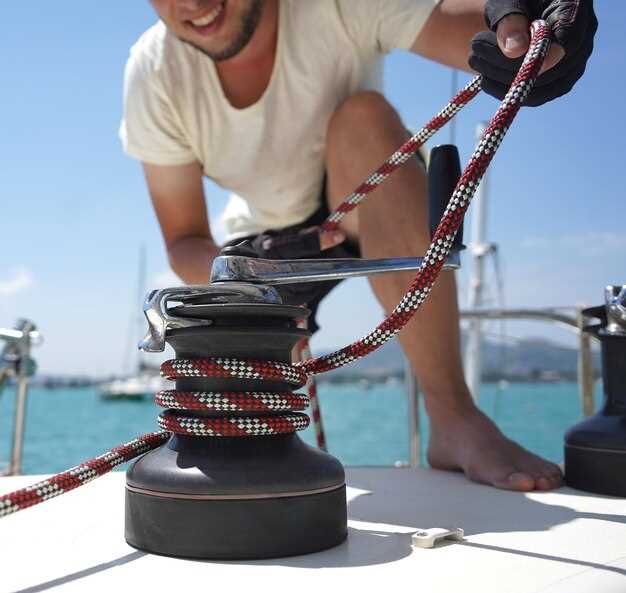
Guide the line through the ring and into the block, then toward the cleat. Keep hardvér rated for the loads, and distribute weight evenly to prevent back strain on crew. Use multiple wraps on the winch to keep the line under control; verify the system remains secured. Use much care, as misalignment can cause flutter and increase fatigue on lines. This helps maintain a steady cloth surface and reduces risk during gusts.
Consult the sailmakers for recommended reduction ratios based on rig, fabric, and conditions. In typical boats, start with a cloth area reduction of 25–30%, then test in light gusts; for heavier conditions use up to 40% if the hardware holds and line angles stay clean. Always measure the impact on balance, helm, and center of effort; this increased lift can shift the back of the boat, so adjust the backstay or weight accordingly. Review the line travel path to avoid friction points; a dirty path increases breaks risk and prolongs operations. Keep the halyard in blue color-coding to quickly confirm the correct line is being used. Notes from sailmakers and thoughtful weight distribution help you maintain a great attitude and reduce shake.
Pre-reefing readiness: safety checks, crew roles, and gear
Inspect all lines and hardware before any move: onto the deck, verify the area is clear, and ensure the vang, shackle, and ring are pinned correctly to prevent unexpected movement. Confirm full tension on the primary control lines and check for rough wear on sheaves that could bind under load.
- Safety checks
- Clearance around winches, cleats, and candidate haul points; secure loose gear and stow any items that could snag during the procedure.
- Inspect hardware: check shackles and pins for corrosion or looseness, verify the ring on the vang is intact, and confirm the shackle is snug before any load goes through the line.
- Line condition: look for frays, glazing, or stiff spots; replace or hand-pick line segments that show signs of wear to reduce the risk of failure under pressure.
- Winch readiness: ensure the winch brake works, handles are secure, and the area around the drum is free of obstructions; test a light rotation to avoid binding when the full load comes on.
- Communication and watch protocol: establish a clear call-and-response system, nominate a lead on deck, and define who calls the turn or stop if something goes wrong.
- Role posádky
- Helm: maintains course and tempo, calls turns and speed changes to keep the operation on track.
- Line handlers: two dedicated crew on the windward and leeward sides, assigned to cleats and blocks; they manage hauls smoothly to prevent jerks and reduce snag risk.
- Winch operator: coordinates line take-up and release, monitors tension, and communicates any surge to the helm.
- Auxiliary watcher: watches for signs of overload, entanglement, or gear misalignment; ready to stop or re-sequence if needed.
- Selection approach: hand-pick the most capable crew member for critical roles, ensuring the most experienced hands handle high-load tasks.
- Gear readiness
- Lines and leads: verify that the mainsheets, control lines, and halyards are rigged onto the proper sheaves and winches; confirm routing avoids sharp bends and reduces friction.
- Rigs and fittings: confirm vang alignment onto the correct winch, validate the ring and shackle pins are secure, and ensure the cleats are free of paint or debris that could inhibit secure mooring.
- Hold and haul points: check that the leeward area has ample space for a controlled haul; ensure all turns around blocks are correct and that the redirections are clean to prevent snagging.
- Tension control: plan how pressure will rise as load increases; prepare for a faster take-up on the initial haul and a controlled, slower movement as the sail becomes taut.
- Coordination tools: use video or quick reference signals to verify technique and timing; this helps crews on deck stay synchronized and increases overall efficiency.
- Securement and lines: tie or cleat lines neatly when not active; avoid loose tails that can create trip hazards or snag during a maneuver.
- Documentation and readiness checks: run a quick visual check and note any anomalies; a short video review later can reveal missed steps and help prolong reliability.
Deck and rig inspection for reefing readiness
Begin with a light, methodical pass over the deck and along the rig. Mark any edge wear, fraying, or white marks on sheets and halyards. Ensure the place where lines pass through channels is clear and dry; wipe away salt and foam that could hide damage. Identify dangerous spots such as loose strops or misplaced cleats that could snag during a reef maneuver.
Inspect the tack and standing rigging: check stays and shrouds for corrosion or kinked strands. Confirm the vang and cant fittings align with the mast; test the second layer of line through fairleads. Run fingers along the lines to feel for rough spots; various lines may show wear at winch drums or blocks. If you see wear, tag it for service or replacement before any reef operation.
Halyard and running rigging: pull each line through its sheaves with modest tension; ensure strops sit snugly and without twist. Check the end fittings for security and the splice condition. In slab-reefing setups, confirm the follow-through of the sheets and the option of taking in reef with even tension; verify the above deck blocks move freely. If lines show stiffness or binding, replace or lubricate as required.
Deck hardware and control points: test cleats by applying deliberate tension; ensure they bite and release cleanly. Inspect fairleads, blocks, shackles; remove dirt or corrosion. Check the secondary stops and stoppers; ensure the running rigging doesn’t shake under load. Document issues for clients’ boats or your own project.
On vessels used by bohemia crews, verify locker access and channel alignment; misplacement here can cause a dangerous snag during an operation.
Bezpečnostné a testovacie postupy: Vykonajte kontrolovaný test spúšťania na hale, aby ste overili, či je možné dosiahnuť úsekové body, pričom loď zostáva nad vlnami. Vykonajte test s penou pod palubou, aby ste potvrdili, že niet žiadnych mäkkých miest. Ak prepážky alebo dosky vykazujú pohyb, riešte predtým, ako budete pokračovať; neprechádzajte k žiadnemu plnému alebo ťažkému úsekovému systému, kým sa problémy nevyriešia.
| Area | Vizuálna kontrola | Operačný test | Akceptačné kritériúč |
|---|---|---|---|
| Decková doska a linky | Bez jemných miest; bez roztrieštenín; viditeľné biele značky; kanáliky čisté | Línie prechádzajú voľne cez koľajnice a cez vedúce kladky pri nízkom napätí. | Žiadna korózia, žiadne uvoľnené hardvéry; vedenia sa pohybujú bez zachytávania. |
| Postojné záťažové laná | Zostáva a obaly bez korózie; žiadne skrútené pramienky. | Napätie vydrží pod jemnou záťažou; vang a kant sa zarovnajú s stožiarom | Všetky spoje bezpečné; žiadny pohyb pri miernej záťaži. |
| Bežecké laná a bloky | Remienky neporušené; žiadne skrabané alebo roztreté vlákna. | Plachty a halyardy prechádzajú blokmi hladko; žiadne zaseknutie | Hromady sa ľahko otáčajú; žiadne ostré hrany nevytvárajú teplo ani opotrebenie. |
| Cleats and hardware | Klincne a uvoľňujú sa čistým spôsobom, žiadna vôľa. | Aplikované držanie záťaže; rýchle uvoľnenie funguje | Hardvér je na mieste; žiadna korózia; pravidelne servisovaný |
| Slab-reefing specifics | Vyrovnávacie koľajnice a príslušenstvo zarovnané; plachty čisté | Hrebenečný bod prijíma rovnomerne; žiadne skreslenie pod napätím | Systém pripravený na reefing s rovnomerným napätím a bez viazania |
| Bezpečnostný výstroj | Využívajte body, čiary a prístroje, ktoré sú prítomné. | Testované núdzové uvoľňovacie a záložné linky | Všetky bezpečnostné systémy funkčné a prístupné |
Výber reefových bodov a určovanie znižovania plachty
Recommendation: Začnite s prvým reefom, keď je zdanlivý vietor 18–22 kt v strednom mori; nasadzujte druhý reef pri 28–34 kt, alebo skôr, ak pravidelne presahujú 25 kt a jachta vykazuje zvýšenú odklonnosť alebo tendenciu obracat sa do vetra. Skontrolujte biele značky na cringloch, aby ste overili zarovnanie, a použite predlženie, ak je k dispozícii, aby ste udržali napätie lana čisté; pevne priviažte uzlom a udržujte lano úhľadné. To znižuje vystavenú plochu textilu približne o 15–25% s prvým reefom a asi o 25–40% s druhým, v závislosti od strihu látky. Zvýšená kontrola znamená hladšiu manipuláciu a stabilnejší kormilo za ťažkých podmienok.
Koncept a rozhodovacie kritériá: zhodnotiť, či zostať pri prvom útese alebo prejsť na druhý na základe trendu vetra, stavu mora a pripravenosti posádky. Námorník zváži, či nárazy budú tlačiť jachtu do oblúka alebo spôsobia nadmerný odklon. Či vietor narastá v nárazoch, malá redukcia teraz udrží stabilný výkon, namiesto čakania na dramatický pokles neskôr. Mnoho kapitánov preferuje udržiavať plynulé tempo postupným zavádzaním zmien; tí, ktorí útes zmenia skôr, získajú lepšiu rovnováhu riadenia a znižujú odklon. Ak vietor tlačí jachtu nad 25 kt a plátna vykazuje nadmerné skrútenie, prejdite na druhý útes. Potom skontrolujte nastavenie s prípadnou kontrolou tak, aby ste sa vyhli zbytočnému skrúteniu a udržali plochú hlavu plachty.
Implementačné poznámkyKrok 1 – určite referenčný bod na základe prognózy a histórie nárazov; Krok 2 – počas manévru povoľte plachty, potom potiahnite príťahadlo k zvolenej očka; zastavte skrútenie zarovnaním luffu. Krok 3 – priviazajte referenčnú šnúru k očka a zaistite ju uzlovým zarážkom; Krok 4 – ak je to potrebné, spustite referenčnú šnúru a ukotvite ju pomocou dodatočných slučiek; Krok 5 – upravte plachtovú šnúru, aby ste udržali hladký oblúk a overte, či nedochádza k nadmernému skrúteniu. Tieto kroky pomáhajú udržať obťažnosť pod kontrolou a znížiť riziko zlomenia alebo zaseknutia. V praxi získavate spoľahlivosť a pokojnejšiu platformu pri používaní predlžovača na jemné doladenie napätia.
Priraďovanie úloh, signálov a kritérií go/no-go
Odporúčanie: priraďte jasné úlohy a potvrďte kritériá áno/nie pred akýmkoľvek zmenšením plátna, aby ste zachovali účel a koordináciu po nárazoch.
- Rôles a povinnosti
- Kormidelník naďalej zodpovedá za riadenie; druhý člen posádky sa stará o laná a kontroluje zámky pri hrebeni a predĺžení, čím zabezpečuje synchronizáciu ich činností.
- Ostatní členovia posádky vykonávajú zdvíhacie, spúšťacie a zabezpečovacie úlohy podľa pokynov, čím zabezpečujú plnú pripravenosť a zabraňujú kontaktu rúk s miestami, kde hrozí zaseknutie.
- Proces zahŕňa krátku skúšku, aby sa zabezpečilo správne vykonávanie úloh, a zahŕňa kontrolu radiálnej trakcie po líniách; po precvičení sa zlepšuje koordinácia posádky a riziko nedorozumenia klesá.
- Signály a komunikácia
- Predvymenané slovné a vizuálne signály znižujú zle porozumenie, keď sa línie trasú; trasenie signalizuje potrebu spomaliť a prehodnotiť.
- Medzi signálmi udržiavajte pokojný a rytmický kadencie; signály musia byť potvrdené, čím sa zabráni prerušeniu toku.
- Použite rádiové aj manuálne signály na prekonanie hluku a vzdialenosti; to zvyšuje spoľahlivosť v nepriaznivom počasí a prináša veľa z redundancie.
- Go/no-go kritériá
- Kritériá pre povolenie zahŕňajú: dostatočný počet posádky schopnej dokončiť úlohy a všetko vybavenie zabezpečené, vrátane husieho krku a predlžovacej zostavy; ak nie, počkajte.
- No-go kritériá vznikajú, keď akákoľvek príčina zvyšuje riziko, ako napríklad extrémne počasie, uvoľnenie vybavenia alebo nesprávna komunikácia; medzi vami a zvyškom tímu sa od vás očakáva zastaviť a zoskupiť sa.
- Po tretie, časovanie je dôležité: akcie musia nastať včas; preto vyhodnoťte zisk versus riziko a postupujte len vtedy, keď podmienky umožňujú plné zníženie a posádka je schopná zvládnuť pracovnú záťaž.
Weather timing: when to reef and how to monitor gusts
Reef the main before gusts hit 25–28 knots; because reducing boat load early keeps balance and avoids damage to hardware. The move helps the boat track more predictably and prevents the mast from bending under loads that can become dramatically high.
Monitor gusts by tracking short-term wind shifts: use a handheld anemometer or observe the cloth’s shape and the water; the navigator on deck should have been watching for sudden shifts and recording gusts in the place they occur, so you know where the next change will appear; gusts can become fierce quickly.
Keep the reef point secure with cringles and lines; trim the main efficiently and quickly; keep weight low and away from the rail to prevent reduced maneuverability; if gusts rise, ease the topping and vang to maintain shape while you tack and adjust the load.
Balance is a portion of successful handling: shift weight to the lee side, limit draft, and move crew in the area where the boat remains stable on bohemia-like seas. In a gust, another tack may reduce load on the main and keep the boat from pinching forward.
Utilize a method that includes forecast tracking, real-time observation, and a quick check of hardware condition; friction in halyards should be minimized by keeping lines clean and away from block edges; this will help the main stay trimmed and the cloth hold its shape properly.
Always plan ahead: know where to place the reefed point and how much area to reduce; prepare to tack and move weight with care to avoid sudden heeling; keep topping and vang in the right range and remember cringles for secure attachment; your track record will improve as the wind shifts and the boat moves more efficiently.
Tools, lines, and knot knowledge for quick reefing
Keep a dedicated shortening kit within arm’s reach at the cockpit for swift reductions of the mainsail. Use two 8–12 ft lines, each with a robust thimble end, stored in a small, waterproof pouch. A third line can be added for gusts, enabling a reduction quickly if winds rise unexpectedly, keeping the mainsail shape intact.
Route the shortening lines through the mains reef points or luff grommets and into cockpit blocks; keep them tensioned and aligned with the boom and deck channels. If you have a furler installed, feed the line to the furler drum to avoid wrapping and to maintain smooth operation.
Knots to master: figure-eight on a bight as a stopper; bowline for secure cleat hitches; clove hitch for quick attachment to reef points; a slip knot or half-hitch for adjustable tension. Practice tying each knot with gloves on, so you can make it without looking, which supports precision during quick adjustments.
Check equipment before setting out: inspect line wear, keep lines above the side of the boom, and ensure channels and blocks are free of debris. When making adjustments, use both hands to control the cloth and avoid entanglement with the furler or furled sheet. Being mindful of needs, this setup works for both sails and rig and remains balanced as winds go up or down. If a gust breaks the edge, ease tension and re-trim.
For forecast winds up to 25 knots, deploy the third line as part of the method; the result is earlier sail reduction and reduced load on the rig. This helps prevent damage to hardware and protects ourselves from unnecessary strain. In florida channels and harbors, practice under calm conditions to build muscle memory and ensure the actions were smooth.
Designed for efficiency, this approach relies on precision: instead of yanking, ease tension and hold the line steady to keep the cloth in the desired shape. The line is held steady during adjustments on both sides of the rig, and the process goes quickly when shifts left or right. It is purpose-built for fast deployment.