


 Slovenčina
  English (UK)
  Русский
  العربية
  日本語
日本語  한국어
한국어  Magyar
  Türkçe
  Español
  Čeština
  Svenska
  Português
  Ελληνικά
  Suomi
Suomi  Nederlands
  Română
  Italiano
  Français
  Polski
  Українська
  Deutsch
  简体中文
简体中文  Phuket, Thailand One-Week Sailing Itinerary – Best Route, Islands & Tips">

Begin with a short southern loop: Phuket → Phi Phi Don → Koh Yao Noi → Phang Nga Bay → Similan Islands, then return to Phuket.
This plan covers the most explored highlights across the Andaman coast, with sheltered anchorages, tiny coves, and a flexible pace for wind and seas. The foundation is safety, up-to-date weather checks, and a reliable motor-sailer setup to handle short hops with comfort while you focus on scenery, beaches, and wildlife.
For a compact option, choose a twin-motor aretwin yacht built for short hops along the range of Phuket’s southern coast. It respects shelf life in the water and makes the most of calm mornings and steadier afternoons.
Day 1 – Phuket to Phi Phi Don (25–30 nm). Depart around 08:00 from Phuket’s marina, ride a steady southern breeze, and anchor off Phi Phi Don’s Long Beach. A quick stroll on the tiny strand at dusk reveals towering limestone cliffs and a gentle horizon line.
Day 2 – Phi Phi Don to Koh Yao Noi (20–30 nm). A short, protected hop with smooth seas. Anchor on Koh Yao Noi’s east coast near Ao Haad/Koh Yao Yai’s welcoming shore, then explore a few beach paths and local markets offering small gifts and shell jewelry from friendly traders along the coastline.
Day 3 – Koh Yao Noi to Phang Nga Bay (20–35 nm). Sail toward the limestone karsts and sheltered coves of Phang Nga. Drop anchor near Panak Island or the village at Koh Panyi, then take a dinghy to a cave entrance and a quiet beach in a tiny, tidal cove. On the way, you may pass a tiny islet named tanga and pause for a tea break on its sand.
Day 4 – Phang Nga Bay to Similan Islands (40–60 nm). Start early to catch the best light across the Andaman Sea, obtain the national park permit, and set course for Koh Miang and Donald Duck Bay on the north end of the group. The most stunning aspect is the crystal water around the granite towers and reef edges, ideal for a snorkeling break if weather allows.
Day 5 – Similan Islands. Spend a full day exploring Koh Miang, Koh Similan, and nearby coves. Choose a sheltered beach for a quiet pause, walk a short nature path for sunset viewpoints, and keep one anchor on a protected lee for calm nights. This stretch offers a natural gift shop line of shells and crafts from island markets, with a few trading posts along the shore.
Day 6 – Return toward Phuket or extend to Kawthaung (optional). If you prefer a shorter week, sail back to Ao Chalong or Phuket Calm Bay with a single long hop and a final beach stop for swimming. If border clearance is arranged, a short extension to Kawthaung, Myanmar, is possible across the southern edge of the range; plan ahead for immigration and port calls.
Day 7 – Phuket arrival and wrap. Re-enter Phuket’s sheltered bays, refuel at a quiet pier near Ao Chalong, and compile notes for future travel. The day finishes with a coastal line of sights along Kata–Kata Noi and Nai Harn, perfect for a final sunset on the southern coast before you begin the next voyage.
One-Week Phuket to Ko Tarutao Sailing Plan
Leave Phuket at dawn on Day 1 and sail directly toward Phi Phi Don, anchoring in a sheltered bay like Tonsai for a calm first night, followed by a mid‑afternoon swim to reset the pace.
For a crew of four, a quad-berth bareboat charter works well, offering proper flexibility while keeping rooms comfortable and the galley within easy reach. Each day plan prioritizes sheltered areas, clear water, and opportunities to explore secret coves along fringed coastlines. Travellers who want to celebrate small wins can time swims with sunsets, then sleep soundly in well‑ventilated sleeping cabins.
Day by day, aim to keep distances modest (roughly 20–40 nm per leg), check the status of weather each morning, and tuck into meals aboard or at waterfront taverns in protected harbours. The north‑to‑south arc along thailands western coast features crystal waters, coral gardens, and dining rooms with fresh options, including local curries and grilled seafood, to fuel your week on the water.
As you advance, you’ll find the route offers both calm waters and dynamic sails, with secret coves and reef systems that reward careful planning. Staying in protected bays minimizes moving at night and maximizes time for swimming, snorkelling, and leisure without compromising safety.
| Day | Route | Approx. Distance (nm) | Anchorages / Sheltered Areas | Highlights / Activities | Poznámky |
|---|---|---|---|---|---|
| Deň 1 | Phuket to Phi Phi Don | 20–28 | Tonsai Bay, Loh Dalum Bay (sheltered) | Swim among coral fringed reefs, sunset celebration on deck | Settle into sleeping rooms, run an easy approach into the lee of Phi Phi. |
| Day 2 | Phi Phi Don to Koh Lanta Yai | 25–30 | Klong Khong / Long Beach areas (protected) | Snorkel near cliffs, dine ashore or aboard, stretch legs on beach | Check weather window for a comfortable passage; meals aboard included. |
| Day 3 | Koh Lanta Yai to Koh Mook | 35–40 | Koh Mook’s sheltered coves | Explore Emerald Cave vicinity, friendly reef life, calm night | Secret coves offer quiet sleeping spaces after a long sail. |
| Deň 4 | Koh Mook to Koh Kradan | 12–20 | Koh Kradan anchorage (fringed beaches) | Crystal-clear water for snorkelling, powder‑white sand | Keep a spare bag for beach gear and sun protection. |
| Day 5 | Koh Kradan to Koh Lipe | 30–40 | Pattaya Beach / Sunrise Beach (sheltered bays) | Long swim, snorkel among vibrant corals, light meals ashore | Secure a good mooring early; markets near the dock. |
| Day 6 | Koh Lipe to Ko Tarutao | 20–25 | Tarutao north‑shore coves (sheltered) | Discover secret coves and pristine macro‑life, paddle or kayak | Permit checks and park zones may apply; carry copy of charter docs. |
| Deň 7 | Ko Tarutao (explore) – end | – | Various sheltered bays around Tarutao Island | Relaxed sailing feel, swimming, enjoy a final island lunch | Plan return leg or transfer to mainland from Tarutao harbor. |
Day-by-Day Route Outline: Phuket to Ko Tarutao via Phi Phi, Koh Lanta, and Trang
Recommendation: hire private catamarans or a pair of boats in a quad-share setup to balance cost and flexibility. Depart Phuket at dawn to maximize daylight, spend the first night near Phi Phi, then press south to Koh Lanta, Trang, and finally Ko Tarutao. You will enjoy endless coves, sandy beaches, and vibrant local culture while keeping provisioning simple with locally sourced supplies.
-
Day 1 – Phuket to Phi Phi
- From Phuket, set sail in the southeast lanes toward Phi Phi Don; expect 4–6 hours depending on seas and wind.
- Anchorage options: Tonsai Bay or Loh Dalum on Phi Phi Don; both offer quick land access for provisions and a cultural stroll through the town.
- Highlights: snorkel along scattered corals near the island walls, spot rays cruising the shallows, and enjoy a sandy sunset along Long Beach.
- Tip: land can be busy; keep a backup plan to anchor near a quieter cove if needed.
-
Day 2 – Phi Phi to Koh Lanta
- Distance/time: 2–4 hours cruising south along the Phi Phi coast to Koh Lanta Yai; smoother seas help with a comfortable crossing.
- Anchorage: Klong Khong or Kantiang Bay, with easy access to local markets for fresh seafood.
- Highlights: explore three main beaches on Lanta’s long coastline, visit the old town at night, and enjoy a locally prepared dinner aboard.
- Tip: consider a quick detour to a small island detour (Naka Island) if seas are calm and you want an extra snorkel session.
-
Day 3 – Koh Lanta to Trang
- Distance/time: 3–5 hours heading southeast toward Trang Province, keeping an eye on sheltered bays near Pak Meng.
- Anchorage/provisions: anchor near Pak Meng Pier for easy land visits and market runs; Trang Town offers cultural markets and traditional Thai meals.
- Highlights: mangrove-lined channels, a coastal town atmosphere, and a chance to sample southern Thai cuisine that locals prefer.
- Tip: plan a land day for beach walks and a dinner ashore; some crews like to spend the evening in town to reset for the next leg.
-
Day 4 – Trang to Ko Tarutao
- Distance/time: 4–6 hours to Tarutao National Park’s outer bays; expect calmer mornings and better lighting mid-day.
- Anchorage: Tarutao proper features several protected bays; check the park status and permit requirements at Pak Meng or at Tarutao HQ before landing.
- Highlights: approach the island chain with pristine sands, explore sheltered coves, and snorkel among coral gardens with occasional reef rays.
- Tip: Tarutao’s park status means strict mooring etiquette and waste rules; plan to use reef-safe sunscreen and carry out all trash to maintain pristine conditions.
-
Day 5 – Ko Tarutao exploration
- On-water days: cruise along the southern coast to find pristine beaches and scattered reefs; target three signature anchorages for easy swimming and snorkelling.
- Highlights: inland trails, hidden coves, and cultural glimpses of island life; wildlife includes birds, monitor lizards, and reef fish schools.
- Tip: consider a private landing with a local guide for a cultural visit to a small coastal village; opt for a short land hike to overlook points for sweeping sea views.
-
Day 6 – Tarutao return leg to Trang or Phuket via Koh Lanta
- Option A: sail back north along a similar route to Trang and Koh Lanta, then transfer by road to Phuket for a comfortable end to the trip; this preserves a relaxed pace.
- Option B: extend the sea legs and loop back toward Phuket with overnight stops in familiar bays; this suits boats with higher fuel endurance and crew stamina.
- Highlights: reflect on the day’s scenery–endless coastlines, sandy pockets, and the world-class blue views that frame each passage.
- Tip: while returning, prefer stable conditions and keep a watchful eye for seasonal squalls; Langkawi can appear on the horizon if the route arcs toward the west in calm seas.
-
Day 7 – Final leg or optional extension
- Final stretch: if you started from Phuket, complete the loop with a final coastal sail back to Phuket Town or Chalong; otherwise, use this day to dock near a southern island for a last snorkel and a relaxed beach day.
- Highlights: revisit favorite spots, swap stories from three memorable passages, and toast with locals at a captain James-approved waterfront venue.
- Tip: use locally sourced fuel and provisions on the last leg; many boats will anchor near Naka Island for a quick swim before the finish.
Anchorages and Sheltered Moorings for an Overnight Sail
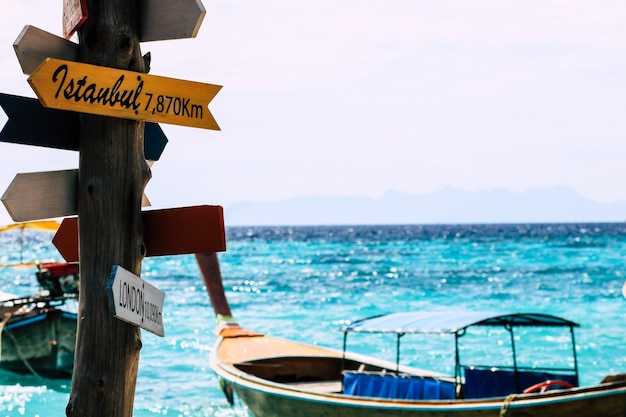
Anchor at Ao Chalong Bay for a calm, sheltered overnight. It offers reliable protection from prevailing winds and quick access to Phuket Town for provisioning. Arrive early to secure a comfortable position and make a quick call on VHF 16 to check guest buoy availability. You’ll sleep with minimal motion, then wake ready to options along the coast.
- Ao Chalong Bay, Phuket – Sheltered in all but the strongest SW fronts, with a sandy bottom and 4–10 m depths in the lee. Use 25–40 m of rode with 2:1 scope; if a buoy is available, consider tying to it for extra security. Call the harbor office before dark to confirm a buoy or a safe stern-to anchorage. Taxi rides into Phuket Town are fast and affordable, making early provisioning practical.
- Naka Island (naka) vicinity – A close, lee-protected area just north of Phuket. Anchor behind the fringing reef or join a resort mooring if offered to cruisers, which reduces risk of dragging in gusts. This spot keeps wind and chop low, and the coconut-fringed shore creates a relaxing morning wake-up call. If you want shore time, a short dinghy ride delivers easy access to a sandy beach for a quiet stroll.
- Koh Yao Yai / Koh Yao Noi – Two islands with multiple lee-side anchorages that stay sheltered as the wind shifts. Hold in 8–14 m over sand or mud; use a 2:1 scope for extra security. A local quad-share taxi can shuttle you to sleepy inland villages or a simple seaside cafe for a cultural break. This route lets you keep cruising toward Phang Nga or Krabi the next day, reaching your next destination comfortably.
- Racha Island (Racha Yai), Patok Bay – A favored overnight with solid protection and scenic shoreline. Hold in 5–15 m, best in sand. Approach from the north to minimize chop; a short walk to white-sand beaches is easy if you’re after a luxurious touch ashore. Sailfish are occasionally spotted offshore at first light, so set your dawn watch and enjoy a peaceful morning on deck.
- Phang Nga Bay (Panak and Hong Islands) – Sheltered lagoons behind limestone walls provide an unusually quiet night. Anchor in 6–12 m on sand or mud, steering clear of shallow patches near cave entrances. If marine park rules permit, consider a mooring buoy to keep the area pristine. Note the possibility of busy day-use boats; plan a late arrival to maintain separation from shore excursions.
Note how these options cluster around lee protections, sandy bottoms, and shore access to keep your overnight comfortable. Reach each stop with ease by planning short hops, then rest and reset before the next leg. For extended legs, kawthaung can be a cultural add-on if you extend your cruise beyond Thailand’s islands; plan early, and call ahead for border and vessel procedures. If you travel with a group, you can coordinate quad-share taxis between shores to maximize time on the water and minimize land transit overhead.
Ko Tarutao Access: Permits, Park Rules, and Island-Hopping Etiquette
Get your Tarutao National Park permit 2–3 weeks ahead; without it, these trips would be delayed at the gate. Bring passport copies, boat details, and a clear itinerary, and choose entry dates depending on season. Acknowledging limited daily quotas, last-minute requests are risky, so please plan well in advance with your operator or park office. If you arrive late, expect a thon of checks and paperwork at the gate.
Park rules center on coral protection, sheltered coves, and clean shores. Do not touch coral formations, remove shells, or feed fish; stay on marked trails and use reef-safe sunscreen. For snorkel trips, keep a respectful distance from wildlife and avoid trampling sands. Use designated moorings; if none exist, the operator should adjust plans to minimize impact and protect nesting areas. These practices safeguard the waters and ensure details seen by visitors stay intact for future generations.
Island-hopping etiquette emphasizes courtesy and safety. Kick off with a clear plan and coordinate with your crew to limit long motor runs; opt for short hops between sheltered bays when possible. Yachts and larger boats should use approved moorings and avoid anchoring on coral or seagrass beds. When snorkel is done, move slowly across reefs and keep gear tidy to reduce gear loss. Please greet rangers and local staff, celebrate a relaxed pace, and leave no trash behind. After each stop, rinse gear, respect quiet hours, and carry a small gift or gesture if offered, acknowledging the park’s history and the ancient stories shared by island communities.
Logistics for the Voyage: Provisions, Fuel, Water, and Emergency Gear
Stock up in Phuket before departure and top up fuel and water at Krabi or Railay to cover a seven-day loop along the andaman coast.
Provisions should cover four to six crew for seven days with a selection of meals that travel well: 4 kg rice, 3 kg pasta, 12–16 cans fish or beans, 2 jars peanut butter, 2 liters cooking oil, tomato sauce, coffee and tea, and a mix of fresh fruit and vegetables for 3–4 days. Pack snacks in resealable bags for quick access during swimming or long hops between destinations. For a single boat, plan 4–5 kg rice, 3–4 kg pasta, 12–15 cans fish/beans, 2 jars peanut butter, 2 liters oil, sauces, and 2–3 kg fresh fruit plus 1 kg greens. Use a small fridge to preserve dairy and perishables, and keep dry goods in a labeled bin. For mornings, oats or porridge with dried fruit make a fast start.
Water planning centers on reliable drinking supplies: bring 60–100 liters for drinking across seven days and 60–80 liters for cooking and cleaning. If there’s no onboard watermaker, refill at Krabi town, Ao Nang, Railay, or Tonsai when possible. Store water in clearly labeled jugs away from fuel and use a compact filtration method if you collect tap water on smaller islands. This keeps swimming breaks comfortable and protects the crew’s health for each destination.
Emergency gear covers safety for all boats and crew: life jackets for everyone; a throwable device; VHF radio; handheld GPS and compass; a first-aid kit with seasickness meds; whistle; flare kit; emergency beacon such as EPIRB or PLB; spare bilge pump; spare anchor and rope; several fenders and basic tools; spare propeller or impeller depending on engine type; waterproof bags; duct tape and tie-down straps. Run a quick man-overboard drill each morning to train the crew, and designate nala to log supplies and check equipment before each stop. This plan does not rely on luck; it uses these means to keep the tour safe and steady, even when the seas tilt toward the caves along Railay and Tonsai. Tie a square knot when securing lines to anchors and fenders for added security.
Palivová stratégia sa zameriava na plnú nádrž pred odchodom z Phuketu a praktický plán zálohy: pre bezpečnosť noste dve 20-litrové kanistre a udržiavajte si rezervu, ktorá pokrýva približne 20–30 míľ jazdy. Pre typickú stredne veľkú loď naplánujte 3–5 hodín jazdy denne počas jazdy pri slabom až miernom vánku. Vzdialenosti medzi kľúčovými zastávkami sú v míľach: Phuket na Racha (Racha) asi 12–15 míľ, Racha na Railay/Krabi v okolí 10–15 míľ a Railay na Tonsai a Krabi town neďaleko ako kratšie presuny. Pomalé kríženie vám umožní vychutnať si scenériu, urobiť pokojné kúpele a vybrať si obľúbenú zátoku na rannú prestávku. Ak preferujete jedinú slučku, môžete tieto etapy spojiť do severnej alebo južnej cesty, vždy v súlade s priaznivými dátumami a meteorologickými oknami.
Tipy pre plánovanie trasy zahŕňajú vyváženie výberu cieľov s energiou posádky a predpoveďou. Vyberte si niekoľko cieľov, ktoré musíte vidieť – krabi, railay, tonsai a neďaleké jaskyne – a potom si nechajte priestor na spontánne zastávky na preskúmanie rajov obklopených vápencovými formáciami. Tento prístup vyhovuje ako rýchlemu tempu, tak aj uvoľnenej povahe, vďaka čomu si môžete plávať, šnorchlovať a preskúmať v pohodlnom tempe na míľach pobrežia. Pre ranný štart naplánujte trasu, ktorá minimalizuje dlhé úseky na drsnej vode, udrží vás v blízkosti chránených zátok a ušetrí palivo na dlhšie etapy naspäť smerom k Phuketu. Termíny a logistika sa najlepšie zladia, keď si zafixujete obľúbené kotviská včas a udržíte si flexibilný plán v prípade, že prehánka alebo pokoj mení štvorcovú plochu vašej zamýšlanej trasy.
Najlepšie pocasovanie, prílivy cyklus a sezónne aspekty pre južný Thajsko
Zvoľte si november až február ako vaše primárne obdobie pre plavbu po južnom Thajsku, aby ste maximalizovali pokojné more, čisté rána a uvoľnenú plavbu.
Suché obdobie na pobreží Andaman na Phukete trvá približne od novembra do apríla, s najväčším slnečným svitom od decembra do februára. Očakávajte slabý až mierny vietor, more vhodné pre katamarány a ranné teploty vo výške 20 až 30 stupňov Celzia. Toto obdobie udržuje korálové útesy živé a poskytuje dlhé dni na šnorchlovanie a ostrovné presuny s následným pohodlným večerom v prístave. Existuje obrovské množstvo chránených zátok a okrajov útesov na preskúmanie počas niekoľkých etáp vášho plavebného plánu.
Prílivové výkyvy sú stredné, s väčšími jarnými prívlami pri splne a novom mesiaci. Plánujte kotviská v chránených zálivoch blízko okrajov koralových útesov, aby ste sa vyhli silnému príboju, a uprednostňujte časové okná s minimálnym prúdom pre ľahšie kotvenie v obľúbených marinách alebo pri pobrežných kotvách.
Ranné šnorchlovanie ponúka najlepšiu viditeľnosť; úkrytové bariérové ostrovy okolo Phi Phi, ostrovov Similan a zátoky Phang Nga sú domovom množstva koralov a farebných rýb. Pre rodiny si vyberte pokojné zátoky blízko mestskej mestskej prístavi a pobrežné zátoky s plytkými, piesčitými spodkami, aby ste minimalizovali nepohodlie a maximalizovali bezpečné, plnohodnotné dni na lodi. Hľadáte rovnováhu medzi tempom a odpočinkom, naplánujte si krátke presuny a rozsiahle dni na brehu, aby ste udržali srdce uvoľnené.
Od mája do októbra prinesie juhozápadný letný mračno väčšie dažde a drsnejšie more. Ak plávate počas tohto obdobia, naplánujte si kratšie etapy, hľadajte úkryt v chránených zálivoch a vyhraďte si v prístavoch extra čas na oddych medzi jednotlivými úsekami. Toto obdobie môže byť ideálne na pozemné dni, kontroly systému a budovanie sebadôvery pred zimnou plavbou.
Noste pas a kópie, skontrolujte vízové pravidlá a preverte si požiadavky týkajúce sa stravovania a zdravotných opatrení so svojím poskytovateľom. Rezervujte kotviská a marínové miesta vopred, pokiaľ je to možné, najmä okolo Phuket Town a ďalších prístavov s rozsiahlymi službami.
Pre vyvážený itinerár si stanovte základňu blízko mestskej prístavisko a potom jazdite katamaránmi na malé ostrovy, aby ste si užili priestor a stabilitu. Ranné odchody vám umožnia využiť priaznivé prúdy a vrátiť sa naobed a stráviť deň v pokoji na pobreží alebo rodinné aktivity na pláži. Urobte spätné, nadväzujúce etapy pohodlnými výberom krátkych úsekov plavby, zastávok v tieni a ľahko dostupných miest na šnorchlovanie.
Rešpektujte korálové útesy, udržiavajte bezpečnú vzdialenosť pri šnorchlovaní a vyvarujte sa šliapania na koralové hlavy, aby ste chránili rozsiahlu podmorskú základňu, vďaka ktorej je južný Thajsko magnetom pre milovníkov mora.