


 Slovenčina
  English (UK)
  Русский
  العربية
  日本語
日本語  한국어
한국어  Magyar
  Türkçe
  Español
  Čeština
  Svenska
  Português
  Ελληνικά
  Suomi
Suomi  Nederlands
  Română
  Italiano
  Français
  Polski
  Українська
  Deutsch
  简体中文
简体中文 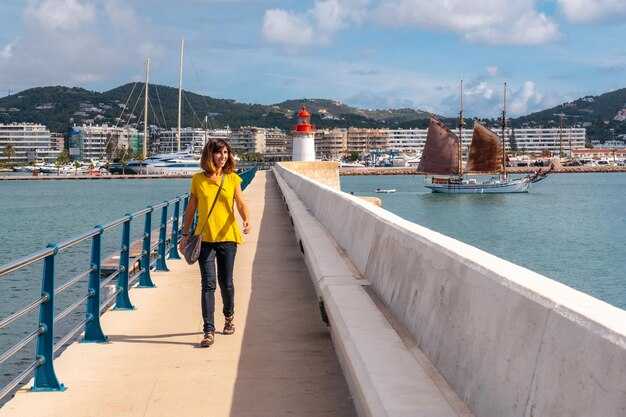 Our Top Picks for Cruise Stops in Croatia | Best Croatian Ports">

Start your Croatian cruise with Dubrovnik, the pearl of the southern Adriatic, to set a bold tone for the voyage. The city walls rise above the scenery along the old harbor, and the bustle of street markets keeps things vibrant without losing charm, with silver light reflecting on the water at golden hour. If you plan two days here, book a late-afternoon walk along the city walls and a sunset stroll on Stradun.
From there, a practical kombinácie of Split’s Roman relics and contemporary marina life on the nearby island ciovo lets you compare pace and scale. In Split, stroll Diocletian’s Palace, then head into known waterfronts for a less crowded dinner on the Riva. The final plan could include a quick ferry to Trogir to savor its compact city core and stone lanes.
On day two, consider a stop like Sumartin on the island Brac, a smaller harbor where clear water meets local cafés. The town offers easy walks to pine groves and the scenery of distant hills, with a pearl of a sunset over the quay. If your schedule allows, take a short ferry to Bol for wind-sculpted beaches and less bustle than the main island towns.
Another option lies on the opposite side of the channel: Rogač on the island of Solta. This port invites a calmer rhythm and modern facilities, with quick trips to quiet coves and rugged scenery. The visited routes here are usually combined with day trips to the nearby towns of Maslinica and Stomorska, giving you a taste of authentic Dalmatian life away from crowds.
For the final stage of your plan, prioritize ports known for easy connections and friendly locals. A single itinerary that links Dubrovnik, the ciovo-Trogir-Split cluster, and a couple of island stops like Sumartin and Rogač creates easy kombinácie of sea views, scenery, and culture. This route keeps distances short, modern amenities within reach, and a flexible pace that suits travelers who crave their own pace and dream moments along the coast. It’s sure to satisfy families, couples, and first-time travelers alike.
Our Top Picks for Cruise Stops in Croatia: Best Croatian Ports; Sightseeing in Zadar for Your Croatian Sailing Vacation
Start in Zadar for a compact, history-rich first day. The old town places you in five areas, with the saint anastasia church anchoring the skyline. Its vestibule opens to views over the harbor, and a short walking loop lets you sample Roman and medieval layers before the ship docks at the port.
From Zadar, ride south to Split, where diocletians palace sits as an imposing fortress placed in the heart of citys old town. The complex blends Roman history with modern life, and you can walk the lanes that reveal how the empire could build into the hillside, a reminder of the emperor who once reigned here. The ship dock area puts you at the doorstep of markets and cafes for a quick bite between sites.
Next, dock at gruz, Dubrovnik’s south-entry port, and take a short ride into the old town. The city walls crown a history of grand craft, and walking along the ramparts delivers a stunning view of the Adriatic. The South Gate opens onto wide steps and pastel houses, with a café by a wooden post where you can watch small ferries come and go.
lopud offers an extremely different island pace: car-free lanes, a wide coast, and a pleasant walking loop from the village to Sunj Bay. A short ride from the mainland, this tiny town feels placed between fields and sea, with clear water and a quiet harbor.
five stops create a balanced route: Zadar, Split, gruz, lopud, and a final port such as Pula or Rijeka. Each offers its own history and flavor – from Roman ruins to medieval walls – with enough time for a walking stroll and a quick bite.
Port-by-Port Highlights for a Croatian Sailing Itinerary
Begin in Split and anchor in Kaštela Bay to pace the trip with calm water and easy docking. The croatian ports along this coast offer protected harbors, large marinas, and lively markets found by sailors for reliability and great tavernas.
From Split, hop to čiovo for a compact island escape where pine-scented shores frame spectacular views and simple mooring. The pier on čiovo provides easy, accessible entry, and a handful of shops line the waterfront so you can stock up without a long hike.
Hvar Town rewards you with a spectacular sunset and straightforward entry from the island. The harbor is easy to access, the shops bustle with locals, and the protection along the quay makes a boat stay comfortable. There are fantastic dining options a short walk away. The south wind helps the sailing along the coast, revealing rugged hills and dramatic sea views.
Korčula earns its keep with a large, walled old town that rises from turquoise waters. Anchor in sheltered coves along its south side, then explore seaside lanes and village areas with shops where locals greet visitors with a smile. Mljet’s protected national park offers quiet bays, thick pine shade, and easy hiking routes that keep you on the water into late afternoon.
Pelješac Peninsula adds flavor with wine-tasting coves and seafood on the water. The protected channels give smooth passages for a larger boat, and the south-facing harbors stay sunny into the evening. Continue to Dubrovnik’s stunning walls, where the old town sits in a dramatic setting and the harbor shops keep you fed after a long day at sea. The moru breeze sweeps along the coast during the day, easing the approach to the quay.
Šibenik presents a compact, easy stop with its largest cathedral towering over the marina. The protected quay makes it simple to tie up, while local eateries and markets add a sense of place. From here, a short sail north to Zadar offers a different flavor with sea organs and sunset gardens providing memorable moments.
For inland curiosity, a day trip to sirmium ruins in nearby regions adds a counterpoint to sea days, offering an ancient perspective on this croatian region. It’s optional but enriches the itinerary, connecting ports with history and culture.
These port stops form a cohesive loop that keeps your sailing along the croatian coast simple, with easy connections, friendly locals, and varied scenery from cliff-backed coves to polished harbors. This route means easy day hops, archaeological finds, and lively markets, showing croatian coast at its best.
Dubrovnik: Mooring Options, Docking Windows, and Shoreline Highlights
Dock at Gruž for the largest ships and plan a half-day in the town’s UNESCO-listed core with a registered tour to maximize time under the city walls and minimize bustle at peak hours.
- Gruž Port – the largest and most practical option for cruises, with wide quays and protected berthing spaces that accommodate most newer ships. From here, you can reach the town in about 15–20 minutes by taxi or 25–30 minutes by public bus, giving you a smooth start to your shore excursion.
- Old Town Harbor (tender dock near Pile Gate) – ideal for smaller ships or ships that prefer to dock closer to the fortress walls. This site supports quick transfers to the Stradun and surrounding sites, but berthing space is limited and favored for morning windows. Expect a short walk through the bustle toward the main sights.
- Private marinas and protected bays along the Lapad area – suitable for smaller vessels or ship’s tenders if weather or scheduling calls for a sheltered option. These areas offer easy access to seaside promenades, apartments and local eateries, with quick road connections to the Old Town.
- Anchor and tender approach (seasonal or weather-dependent) – when wind or sea conditions require it, operators use a protected anchorage a short ride from the city and deploy tenders to a pier. This can be part of a broader tour plan that balances time ashore with ship operations.
- Nearby islands and calmer shores (like Lokrum) for partial-day excursions – while not a direct port call, many cruises include a shore stop or island excursion that complements a Dubrovnik visit and offers scenery and photography opportunities from the water.
- čiovo and similar areas – for itineraries that loop through broader Dalmatian coastlines, operators may include side trips or back-to-back tours that touch on adjacent regions. These options broaden your experience without delaying the Dubrovnik call.
Docking windows
- Morning window (roughly 07:00–11:00) – most ships aim to berth early to maximize time on shore and enjoy cooler morning light for photos along the ramparts. This window helps you beat the larger crowds near Pile Gate and Stradun, and it aligns well with registered tours that depart soon after disembarkation.
- Midday window (approximately 11:00–14:00) – ideal for a steady pace through the town’s highlights, including the Rector’s Palace and the Franciscan Monastery. If your ship uses Gruž, this window often coordinates with bus departures for Old Town and the scenic shoreline promenade.
- Afternoon window (14:00–16:00) – suitable if you started later or wish to combine a coastal walk with a sunset view from the city walls. Be mindful of the late-afternoon crowd near popular viewpoints; plan a quick route to the walls’ best panoramas to maximize scenery without delays.
- Seasonal notes – in calmer shoulder months, docking windows are typically reliable; in peak season, port authorities optimize berths to reduce congestion, which may shift by up to an hour. Always confirm the day’s window with the port team or your tour operator.
Shoreline highlights and practical tips
- Prechádzka po hradbách Starého Mesta a Stradune – pol dňa je na to ideálny plán: prejdite sa po vápencovej Stradune a potom vystúpte alebo zostúpte po hradbách, aby ste si vychutnali dramatické výhľady na more. Scenéria sa mení v závislosti od počasia a prehliadka so sprievodcom (registrovaní sprievodcovia poskytujú kontext o impériu, ktoré kedysi dominovalo tomuto úseku) pridáva zážitku hĺbku.
- Kostol sv. Blažeja a Dubrovnícka katedrála – kľúčové kresťanské pamiatky, ktoré ukotvujú architektonický rytmus mesta. Františkánsky kláštor ukrýva jednu z najstarších lekární v Európe a ponúka rýchlu kultúrnu zastávku medzi panoramatickými výhľadmi.
- Kniežací palác a palác Sponza – zrekonštruované pamiatky, ktoré odhaľujú politický a obchodný tep Dubrovníka cez stáročia obchodu, diplomacie a každodenného života v chránenom pobrežnom prostredí.
- Mestské hradby a opevnenia – 1,9 km (približne) hradieb poskytuje pôsobivé scenérie a zmysel pre mierku; prejdite sa po častiach hradieb, ku ktorým sa väčšina lodných pasažierov sama nedostane, čo prináša vynikajúce výhľady na mesto a more.
- Lokrum a blízke ostrovy – jednoduché doplnky, ktoré ponúkajú zelené plochy, zaujímavú flóru a výhľady na pobrežie neďaleko starého prístavu. Lokrumské pobrežie a skalné útvary vytvárajú chránenú, takmer súkromnú atmosféru úniku z mestského zhonu.
- Ubytovanie a pobyty – nájdete tu kombináciu apartmánov a registrovaných penziónov v úzkych uličkách mesta. Tieto oblasti umožňujú návštevníkom zažiť každodenný život aj mimo hlavných pamiatok a často poskytujú tichší protipól k tempu Starého Mesta.
- Jedlo, odpočinok a chute lokalít z kresťanského obdobia – pozdĺž prístavu a uličiek sa tiahnu početné reštaurácie, kde môžete ochutnať miestne morské plody a dubrovnícke špeciality a zároveň obdivovať zachované kamenné stavby a napoly skryté nádvoria.
- Tipy pre bezproblémovú návštevu – rezervujte si miesta v Gruži alebo v staromestskom tenderovom doku prostredníctvom registrovaného touroperátora alebo prevádzkovateľa plavieb, čo vám pomôže maximalizovať čas prehliadky, vyhnúť sa radom a zabezpečiť si dopravu späť na loď. Príďte s ľahkou taškou a v pohodlnej obuvi; šírka ulíc a schodísk mesta ocení stabilné, nenáhlené tempo.
- Čo môžu očakávať rodiny a menšie skupiny – veľké lode najlepšie obslúžia kotviská v Gruži, zatiaľ čo menšie lode a skupiny si môžu vybrať prístup do prístavu Starého Mesta alebo krátke tenderové transfery. Toto rozdelenie je v súlade s rozdielnymi prístavmi a poldennými itinerármi, vďaka čomu je Dubrovník všestrannou zastávkou pre plavby.
Split: Terminálový prístup, Prehľad Diokleciánovho paláca a Exkurzie na pevninu
Vykročte priamo z terminálu výletných lodí v Splite do Diokleciánovho paláca a začnite kompaktným okruhom okolo Peristylu, Jupiterovho chrámu a Katedrály svätého Domnia, aby ste okamžite pocítili odkaz dedičstva, kde sú oslavovaní svätí, predtým než dorazia neskoré davy.
Z terminálu sa do paláca a historickej štvrte Splitu dostanete za pár minút. Komplex sa nachádza v srdci živého mesta, dotýka sa veľkého dedičstva aj každodenného života, s rímskymi základmi, pivnicami a nádvoriami, ktoré ústia do rušných uličiek. Pozdĺž múrov sa nachádzajú skryté nádvoria, slnkom zaliate zákutia a malé kaplnky svätých, ktoré vás pozývajú na zastavenie. Každý kút odhaľuje inú časť histórie paláca, vďaka čomu štvrť pôsobí plynulo prepojená s moderným životom.
Pre rýchly a jednoduchý únik na pobrežie si doprajte jednodňový výlet na Brač so zastávkou v Supetare. Krátka plavba trajektom vás zavedie do bračských prímorských dedín s pokojným tempom, kamennými uličkami a prístavom, kde môžete ochutnať miestne pochúťky a fľašu Donatu. Trasa prebieha plynulo pre mnohých cestujúcich a umožňuje vám vychutnať si scenériu ďaleko od davov. Je to fantastický spôsob, ako si oddýchnuť po zakotvení.
Navštívte Korčulu v rámci dlhšej poldennej možnosti: staré mesto Korčuly sa nachádza za bielymi kamennými múrmi s bohatým dedičstvom a panorámou plnou katedrál. Prechádzkové uličky odhaľujú zaujímavú architektúru a vychutnáte si dinársku scenériu cez vodu. Tento výlet pôsobí ako perla dalmátskeho pobrežia v kontraste s mestským srdcom Splitu a ponúka nezabudnuteľný kontrast pre vašu plavbu.
Ak chcete prispôsobiť tempo a načasovanie, overte si u d-marin možnosť súkromnej prehliadky, ktorá začína, keď vaša loď zakotví, a zahŕňa najvýznamnejšie prvky paláca, niekoľko ulíc v štvrti a obed pri mori. Táto možnosť vám pomôže vyhnúť sa veľkým davom a prispôsobí sa harmonogramu plavby, pričom ponúka výlet, ktorý vám umožní ľahko navštíviť najznámejšie časti mesta a zanechá vo vás fantastický a trvalý dojem z splitského dedičstva a pobrežného šarmu.
Zadar: Morský organ, Fórum a Bezbariérové prechádzky z Maríny
Začnite pri Morskom organe priamo na okraji prístavu a počúvajte kaskádovité tóny, keď vlny narážajú na kamenné rúry. Cez okraj vlny tlačia vzduch cez rúry a vytvárajú zvuk.
Morský organ je zabudovaný do vlnolamu, takže vstup na miesto znamená vstúpiť na rovnú plochu a potom zostúpiť po krátkej rampe do priestoru pre divákov; efekt je okamžitý, keď sa vietor a príliv zarovnajú. Táto dvojica atrakcií ukotvuje svetoznámu promenádu pri nábreží.
Z tohto miesta môžete preskúmať krátky pobrežný okruh, ktorý vedie k Fóru, s neďalekou zeleňou a prírodou, vďaka čomu je prechádzka príjemná pre rodiny aj seniorov. V blízkych pivniciach pod starým mestom môžete zahliadnuť stáročia obchodu, ktoré formovali potreby prístavu.
Fórum zostáva klasickým otvoreným priestorom s kamennou dlažbou a stĺpmi, ktorý sa nachádza v blízkosti kostola svätého Donáta; táto národná pamiatka sa nachádza na južnom konci polostrova a je jedným z najväčších klasických priestorov pozdĺž pobrežia, ktorý je obľúbený počas turistickej sezóny.
Chôdzou od maríny vedie pozdĺž južného nábrežia smerom k Svätému Donátovi a nábrežiu plochý, zelený a dobre označený chodník, pričom na horizonte je vidieť prechádzajúcu loď. Na okraji sa často hromadí štrk a nečistoty z neďalekých prác, ale prístupná trasa zostáva pre potreby priateľská a posledný úsek vás dovedie na plošinu na úrovni mora.
| Morský organ | Vstavané do vlnolamu; kaskádové tóny z vĺn; vstup z promenády; najlepšie za pokojných rán alebo náladových večerov |
| Fórum | Klasické rímske ruiny; neďaleko kostola svätého Donáta; národná kultúrna pamiatka; kompaktné, no pôsobivé |
| Pešia trasa z prístavu | Rovný, zelený pobrežný chodník; neďaleké lavičky; 15–20 minút pešo; vhodné pre rodiny a návštevníkov so špeciálnymi potrebami |
Na záver, považujte tento úsek za perlu Jadranského pobrežia, kompaktnú zmes zelene, klasických ruín a morskej melódie, ktorá často prekoná očakávania návštevníkov, ktorí sú tu prvýkrát, ako aj tých, ktorí preskúmavajú chorvátske prístavy pozdĺž tohto pobrežia.
Rijeka a Istria: Výber prístavov, blízke múzeá a jednodňové výlety po pobreží
Za základ si vezmite ACI Marinu Rijeka. Nachádza sa v prístave a ponúka jednoduchú kotvu pre pevninské trasy a zároveň vás umiestňuje len na krátku jazdu od istrijských miest a Kvarnerských ostrovov. Široké pobrežie oblasti, priateľská promenáda a mierna klíma pozývajú na prechádzky pri západe slnka, vďaka čomu je mesto prirodzenou križovatkou pre vyvážený itinerár pobrežia.
Z Rijeky si vyberte jednu alebo dve istrijské maríny, kde si predĺžite pobyt. Táto oblasť spája dobre zachovanú históriu so živou pobrežnou scenériou, takže môžete spojiť námorný prístup s kompaktnými objavmi na súši. Niektoré výlety kombinujú kultúrne nálezy, malebné prechádzky a jednoduché jazdy späť na pevninu, keď ste pripravení zmeniť povodie.
Výber Maríny
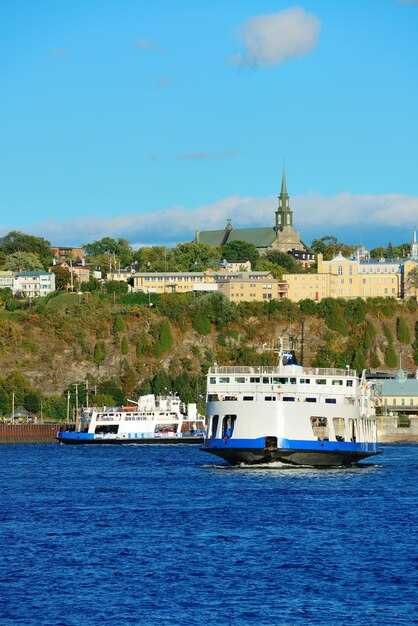
- ACI Marina Rijeka – v mestskom prístave s priamym prístupom do Starého Mesta, s palivom a opravárenskými službami, wifi a nepretržitou ochranou. Krátka prechádzka vás zavedie do historických ulíc, živých trhov a nábrežia, ktoré láka na nenútené sledovanie kotviacich lodí a dlhé jazdy pozdĺž nábrežia.
- Punat Marina (Krk) – na ostrove Krk, spojenom s pevninou pobrežnou cestou. Široké prístavy a chránené kotviská sú vhodné na dlhšie pobyty; neďaleko nájdete tiché zátoky na obedňajšie kúpanie a prechádzku do malej prístavnej dedinky Punat na kávu a spoznanie každodenného ostrovného života.
- ACI Marina Rabac – Východné pobrežie Istrie ponúka moderné vybavenie a jednoduchý prístup do oblasti Labin. Záliv poskytuje pokojnú vodu a okolité útesy vytvárajú dramatickú scenériu pre popoludňajšie prechádzky. Je to solídna základňa na dosiahnutie blízkych historických miest počas jednodňových výletov.
- ACI Marina Pula – Nachádza sa v pulskom prístave a vďaka tomu máte na dosah staroveké fórum a amfiteáter. Krátka jazda alebo prechádzka vedie k Augustovmu chrámu a ďalším dobre zachovaným rímskym pozostatkom, zatiaľ čo mestské reštaurácie ponúkajú čerstvé morské plody a miestne vína.
- ACI Marina Rovinj – Chránený rovinjský prístav a úzke uličky odmeňujú objaviteľov pešo. Z prístavu sa príjemnou prechádzkou dostanete k pastelovým domom starého mesta a promenáde Lungomare, s dennými možnosťami na jazdu pozdĺž pobrežia koncom leta a výhľadmi na kotviace lode pri západe slnka.
Nearby Museums
- Rijeka – Pomorské a Historické múzeum chorvátskeho pobrežia uchováva historické modely lodí, navigačné prístroje a artefakty regionálneho obchodu. Zbierka je registered ako kultúrny majetok a exponáty vám pomáhajú spojiť dnešný prístavný život s usilovnou minulosťou tejto oblasti.
- Mestské múzeum Rijeka (Múzeum mesta Rijeka) sa zameriava na rozvoj miest, architektúru a sociálne dejiny, ktoré formovali mesto ako prístav na križovatke národov.
- Istria – v Pule, Archeologické múzeum Istrie (Archaeological Museum of Istria) houses artifacts from Greek, Roman, and medieval sites. A short walk from Pula’s Forum brings you to the Temple of Augustus, a well-preserved reminder of imperial influence in the area.
- Poreč – the Euphrasian Basilica nearby is a UNESCO-listed site with mosaics and a cloister that reveal a long temple-and-church history along the coast. It’s a worthwhile stop when you’re exploring the western Istria coast.
- Rovinj – the Rovinj Heritage Museum and the town’s own history galleries offer insight into the fisher-town roots that shaped today’s artistic quarters. After your visit, a quick walk to the waterfront reveals cascading colors and a lively harbor life that locals have kept alive for generations.
- Local treats – after museum visits, seek out gazenica or a similar regional pastry at a seafront cafe; it’s a small, well-earned finish after a day of historical discoveries.
- источник guides note that these museums are easily reached from the marinas, often within a short ride alebo walk along the coast.
Coastal Day Trips
- Krk Island loop – cross the bridge from the mainland to Krk Town and explore the old fortress walls, then continue to Vrbnik for cliffside vineyards and a taste of local wines. The route offers wide bays, sheltered coves, and a few optional breaks for water views and photo stops.
- Brijuni National Park from Fažana – take a boat transfer to the 16–century villas and pristine coastline; the islands’ scenic meadows and turquoise water invite a relaxed walk or a short ride to viewpoints. This day trip pairs well with a dinner back in Pula or Fažana, where you can try fresh seafood and a light Gazenica-style dessert.
- Limski Kanal and Rovinj area – paddle or take a guided boat along the fjord-like Limski Kanal; the sheltered water frames dramatic scenery and oyster farms. A late-afternoon walk along Rovinj’s harbour adds a calm end to the day, with ocean air and broad scenery over the wide bay.
- Cres and Lošinj archipelago – a ferry link from Brestova to Porozina (Cres) and onward to Mali Lošinj makes for a longer island-hopping day. Expect cascading coastlines, pine-scented air, and some rugged cliffs that scream history along the shorelines.
- Ciovo and southern Adriatic extension – for travelers planning a longer stretch, add Ciovo to a Split-based itinerary. You’ll find a broader mainland-to-island rhythm, historic towns, and coastal paths that are ideal for a multi-day ride with steady anchor points.
Pula and Korčula: Roman Heritage, Castles, and Market Walks
Plan a two-part break: start in Pula, then hop to Korčula for a crisp mix of Roman heritage and market walks.
In Pula, the Arena is one of the biggest surviving Roman arenas on the Adriatic. Its limestone walls and vaulted arches bring back the crowd energy from ancient times, and summer concerts fill the space with life. A short loop includes the Arch of the Sergii and the Temple of Augustus along a compact Forum that rewards a slow stroll. Look for a donatus inscription on a corner of the wall and enjoy a wide view from the west quay, where the sea meets the stone in a single, stunning panorama.
From there, a calm market walk adds local color. The green market by the harbor offers olives, fresh fish, tomatoes, herbs, and fragrant cheese; an array of produce shifts with the season. Some days you’ll hear a street musician between stalls. Market lanes are wide enough for a stroller or a couple of bikes, and you can grab a quick bite between tastings. This short stop pairs well with a sunset dinner along the marina.
To stretch the coastal day, take a short ride across moru waters to the Brijuni archipelago. Three islets near the main island host sheltered coves, ancient markers, and a light, breezy holiday vibe. A half-day visit lets you step off the boat, wander a few minutes, and reboard without rush.
Korčula is a large island located off the west coast of Dalmatia, with a walled old town that feels like a living museum. Wander the stone lanes to the Cathedral of St. Mark, the house long linked to Marco Polo, and the hilltop fortress that keeps watch over the harbor. The layout places a small temple ruin on the skyline and gives you constant sea views as you move through the narrow streets. What you find here is a sense that a real, centuries-old place is alive around you.
The harbor market on Korčula offers honey, lavender, dried herbs, and fresh seasonal fruit. You’ll stroll along a broad promenade and discover an array of stalls. Small cafés line the lanes, inviting a break with a glass of local white wine or a bite of grilled sardines. Some paradises await along the lanes, giving great photo opportunities and a chance to sample the island’s simple flavors.
From Korčula, a short ride by ferry can take you to hvar for a day of bright town life, sunlit coves, and island markets. If you want to extend the trip, plan a day to visit additional islets or islands nearby and return for another evening along the quay.
The best months to fit these spots into a single holiday are May through October, when the weather stays dry and the sea remains warm enough for a dip. This window helps you avoid peak crowds while letting you enjoy the stunning light over the water and the white stone that dots both towns. If you’ve seen plitvice, these places offer a sea-coast alternative with a gentler rhythm and new colors to capture with your camera. About two hours of flexible wandering fit well between sites.