


 Slovenčina
  English (UK)
  Русский
  العربية
  日本語
日本語  한국어
한국어  Magyar
  Türkçe
  Español
  Čeština
  Svenska
  Português
  Ελληνικά
  Suomi
Suomi  Nederlands
  Română
  Italiano
  Français
  Polski
  Українська
  Deutsch
  简体中文
简体中文 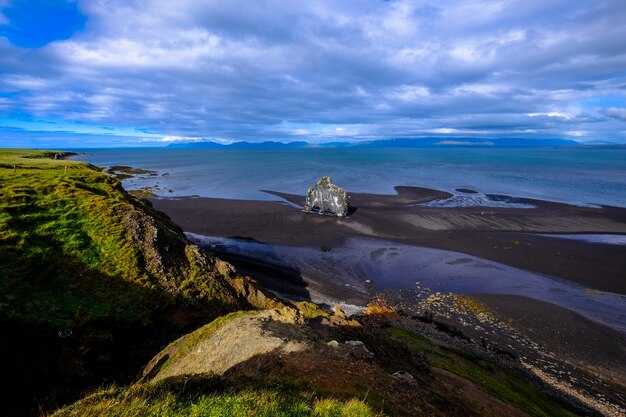 Norway, Iceland and Scotland – Why They Are the Best for Marine Life in Northern Europe">

Choose Norway, Iceland, and Scotland for your next marine-life trip this year. Plan a year-round itinerary that delivers reliable sightings, wild experiences, and practical tips for visitors seeking authentic coastal encounters.
Norway offers a long, productive coastline with whale-watching around Vesterålen, Andenes, and Tromsø. Operators run small boats that minimize disturbance, and a dedicated fund supports research and local guides, helping communities reinvest in conservation and visitors’ experiences. In December, expect crisp seas and dramatic skies that pair with northern lights; stay in eco-lodges near fjords to reduce travel between locations, and choose accommodations powered by renewable energy. The central coastlines of Nordland provide sheltered bays for calmer trips among the wild shores. The states in this region maintain strict wildlife codes to protect the whales and other marine life.
Iceland shines with Husavík and Akureyri as top locations for whale watching, plus dramatic coastlines and geothermal eco-lodges. Tourists flock to responsible cruise operators that offer strong sightings of whales and dolphins in spring and summer, while a handful of winter cruises cater to hardy visitors. In planning, align days with Reykjavik, the capital, as a hub for logistics and year-round itineraries; unlike tropical destinations, Iceland’s cool waters focus wildlife along predictable routes. A guide named hervey can tailor itineraries to weather windows, helping you plan a return visit.
Scotland presents one of Europe’s most reliable dolphin populations in the Moray Firth and a network of operators along the Highlands and islands. Use boats that follow strict codes to limit disturbance, and stay in eco-lodges on the coast to keep travel simple and sustainable. Plan multi-stop itineraries to connect locations while maintaining distance during breeding seasons for wildlife health. The smallest of the three destinations by population is Iceland, which makes Scotland’s hotspots feel even more exclusive for protected wildlife. Tourists can combine cruises with seabird-watching in Orkney and Shetland, and you can keep returning for new sightings by booking early in December for winter planning.
To maximize value, choose a single operator or a small network that shares data with local conservation groups, and favor eco-lodges a cruise options that limit crowds. Confirm planning that includes a fund for marine-research projects, and pick year-round itineraries that fit your schedule and budget. This approach keeps the marine world wild while delivering concrete, repeatable experiences for visitors who want a meaningful connection with Norway, Iceland, and Scotland.
Comparative biodiversity, habitats and conservation practices across Nordic waters
Adopt a habitat-first Nordic strategy that protects distinctive kelp forests, fjord networks, cape and peninsula headlands, and offshore fronts; this approach can offer the edge needed to preserve wildlife and support whale-watching experiences year round, simply by aligning activities with key habitats.
Across Norway, Iceland, and Scotland, a mosaic of habitats shapes the pattern of life: long coastlines, island clusters, nearshore bays that concentrate feeding, and deeper shelves that sustain pelagic life. This variety supports majestic wildlife such as orcas and belugas, plus seabirds and a rich fish community. Some coves near capes and peninsulas host the smallest feeding events, yet they deliver premier moments for visitors who return year after year.
Conservation practices in these waters center on MPAs, seasonal protections, gear restrictions, whale-watching guidelines, and data-sharing partnerships. Season calendars highlight september as a peak window for orca and beluga activity. These measures help protect near-feeding hotspots and support long-term monitoring, enabling what scientists learn this year to inform decisions next year; arguably, this coordination strengthens resilience across the Nordic seas.
Actionable recommendations for operators and visitors: limit vessel numbers near feeding patches; udržiaźovač a safe distance and quiet propulsion; publish codes of conduct that apply during September when activity peaks; choose premier tours that focus on nearshore coves, island routes, and the edge of capes and peninsula headlands, where wildlife concentrates. For visitors, ask guides to explain what they observe and respect the needs of wildlife, so this experience remains a delight for all.
What this means for policy and practice is a push for long-term monitoring, transboundary data sharing, and involvement of local communities and researchers. By supporting responsible tours and protecting a distinctive mix of habitats, these Nordic waters keep orcas, belugas, and other wildlife thriving near the water, offering memorable experiences for visitors year after year.
Flagship species and seasonal patterns along Nordic coasts
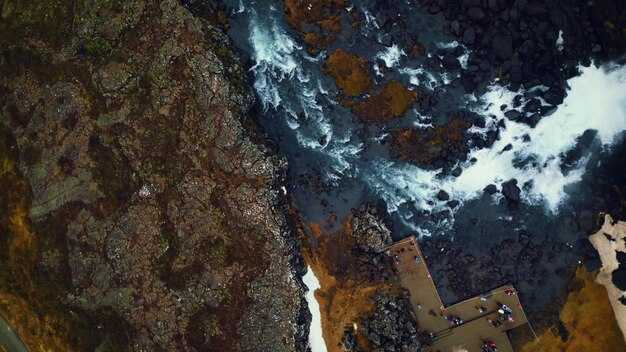
Book a late-spring coastal tour to catch puffin breeding and orca behavior along Nordic coasts. These experiences across Norway, Iceland and Scotland reveal how flagship wildlife shapes each season and where you should search for the best sightings.
From the capital Oslo’s doorstep to remote cliff shores, the treks are rewarding. here’s what to expect and where to hunt for the most captivating creatures throughout the seas around Europe.
- Puffin – breeds April–August on cliff colonies in Norway, Iceland, and Scotland. Early arrivals in March set the stage for dense burrow networks and dramatic eddies of birds along dramatic headlands. Good vantage points exist at accessible cliff edges; keep a respectful distance to avoid disturbing nesting birds.
- Orca (killer whale) – sightings peak May–September along Scotland’s northwest coasts and southern Norway. Pods hunt herring and seals in shallow shelves, sometimes moving in tight family groups. Host boats with experienced captains, stay clear of calves, and scan the horizon for fin presents breaking the surface.
- Humpback and minke whales – migration and feeding seasons run May–October in coastal fjords and shelf edges. You’ll witness breaches, tail slaps, and long, gliding passes across blue water. Choose licensed operators to navigate longer passages safely through the waves.
- Grey seals and harbor seals – haul-outs intensify November–February; late-winter to early-spring brings pups to many beaches around the Shetland, Orkney, and Norwegian coast. Watch from designated paths and shoreline hides; pups require extra space and quiet.
- Harbor porpoise – visible year-round, with higher activity in calmer seas and near shorelines at dawn and dusk. Small groups surface briefly, offering intimate moments for patient observers.
- Auk family (guillemots, razorbills) – breed late spring to early summer along sea cliffs in Iceland and Scotland. Expect busy colonies, overhead flights, and robust ground chatter. Brisk winds may challenge footing, but the spectacle of thousands of seabirds taking flight is memorable.
- Long-tailed duck – winter through early spring along the North Sea; offshore bays and estuaries host these divers feeding on crustaceans and small crustacean-rich prey. Look for silver-white underwings as they surface between dives.
- Northern gannet – May–July along sheer cliffs; dramatic plunges from height into the waves draw crowds of onlookers. High colonies line Scotland’s sea stacks and Icelandic coastlines, offering striking aerial displays.
heres a concise calendar to plan your search:
- Spring (March–May): Puffins arrive to colonies; orcas begin frequenting Scottish and Norwegian coasts; long daylight hours aid observations.
- Summer (June–August): Peak puffin activity; humpbacks and minkes feed near shelves; family groups and tail displays attract photographers.
- Autumn (September–November): Orca and humpback presence continues; grey seals haul-out and pups appear late in the season; seas stay active, offering dramatic shots of waves.
- Winter (December–February): Seals remain visible on accessible beaches; porpoises appear during calmer spells; coastal birds help create a steady rhythm of wildlife watching.
When you plan, align a few anchor stops: the Far North of Norway for Lofoten puffins, Iceland’s Westfjords for seabird colonies, and Scotland’s Hebrides for orcas and gannets. Each destination hosts a different slice of Nordic wildlife, making it easy to combine in a family-friendly itinerary across several habitats. If you search with a focus on early arrivals, you’ll maximize good sightings and make your trip truly unforgettable. Since these coasts form long migration corridors, be ready for rapid weather shifts and flexible schedules; you’ll find that what you see one day may change with the wind, but the overall patterns stay consistent across seasons.
For perspective, Alaska’s coast offers similar thrill with large whale dynamics, while dominica highlights tropical reef life. In Europe, Nordic shores provide a focused stage for flagship species and seasonal shifts that are accessible and engaging for travelers eager to explore marine life.
Critical habitats: fjords, kelp beds, and continental shelf edges
Prioritize fjord conservation by pairing certified small-boat cruises with targeted citizen-science surveys to build knowledge on juvenile habitats and migratory routes along the western Norway and Icelandic coasts. Plan experiences over several months, with May–September peak production and a November leg to observe winter residents along the coastal zone. Among canadas datasets, field observations from remote fjord systems consistently show high biodiversity where freshwater input meets saline waters.
Fjord interiors host deep-water communities shaped by steep sides, glacial basins, and nutrient-rich upwellings. Specific microhabitats form around sills and narrows, where juvenile cod and flatfish seek shelter and where krill and copepods fuel seasonal seabird and whale feeding. Use non-invasive observations, fixed sampling stations, and careful acoustic listening from stable platforms to minimize disturbance while documenting species presence and seasonal shifts; maintain a species list and note which taxa appear in each month. Islands near these fjords add nesting sites and unique assemblages for coastal experiences.
Kelp beds along the Scottish and Norwegian coasts, and in Icelandic zones, create three-dimensional structure that supports juvenile fish, crustaceans, and a broad suite of invertebrates. Protect these forests by avoiding anchors, choosing licensed operators for snorkeling or diving, and coordinating with local communities to support sustainable harvesting and restoration projects. Look for growth pulses from spring and early summer, with resilience through autumn storms; November can reveal winter losses and new recruits, offering concrete opportunities to record habitat associations while home waters stay in view for national programs and local canadas collaborations.
Continental shelf edges act as regional hotspots where nutrient upwelling concentrates plankton and funnels migratory species along broad routes. Pelagic fishes, seabirds, and marine mammals concentrate at shelf breaks, turning these edges into great observational corridors for any coastal cruise or shore-based survey. Plan to time visits with known migratory windows and national monitoring programs; record water temperatures, salinity, and plankton abundance to map how these edges respond to seasonal changes and climate signals, including the tropical-to-temperate transition that can appear in some years along the fringe of this region.
Threats and protection: MPAs, quotas, and pollution controls
Expand MPAs to cover a substantial share of central shelf habitats and migration corridors, with clearly marked no-take zones that are enforceable year-round. This makes protections durable and allows populations to recover, directly increasing chances for belugas and other whales to move along their migration routes. In scotland, prioritize protection for coastal estuaries and offshore banks that are crucial feeding grounds for summer gatherings, and connect island ecosystems with wide protective networks. Weather-driven events will stress habitats, so rapid adaptation and monitoring are essential to keep protection effective and to continue the recovery trend.
Set science-based catch limits and couple them with gear modifications and robust bycatch reporting. End seasonal catches that peak during migration and breeding, and require observer coverage or electronic monitoring on all larger vessels. Bycatch reductions protect themselves and other central stock species, while leaving sufficient catch for sustainable livelihoods. In alaskas, hawaii, and other regions, targeted quotas paired with gear changes surprisingly deliver measurable gains without harming small-scale fishers.
Improve pollution controls at the source: upgrade wastewater treatment in coastal towns, tighten rules on nutrient runoff, and require ships to manage ballast and waste properly. Stronger stormwater controls reduce pollutant loads during heavy weather, protecting feeding grounds used by migratory populations. Implement plastic and chemical pollution bans near key sites to prevent microplastics from entering the food chain, where they can affect migratory species and local tourism dynamics.
Tell visitors and residents how protection helps the ecosystem and the local economy. tourist activity should respect MPAs, stay on established trails, and support responsible operators in places like hawaii and hermanus that offer unforgettable wildlife experiences without causing harm. Protecting these areas makes ecological resilience visible to each community and helps witness moments that are humbling for locals and visitors alike. Even short visits, if managed well, can leave little negative footprint and great positive memories for future generations.
If you witness a breach or compliance lapse, report it to the relevant authority immediately, and share details with fellow stewards. personally engaging with authorities, others, and researchers helps ensure rules endure and ecosystems recover, giving belugas and other species steady chances to thrive. By combining MPAs, quotas, and pollution controls, northern europe can continue to protect migratory routes and central habitats while supporting sustainable tourism and the well-being of island communities.
Impact of fishing, tourism, and shipping on marine ecosystems
Limit bycatch and hold a resilient coastal ecosystem by adopting selective gear, real-time data sharing, and spatial closures along the coasts of Norway, Iceland, and Scotland.
Fisheries hold the strongest pressure on marine life. Each encounter with dolphins or seabirds reshapes population structure across seas and along national jurisdictions. Data from national reports along the seas between Norway and Iceland show bycatch and seabed disturbance in parts of the North Atlantic; targeted gear changes, observer data, and transparent reporting can cut bycatch and improve ecosystem balance over days of monitoring. Data from canadas and dominica programs provide cross-regional comparison and help fine-tune measures while protecting nursery areas near capes.
Tourism boosts income and awareness, yet high visitation can disturb wild habitats and disrupt wildlife encounters. Implement wildlife-watching codes, create mooring zones to prevent anchoring on sensitive seabeds, and enforce waste management at ports. Along europes northern seas, these steps protect the reputation of coastal communities and keep interesting experiences available for ones who travel, while leaving room for humbling moments that remind visitors of their responsibility. The songs of dolphins and other iconic species can continue to accompany days when management works well.
Shipping routes carry acoustic and chemical pressures: underwater noise, emissions, and the risk of ship strikes. Slow steaming, route optimization, shore power, and cleaner fuels reduce disruption to marine life and improve air and water quality along the cape and through the seas of the north. These measures support a stable network of habitats and help states work together to protect Atlantic ecosystems from short-term shocks and sudden events.
| Sector | Key Impacts | Practical Measures | Expected Gains |
|---|---|---|---|
| Rybolov | Bycatch; seabed disturbance; disturbance to non-target species | Selective gears; observer programs; seasonal closures; habitat mapping | Reduced bycatch; healthier seabed; more stable population structures |
| Tourism | Wildlife disturbance; habitat trampling; waste and anchoring impacts | Wildlife-watching codes; mooring zones; waste management; visitor caps | Better wildlife encounters; maintained ecosystem services; longer-term resilience |
| Shipping | Acoustic disturbance; emissions; ship strikes | Slow steaming; route optimization; shore power; cleaner fuels | Lower noise; cleaner seas; fewer collisions |
Citizen science and research access for northern marine life
Join a regional citizen science project today to document bowhead and orca movements along the shoreline and between ports. Arguably, this approach gives researchers access to wildlife-rich areas across europe and pacific routes, including the distinctive coastlines of newfoundland and its surrounding parts.
Participants gain practical skills, connect with people who explore northern seas, and contribute to datasets that reveal seasonal patterns, behavioral cues, and responses to environmental changes. You can see updates from december entries and compare them with observations from other seasons to map nearshore and offshore activity.
- Identify programs that provide open data access and clear field protocols.
- Register and complete a short training on safety, species identification, and data submission.
- Use the designated app to log sightings with date, time, and precise location, and record observed behavior and distance from shore.
- Attach photos or videos when available; peer-review helps validate records before they enter central repositories.
- Review feedback from researchers and share insights with local schools and community groups to expand impact.
If a program wont offer raw data downloads, request aggregated results or explore collaborations with researchers to access anonymized datasets that preserve site security.
Real-world opportunities include volunteering with teams along Newfoundland’s shoreline, in wildlife-rich islands of europe, and at ports where orcas and bowhead are seen seasonally. Such work supports long-term trends and helps communities plan seasonal activities across areas like baja or africa and in the pacific corridors.