


 Slovenčina
  English (UK)
  Русский
  العربية
  日本語
日本語  한국어
한국어  Magyar
  Türkçe
  Español
  Čeština
  Svenska
  Português
  Ελληνικά
  Suomi
Suomi  Nederlands
  Română
  Italiano
  Français
  Polski
  Українська
  Deutsch
  简体中文
简体中文 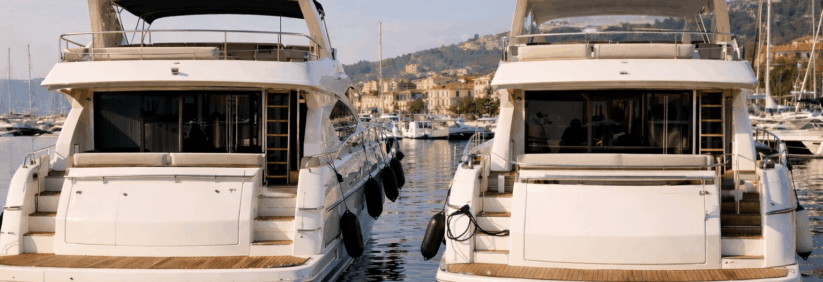 How to Pick Between Polish and San Marino Flags">

Poland processes yacht registrations via a centralized electronic registry and issues radio licences only after lodgement of the registration file, with radio documentation commonly taking up to six to eight weeks, while San Marino typically issues radio licences together with the registration package within a few working days when paperwork is complete.
VAT exposure: legal criteria and real‑world enforcement
EU VAT is determined by concrete customs factors, not the flag alone. The formal elements are the yacht’s customs status, whether VAT was previously paid, the place of effective use, the owner’s tax residency, and whether the vessel benefits from Temporary Importation or Temporary Admission.
Key EU VAT factors
- Customs status: free circulation vs. temporary admission
- Evidence of VAT paid: invoices, bills of sale, customs stamps
- Place of effective use: where the yacht predominantly operates
- Owner residency: EU vs non‑EU resident affects import logic
Practical enforcement differences
In practice, an EU‑flagged yacht without clear VAT documentation can attract closer scrutiny when cruising EU waters. By contrast, a non‑EU flag like San Marino can sit more naturally within a Temporary Importation narrative for non‑EU owners, which may simplify the inspector’s checklist—though it does not nullify VAT law itself.
Reputation, resale and charter perception
Reputation matters for brokers and charter operators. Polish registration offers the benefit of EÚ alignment and a modern electronic registry, but some professionals view smaller, well‑managed registries as carrying greater prestige. San Marino is commonly seen by brokers and surveyors as a tightly administered pleasure yacht registry, which can influence charter positioning, resale negotiations and berthing opportunities in certain marinas.
| Criterion | Poland | San Marino |
|---|---|---|
| EU status | EU member | Non‑EU |
| VAT enforcement tendency | Higher scrutiny inside EU if VAT not documented | Aligns with Temporary Importation for non‑EU owners |
| Radio licence | Separate application after registration; weeks | Issued with registration; days when complete |
| Administrative culture | Formal EU procedures | Service‑oriented, streamlined |
| Market perception | Widely accessible | Perceived premium for pleasure yachts |
Processing speed and radio licensing: operational impact
Operational readiness hinges on radio documentation for commercial charters and many cruising plans. If a captain or charter operator needs the vessel ready to go at short notice, San Marino’s bundled radio licence is often the faster route. On the other hand, a private owner who primarily cruises EU waters and values the EU flag may find Poland’s timelines acceptable—provided radio lead time is built into the itinerary.
Checklist before committing to a flag
- Confirm whether VAT has already been paid on the yacht.
- Decide how quickly full documentation (including radio licence) is required.
- Verify whether EU flag alignment is legally or commercially necessary.
- Assess resale and charter market perception for your target destinations.
- Factor in administrative culture and expected communications turnaround.
Common mistakes to avoid
- Assuming an EU flag automatically solves VAT exposure.
- Overlooking radio licensing timelines when scheduling charters or handovers.
- Confusing legal theory with how local authorities actually enforce rules.
- Choosing a registry based only on marketing blurbs rather than paperwork reality.
Anecdote time: a charter captain once had a season delayed because radio documentation for a newly registered Polish yacht arrived late—charter bookings had to be shuffled and the crew felt the pinch. Moral of the story: paperwork delays can cost more than just patience; they hit the schedule and the bottom line.
When each registry makes sense
Poland is suitable when an EÚ member state flag is specifically required, when cruising primarily within EU waters, or when a client is comfortable with separate radio licencing timelines. San Marino is preferable when rapid issuance and integrated radio documentation are priorities, when non‑EU ownership seeks coherent Temporary Importation logic, or when administrative simplicity and a premium registry perception matter.
Wrap‑up: choose the registry that fits your VAT position, timeline and commercial goals. In short, Polish registration gives you EU alignment and wide acceptance but may require longer processing and separate radio licensing, while San Marino tends to offer faster turnaround, integrated radio documentation and a reputation that can aid charter and resale. Keep your ducks in a row—check VAT paid status, timing needs and market perception before you commit to a flag. Whether you’re planning a yacht charter, a superyacht sale, boat rent by the beach or lake, or simply deciding where to base a sailing vessel, those choices affect captain logistics, marinas access, boating activities, fishing trips, gulf or open ocean cruising, and the overall appeal to Destinations-focused clients seeking sunseeker experiences in clearwater marinas.