


 Slovenčina
  English (UK)
  Русский
  العربية
  日本語
日本語  한국어
한국어  Magyar
  Türkçe
  Español
  Čeština
  Svenska
  Português
  Ελληνικά
  Suomi
Suomi  Nederlands
  Română
  Italiano
  Français
  Polski
  Українська
  Deutsch
  简体中文
简体中文 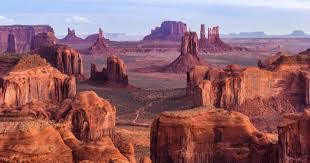 Ako ovplyvňuje bojkot cestovania do USA z Kanady Monument Valley a turizmus Navajov?">

Travel Restrictions and Their Ripple Effects on U.S. Tourism
The year 2025 has brought challenging shifts in U.S. international tourism. New entry requirements, such as extended social media history checks, have triggered significant boycotts from international visitors. Amongst these, Canadian travelers have notably reduced their trips to U.S. destinations, causing notable economic impacts.
One unexpected yet profound consequence is felt far from typical tourist hotspots—within the Navajo Nation, where tourism is a vital lifeline for many families. The tribal lands, particularly the iconic Monument Valley on the Utah-Arizona border, have seen sharp drops in visitor numbers, threatening local livelihoods.
The Crucial Role of Monument Valley for the Navajo Nation
Monument Valley is famed for its striking red rock formations and a quiet road winding through towering sandstone “monuments.” It draws visitors worldwide, with a large majority historically being international tourists—especially Canadians. The Navajo Nation operates many tours within the valley, with guides often local Navajos sharing cultural insights and restricted access paths.
The tourism downturn is deeply felt. Tour guides and businesses report fewer bookings and financial strain, with 2025 visitation down sharply compared to 2024. Many tours offer lower prices in hopes of attracting visitors, but struggles persist.
Tourism Trends in Monument Valley: 2024 vs. 2025
| 2024 | 2025 | |
|---|---|---|
| Estimated Total Visitors | ~525,000 | ~320,000 |
| Estimated International Visitors | ~393,750 | ~236,250 |
| Average Basic Tour Price | $75 | $65 |
| Number of Daily Tours | 2–3 | 0–2 |
Why International Visitors Matter More Than Ever
International tourists, especially Canadians, tend to spend significantly more than domestic visitors, often booking guided tours and purchasing native crafts and services. This direct expenditure is crucial for tribal communities, where median salaries are modest and job availability limited.
With the Canadian travel boycott sharply reducing inbound tourists, many locals face uncertainty. The drop in tourism revenue threatens not just businesses but the preservation of cultural heritage and community wellbeing.
A Brief Look Back: The Evolution of Tourism in Native American Lands
Tourism development within Native American territories has long been intertwined with cultural preservation and economic opportunity. Many tribes have established guided tours, cultural exhibitions, and handicraft sales that appeal to tourists seeking authentic experiences.
Monument Valley has been a symbol of such tourism success, offering both natural wonder and cultural immersion. Local guides have been able to share stories and traditions while providing essential economic support to their communities.
However, these delicate tourism economies can be vulnerable to external shocks—political, economic, or social—that influence visitor flows. Just as the rise of international travel expanded opportunities, new restrictions and boycotts can have outsized negative effects.
Tourism’s Role in Regional Prosperity and Future Concerns
Tourism is a mixed blessing in any destination. While it drives income and promotes cultural exchange, it also demands careful management to protect local heritage and environment. Monument Valley’s situation highlights the fragility of such economies that rely on international visitors.
Forecasting the region’s tourism trends for 2026 and beyond reveals growing concern among stakeholders. Pre-booked trips in 2025 may only be delaying an even steeper decline in the future as international boycotts persist. The absence of these high-spending visitors could keep tourism numbers depressed and strain the local economy further.
Anticipating the 2026 Tourism Outlook
- Continued Canadian boycott with no clear end in sight
- Potential further drop in international visitors
- Greater reliance on domestic tourism unable to fully offset losses
- Economic hardship for Navajo tour operators and businesses
Challenges and Hopes
Though unintended, the travel bans and boycotts impacting U.S. tourism have hit the Navajo Nation hard. The importance of international visitors cannot be overstated—not just for income, but for sustaining cultural tourism that educates and connects global audiences.
Summary and Outlook
International travel restrictions and a united Canadian boycott have led to a significant decrease in visits to U.S. destinations heavily dependent on foreign tourists. Monument Valley’s declining visitation exemplifies how indigenous communities reliant on tourism face unexpected economic and social challenges. The drop in guided tours and tourism revenue threatens the Navajo Nation’s cultural preservation and economic stability.
Looking ahead, the continuation of these trends may deepen the challenges for Scenic Southwest destinations, emphasizing the need for adaptive tourism strategies and alternative markets. While the direct effects are felt by local businesses and native guides, the broader impact touches on cultural heritage and sustainable community development.
For those interested in the vibrant marine resorts and boating activities that contrast these inland challenges, services such as GetBoat.com provide an excellent platform for yacht and sailing boat rentals. Whether exploring coastal marinas or sun-drenched gulfs, GetBoat offers options for every taste and budget, supporting the vibrant yachting culture while showcasing beautiful water destinations worldwide.