


 Slovenčina
  English (UK)
  Русский
  العربية
  日本語
日本語  한국어
한국어  Magyar
  Türkçe
  Español
  Čeština
  Svenska
  Português
  Ελληνικά
  Suomi
Suomi  Nederlands
  Română
  Italiano
  Français
  Polski
  Українська
  Deutsch
  简体中文
简体中文 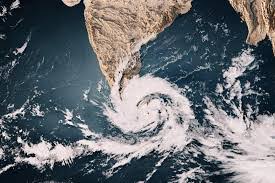 Cyklón Ditwah ohrozuje turistickú sezónu a snahy o obnovu Srí Lanky">

A Devastating Blow to Sri Lanka’s Tourism Sector
Cyclone Ditwah has delivered a harsh setback to Sri Lanka’s tourism industry during its peak season, threatening the livelihoods of many small-scale operators and causing widespread disruption. As a vital foreign exchange earner for the country, tourism is grappling with significant damage to infrastructure, displacement of residents, and loss of lives. Yet, hotels across key areas remain functional, with authorities actively working toward stabilizing conditions and restoring traveler confidence.
Impact on Small Business Operators
The cyclone struck areas including Sri Lanka’s picturesque hill country, known for its lush tea plantations and historic charm, which during November to January customarily see a surge in tourism. Operators like local homestay owners faced the crushing reality of canceled bookings, damaged homes, and uncertain futures. Many were forced into temporary shelters, unable to rebuild or resume normal service in the immediate aftermath.
Tourism Infrastructure and Recovery Status
Despite the extensive damage, including impacts to roads, power, and communication networks, the hospitality sector exhibits resilience. Major hotels and resorts, even in some of the harder-hit regions such as Kandy and Nuwara Eliya, are operational and hosting visitors, albeit with limited access due to infrastructural challenges like blocked roads. Tourist arrivals, which had already surpassed two million by mid-November, present positive signs with low cancellation rates hinting at optimism for a quick rebound.
| Aspect | Status Post-Cyclone Ditwah |
|---|---|
| Hotel operations | Mostly open, 1% cancellation rate |
| Infrastructure damage | Roads, power lines, telecom affected |
| Displaced residents | Thousands relocated to relief centers |
| Tourist arrivals | Over 2 million by mid-November, recovery ongoing |
Government Response and Traveller Support
In the wake of the cyclone, efforts have focused on facilitating stranded tourists by airlifting where necessary, waiving visa overstay penalties, and allowing flexible flight rescheduling. These measures aim to lessen disruption for visitors already present and encourage safe, confident travel from prospective tourists. The tourism industry is also employing digital campaigns to dispel concerns and adjust tour routes to circumvent severely damaged areas.
Tourist Experiences Amid Adversity
Some travelers continue to explore Sri Lanka undeterred, embracing the island’s spirit of adventure. Destinations such as Kandy, with its cultural landmarks including the Temple of the Tooth – a revered Buddhist site – still welcome visitors seeking both spiritual and scenic experiences. Comments from tourists reflect a willingness to engage with the dynamic environment, hoping for improved conditions to enjoy beaches and other attractions.
Historical and Cultural Overview of Sri Lanka’s Tourism
Strategically located in the Indian Ocean near the southern coast of India, Sri Lanka boasts a rich tapestry of history and culture that has long enchanted travelers. From ancient times, the island has served as a key maritime hub, famed for spices, precious stones, and a blend of diverse cultural influences. The 12th-century explorer Marco Polo famously lauded it as “the finest island in the entire world.”
The island’s tourism derives strength not only from its natural beauty but also from a unique blend of cultural heritage: eight UNESCO World Heritage Sites spanning ancient ruins to colonial architecture, exotic wildlife including elephants and leopards, and varied landscapes ranging from tropical beaches to mountainous highlands. Traditional practices such as Ayurveda and meditation complement a year-round calendar of vibrant cultural and religious festivals.
Tourism Evolution and Industry Significance
For decades, Sri Lanka’s tourism industry faced stagnation largely due to internal strife, but since the end of the conflict in 2009, the sector has seen significant recovery. Visitor numbers have exceeded one million within a few years post-conflict, with ambitious government projections targeting continued growth. By developing ‘beach plus’ tourism products that fuse seaside relaxation with rich cultural and natural experiences, Sri Lanka has diversified its appeal well beyond the sun and sand formula of earlier decades.
| Key Tourism Highlights of Sri Lanka | Description |
|---|---|
| Beaches | 1,340 km of sandy shoreline with developed resorts mainly on the south and west coasts |
| Cultural Triangle | Historic cities such as Kandy, Anuradhapura, and Polonnaruwa with temples and palaces |
| Wildlife | National parks and conservation centers showcasing elephants, leopards, and marine life |
| Scenic Highlands | Central highlands featuring tea plantations, waterfalls, and cooler climate |
Looking Ahead: The Role of Tourism in Sri Lanka’s Economic and Cultural Revival
The tourism industry, contributing significantly to Sri Lanka’s GDP, is a catalyst for jobs and foreign exchange earnings. Despite challenges posed by natural disasters like Cyclone Ditwah, the sector is poised to bounce back owing to strong community resilience, government support, and international traveler interest. The focus on safeguarding cultural treasures and natural beauty while expanding infrastructure is key to sustainable growth moving forward.
As Sri Lanka rebuilds, the importance of small tourism businesses and homestays remains evident, underscoring a need for support at grass-roots levels. The integration of tourism with local communities enriches visitor experience and empowers economic development.
Implications for Sailing and Boating Tourism
Given Sri Lanka’s extensive coastline and strategic location along maritime routes, its recovery is particularly relevant for sailing and boating enthusiasts. The maintenance and restoration of marinas, beachfront resorts, and coastal infrastructure will influence future yachting activities and charter opportunities. Clear waters and varied coastal geography present appealing prospects for fishing, water sports, and superyacht arrivals, emphasizing a vibrant future for marine-based tourism.
Summary and Conclusion
Cyclone Ditwah has undeniably challenged Sri Lanka’s key tourism season, impacting lives, properties, and visitor experiences. Yet, with hotels largely operational and proactive measures underway to assist tourists, the country demonstrates a strong commitment to recovery. Sri Lanka’s rich heritage, scenic landscapes, and cultural attractions continue to draw international visitors, supported by diversified tourism offerings beyond traditional beach holidays.
The island’s historical progression from a major colonial port to a modern, culturally rich destination highlights its tourism resilience. Looking forward, the sector’s revival is crucial to economic stability and community livelihoods, with ongoing initiatives to restore infrastructure and promote safe travel promising a bright future.
For those considering exploring Sri Lanka’s enchanting waters, engaging in boating, sailing, or yacht charters will be increasingly accessible as coastal areas recover. Whether cruising along the southern coasts, enjoying clear waters for fishing, or anchoring in bustling marinas, Sri Lanka remains a compelling destination for marine tourism enthusiasts.
To explore the latest options for yacht, boat, and sailing rentals perfect for discovering Sri Lanka and its stunning coastline, GetBoat.com offers a comprehensive international marketplace tailored to every preference and budget.