


 Slovenčina
  English (UK)
  Русский
  العربية
  日本語
日本語  한국어
한국어  Magyar
  Türkçe
  Español
  Čeština
  Svenska
  Português
  Ελληνικά
  Suomi
Suomi  Nederlands
  Română
  Italiano
  Français
  Polski
  Українська
  Deutsch
  简体中文
简体中文 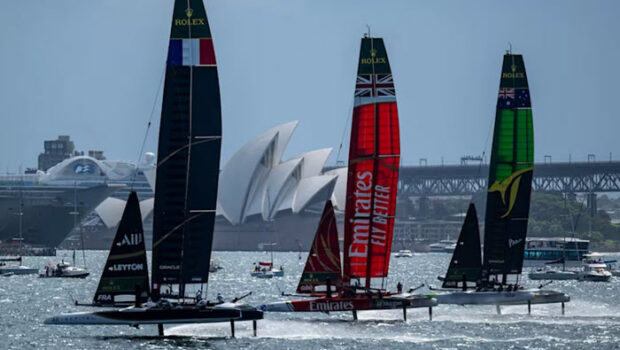 Sydney SailGP Preview: Key Racing Dynamics">

Sydney Harbour will host the third event of SailGP Season 6 on Feb 28–Mar 1, with on-water action scheduled each day from 17:30 to 19:00 AEDT and 11 teams racing after France and New Zealand are absent; fleet movements and tidal windows will be critical in the harbour’s narrow channels.
Race timing and harbour logistics
The fixed evening start means teams will face a daily transition from sea breeze to land-influenced gusts. Practically, that alters sail selection and foil trim: expect crews to swap between the 24m a 27.5m wing settings more than usual as winds shift with the dusk thermal pattern. From a charter or spectator-boat perspective, booking moorings closer to the Opera House gives shorter transit times but requires careful planning for ebb currents and spectator exclusion zones.
Twilight racing — tactical and technical implications
Twilight starts create two immediate consequences. First, visibility and glare mean crews will rely more on pre-race positioning than reactive moves; second, spectators and charter operators need to plan for evening returns when ferry and harbour traffic increases. If you’ve rented a dayboat in Sydney before, you know how quickly the harbor fills up—this will be one of those “get in early” situations.
Practical tips for boat renters and charter captains
- Secure berthing early; marinas near Circular Quay will book fast.
- Plan fuel and provisioning to avoid long waits after the races.
- Assign a dedicated lookout for race-start sequences—F50s accelerate fast and require clear passing lanes.
- Consider evening lighting for safety if returning after sunset.
Teams to watch and how absences reshuffle the pecking order
With France a New Zealand sidelined, momentum shifts give room for other squads to gain championship points. Home team Australia leads the standings and historically performs strongly on its own waters, while Great Britain has been a spoiler in previous Sydney events. Newcomer Artemis SailGP under Nathan Outteridge has shown consistent speed and could be a dark horse in these conditions.
| Current Top Teams (after 2 events) | Key Form |
|---|---|
| Australia (Tom Slingsby) | Win in Auckland, podium in Perth — strong local knowledge |
| Great Britain (Dylan Fletcher) | Consistent finishes, capable of upsetting favourites |
| Artemis (Nathan Outteridge) | Impressive early-season pace for a new team |
| United States (Taylor Canfield) | Mid-table but improving race-to-race |
Format and what it means for race strategy
The event keeps the familiar SailGP structure: up to seven qualifying fleet races each day (~15 minutes each), with the top three advancing to a final. That compresses risk: a single mistake in qual can wipe out an event, so expect tight starts and agressive foiling. For boat renters wanting to watch, that means the fleet will be concentrated in predictable lanes — great for photography but plan your position early.
Equipment, configuration and on-water spectacle
All teams sail identical F50 catamarans with the same set of wingsail options (18m, 24m, 27.5m, 29m) and two T-foil choices. Race directors set a configuration based on forecast, but Sydney’s microclimates often force in-race adjustments. From a rental standpoint, this spectacle drives charter demand: superyacht berths and spectator-charter slots often fill for marquee starts, so if you’re running a skippered charter, expect a surge of requests.
Why the harbour suits high-speed matchups
Sydney’s tight channels and wind funnels between cliffs and skyscrapers create gusty shifts that reward nimble foil trimming and split-second tactical calls. The backdrop—the Harbour Bridge and Opera House—makes it a photographer’s dream and a charter operator’s busiest weekend. Put simply: the place turns into a high-speed chessboard on water.
Season stakes and prize structure
Season 6 carries a total prize pool of USD $12.8 million, with each event winner pocketing $400,000 and a $2 million payout for the Championship Final winner. That money puts pressure on owners and crews to prioritize consistency over all-out risk in qualifying, and it affects logistics—teams bring more spares and shore support to events with financial consequences.
Event schedule snapshot
| Upcoming Events | Dates |
|---|---|
| Perth | Jan 17–18 |
| Auckland | Feb 14–15 |
| Sydney | Feb 28–Mar 1 |
| Rio de Janeiro | Apr 11–12 |
Wrapping up: Sydney promises fast, tactical racing under the glow of twilight, where wind funnels, tidal timing and quick configuration choices will decide who tops the podium. For charters, captains, and sailors, it pays to plan berthing, timing and spectator positions in advance—after all, you don’t want to be left high and dry when the F50s blast by.
Zhrnutie: The Sydney stop on the SailGP calendar turns on tight logistics: evening starts (17:30–19:00 AEDT), 11 teams, and harbour-induced wind shifts that favor local knowledge and quick foil work. With France and New Zealand absent, Australia, Great Britain and Artemis look especially strong. Charter operators should expect high demand for marinas and spectator slots; safety and lighting plans for evening returns are essential. Prize stakes and identical F50 configurations keep the racing intense and close. In short, this event matters for yacht and boat charter planning, spectator activities, and marina operations—key considerations for anyone involved in sailing, yachting, rent, captain services, superyacht berthing, marinas, fishing boats, lake or sea outings under sun and ocean skies.