


 Slovenčina
  English (UK)
  Русский
  العربية
  日本語
日本語  한국어
한국어  Magyar
  Türkçe
  Español
  Čeština
  Svenska
  Português
  Ελληνικά
  Suomi
Suomi  Nederlands
  Română
  Italiano
  Français
  Polski
  Українська
  Deutsch
  简体中文
简体中文 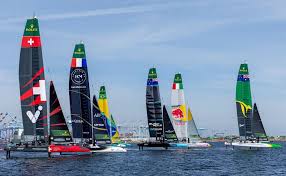 Australia Clinches Victory After Dramatic F50 Collision">

Harbour logistics and emergency response after the F50 collision
Maritime authorities imposed a temporary exclusion zone across a 1.2 nm sector of Auckland Harbour following the high-speed F50 collision, with harbour pilots coordinating towage and salvage lanes to clear the racing corridor. Two injured athletes were evacuated by ambulance after landing at the viaduct quay; the damaged F50s were towed to a nearby marina basin for triage and initial repairs before being trucked to a specialist boatyard. Race organizers activated contingency logistics — spare foil sets, replacement shrouds and a rapid parts pipeline — to support fleet readiness for the remainder of the SailGP weekend.
What happened on the racecourse
During the third race down the first leg, two foiling F50s made contact at speed: the French and New Zealand (Black Foils) boats sustained major structural damage. Shore teams and race control described the incident as catastrophic for both boats, necessitating immediate withdrawal from competition. The Kiwi team were already operating on constrained timelines after a previous collision with the Swiss boat in Perth, making the damage particularly disruptive to their logistics and repair schedule.
Immediate operational impacts
- Medical response: Two athletes transported to hospital for assessment; team medics liaised with race medical leads.
- Salvage and towage: Rapid tow of both F50s to a secure marina; temporary berthing allocated for assessment.
- Parts supply chain: Rapid demand for foils, crossbeams and control hardware triggered express shipments from manufacturer stock.
- Race format adjustments: Day 2 moved to a split-fleet format to preserve schedule while allowing technical recovery time.
Race results and championship implications
Despite the disruption, the fleet completed the programmed races over the weekend. The Australian team secured victory in Auckland, edging out Emirates Great Britain and Spain across the final races as wet and gusty conditions — gusts up to 35 km/h — tested crews and equipment. The Australian win elevated them to parity with Emirates GBR on the overall SailGP standings, both teams sitting on 19 points going forward in the 2026 season.
Saturday highlights
The Bonds Flying Roos took the opening fleet race on Saturday, while Emirates Great Britain experienced a mixed opening day. Driver Dylan Fletcher remarked on the shifty nature of the racecourse, likening conditions to “Mario Kart out there,” after a poor first race and a stronger recovery later in the day.
Operational lessons for teams and event planners
The Auckland weekend exposed several supply-chain and operational pressure points common to high-performance foiling regattas. Rapid-turn repairs, spare-part logistics, and secure transport corridors are essential when a multiteam event shares a constrained harbour. Teams that maintain local logistical hubs and contractual ties with nearby marinas can shorten repair lead times and minimize lost competition days.
Checklist for future SailGP logistics
- Preposition spares and consumables at local marinas.
- Confirm towage and heavy-lift contractors in advance.
- Establish medical landing zones and rapid transfer routes.
- Negotiate priority berthing for damaged craft.
- Maintain clear documentation for customs and cross-border parts transport.
How the weekend ripples into boating and rentals
Events like the ITM New Zealand Sail Grand Prix tend to spike local demand for charters, spectator boat hire and marina services. When an exclusion zone is active, charter operators must re-route itineraries and advise clients, but the spectacle also brings people to marinas and increases bookings for day sails and private boat rentals. For GetBoat.com users, a SailGP weekend often translates to more inquiries about yachts, powerboats, and crewed charters driven by fans who want a close-up view from the water.
| Položka | Outcome |
|---|---|
| Crash parties | French boat, New Zealand (Black Foils) — major damage |
| Medical | Two athletes hospitalised, stable |
| Race format | Day 2 split-fleet; Australian overall victory |
| Standings | Australia and Emirates GBR tied on 19 points |
Paddock talk and fan reactions
Fans packed the waterfront and watched from marinas and beaches as teams reconfigured rigs between races. Shore-side mechanics worked late into the night, and it felt — for those on site — like watching a pit lane on water. Anecdotally, several local charter captains reported last-minute enquiries for spectator passes; as they say, when it rains it pours, and in this case the rain just added to the drama.
In summary, the Auckland SailGP weekend combined edge-of-your-seat racing with a blunt reminder about the logistical demands of foiling regattas: quick medical evacuation, fast towage, and a tight spare-parts chain make the difference between an event that grinds to a halt and one that soldiered on. Australia’s win, the tied standings with Emirates Great Britain, and the high-profile crash between the French and Kiwi boats will reverberate through team operations, marina bookings and charter demand. For yacht and boat owners, captains and charter operators, the lessons are clear: shore support, rapid repairs and flexible scheduling are essential to keep racing, rentals and yachting activities afloat in the face of high-speed incidents on the sea, ocean and gulf. Whether you’re into superyacht charters, day rentals on the lake or fishing and boating off Clearwater marinas, this weekend shows how sailing events shape Destinations, captain readiness, and rental activity across beach, water and marinas.