


 Slovenčina
  English (UK)
  Русский
  العربية
  日本語
日本語  한국어
한국어  Magyar
  Türkçe
  Español
  Čeština
  Svenska
  Português
  Ελληνικά
  Suomi
Suomi  Nederlands
  Română
  Italiano
  Français
  Polski
  Українська
  Deutsch
  简体中文
简体中文 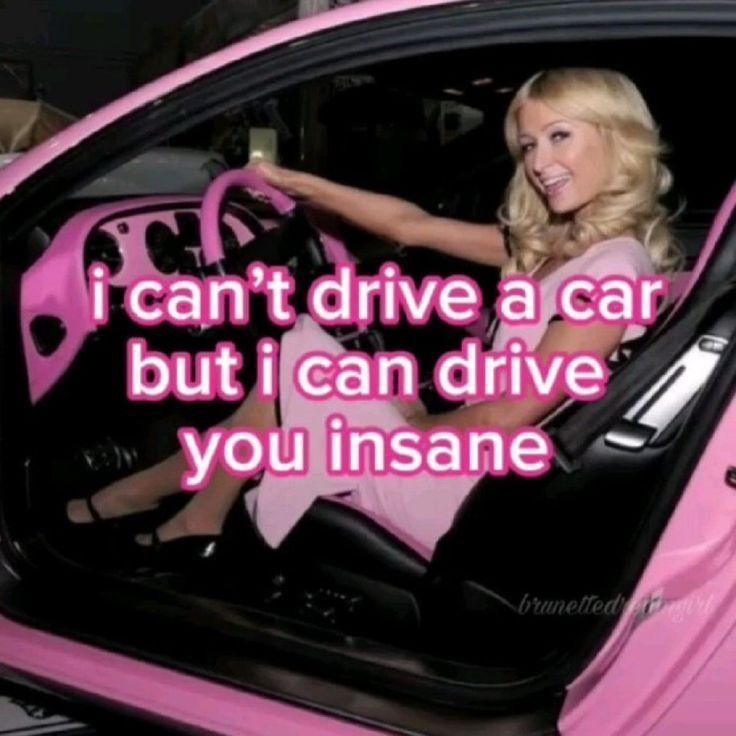 How the “I’m Just a Girl” Trend Shapes Digital Feminine Identity">

The Rise of “I’m Just a Girl” in Digital Culture
The phrase “I’m just a girl,” originally a satirical nod linked to No Doubt’s 1995 hit, has morphed through the years into a complex digital emblem among women on social media platforms like TikTok. What began as an ironic feminist commentary exposing societal stereotypes has gradually shifted into a broader online pattern, blending humor with a stylized performance of weaknesses traditionally associated with femininity.
From Satire to Social Trend
Initially, the phrase served to challenge the diminished roles and simplistic portrayals of women—those “pretty and petite” stereotypes highlighted in Gwen Stefani’s lyrics. It called attention to the limitations imposed on women’s identities and capabilities, often under patriarchal scrutiny. However, over time, this sharp satire gave way to digital micro-trends where young women embraced and performed exaggerated femininity accompanied by self-deprecating humor.
Hyper-Femininity and Online Performances
New trends such as ‘girl dinner,’ ‘girl math,’ and ‘delulu girls’ emerged as online phenomena that playfully depict women’s everyday lives and choices in quirky, sometimes nonsensical ways. Yet, beneath this lightheartedness lies a concern: these digital routines can reinforce narrow gender roles and the dangerous message that femininity equates to incompetence or dependency, all while draped in glittery pink aesthetics and ironic detachment.
| Trend | Description | Potenciálny dopad |
|---|---|---|
| “I’m Just a Girl” | Slogan used to parody gender stereotypes with irony. | Risks reinforcing stereotypes of weakness and naivety. |
| Girl Dinner | Humorous take on minimalistic or indulgent meals often associated with women. | Can trivialize women’s habits and promote unfounded stereotypes. |
| Girl Math | Playful justification of spending habits in a gendered context. | May promote oversimplified views of women’s financial savvy. |
| Delulu Girls | Refers to those in denial or fantasizing excessively. | Encourages self-dismissal and infantilization of women’s perspectives. |
The Cultural and Social Roots of the Phenomenon
This digital performance of femininity draws from a long historical trajectory wherein women’s social roles were often confined to narrow stereotypes — from the nurturing caregiver to the naïve, elusive girl. These roles have been repeatedly challenged by waves of feminist movements that sought to broaden women’s identities beyond these limiting frameworks.
Historical Perspective on Gender Roles
Historically, women’s roles have often been simplified to caregiving and domestic tasks, scarcely allowing room for complex individual identities that include competence, independence, and leadership. Language and cultural expressions have played a significant part in shaping, challenging, or reinforcing these roles. The phrase “I’m just a girl” encapsulates this tension, as it operates as both a critique and a reinforcement of traditional gender assumptions.
The Influence of Social Media and Digital Spaces
As social media platforms have grown more dominant in everyday life, they have become powerful arenas where gender identities are performed, negotiated, and sometimes weaponized. The ironic tone of “I’m just a girl” on TikTok and similar platforms often blurs lines between empowerment and resignation. By repeatedly embracing a form of ‘weaponized incompetence,’ some young women may inadvertently uphold the very gendered hierarchies that feminist efforts have tried to dismantle.
Implications for Broader Cultural Narratives
This trend underlines a broader cultural phenomenon where digital communities form gendered narratives that might seem harmless but carry the potential to entrench stereotypes subconsciously. While humor and cultural expression are vital parts of online interaction, the persistence of these simplified identity performances can influence real-world social dynamics, including relationships, workplace gender roles, and even personal self-perception.
Weaponized Incompetence: A Modern Challenge
In practice, this digital self-erasure can manifest as avoiding tasks stereotypically coded as masculine, such as changing a tire or assembling furniture, under the guise of playful irony. This not only confirms outdated gender roles to observers but may also undermine progress made towards equality by suggesting women are incapable or uninterested in certain duties.
Language, Identity, and Social Conditioning
Language shapes thought and social conditioning, and repeated phrases like “I’m just a girl” can oversimplify identity to the point of invisibility of women’s complexity. This reduces the nuanced expression of identity to caricature, potentially affecting how women view themselves down the line and how society perceives their capabilities and roles.
Looking Ahead: The Role of Digital Culture in Shaping Feminine Identities
As digital platforms continue to influence global cultural trends, the interaction between language, humor, and identity becomes increasingly significant. It is crucial for creators, influencers, and consumers alike to remain critical of how these digital narratives evolve and to seek ways that empower rather than confine.
Potential Directions for Future Trends
- Encourage authentic and empowering narratives that highlight women’s strengths and diversity.
- Promote awareness around the effects of repetitive stereotypes disguised as humor.
- Foster digital spaces where complex identities can flourish beyond reductive labels.
The Tourism and Lifestyle Connection
While this discussion may seem removed from sailing or boat rentals on first glance, the influence of digital identity trends extends even to lifestyle choices and leisure activities. Women’s roles and self-perception can influence participation in various recreational experiences, including boating. Inclusive, empowering narratives may inspire greater female engagement with activities like yacht chartering, sailing adventures, or marine sports, fostering a more diverse and dynamic community in popular water-based destinations.
Summary Table: Impacts of the “I’m Just a Girl” Trend
| Aspect | Účinok |
|---|---|
| Identity Simplification | Reduces complex feminine identity to stereotypes. |
| Social Media Influence | Amplifies both empowerment and self-erasure through ironic humor. |
| Real-World Behavior | Might perpetuate traditional gender roles and ‘weaponized incompetence.’ |
| Future Opportunities | Calls for positive, empowering storytelling in digital culture. |
In conclusion, the evolution of “I’m just a girl” from a satirical feminist anthem to a complex digital performance highlights the challenges and contradictions faced by young women in the digital age. Recognizing the nuance of this trend is essential for fostering more empowering spaces where individuality thrives.
As marine destinations continue to attract a diverse range of visitors, including those inspired by shifting cultural narratives, platforms focused on sailing and boating provide unique opportunities for exploration and empowerment. The sea offers a wide canvas for new adventures and experiences that transcend traditional roles, making it a vibrant arena for gender and identity to play out authentically.
For those interested in embracing these new horizons, the international marketplace GetBoat.com is an excellent resource for renting sailing boats and yachts, providing options that cater to every taste and budget. From serene lakes to open oceans, yachting invites participants to explore destinations and activities that celebrate freedom, skill, and independence on the water.