


 Slovenčina
  English (UK)
  Русский
  العربية
  日本語
日本語  한국어
한국어  Magyar
  Türkçe
  Español
  Čeština
  Svenska
  Português
  Ελληνικά
  Suomi
Suomi  Nederlands
  Română
  Italiano
  Français
  Polski
  Українська
  Deutsch
  简体中文
简体中文 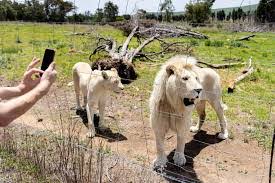 Four Paws podporuje zodpovednú turistiku divokých zvierat pre dovolenkujúcich v Južnej Afrike">

Podpora zodpovedných interakcií s divou zverou počas tohto sviatočného obdobia
S blížiacim sa sviatočným obdobím sa pozornosť zameriava na podporu zodpovedného cestovania, najmä pokiaľ ide o stretnutia s divokou zverou počas dovoleniek. Medzinárodná organizácia na ochranu zvierat Štyri labky zdôrazňuje dôležitosť etických postupov v cestovnom ruchu a nalieha na cestovateľov v Južnej Afrike, aby prehodnotili bežné aktivity spojené s divokou prírodou, ktoré sa môžu zdať zábavné, ale spôsobujú zvieratám trvalé škody.
Populárne atrakcie ako robenie si selfie s mláďatami levov alebo jazda na slonoch sú často podporované vykorisťovateľským priemyslom, ktorý vystavuje zvieratá fyzickému a psychickému utrpeniu. Skutočné rezervácie, ktoré uprednostňujú blaho zvierat, zvyčajne umožňujú pozorovanie z úctivej vzdialenosti, pričom sa vyhýbajú priamemu kontaktu, ktorý môže zvieratá stresovať.
Realita, ktorá sa skrýva za atrakciami spojenými s turizmom a divokou prírodou
Mnohé levíčatá používané na maznanie a fotografovanie sú odlúčené od svojich matiek, čo vedie k celoživotnej traume. Ako tieto mláďatá dozrievajú, často čelia pochmúrnej budúcnosti, ako je napríklad trofejový lov. Slony trénované na jazdu znášajú kruté metódy, ktoré môžu zlomiť ich ducha. Dokonca aj domáce zvieratá, ako sú kone a osly, ktoré sú často poverené prepravou turistov v drsných poveternostných podmienkach, trpia nedostatočnou starostlivosťou a depriváciou základných potrieb vrátane jedla a vody.
Desať základných tipov na ochranu zvierat počas cestovania
S cieľom podporiť súcitné cestovanie organizácia ŠTVOR NOHY načrtla kľúčové usmernenia pre turistov na ochranu divokej prírody a podporu etických turistických postupov.
| Tip | Explanation |
|---|---|
| Užite si zvieratá vo voľnej prírode | Pozorujte divokú prírodu v jej prirodzenom prostredí a vyhýbajte sa podpore aktivitám spojeným s trofejovým lovom. |
| Pozeraj, ale nesiahaj | Vyvarujte sa fyzického kontaktu s divými zvieratami, aby ste predišli ich poškodeniu. |
| Zákaz kŕmenia | Nekŕmte divokú zver, pretože to narúša jej prirodzené hľadanie potravy a môže spôsobiť zdravotné riziká. |
| Vyhnite sa zvieracím selfie | Fotenia s zvieratami často podnecujú krutosť v zákulisí, preto odmietnite platiť za tieto zážitky. |
| Navštívte len skutočné útočiská | Vyberajte si miesta, ktoré uprednostňujú životné podmienky zvierat pred komerčnou zábavou. |
| Povedz nie jazde na zvieratách | Jazda na zvieratách často zahŕňa neetický výcvik a zlé životné podmienky. |
| Vyhnite sa zvieracím predstaveniam | Vyhýbajte sa cirkusom a morským parkom, ktoré často vykorisťujú zvieratá na predstavenia. |
| Vyhýbajte sa suvenírom na báze zvierat | Nekupujte predmety vyrobené zo slonoviny alebo exotickej kože, pretože podporujú pytliactvo. |
| Vyhýbajte sa exotickým jedlám | Nekonzumujte ohrozené alebo netradičné živočíšne druhy, ktoré sú obeťami krutosti. |
| Dodržiavajte bezpečné odstupy | Z dôvodu vašej bezpečnosti a pohody zvierat dodržiavajte bezpečnú vzdialenosť. |
Stručná história zodpovedného turizmu v Južnej Afrike
Južná Afrika je celosvetovo uznávaná ako popredná krajina v podpore responsible tourism. Od polovice 90. rokov 20. storočia, so Zelenou knihou vlády o cestovnom ruchu, boli podniknuté kroky na definovanie usmernení a povinností zainteresovaných strán cestovného ruchu, aby fungovali udržateľne a eticky. Tieto snahy vyvrcholili vypracovaním Usmernení a príručky pre zodpovedný cestovný ruch na začiatku roku 2000, čo zdôrazňuje záväzok k trvalo udržateľným postupom v cestovnom ruchu.
Priekopnícke zavedenie certifikácie Fair Trade in Tourism v roku 2002 znamenalo významný pokrok, ktorý povzbudil podniky k tomu, aby fungovali spôsobom, ktorý vyvažuje hospodársky rozvoj so sociálnou a environmentálnou zodpovednosťou. Program odvtedy rozšíril svoj vplyv za hranice Južnej Afriky a inšpiroval regionálne štandardy a certifikačné snahy.
V roku 2011 zaviedlo Národné ministerstvo cestovného ruchu Južnej Afriky Národný minimálny štandard pre zodpovedný cestovný ruch, ktorý stanovuje kritériá zamerané na udržateľné prevádzky a zodpovedné riadenie. Napriek pokroku pretrvávajú výzvy, najmä pokiaľ ide o zodpovednosť medzi rôznymi aktérmi v sektore cestovného ruchu, kde ekonomické záujmy niekedy zatieňujú etické hľadiská.
Výzvy a príležitosti pri podpore zodpovedného cestovania
Turistický priemysel často zápasí s vyvážením rastu a udržateľnosti. Zatiaľ čo podniky sa usilujú o ekonomický úspech a zviditeľnenie prostredníctvom organizovania rozsiahlych podujatí, transparentnosť a skutočný záväzok k udržateľným postupom sú rozhodujúce, aby sa predišlo kritikám ako greenwashing. Samotní turisti môžu zistiť, že povinnosti sú v konflikte s ich túžbou po relaxe, no rastúce povedomie o udržateľnosti podporuje ohľaduplnejšie správanie počas dovoleniek.
Budúcnosť divokej prírody a etickej turistiky v globálnych destináciách
Turistika zameraná na divokú prírodu naďalej uchvacuje cestovateľov na celom svete a ponúka jedinečné zážitky spájajúce ľudí s prírodou. Avšak tento rastúci záujem so sebou prináša zodpovednosť. Etická turistika zameraná na divokú prírodu zdôrazňuje nekonzumné interakcie— pozorovanie zvierat v ich prirodzenom prostredí bez narušenia ich ekosystémov alebo pohody.
Globálne hrá turistika divokej prírody komplexnú úlohu, pričom niekedy generuje zásadné príjmy, ktoré podporujú ochranu prírody a miestne ekonomiky, no zároveň riskuje negatívne dopady, ako je narušenie biotopov a stres zvierat, ak nie je riadená zodpovedne. Dosiahnutie udržateľných postupov si vyžaduje spoluprácu medzi turistami, miestnymi komunitami, vládami a ochrancami prírody.
Medzi rozvíjajúce sa globálne prístupy patrí vývoj etických kódexov, certifikačných programov a zvýšený výskum sociálnych a environmentálnych vplyvov turistických aktivít zahŕňajúcich zvieratá. Tieto snahy sa usilujú pozdvihnúť turizmus na silu, ktorá prináša úžitok nielen ľuďom, ale aj divokej prírode a jej biotopom, čím udržiava ekosystémy pre budúce generácie.
Ako zodpovedný turizmus ovplyvňuje svet plavby na lodiach a jachtách
V oblastiach, kde sa plavba loďou a plachtenie prelínajú s prírodným turizmom, prijatie zodpovednosti presahuje pevninu až na vodu. Rešpektovanie biotopov morských živočíchov, vyhýbanie sa neprirodzeným interakciám a podpora ekologických prístavov a plavidiel je čoraz dôležitejšie. Pre nadšencov prenajímania jácht alebo požičiavania plachetníc, povedomie o životných podmienkach zvierat v pobrežných a morských oblastiach podporuje zdravý zážitok z cestovania, ktorý rešpektuje všetky formy života.
Summary of Key Points
- Turisti by mali uprednostňovať pozorovanie divokej zveri z diaľky, vyhýbajúc sa fyzickým interakciám, ako je hladkanie alebo jazda na zvieratách.
- Skutočné útočiská sa zaväzujú k životným podmienkam zvierat, nie k zábave poháňanej ziskom.
- Zodpovedný cestovný ruch má v Južnej Afrike hlbokú históriu a zahŕňa spoluprácu viacerých zainteresovaných strán na udržanie udržateľnosti.
- Turistika zameraná na divokú prírodu si vyžaduje rovnováhu medzi prínosmi pre ochranu prírody a rizikami pre životné podmienky zvierat.
- Etické princípy cestovania ovplyvňujú aj sektor námornej turistiky a plachtenia, pričom podporujú environmentálne uvedomelé postupy plavby.
Pre cestovateľov plánujúcich dovolenky okolo Južnej Afriky a podobných destinácií, kde oceány a pobrežné ekosystémy prosperujú spolu s bohatou divokou zverou, je prístup uvedený spoločnosťou FOUR PAWS sprievodcom ako k etickej pevninskej, tak k morskej angažovanosti. Keďže návštevníci hľadajú nezabudnuteľné zážitky na slnečných jachtách alebo si požičiavajú plachetnice, aby preskúmali krištáľovo čisté vody a blízke pláže, je nevyhnutné integrovať rešpekt k divokej zveri s vášňou pre dobrodružstvo.
Aby ste objavili najlepšie možnosti pre prenájom jachty, lodí a plachetníc, ktoré sú v súlade so zásadami zodpovednej turistiky v nádherných pobrežných destináciách, zvážte prehliadanie medzinárodného trhu dostupného na GetBoat.com. Táto služba uspokojuje rôzne chute a rozpočty, pomáha cestovateľom užívať si nezabudnuteľné zážitky s úctou k prírode a ochrane voľne žijúcich živočíchov.