


 Slovenčina
  English (UK)
  Русский
  العربية
  日本語
日本語  한국어
한국어  Magyar
  Türkçe
  Español
  Čeština
  Svenska
  Português
  Ελληνικά
  Suomi
Suomi  Nederlands
  Română
  Italiano
  Français
  Polski
  Українська
  Deutsch
  简体中文
简体中文 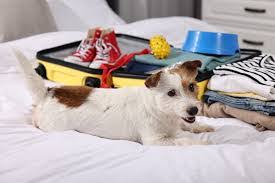 Ako ekonomika odtlačkov labiek transformuje cestovanie priateľské k zvieratám">

The Emerging Pawprint Economy in Travel
The growing trend of traveling with pets, known as the pawprint economy, is creating exciting new opportunities within the tourism industry. From luxury pet pampering packages in hotels to specialized pet-friendly travel services, this sector is expanding rapidly worldwide.
Globally, the pet industry is anticipated to reach a staggering US$500 billion by 2030, with pet travel services alone expected to hit nearly US$6 billion by 2034. Countries like the UK, where approximately 60% of households have pets including about 13.5 million dogs, represent substantial markets for pet-centric tourism.
What Is Driving This Demand?
People travel with their pets for various reasons such as leisure, business, relocation, and even specialized medical care. Leisure travel dominates this trend, with dogs being the most common companions. Traveling with pets offers several benefits including enhanced bonds between pets and owners, shared experiences, and opportunities for both to build confidence and skills.
However, despite the surge in demand, a mismatch remains between the services offered by the travel industry and the practical needs of pet travelers. Many providers focus on superficial luxuries like “pawsecco” and spas, while pet owners prioritize more practical considerations.
Pet Travel: More Than Just a Trend
Historically, humans and dogs have been companions for millennia, traveling together. What makes today’s growth truly distinctive is that pets are increasingly regarded as family members. Statistics show that 40% of people consider their dog as a child and nearly half say their pet is their best friend. The bond is deeply emotional, transforming the way pet owners approach travel.
During recent years, especially after global lockdowns, pet ownership surged dramatically. Nearly half of the current pet parents are first-timers, adding fresh dynamics to the travel market. Pet-friendly venues such as cafes, outdoor festivals, and even sporting activities like paddleboarding have embraced this new reality.
Challenges in the Pet Travel Industry
Though enthusiasm for traveling with pets remains high—even against economic pressures—there is an evident trust gap. Many accommodations advertise as pet friendly but come with hidden restrictions, unexpected fees, or minimal actual hospitality for pets. This one-size-fits-all approach often fails to meet the varied needs of different types of pets and their owners.
Research identifies three broad groups of dog travelers:
- Basic Travelers: Looking for convenience and simplicity.
- Premium Seekers: Willing to pay for luxury experiences.
- Activity Lovers: Prioritizing outdoor, adventurous activities with their pets.
This segmentation highlights the need for tailored offerings rather than generic services that don’t delight any customer segment.
Practical Needs Over Pampering
Surveys reveal six essential attributes that pet travelers prioritize:
| Key Attributes | Description |
|---|---|
| Service Design | Pet-friendly room placement and shared dining options. |
| Activity Support | Walking guides, pet waste bins, and activity suggestions. |
| Bezpečnosť | Secure environments suitable for animals. |
| Pet-savvy Staff | Employees trained to understand and assist with pets. |
| Transparent Policies | Clear, fair fees and rules about pets. |
| Amenities | Extras like toys or grooming are appreciated but less critical. |
While amenities like pet spas and treats get marketing attention, travelers actually value practical support and genuine pet-centric hospitality the most. Moreover, the presence of green spaces stands out as a major factor influencing travel decisions, benefiting both human and animal wellbeing.
Domestic Trends and International Hurdles
The majority of pet travel remains domestic, with coastal regions and rural areas being preferred destinations due to their natural outdoor appeal. UK travelers, for instance, take on average two domestic holidays yearly with their pets, emphasizing proximity and accessibility.
Conversely, overseas pet travel faces many barriers, such as complex regulations, costly documentation, and airline restrictions that make flying with pets a daunting prospect. For example, many airlines require pets to fly as cargo, which causes anxiety for owners. Political changes have complicated pet travel further, though new agreements may ease these restrictions in the future.
A Brief Historical Context of Pet Travel
The bond between humans and animals, particularly dogs, has long influenced social and cultural practices, including travel. Ancient and traditional societies often integrated animals in their journeys, whether for companionship, work, or migration.
In modern times, pets moved from being work animals or guards to cherished family members, increasing their involvement in social activities such as leisure travel. The concept of pet-friendly accommodations emerged gradually, initially with basic allowances, evolving to today’s broader expectations for pet-focused services, reflecting shifting societal values.
This transition also aligns with wider trends in tourism where increasing personalization, sustainable practices, and niche interests shape offerings and consumer expectations. Pet travel is a sector demonstrating how emotional connections influence tourism demand and innovation.
Looking Ahead: The Future of the Pawprint Economy
As pet ownership rises and societal attitudes change, the pawprint economy is poised for expansive growth. Tourism providers who genuinely address the practical and emotional needs of pet travelers stand to gain loyal customers and repeat business.
Future developments likely include:
- More tailored travel packages based on pet type and traveler profile.
- Enhanced transparency in pricing and policies to build trust.
- Greater integration of outdoor and activity-focused experiences supporting pet wellbeing.
- Adoption of eco-friendly and sustainable practices appealing to conscientious travelers.
The shift toward pet-inclusive travel also offers environmental benefits by encouraging local, domestic travel to greener destinations rather than distant international trips, thus reducing carbon footprints.
Conclusion: Navigating the Expanding Pawprint Economy
The booming pawprint economy is reshaping travel and tourism by placing pets at the heart of the journey. While luxury add-ons capture headlines, successful engagement relies heavily on focusing on practical needs, trust, and authentic pet-friendly environments. Domestic travel with pets remains the dominant trend, especially in regions rich with natural landscapes that cater to active lifestyles and outdoor activities.
For regions with established marine resorts, sailing adventures, and coastal charms, the rise of the pawprint economy opens new avenues for boat charters and yacht rentals incorporating pet- and family-friendly experiences by the sea. As pet owners seek memorable adventures on lakes, gulfs, and oceans, chartering a vessel with a knowledgeable captain and pet-friendly amenities can enhance travel enjoyment for both human and animal companions.
GetBoat (GetBoat.com) recognizes these evolving travel lifestyle preferences and offers a diverse international marketplace where sailing yachts, motorboats, and superyachts can be rented to suit every taste and budget. For travelers eager to explore beachside destinations or peaceful waterways with their pets, this platform provides an ideal route to seamless and unforgettable boating vacations filled with sunshine and fresh sea air.