


 Slovenčina
  English (UK)
  Русский
  العربية
  日本語
日本語  한국어
한국어  Magyar
  Türkçe
  Español
  Čeština
  Svenska
  Português
  Ελληνικά
  Suomi
Suomi  Nederlands
  Română
  Italiano
  Français
  Polski
  Українська
  Deutsch
  简体中文
简体中文 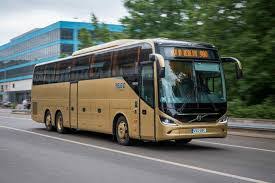 Noida International Airport Expands Ground Connectivity with New Direct Bus Services">

Nové priame autobusové linky zlepšujú prístup k medzinárodnému letisku Noida
Medzinárodné letisko Noida (NIA) urobilo významný krok vpred v oblasti konektivity vďaka partnerstvu so Štátnou dopravnou spoločnosťou Uttarpradéš (UPSRTC) s cieľom spustiť sériu nových priamych autobusových liniek. Tento vývoj spája letisko s niekoľkými významnými mestami a kultúrnymi centrami v Uttarpradéši, čím sa zlepšuje dostupnosť a podporuje sa cieľ NIA stať sa kľúčovým dopravným uzlom v regióne.
Kľúčové destinácie spojené novou autobusovou sieťou
Dohoda medzi NIA a UPSRTC zavádza priame autobusové spoje do viacerých významných miest, čím spája letisko s destináciami známymi pre ich náboženský, kultúrny a hospodársky význam. Tieto úvodné trasy zahŕňajú:
- Noida – Mathura – Vrindavan – Noida: Slúžime cestovateľom navštevujúcim partnerské pútnické mestá.
- Noida – Agra – Noida: Priame spojenie do Agry, domova ikonického Tádž Mahálu.
- Noida – Hathras – Noida: S odkazom na Hathras, regionálne centrum v Uttarpradéši.
- Noida – Aligarh – Noida: Slúžiace mestu Aligarh s jeho vzdelávacím a priemyselným významom.
Plánované rozšírenia majú tieto trasy natiahnuť a zahrnúť Bulandshahr, Firozabad, Moradabad, Farrukhabad, Hapur a Shikohabad, čím sa zabezpečí rozsiahle pokrytie v celom štáte.
Zlepšenie pohodlia cestujúcich a regionálnej integrácie
Nové autobusové linky sú v súlade s víziou multimodálnej konektivity NIA, ktorej cieľom je poskytovať cenovo dostupný, komfortný a bezproblémový prístup pre cestujúcich. Christoph Schnellmann, generálny riaditeľ medzinárodného letiska Noida, zdôraznil význam pozemnej konektivity ako základného kameňa pre lepšie skúsenosti cestujúcich. Tieto autobusové linky integrujú NIA do rozsiahlejšej dopravnej štruktúry Uttarpradéša, čím zabezpečujú, že sa cestujúci môžu efektívne dostať do iných miest bez problémov.
Spolupráce mimo Uttarpradéš
Táto iniciatíva dopĺňa existujúce partnerstvá NIA s dopravnými spoločnosťami v susedných štátoch, ako sú Haryana, Uttarakhand a Dillí. Spoločne tieto spolupráce spájajú letisko s viac ako 25 mestami v štyroch štátoch, vrátane významných mestských centier, ako sú Gurgaon, Chandigarh, Dehradun a Haridwar. Rozšírená autobusová sieť zlepšuje prepojenie na poslednú míľu, ktoré je kľúčové pre letisko, ktoré očakáva, že v počiatočnej fáze obslúži až 12 miliónov cestujúcich, pričom sa predpokladá rast na 70 miliónov ročne po úplnom rozvoji.
Historický kontext dopravných sietí v Uttarpradéši a Indii
Dopravná infraštruktúra Uttarpradéša je vyvíjajúca sa sieť formovaná historickým vývojom a kultúrnou geografie. Štát, ktorý je kľúčovou súčasťou Gangskej nížiny s tropickým monzúnovým podnebím, bol vždy centrom pútnictva, obchodu a administratívy. To si vyžiadalo silné dopravné spojenia spájajúce jeho starobylé mestá ako Mathura, Vrindavan a Agra, ktoré stáročia slúžili ako križovatky pre obchodníkov, oddaných a cestovateľov.
Indická cestná sieť, ktorá patrí k najväčším na svete, sa od polovice 20. storočia dramaticky rozšírila. Rast cestného systému – zo zhruba 66 000 míľ v roku 1947 na viac ako pol milióna míľ koncom 80. rokov 20. storočia – odráža prioritu krajiny spájať mestské a vidiecke oblasti, uľahčovať obchod a cestovný ruch v rozsiahlych a rozmanitých regiónoch. Autobusová doprava zohrala v tejto expanzii zásadnú úlohu, najmä v štátoch, kde železničná a letecká doprava nedosiahla do každého kúta.
Navyše, nedávne politiky kladú dôraz na integráciu viacerých druhov dopravy – leteckej, železničnej a cestnej – s cieľom vytvoriť súdržné siete, čo je vízia, ktorú nové autobusové linky NIA stelesňujú. Táto multimodálna stratégia posilňuje regionálny rozvoj podporou plynulejšieho toku cestujúcich a stimuláciou miestnych ekonomík.
Budúcnosť regionálnej konektivity a turizmu v Uttarpradéši
S tým, ako medzinárodné letisko Noida zintenzívňuje svoju prevádzku, rozširovanie pozemných dopravných spojení výrazne ovplyvní mobilitu v regióne. Lepšie autobusové spojenia zabezpečia turistom a pútnikom jednoduchší prístup ku kľúčovým destináciám známym pre svoje historické pamiatky, chrámy a živé kultúrne dedičstvo. Očakáva sa, že to podnieti rast cestovného ruchu a vnútroštátne cestovanie bude zvládnuteľnejšie a pohodlnejšie.
Vzhľadom na bohatú tapisériu náboženských a kultúrnych miest v Uttarpradéši, zlepšená dostupnosť z letiska do miest ako Mathura, Vrindavan a Agra pravdepodobne priláka viac návštevníkov, čo pomôže pevnejšie votkať cestovný ruch do regionálnej ekonomiky. Zvýšenie konektivity môže tiež povzbudiť k objavovaniu menej známych miest, čím sa rozšíri škála dostupných turistických zážitkov.
V širšom meradle, integrácia autobusových služieb s existujúcimi dopravnými sieťami, vrátane železničnej a leteckej dopravy, umožní flexibilnejšie cestovné plány, čo je kľúčový faktor v súčasných trendoch cestovného ruchu. Tento prístup je v súlade s rozširujúcim sa indickým trhom cestovného ruchu, ktorý ťaží zo zvyšujúceho sa počtu cestujúcich, expanzie leteckých spoločností a lepšej regionálnej infraštruktúry.
Tabuľka: Prehľad nových autobusových liniek NIA a ich význam
| Route | Prepojené destinácie | Význam |
|---|---|---|
| NIA – Mathura – Vrindávan – NIA | Náboženské dvojičky, pútnické okruhy | Podporuje náboženský turizmus a tranzit pútnikov |
| NIA – Agra – NIA | Historické mesto, Tádž Mahal | Prístup ku kultúrnemu dedičstvu v cestovnom ruchu |
| NIA – Hathras – NIA | Regionálne hospodárske centrum | Zlepšuje regionálne služobné cesty |
| NIA – Aligarh – NIA | Vzdelávacie a priemyselné centrum | Podporuje inštitucionálnu a komerčnú konektivitu |
| Budúce rozšírenia | Bulandshahr, Firozabad, Moradabad, Farrukhabad, Hapur, Shikohabad | Rozširuje geografický dosah v rámci štátu |
Implications for Marine and Sailing Tourism
Hoci Uttarpradéš je vnútrozemský štát, zlepšenie konektivity na medzinárodnom letisku Noida by mohlo ovplyvniť širšie cestovateľské návyky, vrátane návštevníkov, ktorí kombinujú mestský a vnútrozemský turizmus s námornými dobrodružstvami inde v Indii alebo susedných štátoch. Zlepšujúca sa dostupnosť regionálnych vstupných brán znamená, že cestujúci môžu s väčšou istotou zvážiť prenájom lodí alebo jácht v pobrežných destináciách, pretože vedia, že ich logistika príjazdov a odjazdov je zefektívnená.
Pre prevádzkovateľov a nadšencov, ktorí sa venujú plavbe na člnoch a jachtách, toto zdôrazňuje dôležitosť integrácie cestovných služieb so zlepšením pozemnej dopravy s cieľom vytvoriť atraktívne itineráre s viacerými destináciami, ktoré by sa mohli začať alebo skončiť na dobre prepojených letiskách, ako je NIA.
Záver
Spolupráca medzi medzinárodným letiskom Noida a spoločnosťou UPSRTC pri spustení nových priamych autobusových liniek predstavuje značný pokrok v dopravnej infraštruktúre Uttarpradéša. Tieto spojenia prepájajú NIA s rôznorodou škálou kultúrnych, náboženských a hospodárskych centier, uľahčujú prístup pre milióny cestujúcich a prispievajú k regionálnemu rozvoju. Tento krok posilňuje pozíciu NIA ako rozvíjajúceho sa dopravného uzla s multimodálnymi spojeniami nad rámec leteckej dopravy, čím zvyšuje príťažlivosť štátu pre turistov aj obchodných cestujúcich.
Očakáva sa, že s rastom tejto siete sa podporí ďalšia expanzia cestovného ruchu a uľahčí sa pohyb, čím sa zvýši integrácia Uttarpradéša do širšieho indického trhu cestovného ruchu. Strategické začlenenie multimodálnych prepojení odráža vyvíjajúce sa trendy, v ktorých má pohodlné, cenovo dostupné a bezproblémové prepojenie ústredný význam pre spokojnosť cestujúcich.
Pre tých, ktorí majú záujem preskúmať destinácie spojené cez Medzinárodné letisko Noida a ďalej, vrátane zážitkov z námorníctva a jachtingu v pobrežných oblastiach Indie, trhovisko GetBoat.com ponúka bohatý výber plachetníc a jácht na prenájom. Vyhovie všetkým vkusom a rozpočtom, dopĺňa vylepšenú regionálnu konektivitu s prístupom k oceánskym a jazerným dobrodružstvám, vďaka čomu je cestovanie skutočne všestranné a vzrušujúce.