


 Slovenčina
  English (UK)
  Русский
  العربية
  日本語
日本語  한국어
한국어  Magyar
  Türkçe
  Español
  Čeština
  Svenska
  Português
  Ελληνικά
  Suomi
Suomi  Nederlands
  Română
  Italiano
  Français
  Polski
  Українська
  Deutsch
  简体中文
简体中文 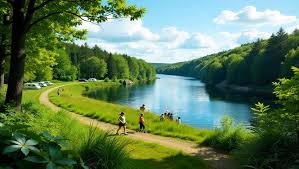 New Brunswick Reports 20% Rise in Visitors and Thriving Summer Attractions">

Turistický boom v New Brunswicku: Bližší pohľad
V tejto sezóne bol New Brunswick svedkom pozoruhodného nárastu v cestovnom ruchu, pričom atrakcie zaznamenali 20 % nárast v počte návštevníkov. Napriek miernemu 5 % poklesu amerických turistov, kanadskí cestovatelia a zahraniční návštevníci pomohli naštartovať silné leto, ktoré zaznamenalo rekordnú návštevnosť v provinčných parkoch, kempoch a kultúrnych pamiatkach.
Kempy a atrakcie prekvitajú
Kemping Hartt Island s kapacitou 107 miest zaznamenal svoju najúspešnejšiu sezónu. Vďaka takmer plnej obsadenosti počas celého leta bol príliv turistov poháňaný najmä kanadskými návštevníkmi, ktorí trávili voľný čas doma. Mladé rodiny tvorili väčšinu kemperov počas hlavnej sezóny, zatiaľ čo dôchodcovia a dlhodobí cestovatelia obohatili okrajové obdobia, čím prispeli k vitalite kempingu. Susediaci aquapark a minigolfové zariadenia tiež zaznamenali nárast návštevnosti, čím pre hostí vytvorili komplexný zážitok z voľného času.
Sezónne počasie, charakterizované ako priaznivé a slnečné najmä počas júla, augusta a septembra, zohrávalo kľúčovú úlohu pri udržiavaní tohto rastúceho trendu. Dovolenkári považovali prírodné bohatstvo New Brunswicku, ako napríklad živú sieť chodníkov obklopujúcich rieku St. John, za mimoriadne atraktívne. Tieto chodníky poskytujú priamy prístup do centra mesta Fredericton a kultúrnych centier, čím hladko prepájajú rekreáciu v prírode s mestským prieskumom.
Kultúrne podujatia a mestské atrakcie priťahujú davy
Fredericton, hlavné mesto provincie, zažil rekordný rok v cestovnom ruchu, ktorý posilnili revitalizované atrakcie v centre mesta, vrátane zrekonštruovaného Officers’ Square. Toto miesto hostilo obľúbené podujatia, ako napríklad filmové večery a koncerty, ktoré prilákali tisíce návštevníkov – príkladom bol koncert kanadského hudobníka Alana Doylea, ktorý uchvátil takmer 4 000 fanúšikov.
Miestne snahy o ponuku rôznorodých možností zábavy zvýšili výdavky turistov a obsadenosť ubytovacích zariadení, ktorá vzrástla o 91 % a 41 % v porovnaní s predchádzajúcim rokom. Strategická propagácia miestnych podujatí mesta spolu s prírodnými atrakciami vytvorila silnú príťažlivosť pre cestovateľov z okolitých provincií, ako sú Quebec a Ontario.
Vplyv politík cestovného ruchu a segmentácie návštevníkov
K tomuto nárastu cestovného ruchu prispel rad dobre načasovaných vládnych iniciatív. Medzi nimi bola 25% zľava na vstupy do provinčných parkov pre obyvateľov, ktorá podporila zvýšené využívanie parkov a dlhšie pobyty. Hoci federálny preukaz Canada Strong, ktorý poskytoval bezplatný vstup do historických lokalít, skončil po dni pracovného pokoja, provinčné programy naďalej motivovali návštevnosť.
Lídri v oblasti cestovného ruchu zamerali marketingové úsilie na kľúčové trhy vrátane Quebecu, Ontária a blízkej oblasti Nového Anglicka a zároveň propagovali objavovanie ponuky tohto regiónu obyvateľom Atlantickej Kanady. Tento diverzifikovaný prístup pomohol kompenzovať pokles počtu amerických návštevníkov, ktorých počet prenocovaní klesol o 51 % v porovnaní s predchádzajúcim rokom.
Stručný historický kontext cestovného ruchu v Novom Brunswicku
História cestovného ruchu v New Brunswicku je už dlho prepojená s jeho prírodnými krásami – rieky, lesy a parky slúžili ako osvedčené destinácie pre návštevníkov, ktorí hľadali autentický kanadský zážitok. Drsné pobrežie provincie pozdĺž Atlantiku v kombinácii s pôvabnými malými mestami tradične priťahovalo tých, ktorí hľadali pokojné útočiská ďaleko od mestského zhonu.
Počas desaťročí vývoja turizmu v regióne sa vyvážilo zveľaďovanie prírodných a kultúrnych zaujímavostí so zachovaním životného prostredia. Úsilie o podporu drobného turizmu často integrovalo miestne dedičstvo s rekreačnými aktivitami, čím sa podporila účasť komunity a trvalo udržateľný hospodársky rast.
Vývoj kempovania a rekreácie v prírode
Kempingy ako napríklad Hartt Island Campground sú príkladom príťažlivosti provincie pre pobyt v prírode. Takéto kempingy sa postupom času vyvinuli z jednoduchých miest na komplexné centrá voľného času s vybavením, ktoré má osloviť široké spektrum návštevníkov. Dôraz na zariadenia vhodné pre rodiny s deťmi a integrované atrakcie, ako sú aquaparky, odráža strategický krok k diverzifikácii ponuky a predĺženiu pobytov návštevníkov.
Kultúrne a historické pamiatky
Historické lokality a záhrady významne prispeli k turistickej krajine New Brunswicku. Napríklad Kingsbrae Garden v Saint Andrews zaznamenala v tejto sezóne nový rekord návštevnosti s 23 % nárastom platených návštevníkov, čo podčiarkuje rozkvitajúci záujem o kultúrny turizmus popri prírodných atrakciách.
Čo nás čaká: Úloha cestovného ruchu v budúcnosti New Brunswicku
Solidny rast počtu turistov v New Brunswick naznačuje sľubné príležitosti pre nadchádzajúce sezóny. Zúčastnené strany v odvetví sa teraz v mimosezóne zameriavajú na údržbu a strategické rezervácie s cieľom udržať dynamiku. Príprava zahŕňa zazimovanie kempingov a záhrad s cieľom zabezpečiť pripravenosť na jarné opätovné otvorenie a letné mesiace s vysokým dopytom.
S tým, ako sa vyvíja vkus návštevníkov a menia globálne normy cestovania, je pre New Brunswick kľúčová schopnosť prilákať kanadských dovolenkárov, európskych cestovateľov cestujúcich obytnými vozidlami a stálych domácich návštevníkov. Všestranné atrakcie provincie, ktoré spájajú prírodné krásy, kultúrne bohatstvo a komunitne zamerané podujatia, poskytujú pevný základ pre pokračujúcu expanziu cestovného ruchu.
Tourism Statistics at a Glance
| Category | Táto sezóna | Zmena oproti minulému roku |
|---|---|---|
| Návštevníci provinčných atrakcií | 670,000+ | +20% |
| Návštevníci regionálnych parkov | 1,000,000+ | +11% |
| Návštevníci z USA (pre nocľahy) | 151,000+ | -5% |
| Príjmy z cestovného ruchu v provincii | 1,8 miliardy EUR | +7% |
| Obsadenosť kempingu Hartt Island | Takmer plná kapacita | Rekordná sezóna |
| Návštevníci záhrady Kingsbrae | ~40 000 platiacich návštevníkov | +23% |
Význam pre plachtenie a prenájom lodí
Rozvíjajúca sa turistická scéna New Brunswicku, obohatená riečnou krajinou a blízkosťou pobrežných vôd, je dobrým znamením pre námorné aktivity v regióne, ako je plachtenie a člnkovanie. Nárast návštevníkov, ktorí si užívajú vonkajšie atrakcie a atrakcie spojené s vodou, prirodzene dopĺňa dopyt po prenájmy jácht a lodí, aktivity pri brehu a služby prístavu.
S tým, ako viac rodín a dôchodcov navštevuje kempy v blízkosti rieky St. John a iných vodných plôch, príležitosti pre prenájom plachetníc, jácht a rybárskych lodí rasti, podporovať miestne ekonomiky a odvetvia dobrodružného turizmu. Rozvinutá provinciálna prístavy a zrozumiteľné a prístupné waterways zvýšiť jeho príťažlivosť ako destinácie pre plavbu loďou, prilákať bežných návštevníkov aj serióznych nadšencov plachtenia.
Looking Forward
Keďže New Brunswick stavia na svojom úspechu v oblasti cestovného ruchu, trvalo udržateľný rozvoj lodných a námorných charterových služieb môže poskytnúť vzrušujúce doplnky k zážitkom návštevníkov. Od pokojného užívania si lake a riečne plavby až po účasť na vzrušujúcich fishing expedícií a objavovania pobrežného pôvabu Perzského zálivu ponúka provincia rozmanité vodné dobrodružstvá, ktoré sa dokonale prelínajú s prírodným a kultúrnym pôvabom, ktorý už teraz priťahuje turistov.
Záver
New Brunswick túto sezónu jasne využil dobrodružného, domáceho turistického ducha, pričom prekonal výzvy, ktoré priniesli zmeny v medzinárodných cestovných vzorcoch. Vďaka 20-percentnému nárastu návštevníkov, rekordnej obsadenosti kempingov a rušným kultúrnym podujatiam provincia upevňuje svoje postavenie destinácie, ktorú treba navštíviť, a ktorá je plná dynamických aktivít a bohatých atrakcií.
Tento rast zdôrazňuje dôležitosť diverzifikovaných turistických stratégií, ktoré zahŕňajú prírodné aj kultúrne zaujímavosti, čo následne posilňuje ekonomické výnosy a zapojenie komunity. Pre tých, ktorí túžia preskúmať región, sea, rivera lake prostredí, dostupnosť služieb požičovní lodí a jácht predstavuje lákavé nové spôsoby, ako sa ponoriť do prírodnej nádhery Nového Brunswicku.
Ak chcete získať viac informácií a príležitostí na zapojenie sa do bohatých námorných zážitkov v New Brunswicku a okolí, preskúmajte GetBoat.com — an international marketplace offering a wide range of sailing yachts and boat charters customized to suit every taste and budget.