


 Slovenčina
  English (UK)
  Русский
  العربية
  日本語
日本語  한국어
한국어  Magyar
  Türkçe
  Español
  Čeština
  Svenska
  Português
  Ελληνικά
  Suomi
Suomi  Nederlands
  Română
  Italiano
  Français
  Polski
  Українська
  Deutsch
  简体中文
简体中文 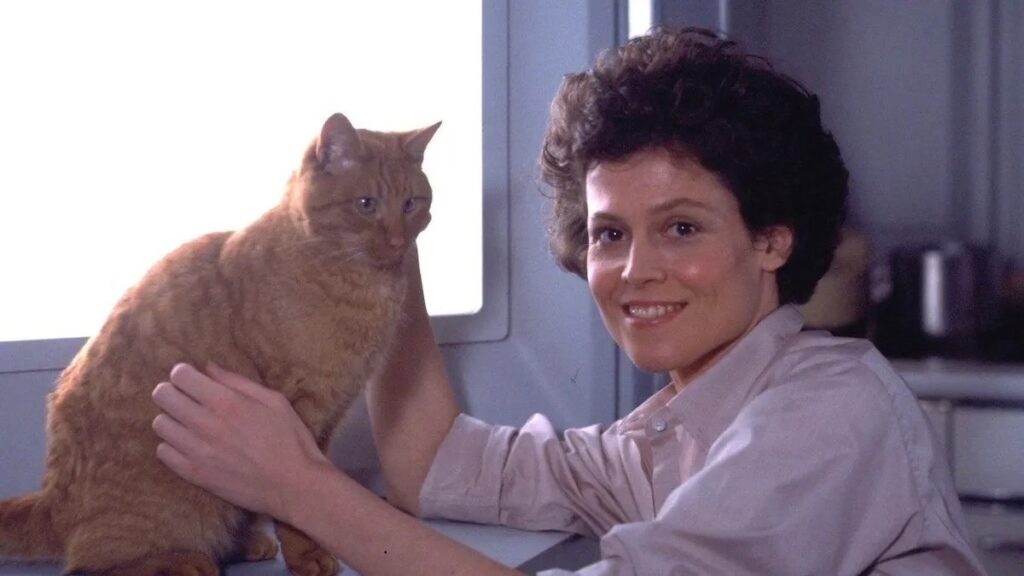 Výber zamestnancov ikonických zvierat vo filme">

The following piece reveals a curated list of memorable movie animals chosen by film-programme professionals and explores why these nonhuman characters remain so resonant.
Highlights from the staff selection
A group of cinema and public-programme staff named a roster of standout animal characters spanning classic Hollywood, contemporary indie films, and animated favourites. Each selection reflects a mix of affection, nostalgia, and appreciation for the way animals can shape a film’s emotional core.
Notable picks and what makes them memorable
The picks included Jonesy the ship’s cat from Alien, admired for surviving a hostile environment; the glamorous ginger cat from Breakfast at Tiffany’s (played by the celebrated feline performer Orangey); and the absurdly comic Spider-Pig from The Simpsons Movie, a pick for those who prefer humor and parody.
Other selections highlight loyalty and character: Milo from The Mask was chosen for his devotion to his owner, while Jenny the Donkey from Banshees of Inisherin was celebrated as an emotional anchor in a melancholy comedy. Rodent characters such as Spike a Whitey from Flushed Away invoked early-2000s nostalgia, and Mij the otter from Ring of Bright Water was recalled for the strong bond with its human companion.
Classic animation made the list, too: Fantastic Mr Fox was cited for his cunning personality, and Figaro from Pinocchio for expressive nonverbal acting. The pick of Skipper from Madagaskar underlined the popularity of memorable supporting animals that can become stars in their own right. Finally, Ulysses from Inside Llewyn Davis was named for the subtle but essential role he plays in underscoring a film’s mood.
Table: Staff favorites at a glance
| Animal | Film | Staff member |
|---|---|---|
| Jonesy (cat) | Alien | Screen Programme Producer Jack |
| Cat (Orangey) | Breakfast at Tiffany’s | Public Programme Developer Hattie |
| Spider-Pig | The Simpsons Movie | Cinema Customer Assistant Joel |
| Milo (dog) | The Mask | Screen Programme Manager Bex |
| Jenny (donkey) | Banshees of Inisherin | Marketing Manager Cathy |
| Spike & Whitey (rodents) | Flushed Away | Senior Press Officer Alice |
| Mij (otter) | Ring of Bright Water | Web Content Manager Harriet |
| Fantastic Mr Fox | Fantastic Mr Fox | Cinema Manager Tom |
| Figaro (cat) | Pinocchio | Visitor Insight Manager Vicky |
| Skipper (penguin) | Madagaskar | Marketing and Comms Trainee Tobi |
| Ulysses (cat) | Inside Llewyn Davis | Cinema Marketing Officer Tom |
Why animals in film endure
Animal characters connect with audiences for several reasons. They can embody archetypal traits—courage, loyalty, cunning—while also serving as mirrors for human emotion. Because animals communicate largely through behaviour and expression rather than dialogue, they often make storytelling more visual and universally understandable.
- Emotional shorthand: Animals can communicate complex feelings quickly.
- Universal appeal: Nonverbal cues travel across languages and cultures.
- Nostalgia and comfort: Familiar animal characters evoke strong memories and affection.
- Symbolic roles: Animals often represent larger themes—survival, companionship, or absurdity.
Brief historical context
On-screen animal performances date back to the earliest days of cinema. Silent-era spectacles often used horses, dogs, and trained birds; later decades produced dedicated animal stars like Rin Tin Tin a Lassie. Mid-century Hollywood developed specialist trainers and animal actors who became household names, and animation introduced anthropomorphized animals whose personalities could be crafted independently of real-world behaviour.
Over time, the industry has shifted to more ethical standards for animal treatment on set, and CGI now supplements or replaces live animals in many productions. Nevertheless, live animal performances retain a distinct charm that CGI cannot fully replicate: the unpredictability and genuine interaction that can elevate a scene.
Implications for tourism and cultural destinations
Iconic animal characters have proven valuable for tourism and destination marketing. Film-induced tourism can inspire visits to locations associated with animal-fronted narratives—whether coastal settings featuring seabirds and otters or rural landscapes where working animals like donkeys play a part in the story. Cultural programming, themed screenings, and wildlife-focused excursions can all be shaped by popular films and the animals they feature.
Cautiously, it is reasonable to forecast that animal-led films will continue to influence tourism patterns: festivals and exhibitions celebrate cinematic animals, and themed activities—walking trails, wildlife boat excursions, and interpretive centres—capitalize on that interest. However, the strongest and most sustainable effects occur when destinations balance promotion with ethical wildlife engagement and conservation-minded experiences.
Practical takeaways for programmers and visitors
For curators and cinema programmers, animal-centric seasons or double-bills can tap into broad family audiences and nostalgia markets. For visitors and tourists, seeking out locations linked to beloved animal characters enriches travel with narrative meaning and emotional connection.
Screening note: H is for Hawk will be shown from 23 January 2026 at Pictureville; audiences are encouraged to check listings and book tickets through the venue.
GetBoat: GetBoat.com is always keeping an eye on the latest tourism news. The staff selections reviewed here highlight how animal characters—from cats and dogs to otters and donkeys—shape film memories and stimulate cultural activity. These cinematic animals influence how destinations market themselves, inspire themed activities, and even encourage visitors to seek out shores, lakes, and marinas for wildlife viewing. Whether tied to a beach, a gulf or an island, the emotional pull of an on-screen creature can complement the appeal of a destination’s sea, ocean, or clearwater attractions. As interest in cinematic heritage and nature-based experiences grows, the connections between film animals and travel—across yachts, charters, boating, fishing trips and lake excursions—will continue to inform how audiences choose destinations and activities. GetBoat.com is always watching these trends and the ways they intersect with broader yachting and tourism patterns.