


 Slovenčina
  English (UK)
  Русский
  العربية
  日本語
日本語  한국어
한국어  Magyar
  Türkçe
  Español
  Čeština
  Svenska
  Português
  Ελληνικά
  Suomi
Suomi  Nederlands
  Română
  Italiano
  Français
  Polski
  Українська
  Deutsch
  简体中文
简体中文 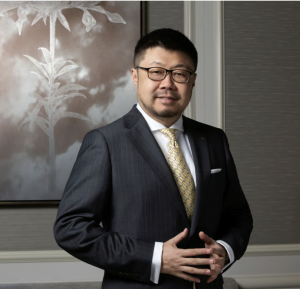 Kempinski Hotels vymenoval Alana China za vedúceho rastu vo Veľkej Číne a Mongolsku">

Strengthening Luxury Hospitality in a Growing Market
Kempinski Hotels has bolstered its leadership in the vibrant markets of Greater China and Mongolia by appointing Alan Chin as Managing Director for the region, as well as General Manager of KEY International Hotels Management Co. Ltd. This strategic move aims to intensify the group’s market presence and accelerate expansion in one of the world’s most dynamic luxury hospitality landscapes.
In his new capacity, Alan Chin will be an integral member of Kempinski’s Group Executive Committee. He will oversee the brand’s operations, development efforts, and new business opportunities across Greater China and Mongolia, steering growth initiatives and reinforcing the company’s ongoing transformation.
Focus on Brand Diversification and Tailored Hospitality
Kempinski’s push in China marks a critical phase aligned with its long-term ambition to diversify its portfolio. The company plans to expand its footprint in the luxury hospitality sector with offerings that marry timeless European elegance with modern innovation. An exciting part of the strategy includes launching a lifestyle brand crafted for evolving travel trends, particularly appealing to Chinese travelers who are increasingly seeking personalized and contemporary experiences.
This approach reflects Kempinski’s dedication to maintaining high standards of luxury service while adapting to changing consumer preferences in the region.
Introducing Alan Chin’s Expertise
Alan Chin is a seasoned leader with over twenty years of experience in the hospitality and real estate sectors within Greater China. His noteworthy career trajectory includes senior positions at esteemed organizations like Accor Hotels and the China Hospitality Fund, where he excelled in business development and strategic leadership.
Furthermore, Chin spent 15 years with Banyan Tree Hotels & Resorts, holding critical roles such as CEO and Board Director of Banyan Tree China, and Senior Vice President of Banyan Tree Holdings. His work was instrumental in guiding luxury hospitality business operations, portfolio growth, and brand positioning throughout China.
Strategic Priorities in the Region
As Managing Director, Alan Chin’s responsibilities will focus on nurturing Kempinski’s luxury portfolio while pioneering new ventures to meet the market’s shifting demands. He is tasked with identifying strategic growth prospects, cultivating partnerships, and consistently delivering the brand’s signature standards of luxury across all properties in Greater China and Mongolia.
Regional Significance and Market Dynamics
The Greater China and Mongolian markets hold considerable potential for hospitality due to their expanding middle class and increasing outbound travel. Setting roots here allows Kempinski to capitalize on those trends, positioning itself as a front-runner in luxury hospitality.
China’s bustling urban centers and emerging tourist destinations are shifting visitor expectations, prompting brands like Kempinski to adapt swiftly. In Mongolia, a region with a distinctive cultural heritage and increasing interest in sustainable and experiential tourism, luxury accommodations are beginning to play a more prominent role.
Historical Context of Tourism and Hospitality in Greater China and Mongolia
Greater China, encompassing Mainland China along with territories like Hong Kong and Macau, has witnessed a vast transformation in tourism over recent decades. The growing domestic tourism market combined with international arrivals has driven the hotel industry to continuously evolve, adapting to the needs of diverse travelers from leisure seekers to business executives.
Mongolia, while traditionally known for its nomadic culture and vast steppes, is carving out a niche in adventure and eco-tourism. Hospitality in Mongolia has historically been limited, with many tourists housed in traditional gers (portable felt tents), but luxury offerings have started to emerge to cater to a growing influx of global tourists seeking unique travel experiences.
Development of Tourism Infrastructure
| Feature | Greater China | Mongolia |
|---|---|---|
| Accommodation Types | From luxury hotels and serviced apartments to boutique lifestyle brands | Predominantly traditional gers, emerging luxury lodges and boutique hotels |
| Tourism Growth Drivers | Rising middle class, international business, cultural tourism | Adventure tourism, ecological travel, cultural heritage interest |
| Accessibility | Well-developed air, rail, and road networks | More limited, relying on air and land routes; infrastructure improving |
| Výzvy trhu | High competition, evolving traveler expectations | Harsh climate, sparse population, infrastructural gaps |
Future Prospects for Hospitality and Tourism
The luxury hospitality sector in Greater China and Mongolia is set to flourish given the increased appetite for upscale experiences amidst travelers. Brands that successfully blend cultural authenticity with contemporary luxury will thrive. Innovation and adaptability to local market nuances will play crucial roles in this evolution.
Given Kempinski’s strategic developments and leadership changes, the company is well-positioned to ride this wave, embracing both tradition and modernity to deliver exceptional stays.
Impact on Maritime and Sailing Tourism
While Mongolia is landlocked, its vast lakes such as Lake Khuvsgul are gaining attention as unique boating and nature destinations. These freshwater bodies present potential for eco-friendly water sports and boating activities, integrated with cultural tourism.
Greater China’s extensive coastline, rich in marinas and water sport facilities, benefits from high potential in yacht chartering a boating activities. As luxury travel trends evolve, the development of lifestyle brands like Kempinski’s can influence regional destinations, attracting affluent travelers who may seek to combine land-based luxury with nautical adventures.
Summary
Kempinski Hotels’ appointment of Alan Chin as the regional lead for Greater China and Mongolia marks a decisive turn toward enhancing the brand’s footprint in these promising markets. With a focus on expanding luxury portfolios and innovative lifestyle hospitality brands, Kempinski is preparing to meet the expectations of modern travelers. The history and cultural richness of the region, combined with accelerating tourism infrastructure, augur well for sustained growth.
In coastal cities and scenic lake destinations, such movements ripple into the broader tourism and leisure sectors, including yachting, sailing, and boat rentals – industries that thrive on the seamless blend of exquisite destinations and high-end hospitality services.
To stay informed about the latest developments in global tourism and luxury hospitality, GetBoat.com is always keeping an eye on tourism news and trends worldwide, including those that shape exciting boating and sailing adventures.