


 Slovenčina
  English (UK)
  Русский
  العربية
  日本語
日本語  한국어
한국어  Magyar
  Türkçe
  Español
  Čeština
  Svenska
  Português
  Ελληνικά
  Suomi
Suomi  Nederlands
  Română
  Italiano
  Français
  Polski
  Українська
  Deutsch
  简体中文
简体中文 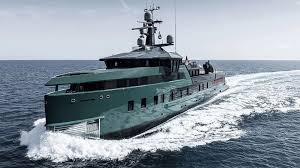 Explorer and Ice-Class Megayacht Market Trends">

Polar-class logistics now demand yachts with fuel ranges above 4,000 nautical miles, heated sea chests, and onboard autonomy for 30–60 days to operate safely beyond conventional marina and refueling infrastructure.
What makes a yacht truly ice-class?
Not every large vessel qualifies for polar voyages. An ice-class megayacht combines a heavily reinforced steel hull, closer structural framing, and a purpose-shaped bow to push through pack ice. On the regulatory side, international Polar Class notations specify allowable ice conditions and determine where a vessel may legally navigate. Practically speaking, these vessels hide the heavy-duty engineering beneath elegant interiors: heated sea chests to prevent freeze-up, shielded propulsion systems, and redundancy in critical systems so the yacht can act as a floating logistics hub in places with no support infrastructure.
Shipyards setting the standard
A handful of elite builders have the know-how to fuse commercial-grade durability with bespoke superyacht finishes. Key names include Damen Yachting, Lürssen, Feadshipa Sanlorenzo. Their track records matter because resale value, safety, and long-term performance hinge on proven design and production processes.
Quick shipyard snapshot
| Shipyard | Specialty | Typical Capability |
|---|---|---|
| Damen Yachting | Xplorer range, true off-grid endurance | Polar Class 7; 40 days autonomy |
| Lürssen | Diesel-electric, quiet Arctic cruising | Large displacement; eco-explorer tech |
| Feadship | Bespoke interiors with robust hulls | Custom explorer layouts; research-ready |
| Sanlorenzo | Italian design crossover explorers | Steel hulls; 4,000+ nm range |
Core engineering features you’ll find
When analyzing expedition yachts for purchase or charter, focus on systems that support self-sufficiency and safety.
- Fuel capacity: Extended bunkering to cross oceans without refueling.
- Water makers & cold storage: Commercial-grade fresh water and food preservation for long legs.
- Dynamic Positioning (DP): Holds position without anchoring to protect fragile reefs.
- Nulová rýchlosť stabilizers: Keeps guests comfortable whether cruising or stationary.
Specialized tenders and toys
Explorer vessels deserve more than jet skis. You’ll often see:
- Heated, enclosed limousine tenders for safe landings in frigid climates
- Snowmobiles, ATVs and amphibious craft for overland access
- Commercial drones for ice scouting and wildlife photography
- Laboratory spaces, mapping sonar and submersibles for owners who double as citizen scientists
Why that gear matters
These capabilities turn a yacht into a mobile basecamp, enabling long-range boating activities such as polar landings, deep-sea research, and sustainable entry into protected marine zones without relying on local services.
Prime destinations and charter implications
Ice-class vessels open routes to places previously off-limits for private yachting: Antarctic glaciers, the Northwest Passage, Svalbard’s fjords, and even remote South Pacific atolls. For the charter and rental markets, that means new product categories. High-net-worth clients increasingly seek expeditions rather than mere Mediterranean berths, and charter operators must adapt with specialized captains, insurance, and provisioning logistics.
From a sailing-and-rental perspective, owners and charter brokers should expect:
- Higher operational costs but premium charter rates for unique Destinations
- Specialized crew training and captain qualifications for polar operations
- Pre-checks with marinas and authorities in far-flung ports to ensure compliance
Logistics: sourcing and market behavior
Explorer megayachts rarely linger on public listings. Off-market deals, new-build slots at premier yards, and trusted broker networks are the practical routes to acquisition. For charter platforms like GetBoat.com, expanding listings to include expedition-ready yachts and superyachts provides clients with access to rare Destinations and bespoke activities — think glacier landings, guided fishing, and deep-sea diving from the mother ship.
Practical checklist for buyers and charterers
- Confirm Polar Class notation and insurance coverage.
- Verify fuel and water autonomy numbers against intended voyage plans.
- Inspect tenders, heated garages, and scientific gear if research or long-range exploration is planned.
- Ensure the captain and crew hold polar navigation experience and certifications.
At the end of the day, when the rubber meets the road — or, better put, when ice meets hull — the right combination of engineering, shipyard pedigree, and onboard logistics decides success. Whether you’re buying, selling, or planning a luxury charter, ice-class explorers redefine what a yacht can be: a self-sustained platform for genuine adventure on the sea and ocean.
In summary, ice-class explorer yachts blend heavy-duty maritime engineering with luxury to enable remote Destinations and new charter opportunities. Key takeaways: prioritize Polar Class, fuel and water autonomy, Dynamic Positioning, and specialized tenders; work with proven shipyards and experienced captains; and recognize that this segment transforms traditional yacht sale and rent markets. For owners and charterers aiming for legacy-building voyages—yacht, charter, boat, beach, rent, lake, sailing, captain, sale, Destinations, superyacht, activities, yachting, sea, ocean, boating, gulf, water, sunseeker, marinas, clearwater, fishing—all come together in one capable explorer vessel.