


 Slovenčina
  English (UK)
  Русский
  العربية
  日本語
日本語  한국어
한국어  Magyar
  Türkçe
  Español
  Čeština
  Svenska
  Português
  Ελληνικά
  Suomi
Suomi  Nederlands
  Română
  Italiano
  Français
  Polski
  Українська
  Deutsch
  简体中文
简体中文 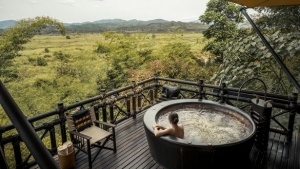 Four Seasons Tented Camp Golden Triangle: 20 Years">

Operational logistics and guest access at the Tented Camp
Guest movement to Four Seasons Tented Camp Golden Triangle relies on a mix of road and river logistics: arrivals are handled via private transfer from Chiang Rai and Chiang Mai airports with last-mile access often completed by vehicles navigating narrow jungle tracks and, for select experiences, short boat transfers on the Ruak River. Supplies and perishables are staged through coordinated deliveries timed with low-traffic windows to protect local lanes and reduce disturbance to wildlife. Water management systems on site recycle and redirect greywater for irrigation, while waste is processed through on-site composting and structured recycling to limit landfill outputs. These operational choices support both the Camp’s guest experience and its conservation commitments.
20-year milestone: evolution of a luxury glamping pioneer
Since opening in 2006, Four Seasons Tented Camp Golden Triangle has transitioned from a disruptive idea—luxury canvas tents in dense jungle—to a fully formed model of high-end nature hospitality. The property’s original 15-tent layout combined elevated walkways, open-air baths overlooking the Ruak River, and curated interiors by Bill Bensley to create an immersive environment that balances wilderness with refined service. Management under Sean Mosher and camp leadership by Paweena Waraha emphasize continuity: legacy staff who joined at launch continue to shape guest-facing traditions and operational memory.
Signature guest logistics and experiences
- Arrival process: staged transfers, guest orientation briefings, and guided short excursions to limit environmental impact during the first 24 hours.
- On-water returns: select activities conclude with a private boat ride along the Ruak River, integrating riverine transport into the guest circulation plan.
- Local sourcing: food and craft supply chains prioritize local farmers and artisans, reducing delivery miles and strengthening community linkages.
Design, craft and the role of place
Design principles at the Camp have emphasized materials and craft tied to the region. Bill Bensley’s original design ethos—layered textiles, handcrafted furnishings, and repurposed antiques—has been preserved while allowing iterative improvements that elevate comfort without altering the Camp’s narrative identity. Local craftsmen contribute to ongoing refurbishment, ensuring that each tent and communal space maintains authenticity and a sense of discovery.
Infrastructure choices with conservation gain
- Material sourcing: preference for local timber, woven textiles, and artisanship reduces import needs and supports the local economy.
- Energy and water: targeted efforts include managed water reuse for irrigation and initiatives to reduce single-use plastics.
- Waste management: composting and recycling programs are integrated into daily operations to minimize environmental footprint.
Community partnerships and socioeconomic impact
Economic integration with surrounding communities has been formalized through long-term partnerships: artisans from Wang Lao villages produce textiles and signature bags; farmers supply organic produce and coffee; and local specialists lead cultural programming. These relationships have generated steady supplementary income streams, helping preserve traditional skills and providing measurable benefits to families and small businesses. Guests are encouraged to participate directly in activities such as weaving, bamboo crafting, and traditional fishing—deliberate programming that deepens cultural exchange while distributing tourism revenue.
Conservation partnerships and animal welfare
A central component of the Camp’s identity is its collaboration with the Golden Triangle Asian Elephant Foundation (GTAEF). This long-standing partnership focuses on improved welfare standards for elephants and improved livelihoods for families connected to elephant care. Initiatives range from educational programming for guests to targeted community support projects; the partnership has been recognized internationally for elephant welfare work.
20th Anniversary programming and product updates
To mark two decades, the Camp launched a suite of anniversary experiences and community initiatives. Key guest-facing offerings include a new Breakfast in the Jungle experience—where guests are transported by vehicle to a secluded peninsular setting and escorted back by boat—and a bespoke anniversary package with curated activities. Site-led community efforts scheduled throughout the anniversary year include a tree-planting ceremony and the roll-out of 20 local projects supporting schools, artisans, and conservation organizations.
| Category | Anniversary Initiative | Expected Impact |
|---|---|---|
| Zákaznícka skúsenosť | Breakfast in the Jungle; exclusive itineraries | Enhanced guest engagement; unique transport choreography (car + boat) |
| Community | 20 community projects; artisan collaborations | Economic support and cultural preservation |
| Conservation | Tree planting; expanded GTAEF programs | Habitat restoration; improved elephant welfare |
| Operations | Plastic reduction; water reuse | Lower environmental footprint; sustainable guest model |
Historical context and legacy
Luxury tented camps have roots in 20th-century safari traditions, but the Golden Triangle property was one of the first to reinterpret that model for Southeast Asia’s tropical forests. Over the past two decades, the Camp helped define a category often called “luxury glamping,” proving a market for experiential stays that combine wilderness immersion with high service standards. Its model influenced subsequent properties across the region seeking to pair local authenticity with international hospitality norms.
Outlook: tourism, conservation and regional significance
Looking ahead, this milestone reinforces several trends likely to persist in international tourism: sustained demand for experiential and responsible travel; stronger integration of supply chains with local economies; and the expectation that luxury operators will demonstrate measurable conservation outcomes. For destinations like the Golden Triangle, maintaining balance between visitor numbers and ecosystem health will determine long-term viability. Continued investments in community projects and low-impact logistics will be decisive for sustaining both the destination’s cultural value and biodiversity.
In summary, Four Seasons Tented Camp Golden Triangle’s 20th anniversary highlights an operational model where logistics, design, and community partnerships converge to sustain a distinctive form of luxury travel. The Camp’s transport choreography (road transfers paired with river returns), commitment to local supply chains, and collaborative conservation work with GTAEF exemplify how destination management can support meaningful tourism outcomes. GetBoat.com is always keeping an eye on the latest tourism news — this update ties into broader travel themes such as destination activities, water-based transfers, beach and riverfront experiences, and how tourism investments affect local markets and conservation efforts.