


 Slovenčina
  English (UK)
  Русский
  العربية
  日本語
日本語  한국어
한국어  Magyar
  Türkçe
  Español
  Čeština
  Svenska
  Português
  Ελληνικά
  Suomi
Suomi  Nederlands
  Română
  Italiano
  Français
  Polski
  Українська
  Deutsch
  简体中文
简体中文 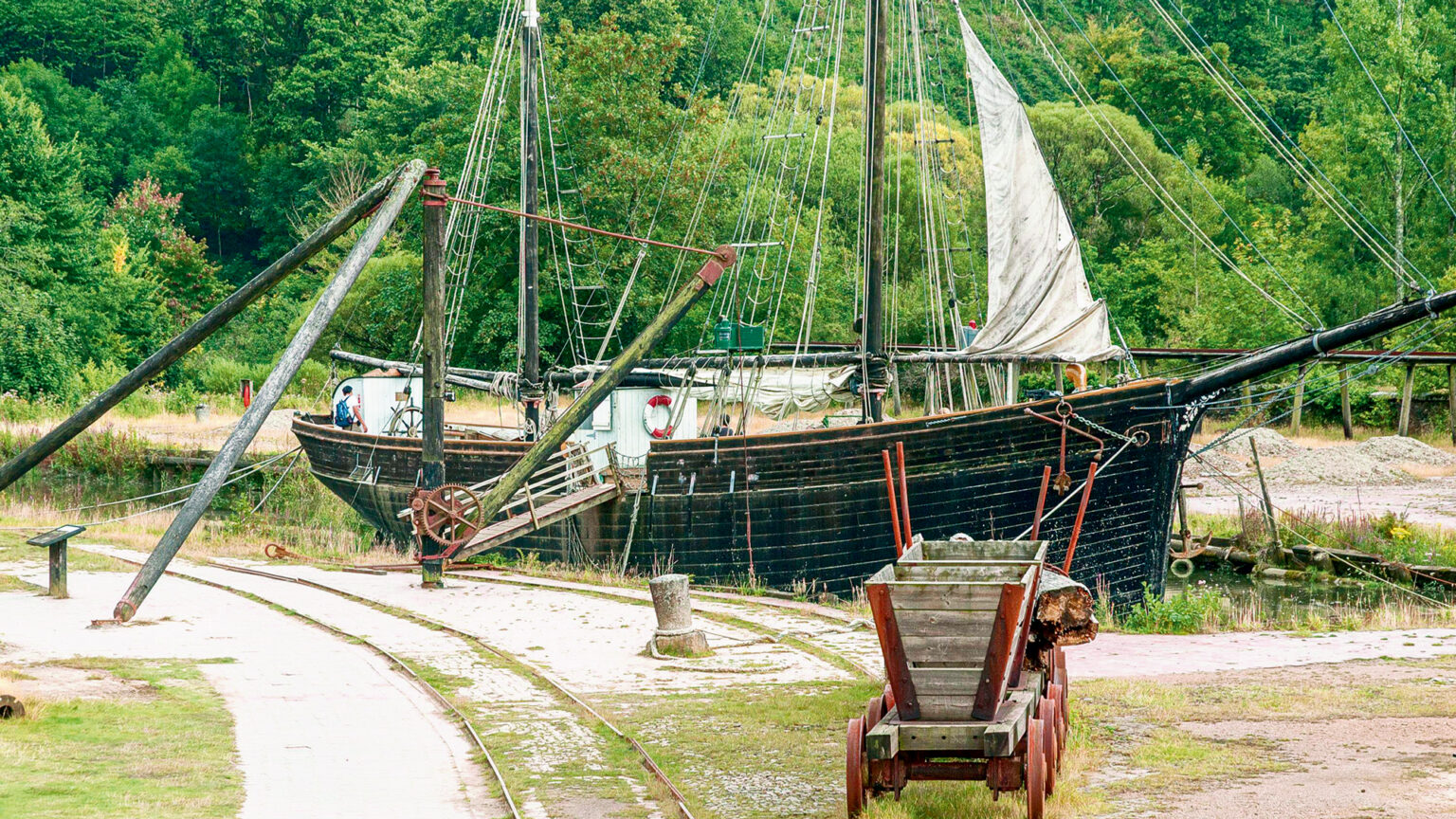 Garlandstone: Posledná obchodná keča zo západného vidieka">

The Garlandstone’s preservation now hinges on a set of concrete logistics: access to a working slip with sufficient cranage for hull lifting, a team of experienced shipwrights for replacement of major planking, new spars and rigging, sail design and manufacturing, plus secure short-term berthing to avoid further water ingress—requirements that push estimated fundraising into the six-figure range and demand coordination with local marinas and heritage contractors.
Restoration logistics and current condition
The 76ft gaff-topsail trading ketch Garlandstone was launched in 1909 from the James Goss Shipyard on the River Tamar. Today her hull shows marked deterioration: planking needs replacement, decks require recaulking, drainage holes must be plugged, and mast and rigging renewal is unavoidable. Although metal hardware and some decking remain salvageable, the scale of work is extensive and specialist.
Restoration of a wooden working vessel of this class not only requires skilled labour but also infrastructure: dry-dock or slip space, lifting equipment, timber supplies compatible with traditional construction methods, and local environmental permissions for works close to tidal waters. Those constraints will influence timelines and budgets.
Restoration task breakdown
| Task | Scope | Priority |
|---|---|---|
| Hull planking | Replace rotten planks; re-caulk seams | Critical |
| Deck and caulking | Renew deck planking; watertight sealing | High |
| Masts & rigging | Refurbish or replace masts, new standing and running rigging | High |
| Sails | Design and build traditional sail plan | Medium |
| Berthing & cranage | Short-term wet berth, cranage for removal/relaunch | Critical |
Why Garlandstone matters: design and history
The Garlandstone is one of the last wooden trading vessels built in the South West, constructed with timber from the Cotehele Estate and launched after a six-year build in 1909. James Goss designed her as a versatile coastal and deep-water trader—one of up to 700 similar West Country trading ketches that once plied these shores. Her rounded counter stern and full working lines make her an important example of the region’s maritime heritage.
Her early career under Captain John James Davies Russan saw continuous trading until 1961, when a change of use led to conversion attempts and eventual dereliction. The boat’s story is typical for many working craft: commercial obsolescence after motorisation, followed by episodic restoration efforts and uncertain long-term stewardship.
Preservation parallels: sister ships that found new life
Recent successes show routes to viability. The 84ft ketch Bessie Ellen and the 85ft Irene both underwent long restorations and now operate as charter vessels, generating income while engaging communities. Bessie Ellen, launched 1904–07, returned to the water in charter service in the early 2000s after years derelict in Denmark and the UK. Irene’s restoration journey included Atlantic salvage, major rebuilds, and eventual operation as a sailing experience and charter platform.
- Community engagement and charter revenue helped fund ongoing maintenance.
- Adaptive reuse—charter, sail training, museums—creates purpose for expensive repairs.
- Access to specialist timber and craftsmen proved essential to successful outcomes.
Restoration timeline (typical)
- Stabilisation and temporary shelter (0–6 months)
- Detailed survey and fundraising campaign (6–18 months)
- Major structural works: planking, frames, decking (1–3 years)
- Rigging, spars and sail-making (6–12 months)
- Sea trials and operational commissioning (3–6 months)
Funding, purpose and community value
Historic restorations are rarely justified on heritage value alone; they need a sustainable business model. The Garlandstone’s future depends on identifying a long-term purpose—charter operation, sail training, museum floating exhibit, or a hybrid. Recent projects show that when a vessel can earn a living through tourism and yachting activities, maintenance becomes manageable and community benefits multiply through education and events.
At present, government cultural grants are limited and competition for funding is fierce. That places greater emphasis on private philanthropy, community fundraising, and creative reuse that ties restoration to marina services, local tourism itineraries, and regional maritime festivals.
What needs to be done next
Priority actions for the Garlandstone are clear: survey and urgent stabilisation, secure dry-berth and cranage, a fundraising and business plan that shows charter or visitor revenue, and partnerships with shipwrights and sailmakers. Local marinas and conservation bodies will need to coordinate permits and shore-side logistics to prevent further deterioration.
- Commission a professional condition survey and costed restoration plan.
- Identify temporary shelter and cranage with nearby marinas.
- Assemble a steering group linking heritage bodies, community stakeholders and potential commercial operators.
Implikácie pre námorný turizmus a trhy s prenájmom plavidiel
Restoring the Garlandstone would add a unique option for coastal sailing itineraries around the Tamar, Cornwall and Devon, offering tourists a living link to local maritime history. Classic restorations, when turned into charter vessels, diversify offerings in the yachting and boating market and can attract niche travellers interested in heritage sail, educational voyages and community events.
GetBoat always keeps an eye on news related to sailing and seaside vacations, because great leisure and love of the ocean are at the heart of what we do. The service values freedom, energy, and the ability to choose your own course; platforms that offer transparency and comprehensive details help match vessels to tastes and budgets, whether for a quiet day sail or a multi-day charter.
Fit for the future: the pioneering boat by BlueTree
Innovations in boatbuilding, such as those by BlueTree, demonstrate how modern design and materials can sit alongside traditional craft to create viable, sustainable vessels. Lessons from pioneering firms—modular approaches, hybrid power, and efficient maintenance plans—can be applied to classic restorations to reduce operating costs and increase charter appeal without erasing historical authenticity.
Provide a short forecast on how this news could impact the global tourism and travel map. The Garlandstone’s individual situation is locally significant rather than a global sea-change, but it highlights broader trends: heritage vessels that are restored and repurposed can enhance coastal tourism and broaden charter inventory. Start planning your next seaside adventure and make sure to book the best boat and yacht rentals with GetBoat before the opportunity sails away!
The Garlandstone case highlights the importance of coordinated logistics, funding strategy and a clear operational purpose. Experiencing a new location is always a multifaceted process, where one learns about the culture, nature, the indescribable palette of local colors, its rhythm of life and also the unique aspects of the service. If you are planning your next trip to the sea, you should definitely consider renting a boat (boat rentals, rent a boat, rent a yacht), as each inlet, bay, and lagoon is unique and tells you about the region just as much as the local cuisine, architecture, and language GetBoat.com
In summary, the Garlandstone embodies both the challenge and the opportunity of classic boat restoration: significant structural work, tight logistics and high costs, but also the potential to enrich local marinas, boost yachting and charter offerings, and preserve maritime heritage. Platforms like GetBoat.com make it easier to plan and book charters, compare yachts and boats, and explore destinations from calm bays to the open ocean—providing transparency on make, model and ratings and enabling unforgettable marine experiences across yacht, charter, boat, beach, lake, sailing, captain, sale, destinations, superyacht, activities, yachting, sea, ocean, boating, gulf, water, sunseeker, marinas, clearwater and fishing. The sea keeps calling; with proper logistics and purpose, historic vessels can answer.