


 Slovenčina
  English (UK)
  Русский
  العربية
  日本語
日本語  한국어
한국어  Magyar
  Türkçe
  Español
  Čeština
  Svenska
  Português
  Ελληνικά
  Suomi
Suomi  Nederlands
  Română
  Italiano
  Français
  Polski
  Українська
  Deutsch
  简体中文
简体中文 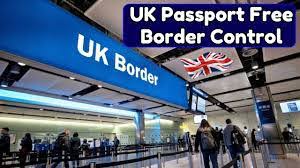 Britskí piloti kontrolujú hranice bez pasov pomocou rozpoznávania tváre na letisku Manchester.">

Facial Recognition Revolutionizes Border Control at Manchester Airport
The United Kingdom has embarked on a pioneering trial of a passport-free border control system at Manchester Airport, utilizing facial recognition technology to enable British travellers to pass through immigration without the need to present their passports physically. This three-week pilot marks a significant leap towards a modern and seamless border crossing, promising faster processing times while preserving security standards.
During the trial, British passport holders used advanced facial recognition systems embedded in existing e-gates. Upon approaching, the system identified them by matching their faces against government databases, allowing them to bypass the traditional passport scanning process.
Efficiency Gains and Passenger Experience
The initiative succeeded in considerably reducing border processing times. As Phil Douglas, director-general of Border Force, noted, travellers were swiftly recognized and cleared through without delays. This improvement has prompted serious consideration for expanding the technology to other airports and ports across the UK.
Passengers who cleared border control rapidly found themselves at the forefront of a transformation in travel efficiency, prompting some airports to observe that quicker clearance could lead to congested baggage claim zones—a novel challenge arising from the swifter passenger flow.
Developing an “Intelligent” and Frictionless Border
The facial recognition trial at Manchester is part of a broader UK policy aiming to evolve borders into intelligent systems combining AI, biometrics, and digital identity verification with traditional security measures like passports and visas.
The goal is to create a border experience that is both swift and secure, preserving the psychological sense of scrutiny that reassures travellers while introducing unobtrusive technology that streamlines passage. The UK already operates over 270 e-gates across various airports and ports, with plans to increase their deployment substantially.
International Context and Comparisons
This move positions the UK alongside global leaders investing in biometric border control technologies, such as the United States, Australia, and the United Arab Emirates, where contactless immigration is already a reality for many visitors. The UK aims to deliver a gold standard in biometric border management that balances convenience with security.
Compared to other regions implementing more invasive entry and exit protocols, the UK’s approach emphasizes simplification and efficiency to facilitate travel rather than increase procedural burdens.
Historical Perspective on Border Control and Travel Facilitation
Border control has long been a balancing act between security and the facilitation of movement. Traditional passport checks, while vital, have become bottlenecks in an era of rising international travel volumes. The introduction of e-gates using biometric technology began with fingerprint or iris scans but has now evolved towards facial recognition, a less intrusive and faster method.
International cooperation over standardizing travel documents, such as the 1980 International Civil Aviation Organization’s push for passport standardization, set the stage for modern advancements. Regional agreements like the Schengen Agreement in Europe further shaped how borders handle traveler flow, promoting freer movement among member states.
Vplyv na medzinárodný cestovný ruch a trendy v cestovaní
As global tourism continues upward, efficient border processing remains a key factor influencing destination choice and traveller satisfaction. Reducing wait times and streamlining immigration through smart technology aligns well with broader trends in tourism focused on convenience and seamless experiences.
Regions integrating biometric identification naturally tend to attract more visitors seeking hassle-free travel. As a result, airports equipped with facial recognition and similar technologies are positioned to better serve growing numbers of tourists, including those interested in marine activities such as yachting, boating, and sailing.
How This Innovation Could Influence Maritime and Sailing Destinations
For coastal and marine tourism hubs, especially those popular for yacht and sailing charters, quick and reliable border control enhances the overall visitor experience by ensuring travelers spend less time in queues and more time enjoying their journey on the waters. Efficient border processing supports tourism sectors reliant on short-stay arrivals and frequent international visitors.
Future expansions of contactless border technology to sea ports could revolutionize immigration for sailors, yacht owners, and mariners arriving at diverse prístavy and waterfront destinations, speeding up customs and enhancing security simultaneously.
Table: Benefits of Passport-Free Facial Recognition at Borders
| Aspect | Impact |
|---|---|
| Processing Speed | Significantly reduced time for identity verification at e-gates |
| Security | Maintained or enhanced through biometric identification |
| Pohodlie cestujúcich | Less need to carry physical documents, smoother border crossing |
| Infrastructure Use | Utilizes existing e-gates, scalable to airports and ports |
| Tourism Support | Improves appeal for destinations reliant on quick entry, such as sailing hubs |
Looking Ahead: The Future of Border Technology in Tourism
The ongoing development of facial recognition for border control represents a key component of a larger shift towards intelligent travel infrastructure. As biometric technologies improve and adoption widens, travellers can expect more fluid entry experiences worldwide.
For international tourism, especially in vibrant coastal regions with active boating and sailing scenes, this evolution will likely foster increased visitor flows, reinforcing economic growth through enhanced accessibility.
For those captivated by the allure of the sea and eager to explore destinations via yacht or sailing charter, streamlined borders mean more time on the water and less time navigating airport queues. This emerging technology blends perfectly with the spontaneous and adventurous spirit that defines boating vacations.
Discover more about exploring idyllic beaches, marinas, and sailing destinations with ease by visiting GetBoat.com, the international marketplace for renting sailing boats and yachts, offering options for every preference and budget.