


 Slovenčina
  English (UK)
  Русский
  العربية
  日本語
日本語  한국어
한국어  Magyar
  Türkçe
  Español
  Čeština
  Svenska
  Português
  Ελληνικά
  Suomi
Suomi  Nederlands
  Română
  Italiano
  Français
  Polski
  Українська
  Deutsch
  简体中文
简体中文 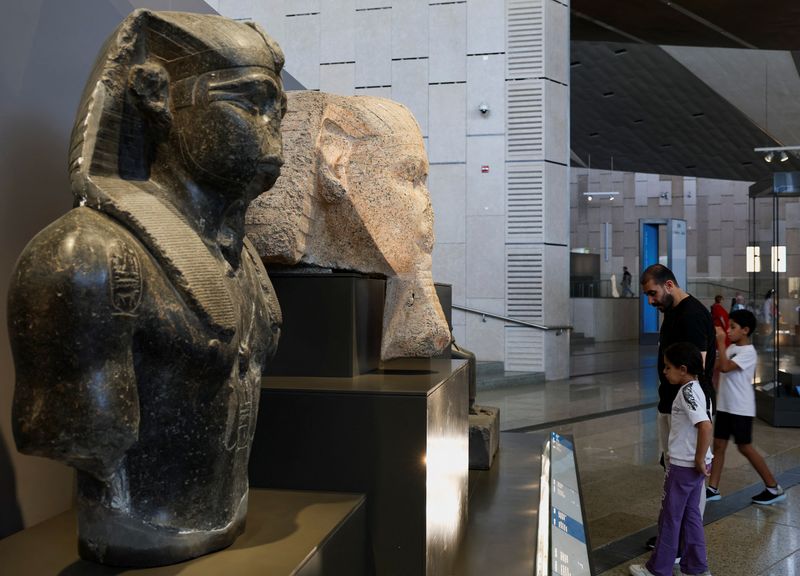 Grand Egyptian Museum Opening Boosts Egypt’s Tourism Prospects">

Obnovenie egyptského cestovného ruchu prostredníctvom Veľkého egyptského múzea
Egypt očakáva výrazné oživenie svojho turistického ruchu s otvorením rozsiahleho nového Veľkého egyptského múzea (GEM) neďaleko ikonických pyramíd v Gíze. Toto múzeum je pripravené stať sa hlavným lákadlom pre návštevníkov z celého sveta, čo by mohlo ročne prilákať milióny turistov.
Múzeum, rozprestierajúce sa na úctyhodných 500 000 metroch štvorcových, bude prezentovať desaťtisíce artefaktov, vrátane vzácnej zbierky kráľa Tutanchamóna, z ktorej veľká časť nebola nikdy predtým verejne vystavená. GEM, navrhnuté tak, aby ponúkalo nový zážitok, obsahuje najmodernejšie pohlcujúce exponáty a špičkové displeje virtuálnej reality, ktoré poskytujú moderný kontrast k tradičnému usporiadaniu staršieho káhirského múzea.
Úloha múzea v hospodárskej a kultúrnej obnove
Už viac ako desaťročie čelí egyptský sektor cestovného ruchu výzvam v podobe období nepokojov, regionálnych konfliktov a globálnych zdravotných kríz. Otvorenie GEM je považované za strategický míľnik na urýchlenie oživenia cestovného ruchu, ktorý je nielen životne dôležitý pre hospodársky rast, ale aj kritický pri zabezpečovaní devíz na podporu nevyhnutných dovozov, ako je palivo a potraviny.
Nedávne údaje naznačujú oživenie s 15,7 miliónmi návštevníkov v predchádzajúcom roku, čo generovalo rekordných 15 miliárd $ dolárov príjmov. Stále to však zaostáva za potenciálom, ktorý možno pozorovať u niektorých regionálnych konkurentov. Predstavitelia sú optimistickí, že GEM by mohlo ročne prilákať ďalších 7 miliónov návštevníkov, čím by sa počet turistov do roku 2030 zvýšil na takmer 30 miliónov, čo z neho urobí kľúčový motor pre širšiu turistickú atraktivitu Egypta.
Múzeum predstavuje skvosty egyptského kultúrneho bohatstva
- Poloha s výhľadom na pyramídy v Gíze, ktorá umocňuje zážitok návštevníka.
- Rozsiahle expozície artefaktov Tutanchamóna v ich úplnej podobe
- Interaktívne a virtuálne expozície pre pohlcujúce objavovanie
- Priestranné, moderné galérie nahrádzajúce staršie preplnené usporiadania múzeí
Historický kontext egyptského cestovného ruchu a význam kultúrneho dedičstva
Bohatá história Egypta ako turistickej destinácie siaha tisícročia dozadu. Existujú dôkazy o cestovaní za zábavou už v staroveku, pričom pyramídy v Gíze sú svedkami stáročí fascinácie. Krajina bola dlho magnetom pre cestovateľov, ktorí sa chceli ponoriť do starovekých civilizácií, čo pokračovalo aj v modernej dobe s organizovanými zájazdmi v 19. storočí po významných infraštruktúrnych projektoch, ako bol Suezský prieplav.
Masový turizmus v Egypte tradične kombinuje rôznorodé zážitky, od slnkom zaliatych prímorských letovísk až po objavovanie historických a archeologických divov. Kultúrny turizmus zostáva základným pilierom, ktorý priťahuje návštevníkov lákaných neoceniteľným dedičstvom Egypta od starovekých chrámov až po islamské a koptské pamiatky.
Výzvy ovplyvňujúce rozvoj cestovného ruchu
Napriek svojej príťažlivosti čelil Egypt mnohým prekážkam, ktoré ovplyvnili plný potenciál jeho sektora cestovného ruchu:
| Challenge | Impact on Tourism |
|---|---|
| Politická a regionálna nestabilita | Spôsobilo kolísanie návštevnosti a vnímania bezpečnosti |
| Infrastructure limitations | Preľudnenosť miest, zastaraná doprava a cestné siete |
| Environmentálne obavy | Vplyvy na archeologické lokality a prírodné oblasti, ako sú koralové útesy |
| Konkurenčné regionálne trhy cestovného ruchu | Ďalšie krajiny Blízkeho východu a Stredomoria, ktoré lákajú turistov |
Riešenie týchto obáv zahŕňa prebiehajúce úsilie, ako je modernizácia ciest vedúcich k múzeu, premiestnenie vstupu do pyramíd s cieľom lepšie riadiť tok davov a rozširovanie ubytovacích kapacít v okolí Káhiry a kľúčových turistických destinácií.
Synergia kultúry a voľného času pre vyvážený turistický zážitok
Hoci je Egypt známy svojimi plážami pozdĺž Červeného mora, otvorenie GEM má za cieľ pozdvihnúť profil krajiny ako centra kultúrnej turistiky. Analytici poznamenávajú, že kultúrni turisti často prispievajú ekonomicky viac tým, že zostávajú dlhšie a zapájajú sa do širšieho spektra aktivít ako tí, ktorí navštevujú krajinu primárne kvôli oddychu a slnkom zaliatym plážam.
Plány na prepojenie kultúrnych prehliadok s prímorskými letoviskami sú v plnom prúde, čo návštevníkom umožní vychutnať si starobylú históriu aj relaxačné pobrežné prostredie počas jednej cesty, čím sa zvýši celková príťažlivosť Egypta.
Výhľad na rozvoj cestovného ruchu a medzinárodnú príťažlivosť
Egypt so zameraním na kombináciu kultúrneho dedičstva so zlepšenou infraštruktúrou predstavuje sľubný krok smerom k udržaniu a rastu prílevu turistov. Veľké egyptské múzeum nielenže oslavuje minulosť krajiny, ale zároveň symbolizuje pokrokový prístup k zážitkovému turizmu, ktorý je v súlade s globálnymi trendmi uprednostňujúcimi pohlcujúce a interaktívne zážitky.
| Year | Príchody turistov (v miliónoch) | Príjmy z cestovného ruchu (miliardy USD) |
|---|---|---|
| 2016 | Približne 9 | 3.8 |
| 2022 | 15.7 | 15.0 |
| 2030 (Prognóza) | 30 | – |
Strategické zlepšovanie letiskových zariadení, cestných komunikácií a hotelovej infraštruktúry v Egypte navyše podporuje plynulejšie cestovanie, ktoré je kľúčové pre rast cestovného ruchu. Vďaka týmto vylepšeniam vytvára prítomnosť GEM páku pre širšie cezsektorové výhody cestovného ruchu, vrátane kultúrnych, rekreačných a dobrodružných aktivít v celom Egypte.
Prepojenie turizmu a širších kultúrnych zážitkov
Egyptská vízia cestovného ruchu zdôrazňuje synergiu medzi vrstvami historického prieskumu a moderného vybavenia. Pre návštevníkov so záujmom o históriu a pamiatky ponúka GEM komplexnú kultúrnu cestu, zatiaľ čo tí, ktorí hľadajú relax, ocenia neďaleké rezorty a prístavy, ktoré otvárajú možnosti pre člnkovanie a jachting v Červenom mori a blízkych vodných plochách.
Záver
Otvorenie Veľkého egyptského múzea predstavuje pre egyptský turistický priemysel prelomový moment, ktorý signalizuje obnovenú silu pri lákaní cestovateľov z celého sveta. Vďaka transformácii spôsobu prezentácie egyptského dedičstva – s pohlcujúcimi exponátmi a pokročilými zobrazovacími technológiami – má toto múzeum potenciál opäť postaviť krajinu do pozície poprednej destinácie kultúrneho turizmu.
Egypt využíva plný potenciál svojho historického bohatstva a prírodných krás na oživenie odvetvia, a to v spojení s modernizovanou infraštruktúrou a integrovanými cestovnými itinerármi spájajúcimi múzeum, pyramídy v Gíze a pobrežné rezorty.
Pre tých, ktorí majú záujem preskúmať tieto úžasné destinácie po mori, možnosti prenájmu jácht a lodí v pobrežných oblastiach Egypta pridávajú úplne nový rozmer zážitku z tejto starobylej krajiny. Nadšenci plachtenia môžu považovať priezračné vody Červeného mora a pulzujúci morský život za neodolateľnú výzvu na spojenie kultúrnych prehliadok s oceánskymi dobrodružstvami.
Pre rozsiahly výber plachetníc a jácht na prenájom v regióne, GetBoat.com poskytuje vynikajúce medzinárodné trhovisko, ktoré ponúka plavidlá pre každý vkus a rozpočet pre nezabudnuteľné cestovanie po malebných egyptských pobrežiach i za ich hranicami.