


 Slovenčina
  English (UK)
  Русский
  العربية
  日本語
日本語  한국어
한국어  Magyar
  Türkçe
  Español
  Čeština
  Svenska
  Português
  Ελληνικά
  Suomi
Suomi  Nederlands
  Română
  Italiano
  Français
  Polski
  Українська
  Deutsch
  简体中文
简体中文 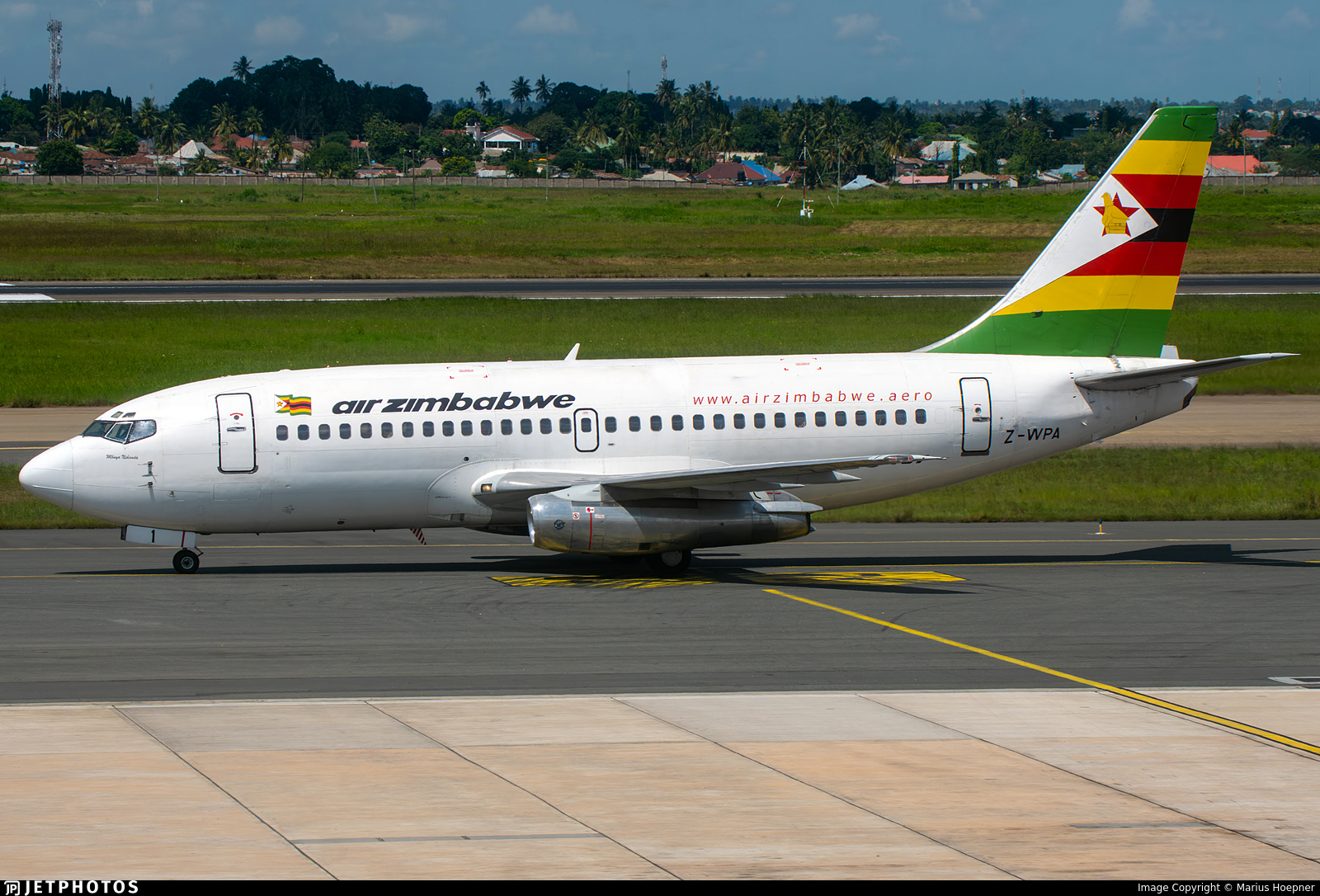 Zostavenie Air Zimbabwe v KĽM vrhá svetlo na výzvy v cezhraničnej letectve">

The Incident Unfolding: Air Zimbabwe’s Aircraft Stranded in the DRC
A tense situation emerged earlier this year when an Air Zimbabwe Boeing 767-200ER found itself stranded in Goma, eastern Democratic Republic of Congo (DRC), sparking a costly legal dispute. The aircraft, leased under a wet-lease arrangement to a fledgling DRC startup Mont Gabaon Airlines, was grounded for 17 days due to the worsening security environment, preventing departure and leaving the plane along with its 14-member crew stuck in a precarious situation.
During this unforeseen hold-up, Jetex (Pvt) Ltd, a local aviation service provider, stepped in to cover crucial expenses including ground handling, crew accommodation, food, maintenance, and parking fees. They expected reimbursement from Air Zimbabwe once operations resumed; however, a disagreement over these costs—amounting to approximately USD 210,000—has escalated into a full-blown lawsuit as Air Zimbabwe has yet to settle the debt.
Challenges of Cross-Border Aviation Partnerships
This case sharply illuminates just how risky aviation operations in politically volatile and conflict-prone regions can be. The DRC, with its unpredictable security conditions, is a classic example where carefully crafted plans can be upended at a moment’s notice. Airlines like Air Zimbabwe, already navigating financial and operational pressures, find themselves grappling not only with physical risks but also financial and legal exposures.
The reliance on wet-lease agreements—where aircraft and crew are leased out to other entities—enhances operational flexibility but demands ironclad contracts and thorough risk assessments. Without these safeguards, airlines can face heavy unexpected costs and damaged partnerships when circumstances change rapidly.
Financial Fragility in African Aviation
A closer look at the broader African aviation sector reveals systemic hurdles beyond the DRC incident. Many airlines across the continent experience high operational costs, limited capital access, and exposure to volatile external factors such as regional conflicts or sudden regulatory shifts. The economic precariousness of some carriers renders them particularly vulnerable to legal and reputational fallout when incidents occur.
Table 1 illustrates several common financial stressors that African carriers fast encounter:
| Financial Stressor | Description |
|---|---|
| Limited Capital Access | Difficulty in raising long-term funds for fleet expansion or upgrading infrastructure. |
| High Operating Costs | Fuel prices, maintenance, and airport fees tend to be expensive relative to revenues. |
| External Shocks | Political instability, health crises, or regulatory changes that suddenly disrupt operations. |
| Legal Disputes | Potential for costly lawsuits arising from contractual disagreements or operational failures. |
Essentials of Effective Aviation Risk Management
Key lessons emerge from the Air Zimbabwe incident that stretch across the African aviation landscape. Paramount among these is the need for explicit, transparent, and enforceable contracts when engaging in wet-lease or charter operations, especially in regions where risk factors are heightened.
Local partnerships such as that formed with Jetex (Pvt) Ltd prove invaluable – providing swift logistical support and crisis response. Such networks contribute significantly to crew safety and operational continuity under difficult circumstances.
Additionally, integrating specialized insurance policies and tailoring risk management strategies to Africa’s unique aviation challenges are becoming non-negotiable. This includes pre-emptive emergency training for airline personnel and comprehensive contingency planning that covers disruptive scenarios.
Historical Perspective: African Aviation’s Ongoing Struggles and Progress
Historically, African airlines have balanced ambitions of growth with stiffer challenges than many global counterparts. Many carriers face a combination of financial limitations, infrastructural deficits, and unstable political environments. Throughout the years, efforts to liberalize air traffic routes and build modern hubs have aimed to improve connectivity across the continent.
Initiatives to expand air travel capacity and integrate regional airline operations—such as the Yamoussoukro Declaration—seek to boost accessibility and competitiveness. Despite hurdles like high operational costs and limited funding, African aviation has gradually increased connectivity to international and regional markets.
However, incidents like the grounding of a major aircraft in the DRC reveal how deeply intertwined political and security issues remain with aviation operations. These historical patterns of fragility underline the critical role of improved contractual clarity, risk planning, and local cooperation to foster a resilient aerospace sector across Africa.
Looking Forward: Implications for Tourism and Transportation
As African airlines continue to expand their networks to reach new destinations, the significance of robust risk management frameworks cannot be overstated. The growth in tourism and the transportation of passengers and goods hinges on the reliability and safety of cross-border operations.
The lessons learned from this specific legal and operational dilemma have broader implications. They serve as a cautionary tale for other carriers considering partnerships in conflict-sensitive zones, highlighting how neglecting risk and contingency protocols can lead to costly disputes and operational disruptions.
Practical Recommendations for Aircraft Charter and Operating Partners
- Conduct thorough risk assessments before entering wet-lease agreements, particularly in regions with uncertain security.
- Develop crystal-clear contracts outlining financial responsibilities, crisis response procedures, and dispute resolution methods.
- Foster strong relationships with reliable local service providers to ensure immediate support in emergencies.
- Invest in insurance policies that cover logistical, financial, and operational risks specific to African aviation environments.
- Implement ongoing staff training on emergency preparedness and crisis management strategies.
Table 2: Risk Management Checklist for African Aviation Partnerships
| Risk Element | Management Strategy |
|---|---|
| Security Risks | Monitor local conditions, avoid volatile zones, and have rapid evacuation plans. |
| Financial Exposure | Include reimbursable expense clauses; secure deposits or guarantees. |
| Operational Delays | Maintain contingency budgets and alternative logistics plans. |
| Legal Disputes | Use clear arbitration clauses and accessible legal support. |
Zhrnutie a námorné spojenie
Právny konflikt Air Zimbabwe vyplývajúci zo zastavenia letov v DRC podtrháva zložité prepojenie bezpečnosti, financií a prevádzkových rizík v africkom letectve. Tieto výzvy zdôrazňujú, že úspech v regionálnom a medzinárodnom dopravnom sektore si vyžaduje nielen ambície, ale aj precízne plánovanie, pevné partnerstvá a agilné riadenie rizík.
Pre plavcov a prenájímateľov lodí preskúmavajúcich vody východnej Afriky, vedomie podobných prevádzkových rizík v leteckej doprave podtrhuje širšiu potrebu dôkladnej prípravy a spoľahlivých miestnych kontaktov vo všetkých druhoch dopravy. Plavba po mori alebo let nad hranicami si vyžaduje ostražitosť, silnú spoluprácu a adaptabilné stratégie, aby sa zabezpečili hladké a bezpečné cesty.
Záujemcovia, ktorí majú záujem doplniť svoje cestovné plány o jachtingové alebo plavby okolo pobrežných destinácií v Afrike, sa môžu obrátiť na GetBoat.com — medzinárodný trh na prenájom plachetníc a jachty, ktorý uspokojuje rôzne chute a rozpočty. Či už prenajímate superjachtu alebo nenáročnú plachetnicu, GetBoat poskytuje vynikajúcu platformu na kontakt s rozsiahlymi, lákavými vodami, ktoré obopínajú bohaté pobrežie Afriky.